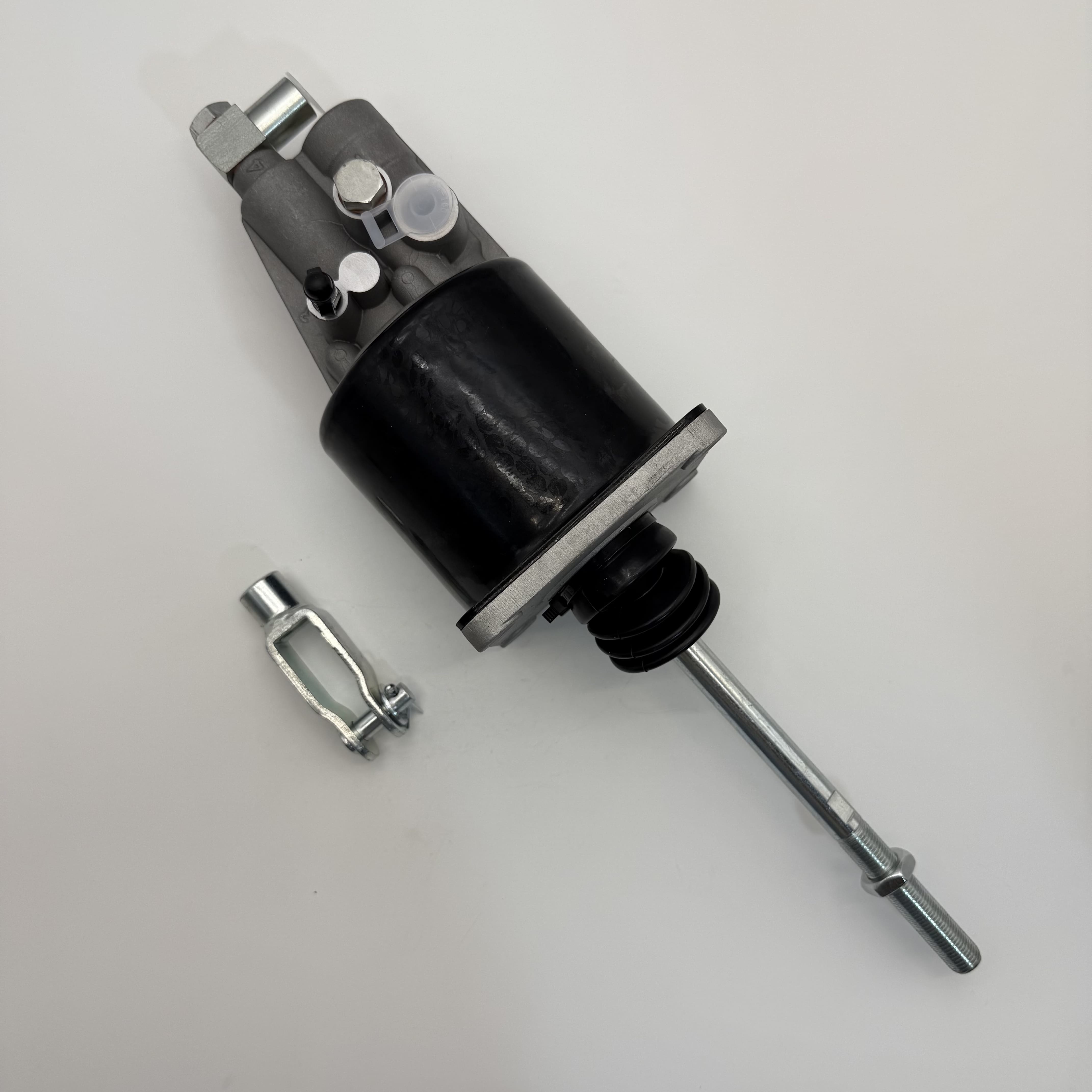
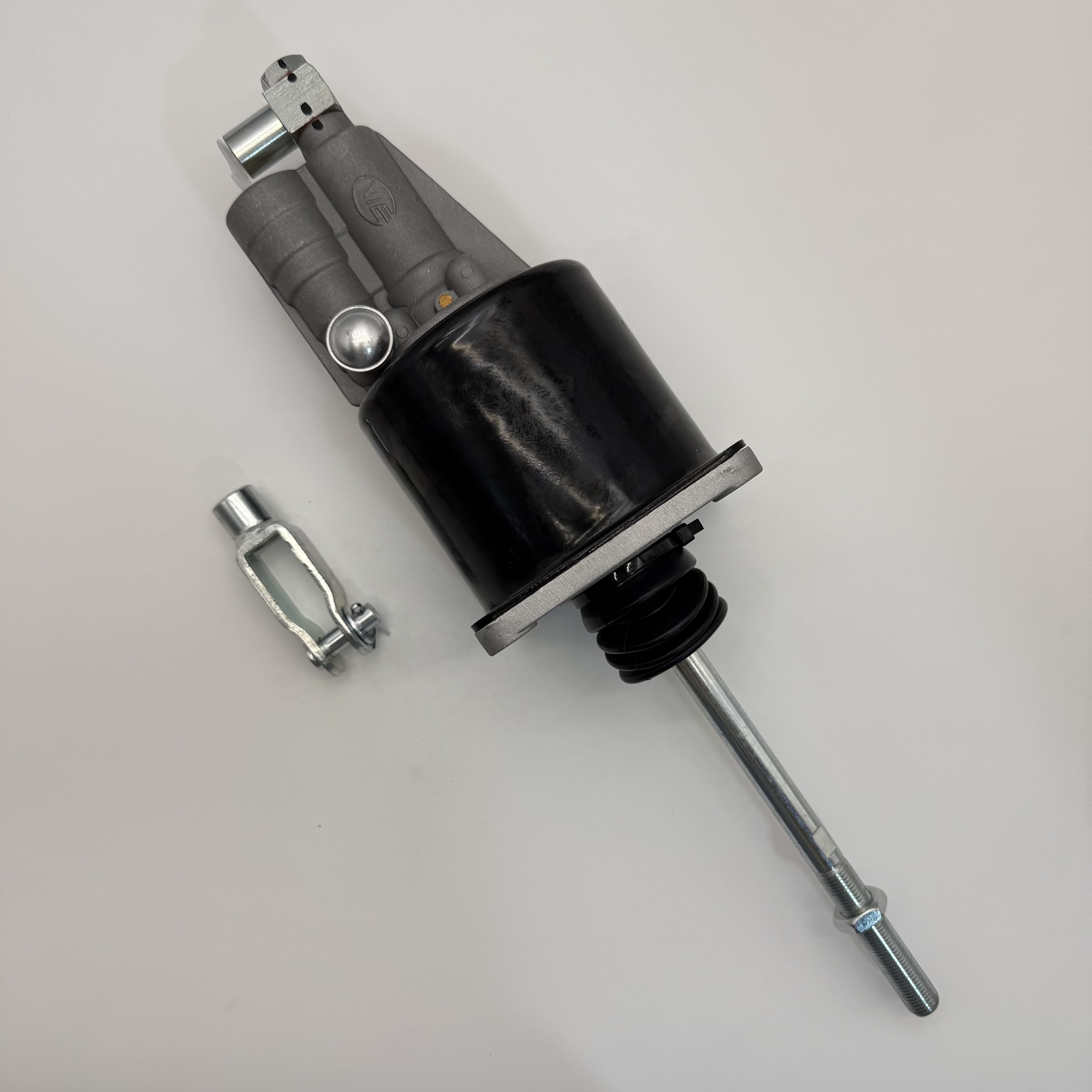
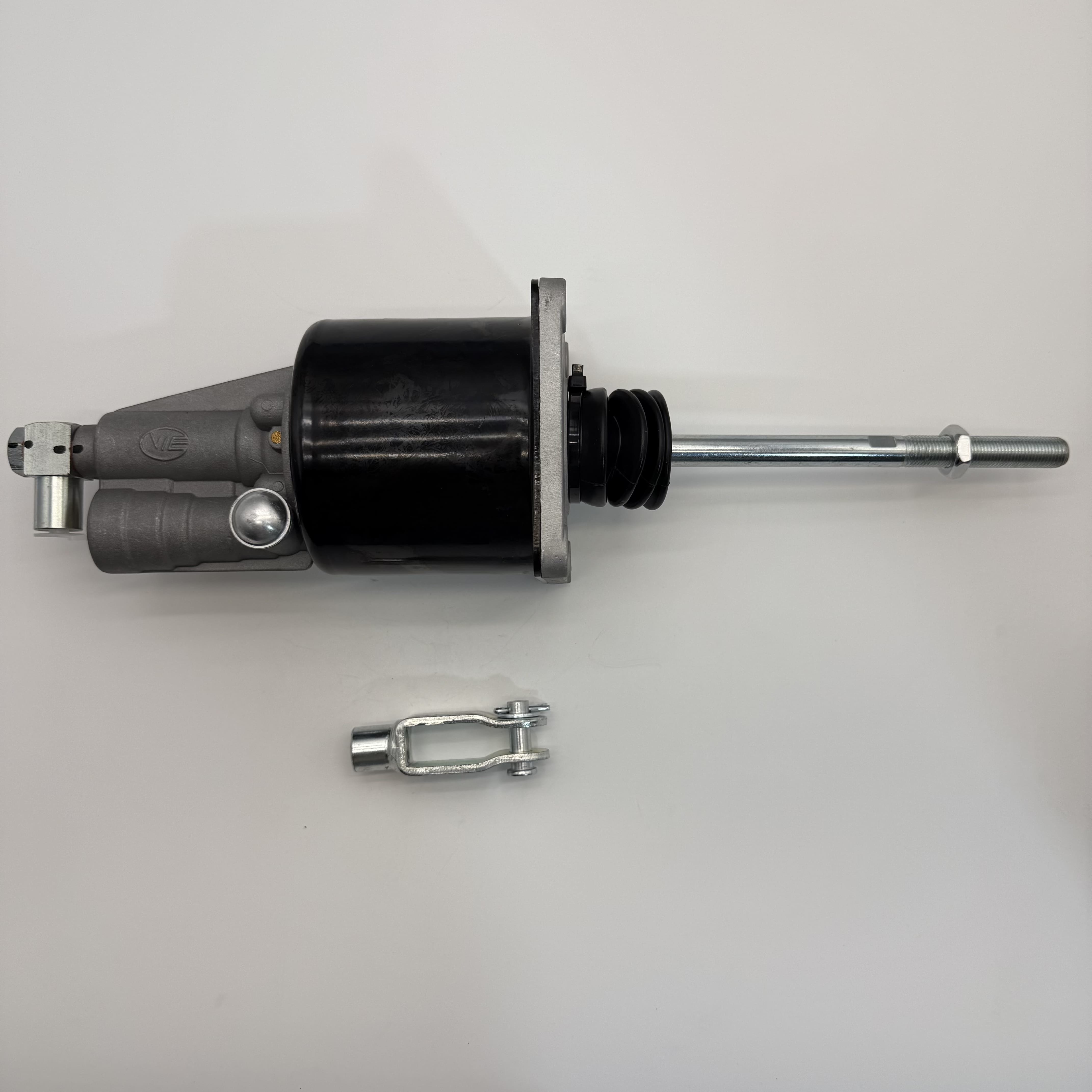
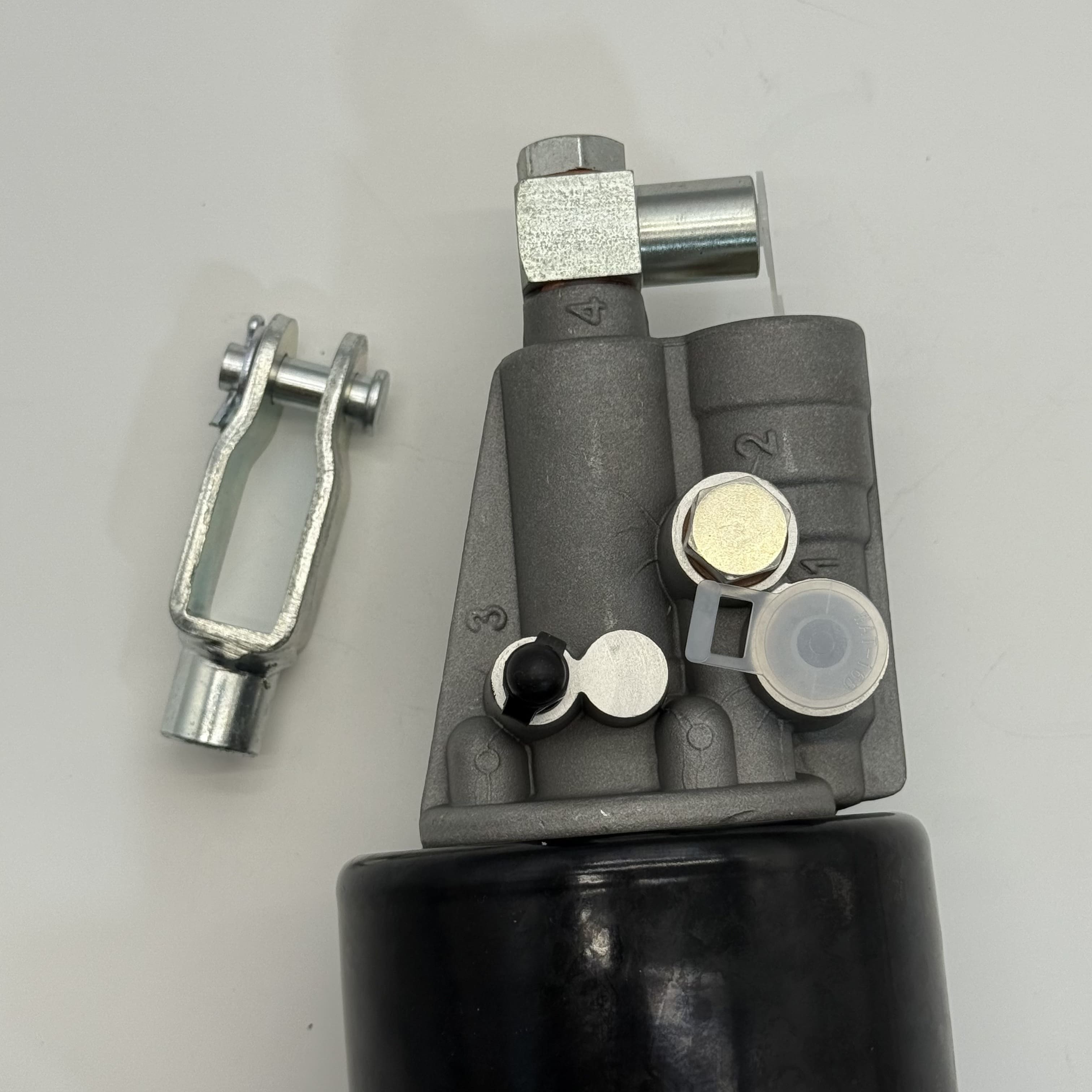
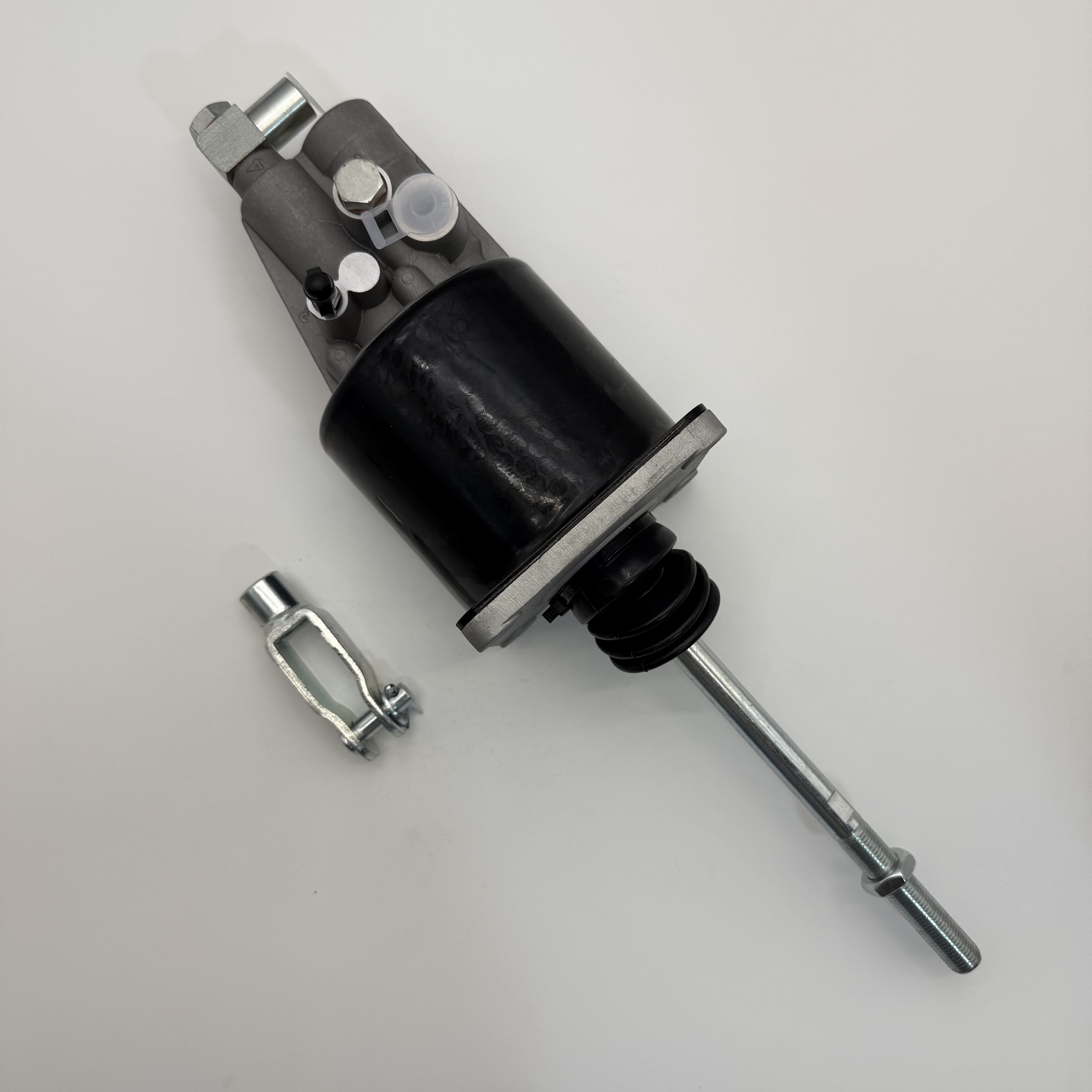
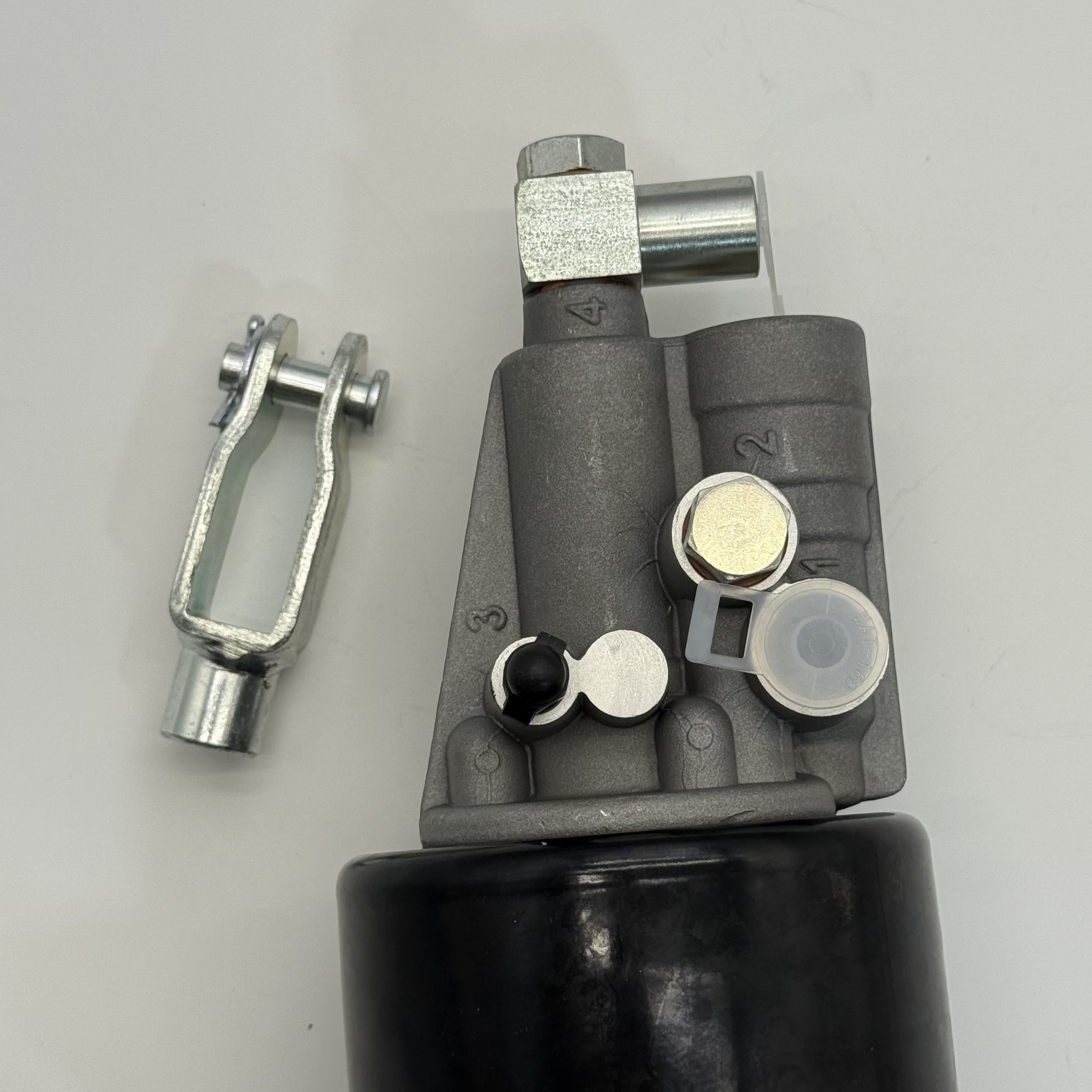
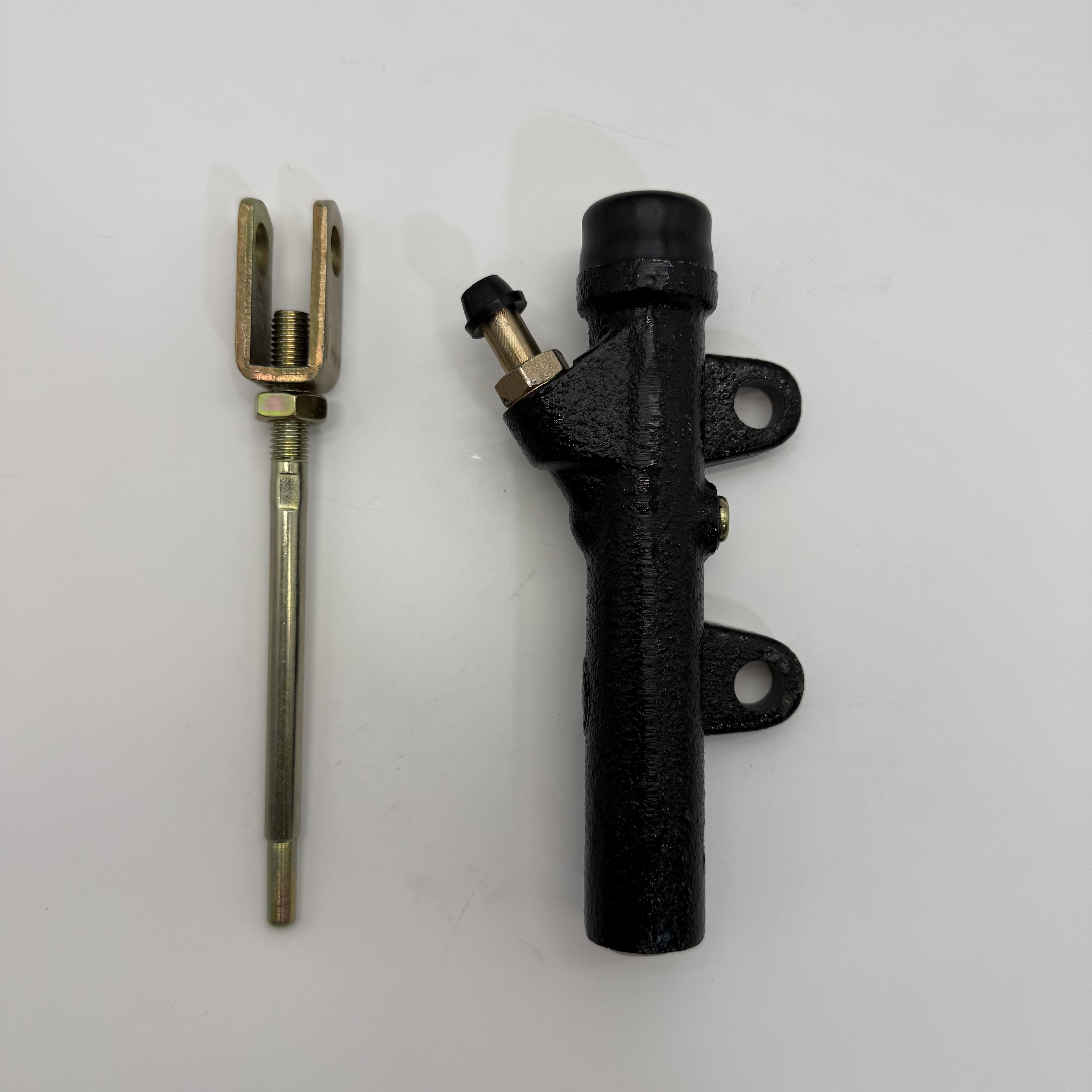
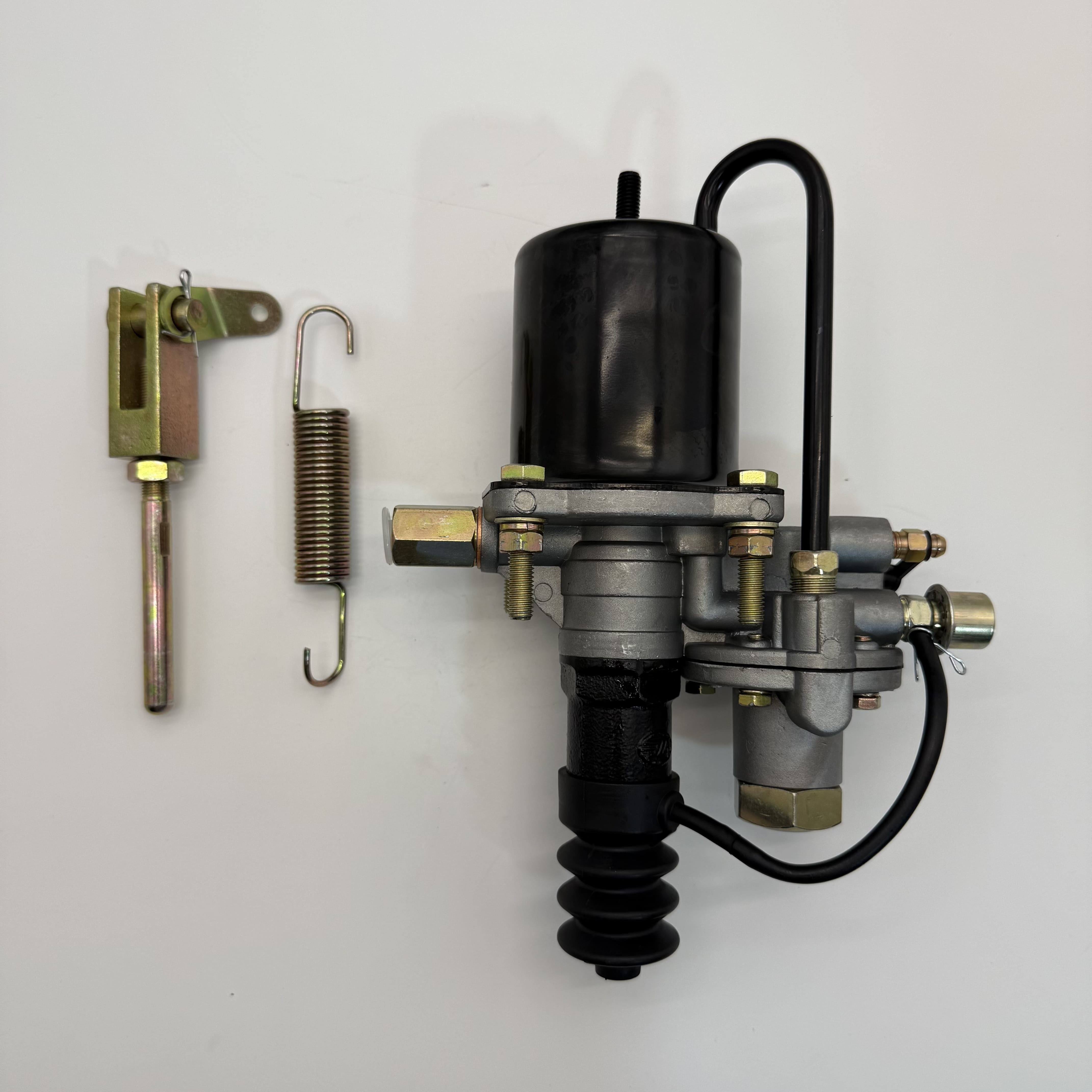
| Product Name | Pneumatic Bus Clutch Booster |
| Brand | VIE |
| Model No. | 1609-10-00020WA |
| Cylinder Bore | 102 mm |
| Working Medium | Compressed Air & Brake Fluid |
| Condition | Brand New, Unused |
| Main Material | High-strength Cast Aluminum Housing, Nitrile Rubber Diaphragm, Alloy Steel Push Rod |
| Applicable Vehicle | Heavy-duty Passenger Bus, City Bus, Tour Coach |
| Core Advantages | Air tightness stable, Low failure rate, Anti-leakage, Smooth clutch operation, Long service life |
| Usage | Vehicle Maintenance & Replacement Spare Parts |
| MOQ (Minimum Order Quantity) | 10 piece |
| Supply Ability | Negotiable, mass supply available |
| Delivery Time | 5 - 8 working days upon receipt of deposit |
| Packaging | Independent neutral carton, inner foam shockproof protection; Outer export carton |
| After-sales Service | Support product quality inspection; Quality warranty within specified period |
| Installation | Direct bolt-on replacement, no modification required |
1. Excellent sealing performance, effectively prevent air leakage and oil leakage under long-term working conditions.
2. Low failure rate and long service life, reduce later maintenance cost.
3. Light clutch operation, greatly improve driving comfort.
4. High overall structural strength, adapt to various complex road working environments.
5. 100% brand new parts with OEM equivalent quality, direct replacement, no modification required.
Ⅳ. Installation Steps
1. Cut off vehicle air supply and release residual pressure inside the clutch pipeline.
2. Remove the old clutch booster and thoroughly clean the installation mounting surface.
3. Align the new clutch booster with mounting holes, tighten fixing bolts evenly.
4. Correctly connect air pipelines and hydraulic oil pipelines.
5. Fill specified brake fluid into the clutch system and fully bleed air from pipelines.
6. Test the flexibility of clutch pedal, inspect all joints for air/oil leakage before formal operation.
Ⅴ. Important Notes
1. Do not force installation or skewed assembly, which will cause permanent damage to internal components.
2. All pipe joints must be fastened tightly to avoid pressure loss.
3. Air bleeding is mandatory after installation; incomplete air exhaust will lead to heavy clutch or incomplete separation.
4. Regularly check sealing condition and brake fluid level during daily use.
5. Do not use inferior brake fluid, inferior fluid will accelerate diaphragm aging and failure.
6. Check push rod stroke after installation to ensure the clutch works within normal range.