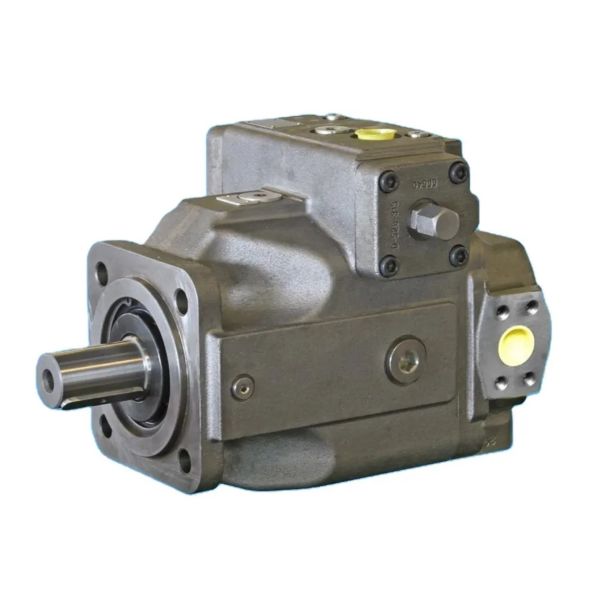
A4VSO40LR2G/10L-PPB25N00 A4VSO40DR/10L-PPB25N00 A4VSO40DR/10L-PPB13N00 German Rexroth hydraulic pump mechanical engineering imported genuine product
| Item | Specification |
| Product Name | A4VSO Hydraulic Pump |
| Model | A4VSO40 Hydraulic Pump |
| Brand Name | Rexroth |
| Max. Horsepower | 2 HP |
| Number of Stages | 1 Stage |
| Operating Pressure | 100 bar |
| Pressure | Other |
| Structure | Other |
| Material | Carbon Steel |
| Application | Construction Machinery |
| MOQ | 1 Piece |
| After-sales Service Provided | Line Support |
| Package | Wooden Case |
| Color | Customer's Request |

| A4VSO500EO1/30L-PPB13N00 |
| A4VSO500LR2/30L-PPB13N00 |
| A4VSO500DRG/30L-PPB13N00 |
| A4VSO500DFR/30L-PPB13N00 |
| A4VSO500LR2G/30L-PPB13N00 |
| A4VSO500DR/30L-PPB13N00 |
| A4VSO355EO2/30L-PPB25N00 |
| A4VSO250DRG/30L-PPB13N00 |
| A4VSO250DFR/30L-PPB25N00 |
| A4VSO250LR2/30L-PPB13N00 |
| A4VSO355LR2G/30L-PPB25N00 |
| A4VSO355DRG/30L-PPB13N00 |
| A4VSO355DR/30L-PPB13N00 |
| A4VSO355DRG/30L-PPB25N00 |
| A4VSO355DR/30L-PPB25N00 |
| A4VSO355LR2/30L-PPB13N00 |
| A4VSO355EO1/30L-PPB13N00 |
| A4VSO355EO2/30L-PPB13N00 |
| A4VSO250DRG/30L-PPB25N00 |
| A4VSO250LR2/30L-PPB25N00 |
| A4VSO250EO1/30L-PPB13N00 |
| A4VSO250EO1/30L-PPB25N00 |
| A4VSO250EO2/30L-PPB13N00 |
| A4VSO250EO2/30L-PPB25N00 |
| A4VSO355LR2G/30L-PPB13N00 |
| A4VSO355DFR/30L-PPB13N00 |
| A4VSO355DFR/30L-PPB25N00 |
| A4VSO500EO2/30L-PPB13N00 |
| A4VSO250DFR/30L-PPB13N00 |
FAQ;
1. Cross-Equipment Collaboration & System Matching
Q1: How to connect the pump to a centralized hydraulic monitoring system (CHMS) for multi-pump fleet management?
A6: CHMS integration enables remote monitoring of multiple pumps (e.g., in a factory with 5+ A4VSO71LR2 units)—steps: ① Data Acquisition: Install a multi-channel sensor hub (Rexroth HUB 800) on each pump to collect pressure (P), temperature (T), flow (Q), and vibration data; use Modbus RTU protocol for data transmission; ②Network Setup: Connect each hub to the CHMS via Ethernet (wired) or 4G (wireless for mobile pumps); assign a unique IP address to each pump for identification; ③ CHMS Configuration: Use software like Rexroth Hydraulic Studio to set up: 1) Dashboard: Real-time display of P, T, Q, and vibration for each pump; 2) Alarm Rules: Trigger alerts for T>90°C, P>380 bar, or vibration>4 mm/s; 3) Maintenance Scheduler: Auto-generate reminders based on operating hours (e.g., oil change at 1000 hours); 4) Fleet Analytics: Compare efficiency across pumps to identify underperforming units; ④ Remote Control (Optional): For fixed pumps, enable remote adjustment of LR2 parameters (e.g., power limit) via CHMS—add a physical emergency stop to override remote commands; ⑤ Data Security: Encrypt data transmission with AES-256 and set role-based access (e.g., technicians can view data but not adjust parameters). This integration reduces fleet maintenance costs by 25% and improves uptime by 18%.
2. Compliance Extension & Sustainable Operation
Q1: How to comply with China’s “Dual Carbon” policy requirements when using this pump in industrial applications?
A7: Align with China’s carbon neutrality goals through energy efficiency and environmental measures: ① Energy-Saving Upgrades: 1) Integrate VFD (as in Q4) to reduce electricity consumption—each 10% reduction in energy use cuts CO₂ emissions by ~80 kg/year per pump; 2) Use load-sensing control to avoid idle energy waste—saves 30-40% energy vs. constant flow operation; ② Fluid Selection: Adopt eco-friendly hydraulic oil (e.g., Rexroth HEES 46) that is biodegradable (90% biodegradation in 28 days) and has a lower carbon footprint (produced from renewable resources); ③ Emission Reduction: For mobile applications (e.g., construction machinery), pair the pump with a Stage IV diesel engine to reduce NOₓ and particulate emissions; ④ Recycling & Reuse: Participate in Rexroth’s pump recycling program—old pumps are disassembled, and 90% of metal components are recycled (reduces embodied carbon by 60% vs. manufacturing new parts); ⑤ Documentation: Keep records of energy consumption and carbon emissions (use China’s national carbon accounting platform) to demonstrate compliance—qualifies for industrial energy-saving subsidies (up to ¥5,000 per pump).