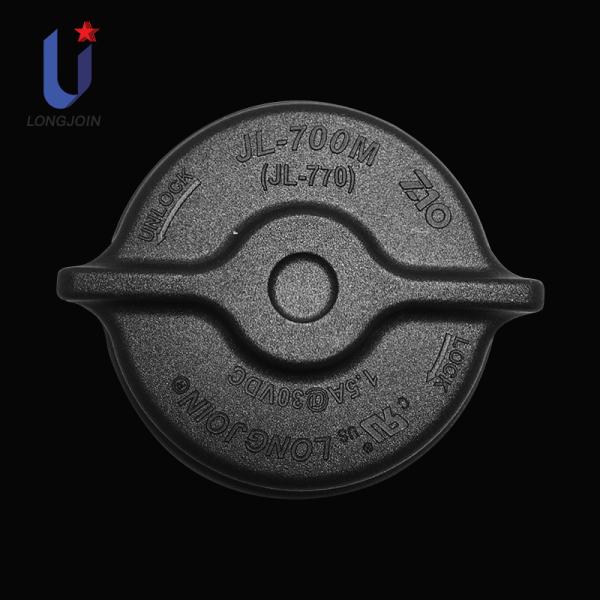
Q1: What is the Z10 Lock ZHAGA Socket with 0-10V dimming, and why is it designed for US road lighting?
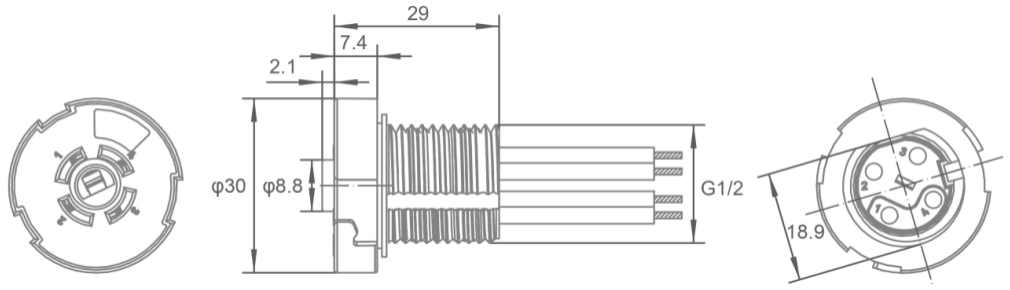
A1: It is a Z10 locking-type standardized ZHAGA interface socket optimized for North American roadway, highway and urban arterial road lighting projects, equipped with dedicated 0-10V analog dimming signal circuits. It complies with US outdoor lighting electrical norms and Z10 Alliance unified interface standards, acting as a compact plug-and-play connection port for road LED streetlights. It integrates low-voltage auxiliary power and analog dimming transmission in one housing, perfectly matching the control logic and energy-saving requirements of American municipal road lighting systems.
Q2: What reliability advantages does the Z10 lock structure bring to road lighting scenarios?
A2: The rotational quarter-turn Z10 locking mechanism delivers rigid anti-loosening connection performance. Road lighting faces continuous vibration from passing vehicles, seasonal thermal expansion and contraction, and strong crosswinds; ordinary snap-fit sockets tend to shift and cause dimming flicker or signal loss. The Z10 lock eliminates loose contact risks, maintains stable 0-10V dimming signal output year-round, and cuts field maintenance trips for highway and street lighting assets.
Q3: How does the built-in 0-10V dimming scheme operate on US road lighting networks?
A3: The independent 0-10V signal channel is compatible with all mainstream US road lighting controllers, photocells and city central management platforms. It supports smooth stepless brightness adjustment from full output down to dim-to-off standby mode, executing scheduled dimming, daylight harvesting and traffic-linked brightness reduction. The circuit is isolated from power pins to avoid signal interference, ensuring consistent light output along long stretches of road infrastructure.
Q4: Is this socket fully compliant with US municipal road lighting project requirements?
A4: Yes. It meets North American outdoor electrical safety codes and Z10 interoperability rules, supporting cross-brand plug-and-play with all Z10-certified road light sensors, wireless control nodes and dimming modules. The IP66 weatherproof housing resists harsh US regional conditions including northern snow, southern high heat and coastal salt spray, meeting the long-term all-weather durability standards for highway and suburban road lighting deployments.
Q5: What core project value does this Z10 lock socket create for US road lighting upgrades and new builds?
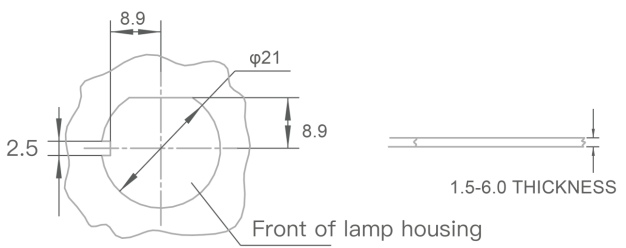
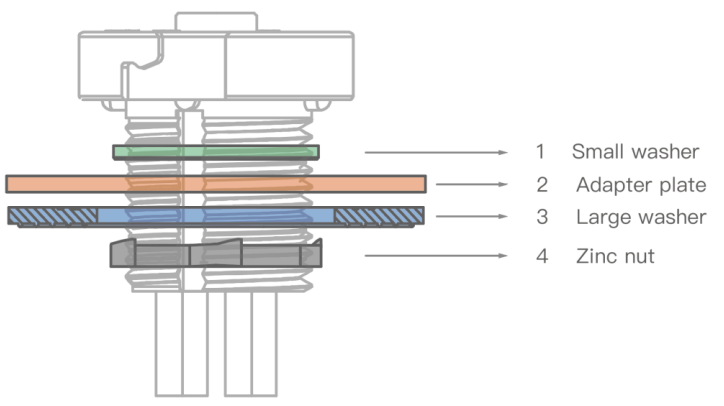
A5: It unifies power supply and 0-10V dimming wiring to simplify luminaire production and on-site road installation, slashing labor costs for municipal contractors. The stable dimming system helps US cities meet national outdoor lighting energy conservation codes and lower public power expenditure. Its standardized Z10 interface allows later addition of motion sensors, traffic monitoring modules and IoT communication units without reworking lamp housings, offering long-term scalable upgrades for smart road infrastructure networks.