Q1: What is the Z10 Lock ZHAGA Socket tailored for US smart city lighting?
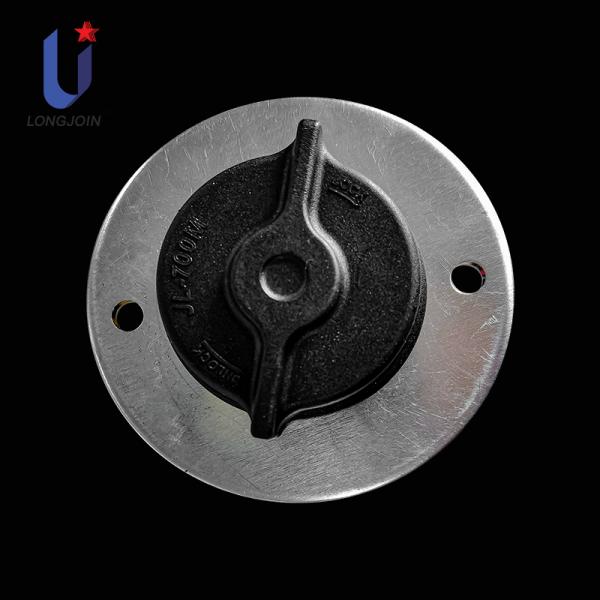
A1: It is a lock-type standardized ZHAGA interface socket designed for North American municipal lighting projects, built with a dedicated 0-10V analog dimming circuit. Following US outdoor electrical safety norms and ZHaga unified interface dimensions, it acts as a core connection component for smart streetlights, roadway LED fixtures and urban IoT lighting infrastructure, realizing power supply and analog dimming signal transmission in one port.
Q2: What benefits does the Z10 lock structure bring to outdoor US urban installations?
A2: The proprietary Z10 locking mechanism creates a tight vibration-resistant connection. It prevents loosening from highway traffic vibration, seasonal thermal expansion and strong wind common across US outdoor environments. Compared with ordinary snap-fit sockets, it delivers consistent contact stability year-round and avoids intermittent dimming failures caused by loose plugs.
Q3: How does the built-in 0-10V dimming scheme work with US smart city lighting systems?
A3: The integrated 0-10V analog dimming channel matches mainstream US lighting control systems. It receives analog dimming commands from street light controllers, photocells and city central management platforms, supporting smooth brightness adjustment from full brightness down to standby dim mode. It works independently alongside standard ZHAGA power circuits without signal interference.
Q4: Is this Z10 Lock ZHAGA Socket compliant with North American municipal project requirements?
A4: Yes. The product meets US outdoor lighting electrical specifications and universal ZHAGA interoperability standards. It supports cross-brand compatibility with all ZHAGA-certified US-market LED luminaires and control modules, and uses weatherproof housing rated for varied US climate zones including hot southern regions, snowy northern areas and coastal humid environments.
Q5: What core value does this socket provide for US smart city infrastructure construction?
A5: It unifies lighting connection and dimming functions to simplify on-site wiring during new city builds and streetlight retrofits. The lock structure cuts long-term maintenance visits for municipal teams, while the 0-10V dimming system helps cities meet energy-saving regulations. Its standardized design also allows easy later upgrades of sensing and communication modules without replacing lamp housings.