I. Core Technical Specifications
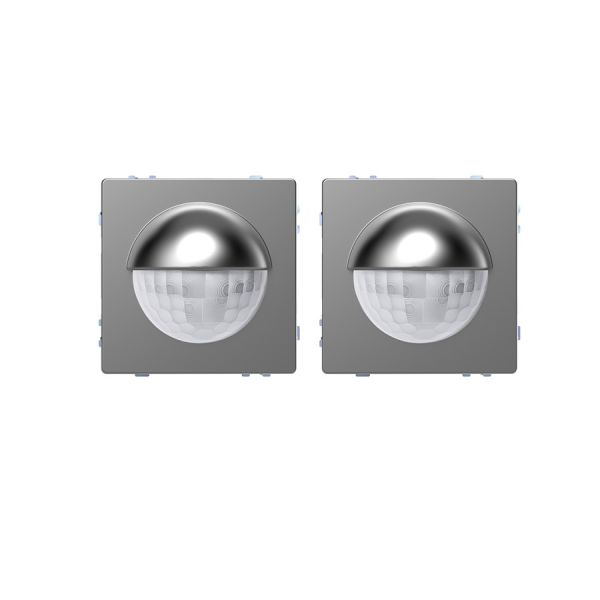
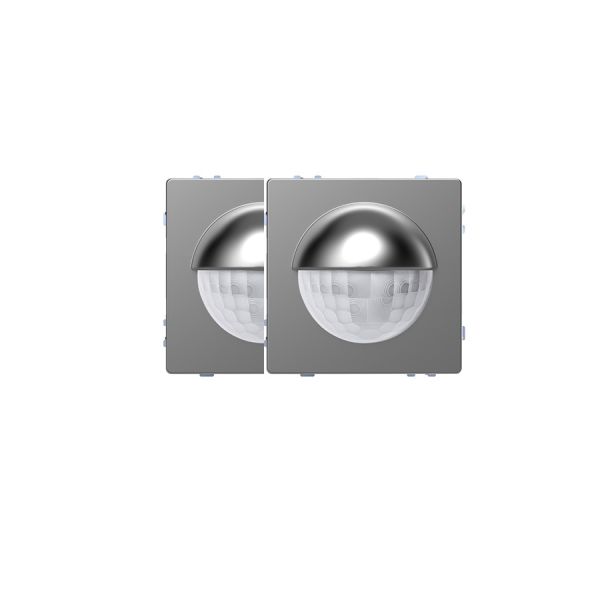
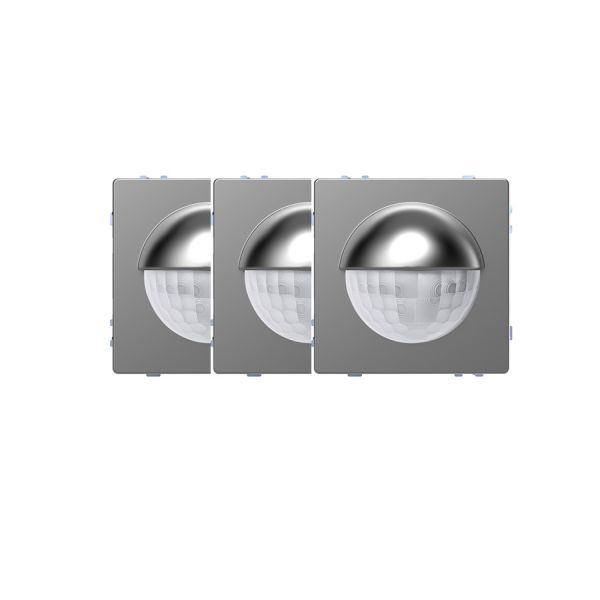
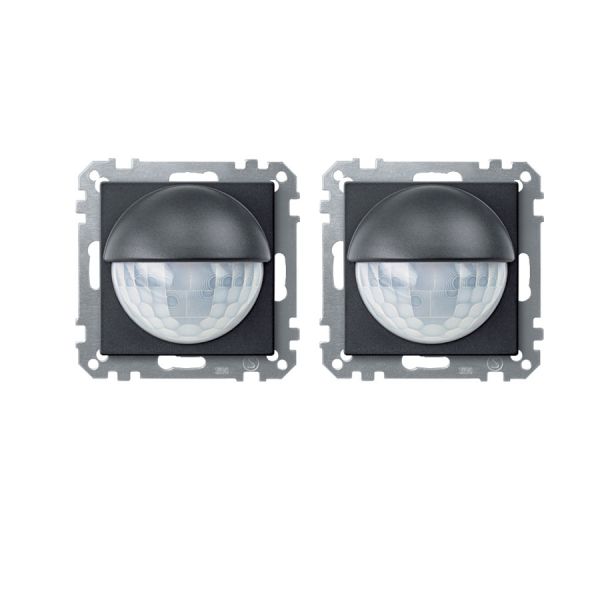
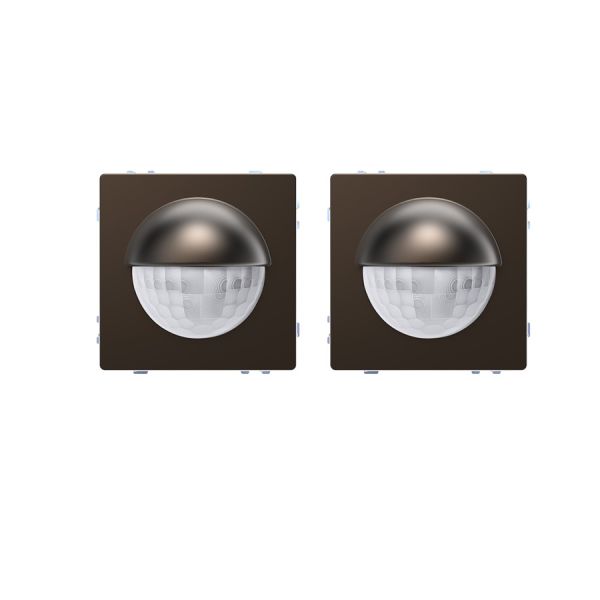
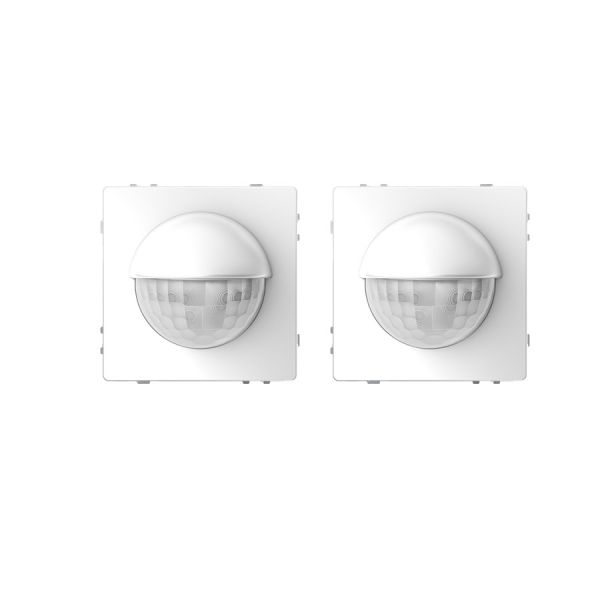
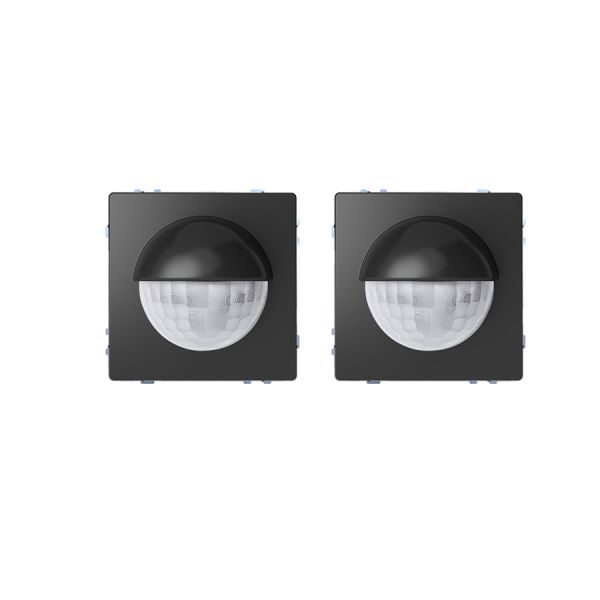
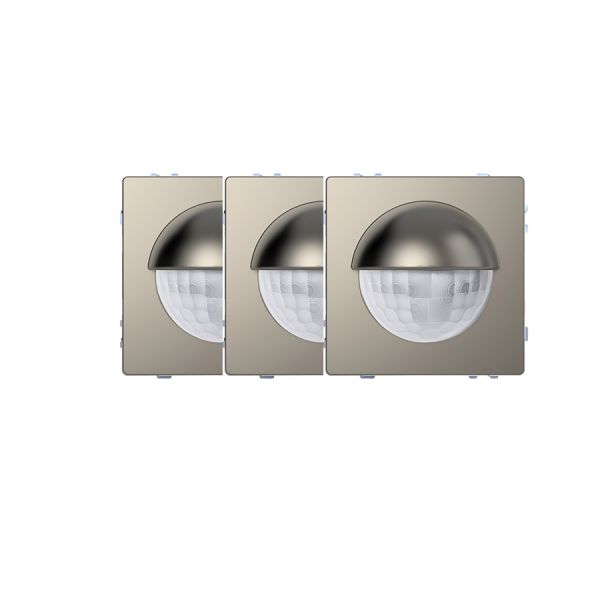
This device is the KNX ARGUS Presence Detection Sensor, featuring the dual functionality of presence detection and ambient light level monitoring. Key technical specifications are as follows:
- Detection Capability: Detects subtle human movements and transmits signals via KNX data telegrams. Supports linkage between presence detection and light level monitoring, automatically turning off artificial lighting when natural light is sufficient. The timeout duration can be flexibly adjusted via ETS software.
- Installation Specifications: Integrated bus coupling unit, compatible with 60-size mounting boxes. Recommended mounting height: 2.2 m (coverage range: 8 m × 12 m, detection angle: 180°). Built-in anti-tamper protection.
- KNX System Functions: Supports 5 sets of event trigger blocks, capable of sending 1-byte / 2-byte KNX telegrams. Features local operation, independently adjustable sensor sensitivity, and self-adjusting start-up time. Supports 2 separately adjustable presence sensors and can be divided into up to 46 detection zones.
- Adjustable Parameters: Timeout can be adjusted via potentiometer (1–8 min) or ETS software (1 s–255 h). Built-in light sensor supports 0–2000 Lux infinitely adjustable dimming, and can also be connected to an external KNX light sensor.
- Compliance & Certifications: Complies with the EU Low Voltage Directive (2006/95/EC) and EMC Directive (2004/108/EC), and is compatible with the KNX building automation system ecosystem.
II. Typical Application Scenarios
Leveraging its core capabilities of presence detection and light level linkage, this sensor is widely used in the following scenarios:
- Intelligent Office Spaces: In open workstations and private offices, it automatically detects human presence to link and control lighting and air conditioning, and cuts power automatically after personnel leave. Combined with light level monitoring, it maximizes the use of natural light and reduces office energy consumption.
- Commercial Retail Environments: In stores and exhibition halls, it triggers zone lighting automatically based on customer traffic flow to enhance product display effectiveness. The light level monitoring function avoids lighting waste when natural light is too strong, and supports automatic energy-saving modes during holidays or closing hours.
- Public Building Areas: In corridors, meeting rooms, and stairwells, it enables automated control of “lights on when occupied, lights off when vacant”. With multi-zone division, it can precisely control local lighting, significantly improving energy efficiency in public areas.
- Education & Healthcare Facilities: In classrooms, laboratories, and consulting rooms, presence detection ensures environmental comfort when personnel are present, while light level monitoring maintains a stable visual environment to enhance learning and diagnosis experiences.