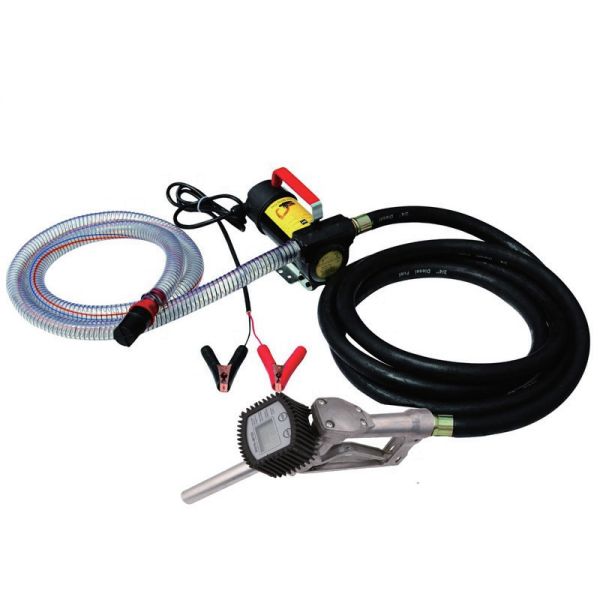
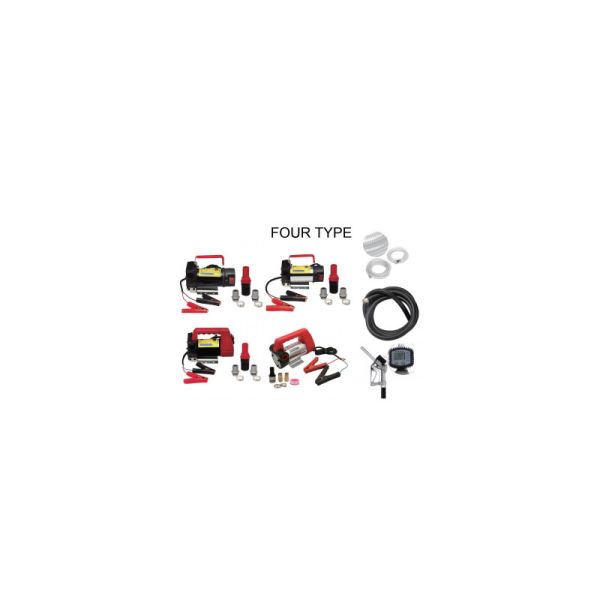
This 12V/24V DC Self-Priming Diesel Electric Fuel Transfer Pump addresses the critical pain points of mobile fueling: "power incompatibility, imprecise fuel measurement, and vulnerability to harsh conditions". With "IP55 protection + cast iron durability + metering nozzle precision" as core strengths, it stands out for agricultural, construction, and fleet fueling tasks, offering key advantages as follows:
- 12V/24V Compatibility: Eliminates the need for multiple pumps by working seamlessly with 12V light vehicle batteries (e.g., vans, small tractors) and 24V heavy machinery batteries (e.g., excavators, large harvesters). This versatility reduces equipment costs for workplaces with mixed fleets.
- IP55 Industrial-Grade Protection: The pump’s IP55 rating shields it from dust, rain, and water jets—essential for outdoor use on farms or construction sites. Unlike lower-rated IP44 pumps that fail in wet/dusty conditions, this design ensures year-round reliability, even in extreme weather.
- Rugged Cast Iron Construction: The cast iron casing and impeller withstand physical impacts (e.g., tool bumps, accidental knocks) and resist corrosion from diesel/kerosene. This build extends the pump’s service life to 8+ years—twice that of plastic or aluminum alternatives that crack or degrade quickly.
- Built-In Safety Mechanisms: The bypass valve prevents pump damage when transferring to high tanks or blocked hoses, while the metering nozzle’s auto-shutoff function stops fuel flow once the tank is full. This not only avoids costly repairs but also reduces fuel waste by 15% compared to manual nozzles.
- Accurate Metering Nozzle: The included metering nozzle provides real-time fuel volume measurement, critical for tracking fuel usage (e.g., billing for fleet refueling or monitoring farm machinery fuel consumption). Its flow control feature also allows precise dispensing for small tanks, preventing spills.
- Ready-to-Use Accessories: The 2m suction hose reaches barrel bottoms, the 4m delivery hose enables remote refueling (e.g., from a drum to a tractor in the field), and the nozzle’s ergonomic design reduces operator fatigue. No extra parts are needed—unbox, assemble, and start transferring fuel immediately.
Scenario Requirement: A commercial farm with 12 tractors (12V, 100L diesel each) and 8 harvesters (24V, 150L diesel each) needs to refuel equipment in the field from 200-gal drums. The farm also needs to track fuel usage per machine for cost accounting.
Operation Process:
- Setup: Deploy 2 pumps (one for 12V tractors, one for 24V harvesters); connect each pump to a respective machine’s battery; attach the 2m suction hose to the diesel drum and the 4m delivery hose to the machine’s fuel tank;
2. Refueling: Use the metering nozzle to transfer fuel—100L for tractors takes ~2 minutes (tracked via the nozzle’s meter), 150L for harvesters takes ~3 minutes; the nozzle auto-shuts off when tanks are full;
3. Efficiency: 20 machines refueled in 40 minutes; IP55 protection handles field dust and occasional rain;
4. Cost Tracking: Record metered fuel volumes per machine to calculate monthly fuel costs.
Effect: Dual voltage fits mixed machinery; metering nozzle enables cost tracking; portability suits field use.
Scenario Requirement: A construction site with 6 excavators (24V, 200L diesel each) and 10 loaders (12V, 80L diesel each) needs to refuel equipment quickly to avoid project delays. The site experiences frequent dust and occasional rain.
Operation Process:
- Setup: Use 3 pumps to handle high demand; connect to 24V excavator batteries and 12V loader batteries; attach hoses to 200-gal drums;
2. Refueling: Transfer 200L to excavators in ~4 minutes, 80L to loaders in ~1.6 minutes; the metering nozzle ensures no overfilling;
3. Durability: Cast iron casing resists impacts from construction tools; IP55 protection prevents dust/water damage;
4. Safety: Bypass valves protect against overpressure when filling excavator tanks (using the 7m lift capacity).
Effect: Fast flow meets project deadlines; rugged build handles site conditions; metering avoids fuel waste.
Scenario Requirement: A delivery company with 15 vans (12V, 60L diesel each) refuels from a 500-gal depot tank. The company needs to track fuel usage per van to optimize routes and reduce costs.
Operation Process:
- Setup: Connect the pump to a van’s 12V battery; lower the 2m suction hose into the 500-gal tank;
2. Refueling: Use the metering nozzle to fill each van’s 60L tank in ~1.2 minutes; record the metered volume for each van;
3. Convenience: The 4m delivery hose reaches van tanks easily; self-priming skips pre-filling;
4. Cost Optimization: Analyze metered data to identify vans with excessive fuel consumption and adjust routes accordingly.
Effect: Metering enables cost tracking; no fixed fuel station required; efficient flow reduces refueling time.
A1: Yes—most metering nozzles have a calibration screw (located near the meter display). To calibrate: 1) Use a known-volume container (e.g., 10L); 2) Dispense fuel into the container and check the nozzle’s reading; 3) Adjust the calibration screw to align the nozzle’s measurement with the container’s actual volume. Repeat until accuracy is within ±0.5L. For precise calibration, contact the manufacturer or a professional service technician.
A2: Gasoline is prohibited for two critical reasons: 1) Fire Risk: Gasoline vapors are highly flammable, and the pump’s electrical components (motor, switch) can generate sparks that ignite vapors—posing a life-threatening hazard. 2) Material Damage: Gasoline degrades the pump’s cast iron seals and hoses over time, causing leaks. For biodiesel blends: The pump works with most B20 (20% biodiesel, 80% diesel) blends, but avoid B50+ (≥50% biodiesel) as high biodiesel concentrations may corrode rubber components. Always test with a small amount of the blend first.
A3: Common causes and solutions: 1) Clogged Nozzle or Filter: Debris in the metering nozzle or external filter restricts flow—disassemble the nozzle and clean the filter screen; 2) Low Battery Voltage: A weak battery (12V <11V, 24V <22V) reduces motor torque—charge or replace the battery; 3) Kinked Hoses: Check the suction/delivery hoses for kinks and straighten them to restore flow. These steps typically resolve 90% of flow rate issues.
A4: Follow these steps to prevent damage: 1) Drain Residual Fuel: Run the pump dry or flush it with a small amount of diesel to remove leftover fuel—this prevents freezing and cracking in cold temperatures; 2) Clean the Nozzle & Hoses: Disassemble the metering nozzle, clean the meter and screen, and rinse the hoses with diesel; 3) Protect Cast Iron Parts: Apply a light coat of anti-rust oil to the cast iron casing and impeller to prevent corrosion; 4) Store Properly: Keep the pump in a dry, ventilated area above 0℃; avoid storing hoses outdoors (frozen hoses become brittle and crack).