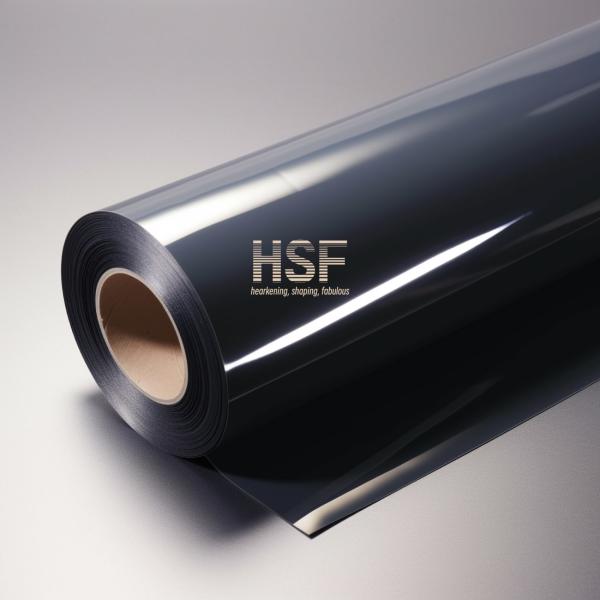
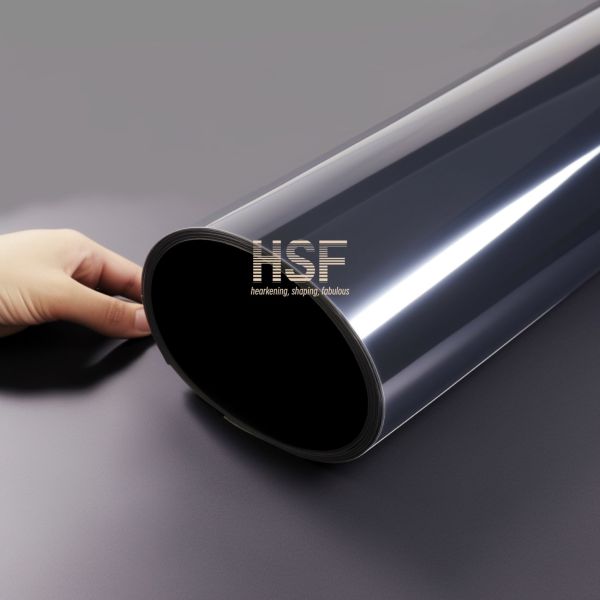
50μm Black Anti Static Film Silicone Coated PET Film 1360mm
50 μm black PET anti static film, available in multiple colors, designed for electronics, medical, automotive, and printing applications.
Technical Specifications
| S/N |
Item |
Value |
Test Method |
| 1 |
Backing Film Type |
Black PET |
DIN EN ISO 10677 |
| 2 |
Release Force (gf/25mm) |
8 |
DIN EN 1464 |
| 3 |
Sub-sequent Adhesion Rate (%) |
89 |
DIN EN 1943 |
| 4 |
Total Thickness (μm) |
50 |
DIN EN ISO 4593 |
| 5 |
Sheet Resistance |
10^6-10^11 Ω/sq |
DIN EN 1149-1 |
| 6 |
Tensile Strength |
MD: 172 N/mm² TD: 192 N/mm² |
DIN EN ISO 527-3 |
| 7 |
Elongation @ break (%) |
MD: 98% TD: 75% |
DIN EN ISO 527-3 |
Industry Applications
PET anti-static coated film is widely used across multiple industries due to its excellent static discharge properties.
Primary Application Areas
- Electronics: Protects sensitive circuits and components from static discharge damage during production
- Medical: Prevents static buildup in medical packaging to maintain product sterility
- Automotive: Provides static discharge protection for automotive parts and components
- Printing: Prevents static electricity buildup during printing processes for better ink adhesion
- Tape Industry: Serves as release liner in adhesive tape manufacturing to prevent static buildup
Specialized Application Scenarios
- Photography and Darkroom Applications: Light-blocking and anti-static layer for photographic films
- Industrial Equipment Protection: Protective shield against static charges for sensitive machinery
- Audiovisual and Home Theater: Light-blocking layer for projector screens enhancing contrast
- Confidential Document Security: Privacy layer for windows and confidential documents
- Architectural and Interior Design: Modern aesthetic application for glass surfaces with glare reduction
Key Features
The primary feature of PET anti-static coated film is its ability to prevent static electricity buildup through conductive coating on one or both sides. This allows charges to dissipate, improving handling, processing, and protection of sensitive components. Available in transparent/translucent and various identification colors including pink, blue, and yellow for quality control purposes.
Manufacturing Process
The coating process involves unwinding PET film and applying antistatic fluid through methods such as gravure, reverse gravure, Mayer rod, or air knife. The coated film then passes through a drying oven to remove solvents before being rewound. Process control is critical for consistent coating thickness and product quality.
Note: Specific suitability for particular applications should be verified based on industry requirements, manufacturer guidelines, and available customization options.