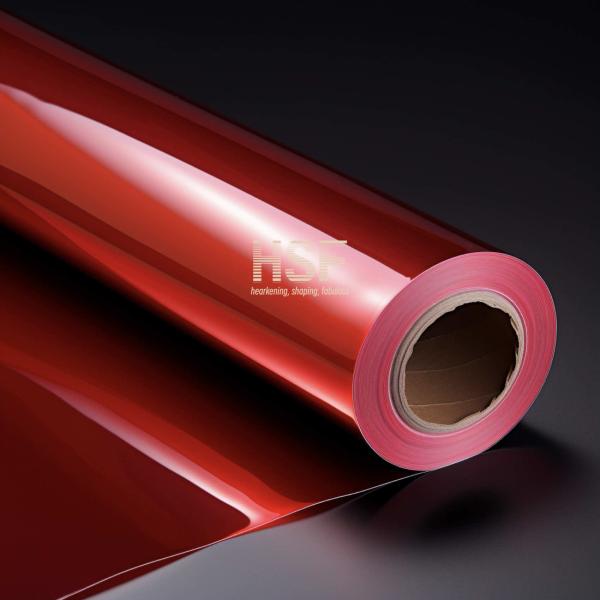
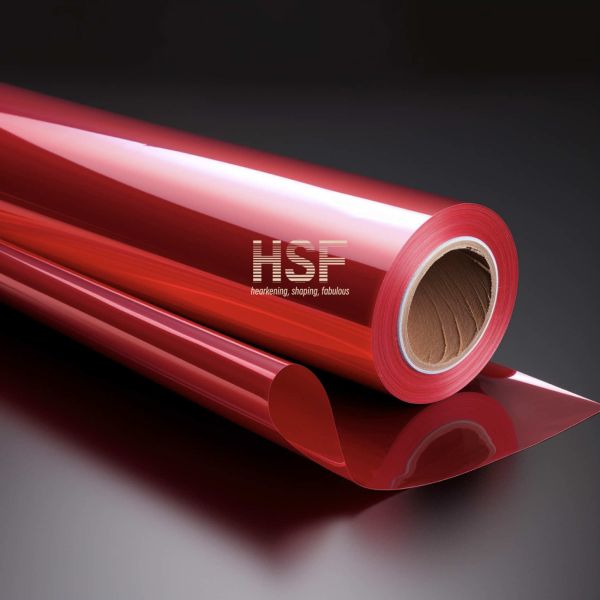
36μm Red Anti-Static PET Film for ESD-Sensitive Product Packaging
36 μm red PET anti-static film, available in multiple colors, designed for electronics, medical, automotive, and printing applications.
Technical Specifications
| Item |
Value |
Test Method |
|
| 1 |
Backing Film Type |
Red PET |
DIN EN ISO 10677 |
| 2 |
Release Force (gf/25mm) |
9 |
DIN EN 1464 |
| 3 |
Sub-sequent Adhesion Rate (%) |
95 |
DIN EN 1943 |
| 4 |
Total Thickness (μm) |
36 |
DIN EN ISO 4593 |
| 5 |
Sheet Resistance |
10^6-10^11 Ω/sq |
DIN EN 1149-1 |
| 6 |
Tensile Strength |
MD: 189 MPa TD: 202 MPa |
DIN EN ISO 527-3 |
| 7 |
Elongation @ break (%) |
MD: 116% TD: 108% |
DIN EN ISO 527-3 |
Application Areas
ESD-Sensitive Product Packaging
Provides protective barrier against electrostatic discharge for electronic components and sensitive materials during storage, transportation, and handling. The vibrant red color offers visual distinction.
Stationery and Craft Applications
Ideal for gift wrapping, scrapbooking, and card making. Anti-static properties reduce dust attraction while the red color adds visual appeal.
Retail Displays and Visual Merchandising
Creates eye-catching window displays, signage, and product presentations. The red color draws attention to displayed items.
Event Decorations and Theming
Enhances party venues, stages, and exhibition booths with festive red ambiance and visual impact.
Fashion and Costume Design
Used for creating unique garments, accessories, and theatrical costumes with bold, striking visual elements.
Key Features
PET anti-static coated film prevents static electricity buildup through conductive coating on one or both sides, allowing charges to dissipate. This improves handling, processing, and protection of sensitive components. While transparent/translucent is common, colors like red, pink, blue, and yellow are available for identification and quality control purposes.
Manufacturing Process
PET film is unwound and passed through a coating applicator using gravure, reverse gravure, Mayer rod, or air knife methods. The antistatic fluid is applied to the film surface, then dried in an oven to remove solvents before rewinding. Process effectiveness depends on antistatic fluid type and compatibility with PET film, requiring careful control for consistent coating thickness and quality.
Please note: Suitability for specific applications should be verified based on industry requirements, manufacturer guidelines, and available customization options.