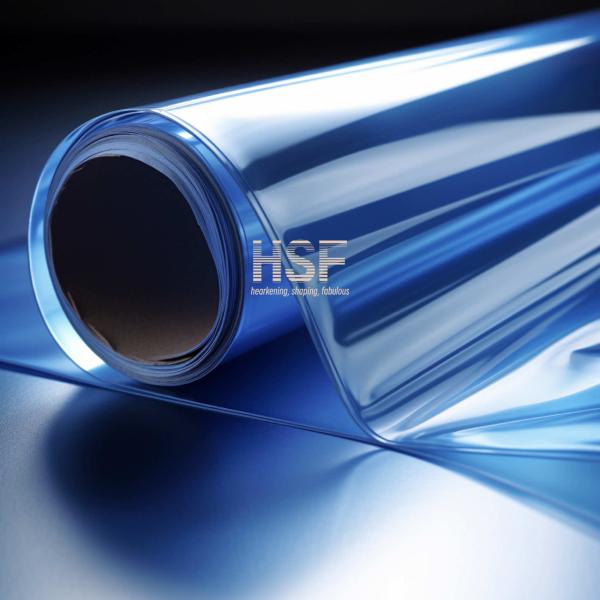
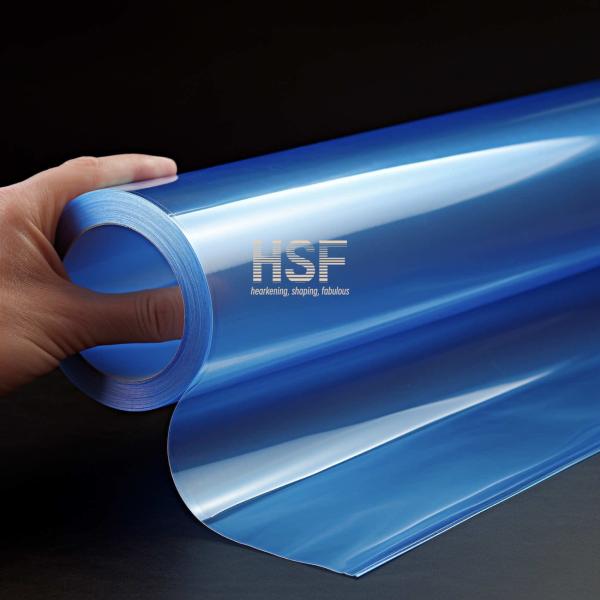
36μm Blue PET Anti-Static Protective Film for Medical Device Packaging
36 μm blue PET anti-static film, available in multiple colors, designed for electronics, medical, automotive, and printing applications.
Technical Specifications
| S/N |
Item |
Value |
Test Method |
| 1 |
Backing Film Type |
Blue PET |
DIN EN ISO 10677 |
| 2 |
Release Force (gf/25mm) |
8 |
DIN EN 1464 |
| 3 |
Subsequent Adhesion Rate (%) |
89 |
DIN EN 1943 |
| 4 |
Total Thickness (μm) |
36 |
DIN EN ISO 4593 |
| 5 |
Sheet Resistance |
10^6-10^11 Ω/sq |
DIN EN 1149-1 |
| 6 |
Tensile Strength |
MD: 191 MPa TD: 202 MPa |
DIN EN ISO 527-3 |
| 7 |
Elongation @ Break (%) |
MD: 114% TD: 103% |
DIN EN ISO 527-3 |
Application Areas
- Semiconductor Manufacturing: Protects sensitive components during fabrication, assembly, and transportation with easy blue color identification for efficient workflows.
- ESD-Safe Workstations: Provides static-free work surface covering for electronics repair and assembly, ensuring controlled ESD-safe environments.
- Automotive Electronics: Shields electronic control units, wiring harnesses, and dashboard displays from static-related damage with color-coded identification.
- Medical Device Packaging: Protects static-sensitive medical equipment and devices while enabling easy inventory management through color recognition.
- Art Conservation: Safeguards delicate artworks and artifacts from static-related dust attraction and surface disruptions.
Note: Suitability for specific applications should be verified based on industry requirements and manufacturer guidelines.
Key Features
PET anti-static coated film prevents static electricity buildup through conductive coating on one or both sides, allowing charges to dissipate effectively.
This results in improved handling, processing, and protection of sensitive components and products. While transparent or translucent films are common, colors like pink, blue, and yellow are available for identification and quality control purposes.
Manufacturing Process
The coating process involves unwinding PET film and applying antistatic fluid through gravure, reverse gravure, Mayer rod, or air knife methods, followed by drying oven solvent removal and rewinding.
Process effectiveness depends on antistatic fluid type and PET film compatibility, with careful control required for consistent coating thickness and defect-free final products.
Product Images