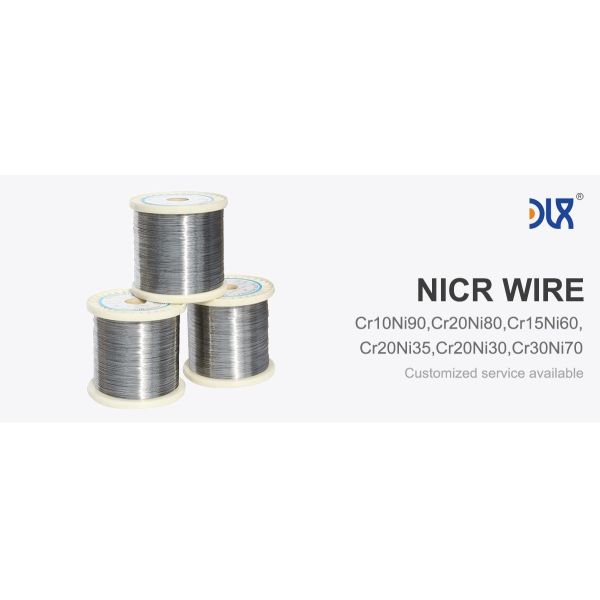
Hydrogen is emerging as a critical component in the global energy transition, offering a clean and sustainable alternative to traditional fuels. With growing emphasis on green hydrogen production, electrolysis has become a cornerstone technology for generating hydrogen from water using electrical energy. However, the efficiency and longevity of electrolysis systems depend largely on the materials used in the electrodes, where Cr30Ni70 Wire (a high-performance alloy composed of 30% chromium and 70% nickel) is rapidly becoming the material of choice for high-efficiency hydrogen generation.
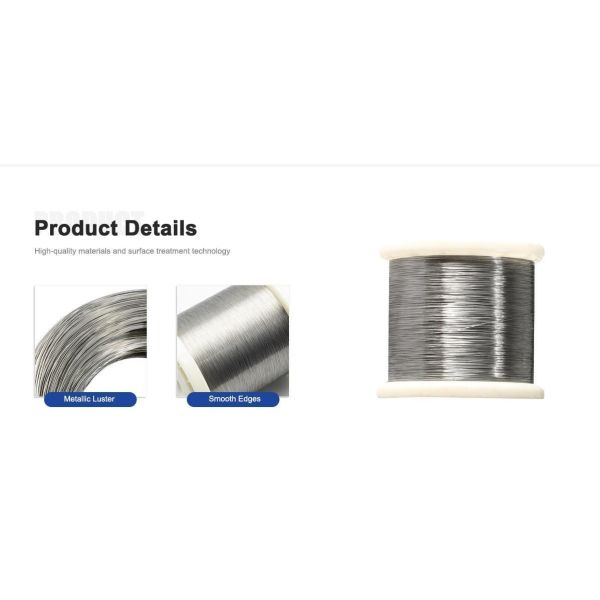
At DLX, we offer premium Cr30Ni70 Wire engineered to optimize the performance of electrolysis systems, particularly for large-scale hydrogen generation applications. With exceptional corrosion resistance, thermal stability, and electrical conductivity, our wire is designed to ensure high performance and long-term reliability, making it the ideal choice for industries involved in hydrogen production.
Cr30Ni70 Wire is a specialized alloy wire made from 30% chromium and 70% nickel, known for its superior properties in high-temperature and high-stress environments. This wire is widely used as an electrode material in both alkaline electrolysis and PEM (Proton Exchange Membrane) electrolysis systems, where it plays a crucial role in splitting water molecules into hydrogen and oxygen.
In the context of hydrogen generation, Cr30Ni70 Wire helps improve the electrolysis process efficiency by reducing energy losses and enhancing system durability. Its ability to withstand extreme temperatures, resist corrosion, and deliver consistent electrical conductivity makes it an essential material for both small-scale research setups and large industrial-scale electrolysis systems.
| Performance material | Cr10Ni90 | Cr20Ni80 | Cr30Ni70 | Cr15Ni60 | Cr20Ni35 | Cr20Ni30 | |
| Composition | Ni | 90 | Rest | Rest | 55.0~61.0 | 34.0~37.0 | 30.0~34.0 |
| Cr | 10 | 20.0~23.0 | 28.0~31.0 | 15.0~18.0 | 18.0~21.0 | 18.0~21.0 | |
| Fe | ≤1.0 | ≤1.0 | Rest | Rest | Rest | ||
| Maximum temperature℃ | 1300 | 1200 | 1250 | 1150 | 1100 | 1100 | |
| Meltiing point ℃ | 1400 | 1400 | 1380 | 1390 | 1390 | 1390 | |
| Density g/cm3 | 8.7 | 8.4 | 8.1 | 8.2 | 7.9 | 7.9 | |
| Resistivity(μΩ·m,20℃) | 1.09±0.05 | 1.18±0.05 | 1.12±0.05 | 1.00±0.05 | 1.04±0.05 | ||
| Elongation at rupture | ≥20 | ≥20 | ≥20 | ≥20 | ≥20 | ≥20 | |
| Specific heat(J/g.℃) | 0.44 | 0.44 | 0.44 | 0.44 | 0.44 | 0.44 | |
| Thermal conductivity(KJ/m.h℃) | 60.3 | 45.2 | 45.2 | 43.8 | 43.8 | ||
| Coefficient of lines expansion 19 (20~1000℃) | 18 | 17 | 17 | 19 | 19 | ||
| Micrographic structure | Austenite | Austenite | Austenite | Austenite | Austenite | ||
| Magnetic properties | onmagnetic | onmagnetic | onmagnetic | onmagnetic | onmagnetic | ||
Superior Corrosion Resistance
Cr30Ni70 Wire’s high chromium content gives it an outstanding resistance to corrosion, even in aggressive electrolytic environments. This makes it suitable for both alkaline and PEM electrolysis systems, where the wire is exposed to harsh conditions for extended periods. The wire’s ability to resist corrosion ensures a longer lifespan for the electrolysis system, reducing maintenance and replacement costs.
High Temperature Tolerance
The melting point of Cr30Ni70 Wire is an impressive 1400°C, which allows it to perform reliably in high-temperature electrolysis systems. Whether operating in a small-scale laboratory or a large industrial electrolysis setup, the wire can withstand the elevated temperatures typical of these environments without losing its structural integrity.
Efficient Electrical Conductivity
Cr30Ni70 Wire is an excellent conductor of electricity, allowing electrical current to pass through with minimal resistance. This efficiency reduces energy losses during the electrolysis process, improving the overall efficiency of the hydrogen generation system and minimizing operating costs. The wire ensures that more of the input energy is converted into usable hydrogen, boosting productivity.
Mechanical Strength and Durability
With a tensile strength of 800 MPa, Cr30Ni70 Wire can withstand mechanical stress, vibrations, and pressure commonly encountered in electrolysis systems. This durability makes it an ideal material for large-scale operations where reliability and performance are crucial.
Cost-Effective Hydrogen Production
By improving the efficiency of the electrolysis system and reducing the need for frequent maintenance or replacement, Cr30Ni70 Wire helps reduce operational costs. This makes it a cost-effective material for both large industrial systems and research applications.


DLX’s Cr30Ni70 Wire is designed with the highest standards of quality, ensuring that your electrolysis systems perform at their best. Here’s why our wire stands out in the market:
Top-Quality Performance
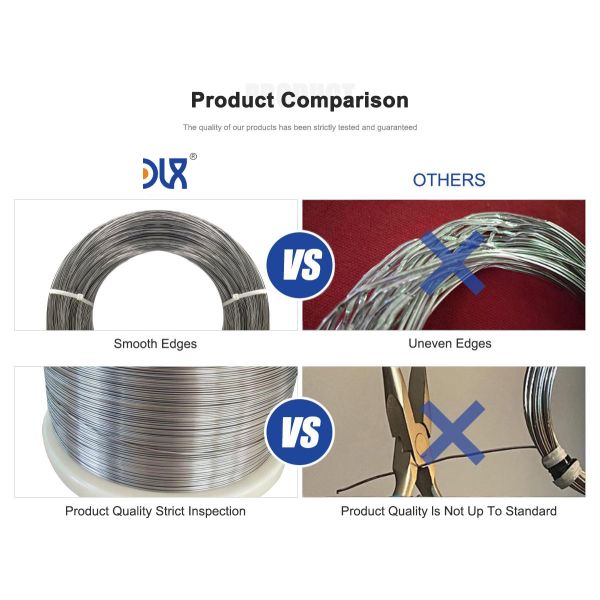
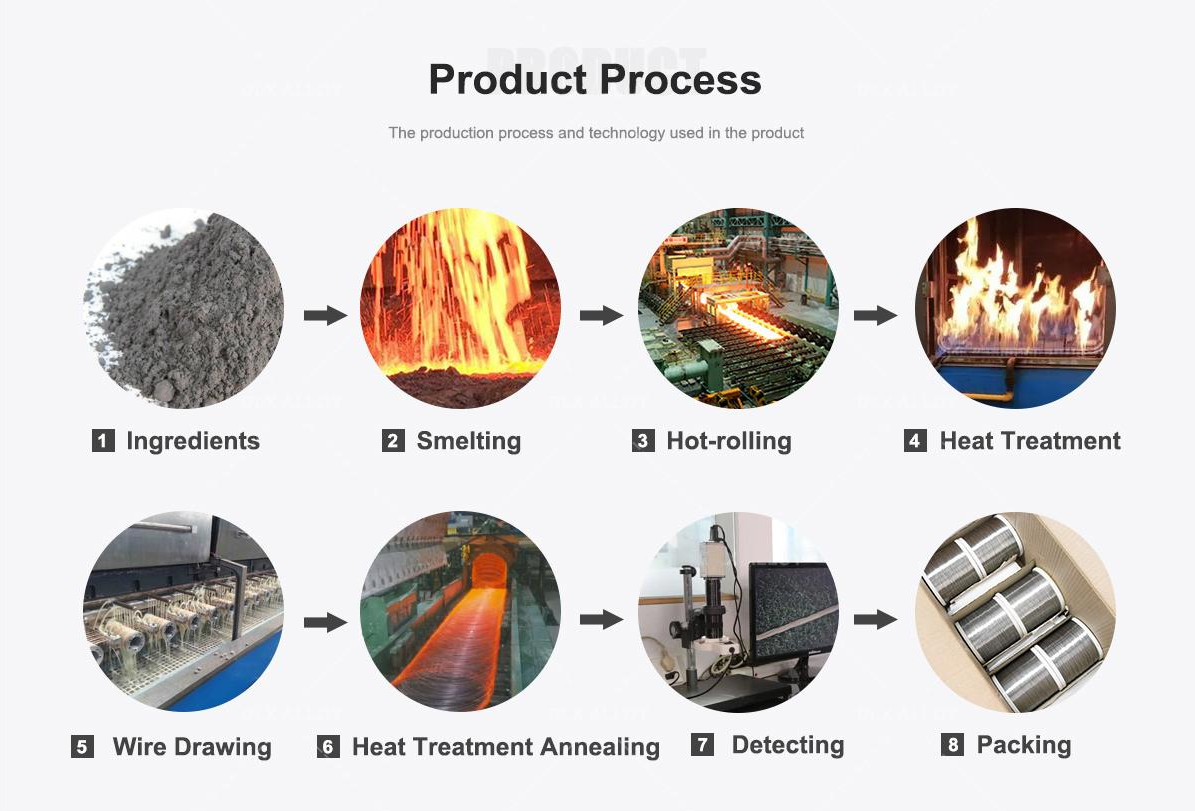
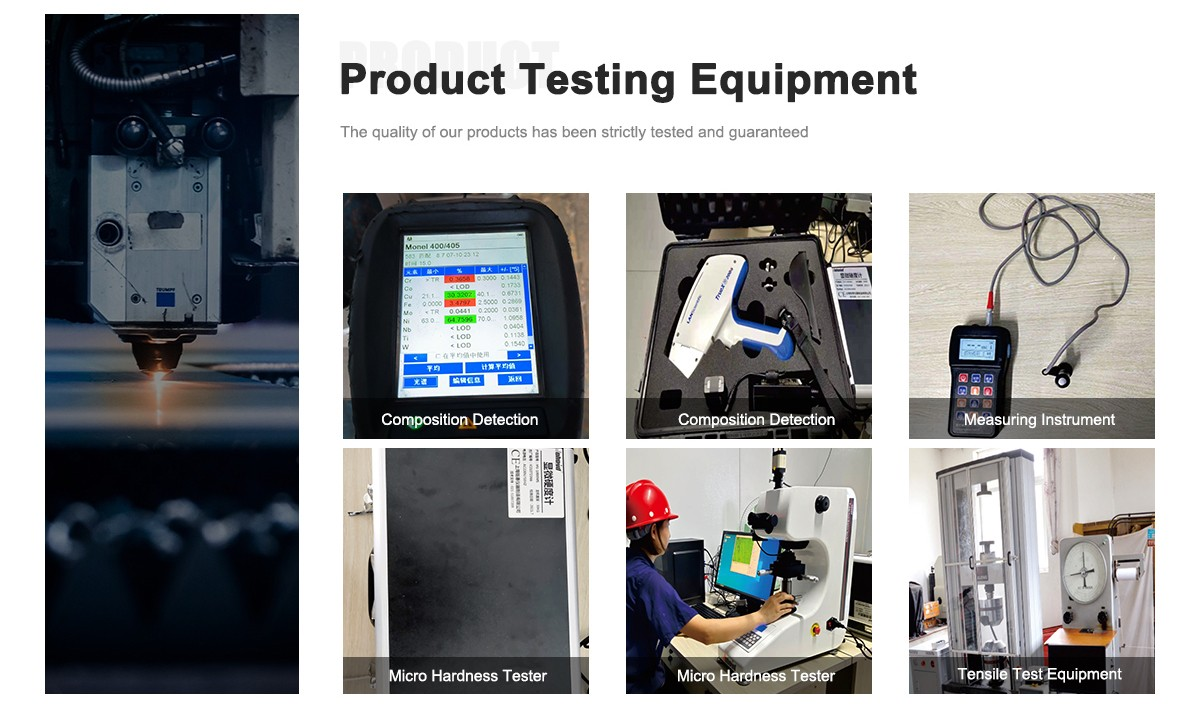
Our Cr30Ni70 Wire undergoes rigorous testing to ensure its corrosion resistance, electrical conductivity, and mechanical strength meet the highest industry standards. We ensure each batch delivers optimal performance for hydrogen generation systems.
Customizable Options
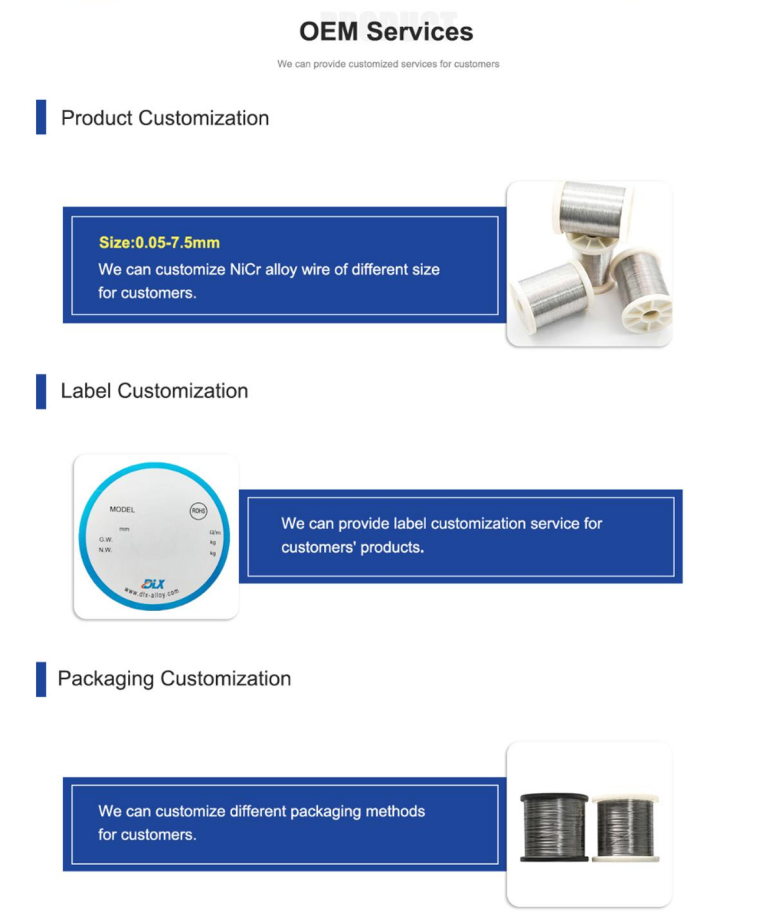
Whether you need a specific wire diameter, length, or coating, DLX offers customizable wire solutions to suit your specific electrolysis system. This flexibility ensures the wire fits perfectly into your system for maximum efficiency.
Affordable and Competitive Pricing
DLX’s Cr30Ni70 Wire is priced to offer exceptional value. We provide high-performance wire at a competitive price point, helping you achieve cost-effective hydrogen production without compromising on quality.
Expert Support and Service
Our team of technical experts is available to help you choose the right wire specifications for your hydrogen generation system. We offer technical support throughout the entire process, from product selection to installation, ensuring the best possible outcome for your system.
On-Time Delivery
At DLX, we understand the importance of project timelines. We pride ourselves on on-time delivery, ensuring that you have the materials you need to keep your hydrogen production systems running smoothly without delays.
The global push towards clean energy and decarbonization is driving the rapid growth of the green hydrogen market. Hydrogen, produced through electrolysis powered by renewable energy sources such as solar, wind, and hydropower, has the potential to decarbonize multiple sectors, including transportation, heavy industry, and power generation.
As governments and industries increase their investments in hydrogen technologies, the demand for efficient electrolysis systems will continue to grow. Cr30Ni70 Wire’s excellent properties are aligned with these industry needs, helping to facilitate the development of reliable, cost-effective hydrogen generation systems that can meet the demands of a sustainable energy future.
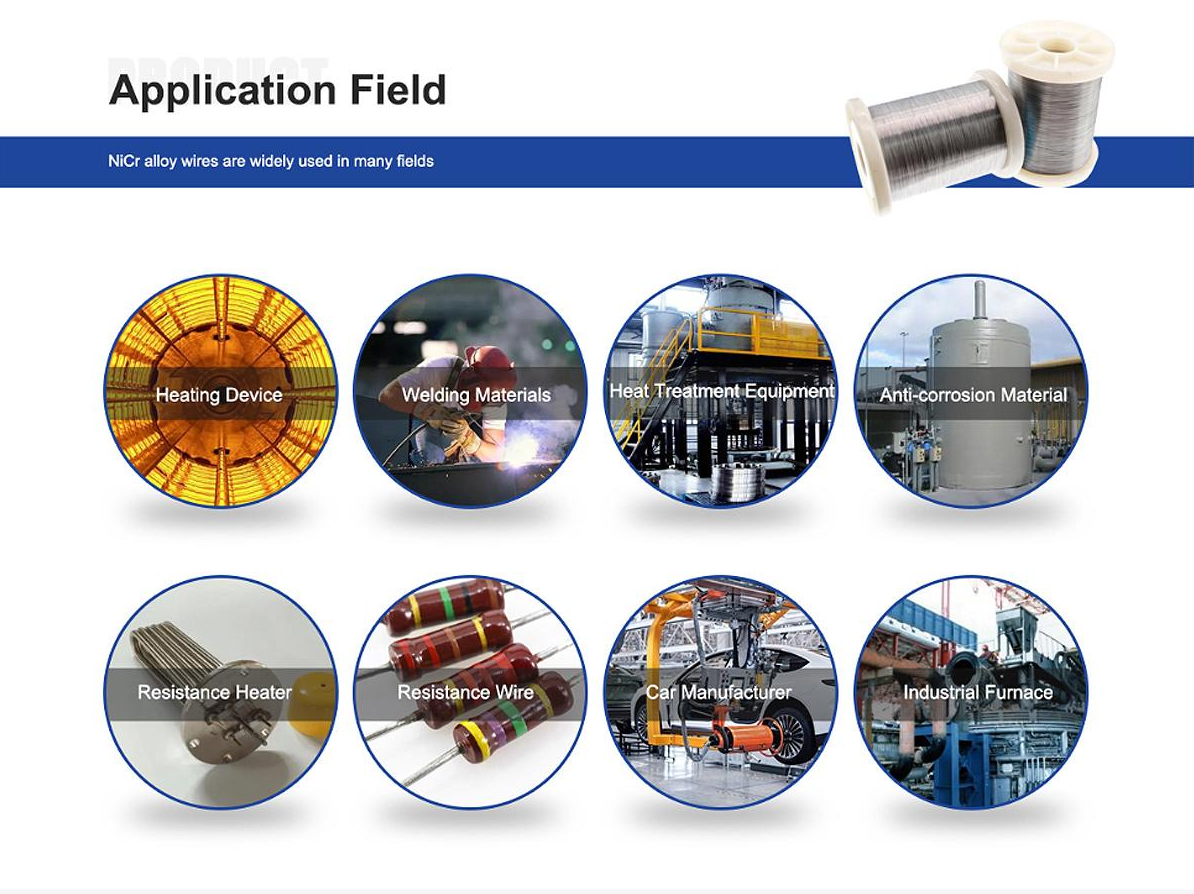
Industrial-Scale Electrolyzers
Cr30Ni70 Wire is widely used in large-scale industrial electrolysis systems to produce hydrogen. Its high-temperature tolerance, corrosion resistance, and excellent electrical conductivity make it ideal for industrial hydrogen production.
Renewable Energy-Powered Electrolysis
As renewable energy sources like wind and solar continue to grow, Cr30Ni70 Wire is increasingly used in electrolysis systems powered by renewable energy to produce green hydrogen. This makes it an essential material for the sustainable hydrogen economy.
Hydrogen Fuel Cells
Cr30Ni70 Wire is also used in hydrogen fuel cells, which convert hydrogen into electricity in a clean and efficient manner. The wire’s electrical conductivity ensures high performance and efficiency in fuel cell systems.
Energy Storage Systems
Hydrogen produced via electrolysis is an essential part of energy storage systems, which can store excess renewable energy and release it when needed. Cr30Ni70 Wire plays a key role in optimizing the efficiency of these electrolysis systems.
Research and Development
In laboratory settings, Cr30Ni70 Wire is used in experimental electrolysis systems to test new technologies and improve hydrogen production methods. Its reliability and performance make it ideal for research projects.


DLX’s Cr30Ni70 Wire is engineered to ensure your electrolysis systems operate at peak efficiency, maximizing hydrogen production while minimizing costs. Our wire’s superior corrosion resistance, high-temperature stability, and electrical conductivity make it the best choice for large-scale industrial applications and cutting-edge research projects alike.


What is Cr30Ni70 Wire?
Cr30Ni70 Wire is an alloy made from 30% chromium and 70% nickel, specifically designed for use in electrolysis systems for hydrogen production. It offers superior corrosion resistance, electrical conductivity, and high-temperature tolerance.
Why is Cr30Ni70 Wire ideal for electrolysis systems?
Cr30Ni70 Wire’s excellent corrosion resistance, ability to withstand high temperatures, and high conductivity make it perfect for electrolysis systems. It helps improve system efficiency and reduces operational costs.
Can DLX customize the wire for my electrolysis system?
Yes, DLX offers customizable wire diameters, lengths, and other specifications to suit your specific electrolysis system requirements.
How does Cr30Ni70 Wire improve electrolysis efficiency?
The wire’s high conductivity reduces energy loss during electrolysis, which enhances system efficiency and helps lower energy costs.
Is Cr30Ni70 Wire suitable for both alkaline and PEM electrolysis?
Yes, Cr30Ni70 Wire is compatible with both alkaline and PEM electrolysis systems, making it versatile for various types of hydrogen production technologies.
What are the temperature limits of Cr30Ni70 Wire?
Cr30Ni70 Wire can operate at temperatures as high as 1400°C, making it suitable for high-temperature electrolysis systems.
How long does Cr30Ni70 Wire last in electrolysis applications?
Thanks to its corrosion resistance and high mechanical strength, Cr30Ni70 Wire has a long service life, requiring less maintenance and fewer replacements.
What are the advantages of choosing DLX’s Cr30Ni70 Wire?
DLX’s Cr30Ni70 Wire offers premium quality, customizability, competitive pricing, and expert technical support, ensuring your hydrogen production system operates at its best.