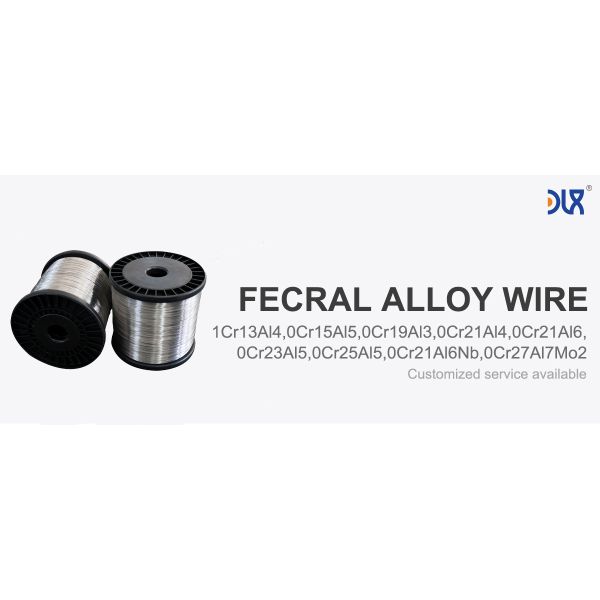
As the demand for green hydrogen increases, so does the need for high-performance materials capable of enduring the extreme conditions within electrolysis systems. The 0Cr15Al5 FeCrAl Alloy Wire stands out as a superior choice for electrolysis hydrogen production. Designed for high durability and resistance to corrosion, the FeCrAl Alloy Wire is engineered to perform reliably in harsh environments, ensuring high efficiency and longevity in hydrogen production applications.
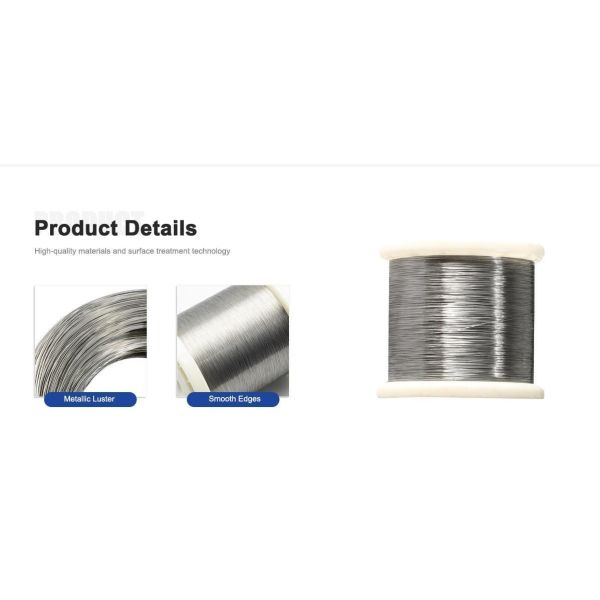
The 0Cr15Al5 FeCrAl Alloy Wire is composed of a carefully balanced mix of iron, chromium, and aluminum, providing enhanced strength, corrosion resistance, and thermal stability. This alloy wire is widely used in electrolysis systems, particularly in the production of green hydrogen, due to its ability to withstand the high temperatures and aggressive electrolytes typically found in electrolysis environments.
| Alloy Nomenclature Performance | 1Cr13Al4 | 0Cr25Al5 | 0Cr21Al6 | 0Cr23Al5 | 0Cr21Al4 | 0Cr21Al6Nb | 0Cr27Al7Mo2 | |
|---|---|---|---|---|---|---|---|---|
| Chemical Compostion (%) | Cr | 12.0-15.0 | 23.0-26.0 | 19.0-22.0 | 20.5-23.5 | 18.0-21.0 | 21.0-23.0 | 26.5-27.8 |
| Al | 4.0-6.0 | 4.5-6.5 | 5.0-7.0 | 4.2-5.3 | 3.0-4.2 | 5.0-7.0 | 6.0-7.0 | |
| Re | Opportune | Opportune | Opportune | Opportune | Opportune | Opportune | Opportune | |
| Fe | Rest | Rest | Rest | Rest | Rest | Rest | Rest | |
| -- | -- | -- | -- | -- | -- | -- | ||
| Max.Continuous service temp. of element | 950 | 1250 | 1250 | 1250 | 1100 | 1350 | 1400 | |
| Resistivity at 20C(μΩ.m) | 1.25 | 1.42 | 1.42 | 1.35 | 1.23 | 1.45 | 1.53 | |
| Density(g/cm) | 7.4 | 7.1 | 7.16 | 7.25 | 7.35 | 7.1 | 7.1 | |
| Thermal Conductivity(KJ/m.h) | 52.7 | 46.1 | 63.2 | 60.2 | 46.9 | 46.1 | -- | |
| Coefficient of lines expansion(αx10-6/℃) | 15.4 | 16 | 14.7 | 15 | 13.5 | 16 | 16 | |
| Melting Point Approx(degree) | 1450 | 1500 | 1500 | 1500 | 1500 | 1510 | 1520 | |
| Tensile Strength(N/mm) | 580-680 | 630-780 | 630-780 | 630-780 | 600-700 | 650-800 | 680-830 | |
| Elongation at rupture(%) | >16 | >12 | >12 | >12 | >12 | >12 | >10 | |
| Variation of area(%) | 65-75 | 60-75 | 65-75 | 65-75 | 65-75 | 65-75 | 65-75 | |
| Repeat Bending frequency(F/R) | >5 | >5 | >5 | >5 | >5 | >5 | >5 | |
| Hardness(H.B.) | 200-260 | 200-260 | 200-260 | 200-260 | 200-260 | 200-260 | 200-260 | |
| continuous service time(Hours/ ºC) | -- | ≥80/1300 | ≥80/1300 | ≥80/1300 | ≥80/1250 | ≥80/1350 | ≥80/1350 | |
| Micrographic structure | Ferrite | Ferrite | Ferrite | Ferrite | Ferrite | Ferrite | Ferrite | |
| Magnetic properties | Magnetic | Magnetic | Magnetic | Magnetic | Magnetic | Magnetic | Magnetic | |
| Shape | Size (mm) |
|---|---|
| Wire | 0.05-7.5 |
| Rod | 8-50 |
| Ribbon | (0.05-0.35)*(0.5-6.0) |
| Strip | (0.5-2.5)*(5-180) |
Superior Corrosion Resistance: The 0Cr15Al5 FeCrAl Alloy Wire exhibits outstanding resistance to oxidation and corrosion, even in highly alkaline and acidic electrolytes. This ensures a long lifespan in electrolysis systems, reducing maintenance needs and system downtime.
High-Temperature Endurance: With a melting point of 1,420°C, the alloy wire can withstand the high temperatures typically encountered in electrolysis processes, allowing for continuous operation under extreme thermal conditions.
Excellent Mechanical Strength: The FeCrAl Alloy Wire maintains its mechanical integrity under stress and pressure, ensuring stable performance in electrolyzers where high mechanical forces are at play.
Minimal Wear and Tear: The wire’s hardness and resistance to oxidation help reduce wear, ensuring that it maintains performance without frequent replacements.
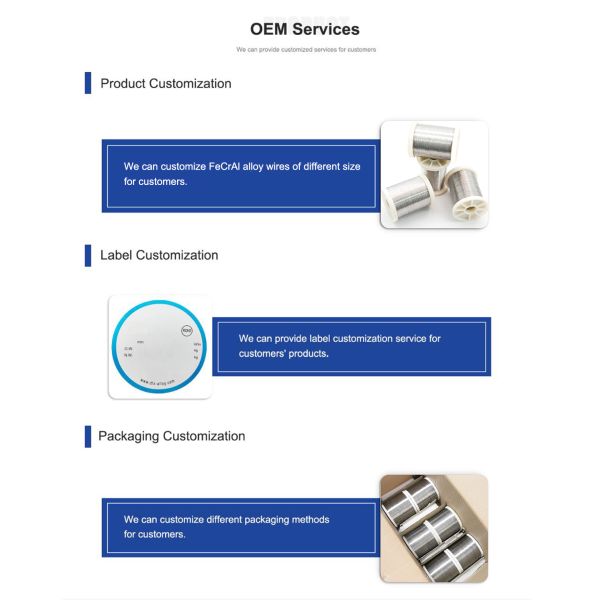
Tailored Sizes: The 0Cr15Al5 FeCrAl Alloy Wire is available in a range of diameters and lengths to meet the specific requirements of different electrolysis systems.


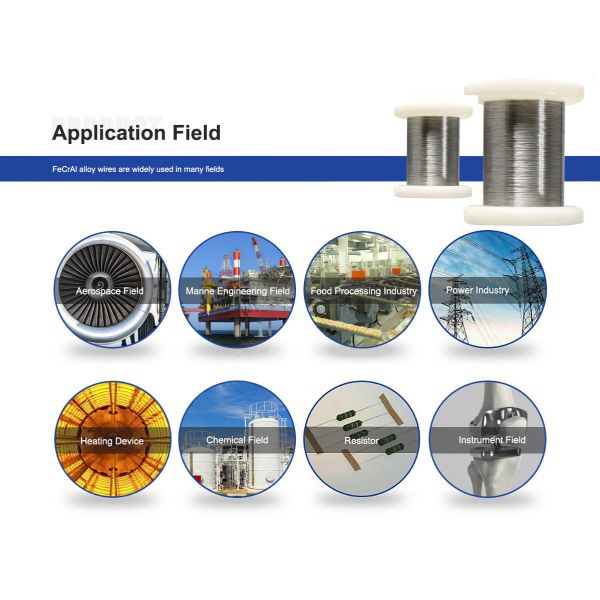
The FeCrAl Alloy Wire is ideal for various applications in the field of hydrogen production and electrolysis, offering exceptional performance and longevity in demanding environments:
Water Electrolysis for Hydrogen Production: The FeCrAl Alloy Wire is specifically designed to perform well in water electrolysis systems, where its high corrosion resistance and thermal stability are crucial for efficient hydrogen production.
Alkaline Electrolysis: This alloy wire is highly effective in alkaline electrolysis systems, providing resistance to corrosion caused by alkaline electrolytes, ensuring the longevity and reliability of the system.
High-Temperature Electrolysis: Due to its excellent high-temperature performance, the 0Cr15Al5 FeCrAl Alloy Wire is also used in high-temperature electrolysis processes, supporting the production of hydrogen at elevated temperatures.
Fuel Cell Systems: The alloy wire is also applied in fuel cell technologies, particularly in components that operate under harsh, high-temperature conditions.
Electrolysis Research and Development: As hydrogen production technologies advance, the FeCrAl Alloy Wire is an essential material in R&D for electrolysis systems and the development of next-generation hydrogen production methods.


The hydrogen economy is rapidly gaining traction as industries seek to decarbonize and move away from fossil fuels. Electrolysis has emerged as a key method for producing green hydrogen, making it a pivotal technology in renewable energy production. The 0Cr15Al5 FeCrAl Alloy Wire is integral to this shift, providing the necessary material properties to ensure long-term performance in electrolysis systems.
The growing emphasis on green hydrogen is driven by global energy transition goals, especially in sectors like transportation, power generation, and chemical production. Hydrogen is increasingly seen as a clean and versatile fuel for these industries, and electrolysis, particularly water electrolysis, is becoming the preferred method for producing hydrogen in an environmentally sustainable way.
The FeCrAl Alloy Wire is poised to play a significant role in this transformation by supporting electrolysis systems that require materials capable of withstanding high temperatures, high electrolytic stress, and corrosive environments. With its superior mechanical properties and corrosion resistance, this wire will continue to be a critical component in the development of large-scale hydrogen production systems.
Longer Lifespan: The exceptional corrosion resistance and high-temperature endurance of the 0Cr15Al5 FeCrAl Alloy Wire lead to fewer replacements and lower maintenance costs, making it a cost-effective solution for electrolysis systems.
Improved Efficiency: By withstanding the harsh operating conditions found in electrolysis systems, the FeCrAl Alloy Wire ensures efficient and reliable hydrogen production over extended periods.
Customizable Dimensions: The wire is available in various sizes, ensuring compatibility with a wide range of electrolysis systems and applications.
High Mechanical Strength: The 0Cr15Al5 FeCrAl Alloy Wire retains its mechanical integrity under stress, supporting the safe and efficient operation of electrolysis equipment.
Sustainability: By enabling efficient hydrogen production, the FeCrAl Alloy Wire contributes to the development of sustainable energy solutions, aiding in the transition to a low-carbon economy.


What is 0Cr15Al5 FeCrAl Alloy Wire made of?
The FeCrAl Alloy Wire is composed of iron (Fe), chromium (Cr), and aluminum (Al), providing excellent resistance to oxidation, high-temperature stability, and mechanical strength.
How does 0Cr15Al5 FeCrAl Alloy Wire perform in electrolysis systems?
The FeCrAl Alloy Wire is highly resistant to corrosion in both alkaline and acidic electrolytes, making it an ideal material for electrolysis systems used in hydrogen production.
Can the wire be used in high-temperature electrolysis systems?
Yes, the 0Cr15Al5 FeCrAl Alloy Wire can withstand temperatures up to 1,420°C, making it suitable for high-temperature electrolysis applications.
Is the 0Cr15Al5 FeCrAl Alloy Wire resistant to corrosion?
Yes, it has excellent resistance to oxidation and corrosion, even in harsh environments such as high-pH or acidic electrolytes.
How does 0Cr15Al5 FeCrAl Alloy Wire enhance hydrogen production?
Its superior resistance to corrosion and high mechanical strength ensures long-term stability and efficiency, contributing to higher hydrogen yield and reduced system downtime.
Can this wire be customized for specific electrolysis systems?
Yes, the FeCrAl Alloy Wire comes in various sizes and can be customized to meet the unique needs of different electrolysis systems.
What industries use 0Cr15Al5 FeCrAl Alloy Wire?
It is widely used in the hydrogen production industry, particularly in electrolysis systems, as well as in fuel cells, chemical processing, and energy storage applications.
What are the environmental benefits of using 0Cr15Al5 FeCrAl Alloy Wire?
By improving the efficiency and durability of electrolysis systems, the FeCrAl Alloy Wire helps reduce the environmental impact of hydrogen production, supporting the transition to clean, renewable energy.