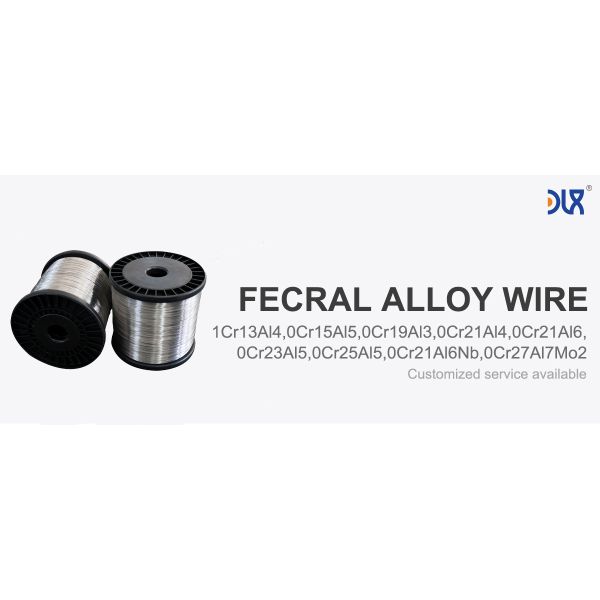
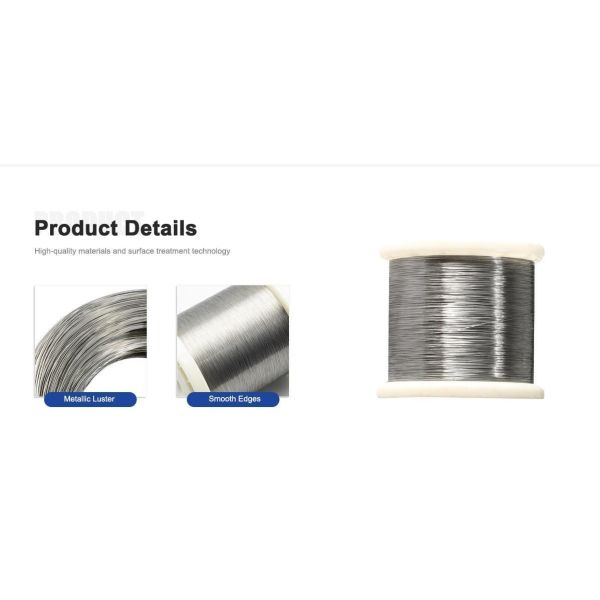
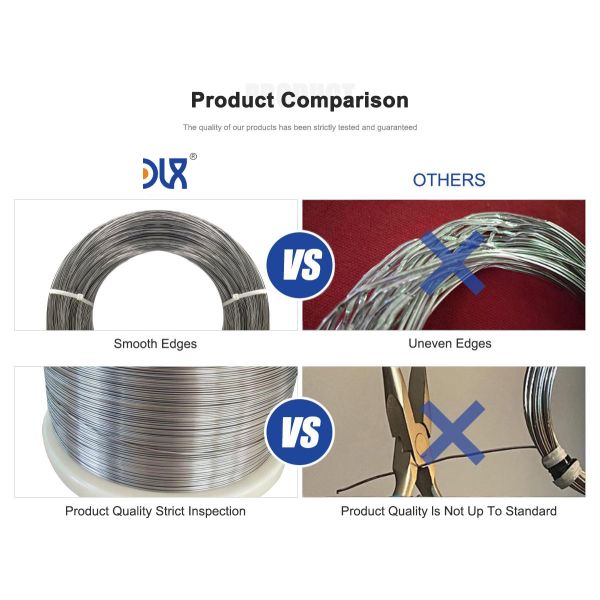
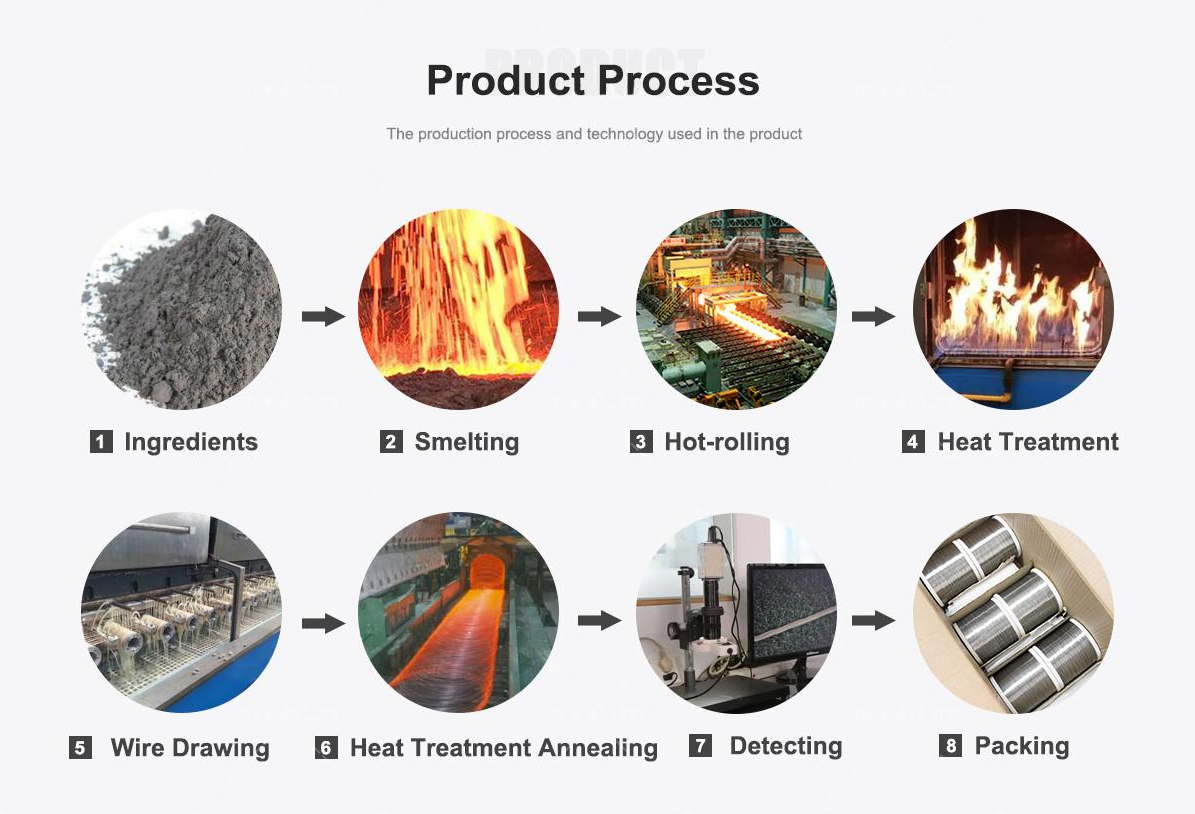
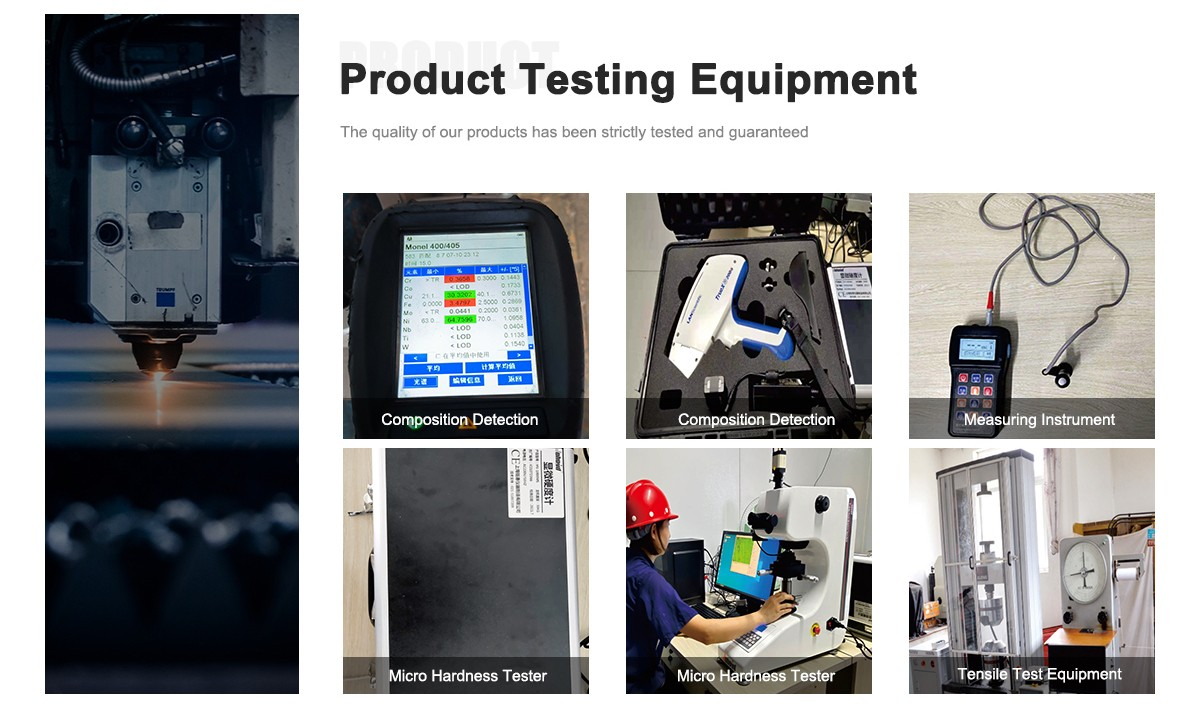
In the growing field of hydrogen production, the demand for efficient and durable electrolysis systems has increased significantly. The 1Cr13Al4 FeCrAl Resistance Wire is a cutting-edge material designed to withstand the harsh conditions of industrial hydrogen electrolysis. This high-performance wire, made from a unique combination of iron, chromium, and aluminum, offers exceptional corrosion resistance, high thermal stability, and mechanical strength, making it a key component in the successful operation of electrolyzers.
The 1Cr13Al4 FeCrAl Resistance Wire is specifically engineered for use in industrial-scale electrolysis applications, where it is subjected to extreme conditions including high temperatures, high electrical currents, and aggressive electrolytes. Whether used in alkaline or high-temperature electrolysis systems, this wire ensures maximum performance, contributing to the efficient and cost-effective production of green hydrogen.
Parameter Comparison Table
| Alloy Nomenclature Performance | 1Cr13Al4 | 0Cr25Al5 | 0Cr21Al6 | 0Cr23Al5 | 0Cr21Al4 | 0Cr21Al6Nb | 0Cr27Al7Mo2 | |
Chemical Compostion (%) | Cr | 12.0-15.0 | 23.0-26.0 | 19.0-22.0 | 20.5-23.5 | 18.0-21.0 | 21.0-23.0 | 26.5-27.8 |
| Al | 4.0-6.0 | 4.5-6.5 | 5.0-7.0 | 4.2-5.3 | 3.0-4.2 | 5.0-7.0 | 6.0-7.0 | |
| Re | Opportune | Opportune | Opportune | Opportune | Opportune | Opportune | Opportune | |
| Fe | Rest | Rest | Rest | Rest | Rest | Rest | Rest | |
| -- | -- | -- | -- | -- | -- | -- | ||
| Max.Continuous service temp. of element | 950 | 1250 | 1250 | 1250 | 1100 | 1350 | 1400 | |
| Resistivity at 20C(μΩ.m) | 1.25 | 1.42 | 1.42 | 1.35 | 1.23 | 1.45 | 1.53 | |
| Density(g/cm) | 7.4 | 7.1 | 7.16 | 7.25 | 7.35 | 7.1 | 7.1 | |
| Thermal Conductivity(KJ/m.h) | 52.7 | 46.1 | 63.2 | 60.2 | 46.9 | 46.1 | -- | |
| Coefficient of lines expansion(αx10-6/℃) | 15.4 | 16 | 14.7 | 15 | 13.5 | 16 | 16 | |
| Melting Point Approx(degree) | 1450 | 1500 | 1500 | 1500 | 1500 | 1510 | 1520 | |
| Tensile Strength(N/mm) | 580-680 | 630-780 | 630-780 | 630-780 | 600-700 | 650-800 | 680-830 | |
| Elongation at rupture(%) | >16 | >12 | >12 | >12 | >12 | >12 | >10 | |
| Variation of area(%) | 65-75 | 60-75 | 65-75 | 65-75 | 65-75 | 65-75 | 65-75 | |
| Repeat Bending frequency(F/R) | >5 | >5 | >5 | >5 | >5 | >5 | >5 | |
| Hardness(H.B.) | 200-260 | 200-260 | 200-260 | 200-260 | 200-260 | 200-260 | 200-260 | |
| continuous service time(Hours/ ºC) | -- | ≥80/1300 | ≥80/1300 | ≥80/1300 | ≥80/1250 | ≥80/1350 | ≥80/1350 | |
| Micrographic structure | Ferrite | Ferrite | Ferrite | Ferrite | Ferrite | Ferrite | Ferrite | |
| Magnetic properties | Magnetic | Magnetic | Magnetic | Magnetic | Magnetic | Magnetic | Magnetic | |
| Shape | Size (mm) |
| Wire | 0.05-7.5 |
| Rod | 8-50 |
| Ribbon | (0.05-0.35)*(0.5-6.0) |
| Strip | (0.5-2.5)*(5-180) |
Superior Corrosion Resistance: The 1Cr13Al4 FeCrAl Resistance Wire is designed to resist oxidation and corrosion in highly alkaline or acidic electrolytes, significantly extending the lifespan of electrolysis systems and reducing maintenance costs.
High-Temperature Stability: With a melting point of 1,400°C, the FeCrAl Resistance Wire can withstand the extreme temperatures encountered in industrial electrolysis applications, ensuring consistent and reliable performance even under high heat conditions.
Excellent Mechanical Strength: The wire's tensile and yield strength provide the necessary structural integrity to resist mechanical stresses, vibrations, and pressure commonly experienced in industrial electrolyzers.
Outstanding Thermal Conductivity: The wire’s thermal conductivity helps to evenly distribute heat during electrolysis, reducing thermal stress and improving the overall efficiency of the hydrogen production process.
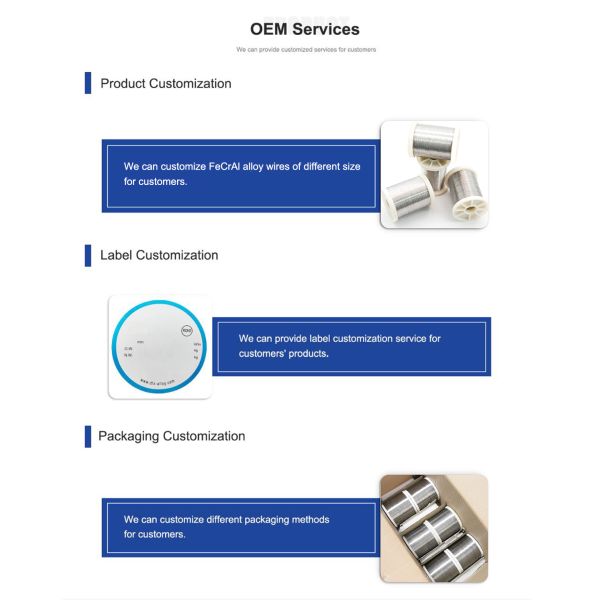
Customizable Sizes: The 1Cr13Al4 FeCrAl Resistance Wire is available in various diameters and lengths, ensuring compatibility with a wide range of industrial electrolysis systems and applications.


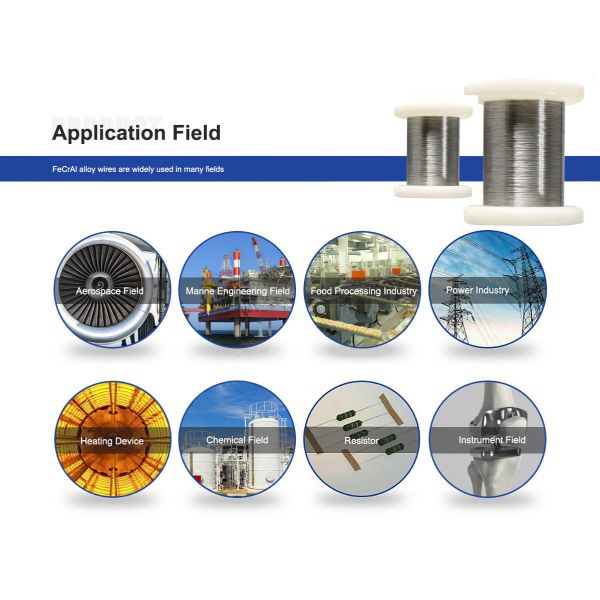
The 1Cr13Al4 FeCrAl Resistance Wire is ideal for several applications in industrial-scale hydrogen production and electrolysis systems:
Industrial Hydrogen Electrolysis: This wire is primarily used in industrial hydrogen electrolysis systems, where it serves as a key material for electrolysis electrodes, helping to efficiently split water into hydrogen and oxygen.
Alkaline Electrolysis Systems: The wire is highly resistant to corrosion in alkaline electrolytes, making it a perfect choice for alkaline electrolysis systems that produce hydrogen through water splitting.
High-Temperature Electrolysis: The FeCrAl Resistance Wire is also suitable for high-temperature electrolysis applications, where it can perform reliably in environments with elevated temperatures, optimizing the production of hydrogen.
Hydrogen Production for Fuel Cells: The 1Cr13Al4 FeCrAl Resistance Wire is used in hydrogen production for fuel cells, where its high resistance to corrosion and durability are critical for efficient energy conversion.
Renewable Energy Applications: As the hydrogen economy grows, this wire plays a significant role in renewable energy systems by improving the efficiency and sustainability of hydrogen generation.


The hydrogen economy is rapidly gaining momentum as industries look for cleaner energy solutions. Electrolysis has become a central technology for producing green hydrogen, which is seen as a key fuel for decarbonizing sectors such as transportation, power generation, and industry. The 1Cr13Al4 FeCrAl Resistance Wire is a critical component in the efficiency and longevity of electrolysis systems, helping to meet the increasing demand for green hydrogen.
The growing demand for hydrogen is directly tied to the global shift towards renewable energy. As electrolyzers are scaled up to meet this demand, the need for durable, high-performance materials like the 1Cr13Al4 FeCrAl Resistance Wire will continue to rise, ensuring that industrial electrolysis systems can operate at maximum efficiency and with minimal maintenance.
The increasing adoption of hydrogen in sectors such as transportation (fuel cell vehicles), energy storage, and industrial heating further highlights the importance of reliable and high-performance materials in electrolysis systems. As hydrogen production scales, the FeCrAl Resistance Wire will be integral to supporting these technologies and driving the transition to a low-carbon economy.
Long-Term Durability: The superior corrosion resistance and high thermal stability of the 1Cr13Al4 FeCrAl Resistance Wire ensure that it performs reliably over long periods, reducing the need for frequent replacements and lowering maintenance costs.
Improved Efficiency: The wire’s excellent mechanical properties and thermal conductivity contribute to the overall efficiency of electrolysis systems, improving hydrogen yield and reducing energy consumption.
Adaptable to Various Electrolysis Systems: Available in a variety of sizes and specifications, the FeCrAl Resistance Wire can be tailored to meet the unique needs of industrial electrolysis setups, ensuring compatibility with diverse systems.
Cost-Effective Solution: Despite the higher initial investment, the 1Cr13Al4 FeCrAl Resistance Wire is a cost-effective choice in the long term, as it minimizes downtime and the need for replacements, ensuring a high return on investment.
Supporting Clean Energy Goals: By enabling efficient and reliable hydrogen production, the 1Cr13Al4 FeCrAl Resistance Wire contributes to the global transition towards renewable, low-carbon energy sources, aiding in the fight against climate change.


What is 1Cr13Al4 FeCrAl Resistance Wire made of?
The 1Cr13Al4 FeCrAl Resistance Wire is composed of iron (Fe), chromium (Cr), and aluminum (Al), making it highly resistant to corrosion and capable of withstanding high temperatures.
How does the wire perform in industrial electrolysis systems?
The wire provides excellent corrosion resistance and high-temperature stability, ensuring long-term performance and efficiency in industrial electrolysis systems.
Can the wire be used in high-temperature electrolysis?
Yes, with a melting point of 1,400°C, the FeCrAl Resistance Wire is ideal for high-temperature electrolysis applications, maintaining reliable performance under extreme conditions.
How does the 1Cr13Al4 Alloy Wire enhance hydrogen production?
The wire’s excellent resistance to oxidation and high mechanical strength improve hydrogen production efficiency by ensuring consistent performance and reducing downtime.
Is the 1Cr13Al4 FeCrAl Resistance Wire customizable?
Yes, the wire is available in various sizes and can be tailored to meet the specific requirements of different electrolysis systems.
What industries use 1Cr13Al4 FeCrAl Resistance Wire?
It is primarily used in industrial hydrogen production, fuel cell technologies, energy storage, and alkaline electrolysis systems.
How does the 1Cr13Al4 FeCrAl Resistance Wire support sustainable energy?
The wire contributes to efficient and reliable hydrogen production, helping to scale up green hydrogen production and supporting the transition to clean energy.
What is the lifespan of 1Cr13Al4 FeCrAl Resistance Wire in electrolysis systems?
The wire’s corrosion resistance and thermal stability provide a long lifespan, reducing the frequency of replacements and lowering overall maintenance costs.