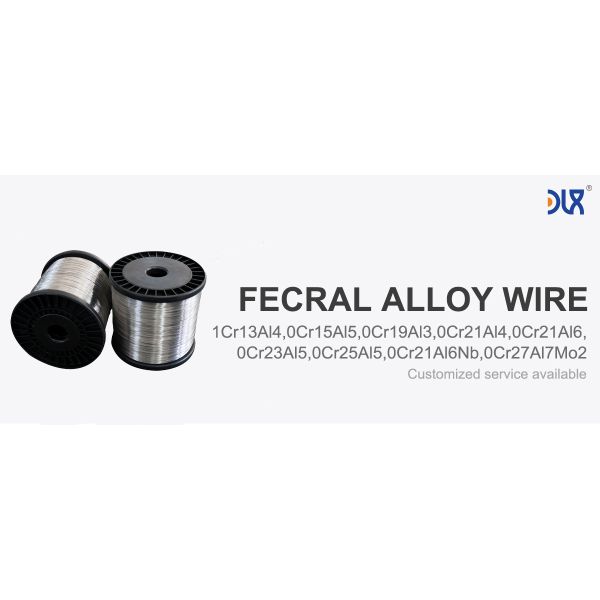
Hydrogen production through electrolysis is one of the most promising methods for generating green energy. For electrolysis to be effective, the right materials must be used to ensure high performance, durability, and efficiency. 1Cr13Al4 Alloy Wire, a high-quality alloy wire, has emerged as a preferred material for these applications. Its unique combination of properties makes it an ideal solution for electrolysis systems aimed at producing hydrogen gas.
At DLX Corporation, we are proud to offer 1Cr13Al4 FeCrAl Wire tailored for electrolysis hydrogen production, ensuring optimal efficiency and long-lasting performance in these demanding applications. Our wire is engineered to withstand high temperatures, resist corrosion, and maintain stable electrical resistance, making it the ideal choice for the next generation of hydrogen production technologies.
1Cr13Al4 FeCrAl Wire is a specialized alloy wire designed for high-temperature and high-stress environments. Composed of a blend of iron, chromium, and aluminum, this wire exhibits excellent resistance to oxidation and corrosion, even in the most aggressive electrolysis conditions. Its superior electrical resistance and thermal properties allow for stable and efficient performance in water splitting processes, a core component of hydrogen production.
The wire is specifically engineered to be used as electrodes in electrolysis cells. When an electric current is passed through the electrolyte solution, the wire facilitates the splitting of water molecules into hydrogen and oxygen. This reaction, powered by the electrical energy provided, generates hydrogen gas, which can then be used for various energy applications, including fuel cells, industrial processes, and renewable energy systems.


| Alloy Nomenclature Performance | 1Cr13Al4 | 0Cr25Al5 | 0Cr21Al6 | 0Cr23Al5 | 0Cr21Al4 | 0Cr21Al6Nb | 0Cr27Al7Mo2 |
|---|---|---|---|---|---|---|---|
| Chemical Composition (%) - Cr | 12.0-15.0 | 23.0-26.0 | 19.0-22.0 | 20.5-23.5 | 18.0-21.0 | 21.0-23.0 | 26.5-27.8 |
| Chemical Composition (%) - Al | 4.0-6.0 | 4.5-6.5 | 5.0-7.0 | 4.2-5.3 | 3.0-4.2 | 5.0-7.0 | 6.0-7.0 |
| Chemical Composition (%) - Re | Opportune | Opportune | Opportune | Opportune | Opportune | Opportune | Opportune |
| Chemical Composition (%) - Fe | Rest | Rest | Rest | Rest | Rest | Rest | Rest |
| Max. Continuous Service Temp. of Element (°C) | 950 | 1250 | 1250 | 1250 | 1100 | 1350 | 1400 |
| Resistivity at 20°C (μΩ.m) | 1.25 | 1.42 | 1.42 | 1.35 | 1.23 | 1.45 | 1.53 |
| Density (g/cm³) | 7.4 | 7.1 | 7.16 | 7.25 | 7.35 | 7.1 | 7.1 |
| Thermal Conductivity (KJ/m.h) | 52.7 | 46.1 | 63.2 | 60.2 | 46.9 | 46.1 | -- |
| Coefficient of Linear Expansion (αx10⁻⁶/℃) | 15.4 | 16 | 14.7 | 15 | 13.5 | 16 | 16 |
| Melting Point Approx (°C) | 1450 | 1500 | 1500 | 1500 | 1500 | 1510 | 1520 |
| Tensile Strength (N/mm²) | 580-680 | 630-780 | 630-780 | 630-780 | 600-700 | 650-800 | 680-830 |
| Elongation at Rupture (%) | >16 | >12 | >12 | >12 | >12 | >12 | >10 |
| Variation of Area (%) | 65-75 | 60-75 | 65-75 | 65-75 | 65-75 | 65-75 | 65-75 |
| Repeat Bending Frequency (F/R) | >5 | >5 | >5 | >5 | >5 | >5 | >5 |
| Hardness (H.B.) | 200-260 | 200-260 | 200-260 | 200-260 | 200-260 | 200-260 | 200-260 |
| Continuous Service Time (Hours/°C) | -- | ≥80/1300 | ≥80/1300 | ≥80/1300 | ≥80/1250 | ≥80/1350 | ≥80/1350 |
| Micrographic Structure | Ferrite | Ferrite | Ferrite | Ferrite | Ferrite | Ferrite | Ferrite |
| Magnetic Properties | Magnetic | Magnetic | Magnetic | Magnetic | Magnetic | Magnetic | Magnetic |
| Shape | Size (mm) |
|---|---|
| Wire | 0.05-7.5 |
| Rod | 8-50 |
| Ribbon | (0.05-0.35)×(0.5-6.0) |
| Strip | (0.5-2.5)×(5-180) |
High Corrosion Resistance: The chromium content in 1Cr13Al4 FeCrAl Wire ensures outstanding oxidation resistance, even in the harsh electrolysis environment, where high temperatures and aggressive electrolytes are present.
Stable Electrical Resistance: The wire maintains a stable electrical resistance, critical for ensuring that electrolysis processes are efficient and energy is used effectively.
Thermal Stability: The alloy's high melting point (1,400°C) allows it to perform well at high temperatures, ensuring durability over long-term use in electrolysis systems.
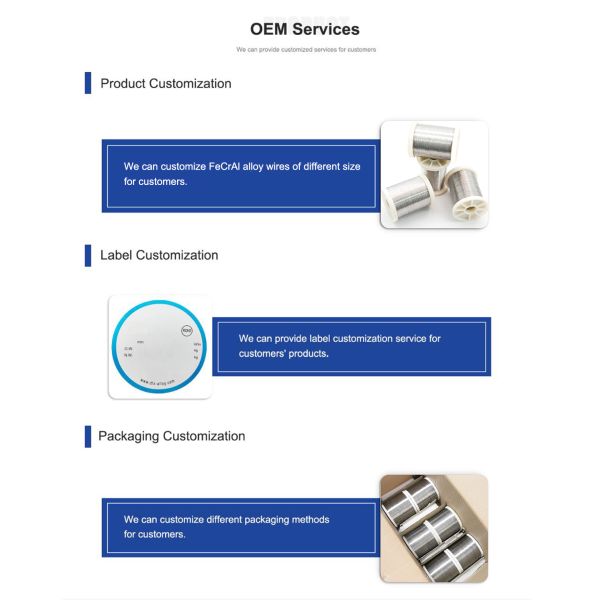
Customization Options: DLX offers 1Cr13Al4 FeCrAl Wire in various diameters and lengths, allowing for customized solutions that fit the specific needs of your electrolysis system.
Improved Efficiency: With its superior electrical and thermal properties, this wire helps improve the overall efficiency of electrolysis, making the process of hydrogen generation faster and more reliable.
Proven Durability: Thanks to its excellent oxidation resistance and thermal properties, the 1Cr13Al4 FeCrAl Wire has a long lifespan, reducing the need for frequent replacements and lowering maintenance costs.
Cost-Effective Performance: DLX provides high-quality wire at competitive prices, making it an affordable solution for companies seeking reliable materials for electrolysis applications.
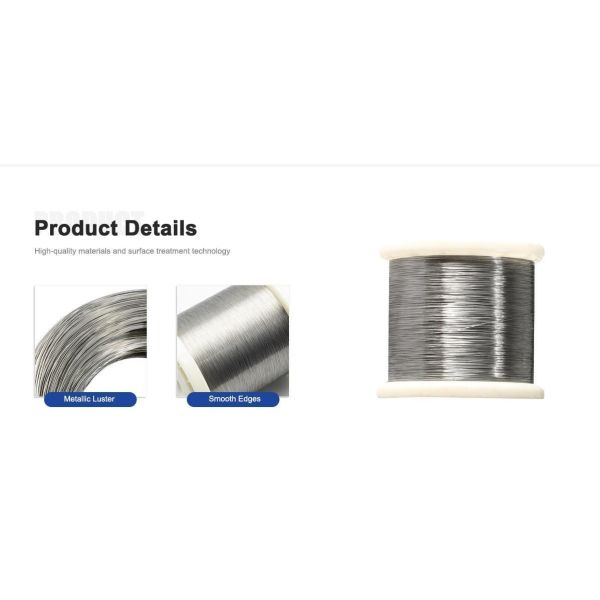
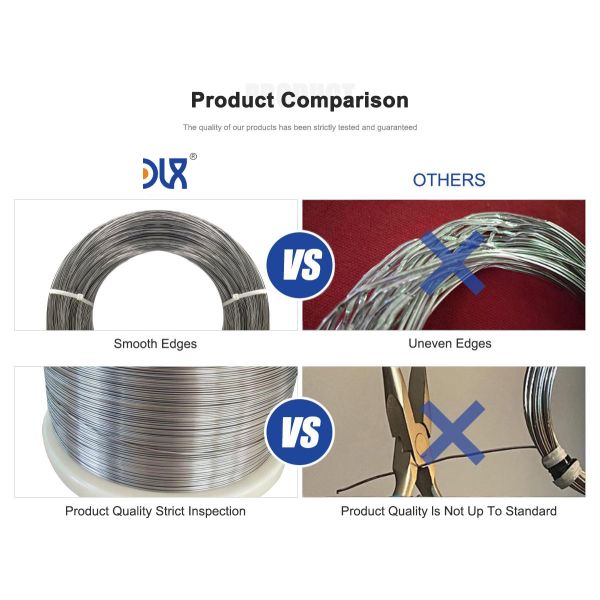
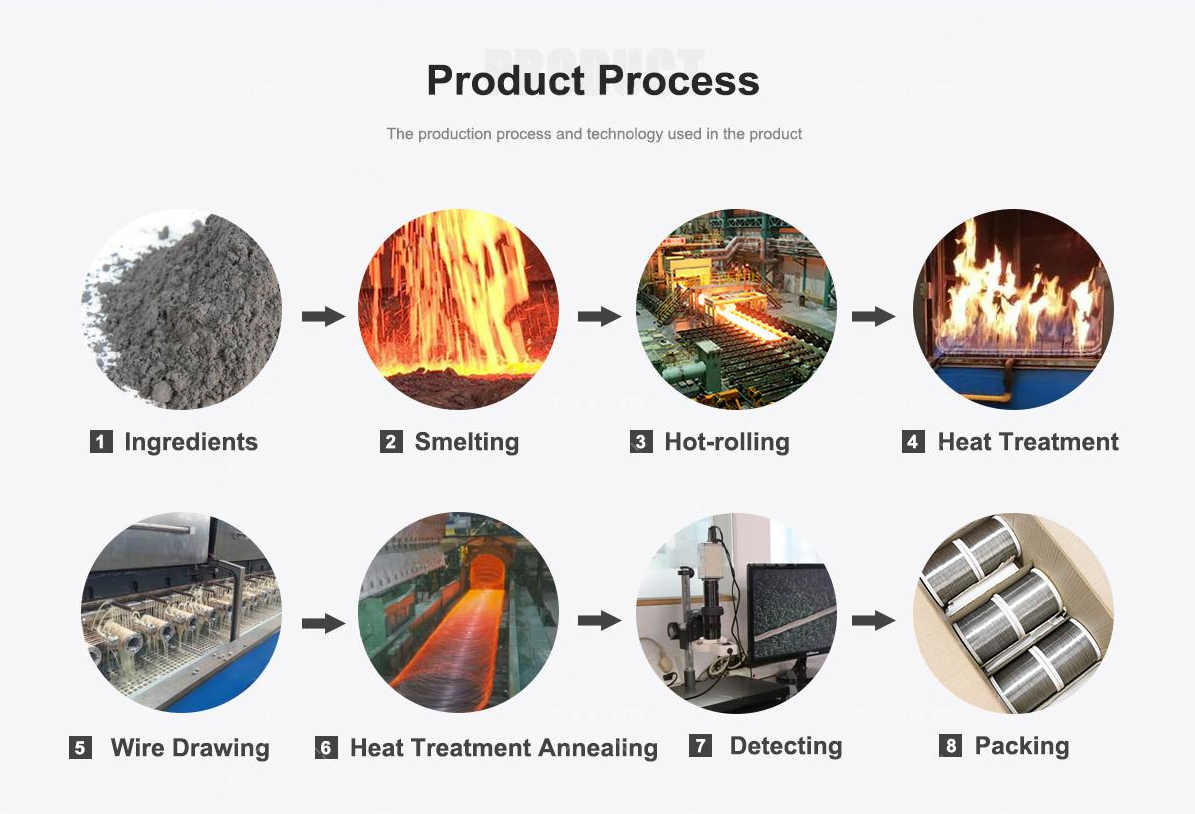
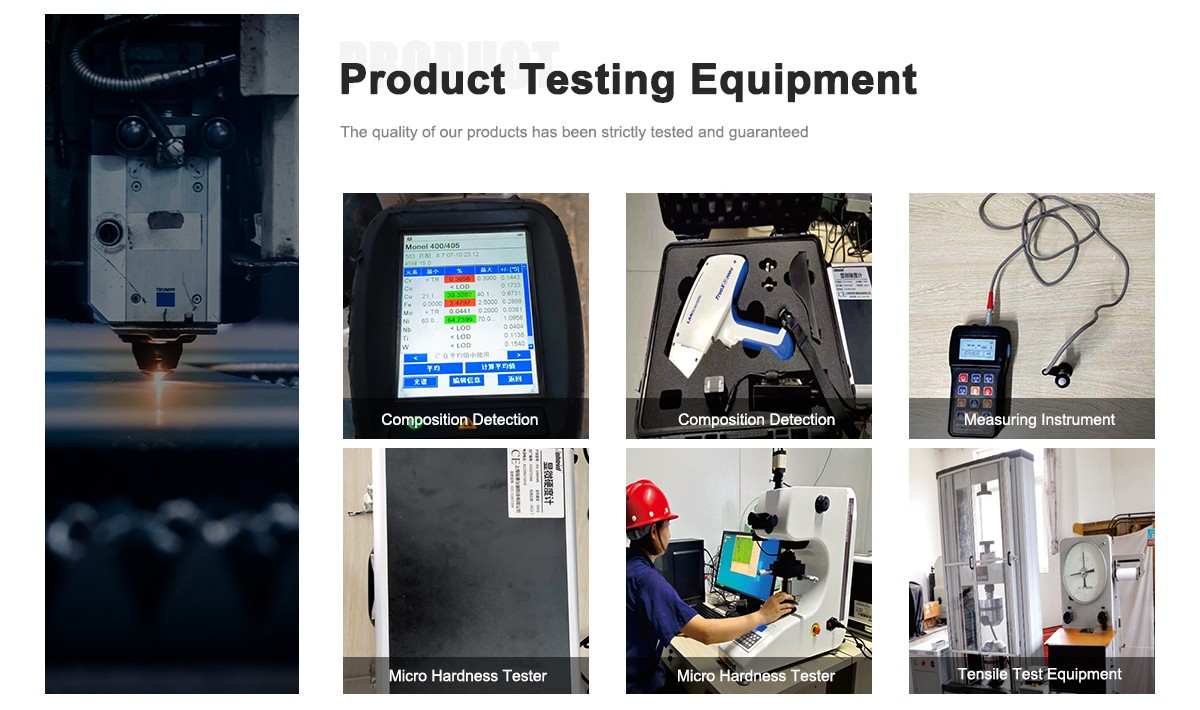
High-Quality Manufacturing: At DLX, we ensure that every batch of 1Cr13Al4 FeCrAl Wire goes through rigorous quality control to guarantee top-tier performance.
Sustainability: Our products contribute to the global transition towards renewable energy, supporting cleaner and greener methods of hydrogen production.
Expert Support: DLX offers expert guidance and technical support to ensure that you get the most out of our materials, providing solutions tailored to your specific needs.
Hydrogen is emerging as a critical element in the global energy transition, especially with the increasing focus on renewable energy sources. As governments and industries work towards decarbonization goals, hydrogen produced via electrolysis is gaining traction as a clean fuel option for various sectors, including transportation, energy storage, and industrial applications.
The growth of the hydrogen economy directly influences the demand for efficient electrolysis systems. As the need for reliable and cost-effective materials for electrolysis grows, 1Cr13Al4 FeCrAl Wire is positioned to be a key player in this field. The wire’s ability to withstand high operational temperatures, resist corrosion, and maintain consistent electrical resistance makes it a vital component of cutting-edge hydrogen production technologies.
Moreover, the global push towards green hydrogen and the development of electrolyzers that can operate at larger scales means that 1Cr13Al4 FeCrAl Wire will continue to play a significant role in meeting the energy needs of the future.
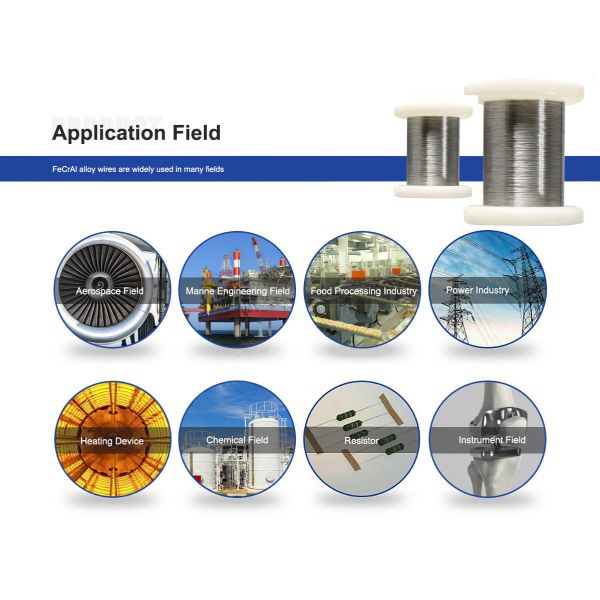
Hydrogen Production via Electrolysis: The primary application for 1Cr13Al4 FeCrAl Wire is in water electrolysis, where it serves as the electrode material responsible for splitting water into hydrogen and oxygen.
Fuel Cells: The alloy wire is also used in hydrogen fuel cell technology, where it acts as an electrode, facilitating the generation of electricity from hydrogen.
Renewable Energy Storage: Hydrogen produced via electrolysis can be stored and used as a form of energy storage, where 1Cr13Al4 FeCrAl Wire plays a crucial role in the electrolysis process.
Industrial Applications: The wire is used in industries such as steel manufacturing and chemical processing, where hydrogen is required for various reactions.
Energy Conversion Systems: 1Cr13Al4 FeCrAl Wire is ideal for use in energy conversion systems that rely on hydrogen as a fuel source, helping to drive forward clean energy initiatives.


DLX Corporation stands out in the alloy industry with its commitment to delivering high-quality, reliable materials tailored to meet the evolving demands of hydrogen production via electrolysis. Our 1Cr13Al4 FeCrAl Wire is engineered to deliver superior performance and longevity in electrolysis cells, setting us apart from other suppliers.
Why choose DLX?
Customized Solutions: We provide tailored solutions to meet the specific needs of your system, ensuring maximum efficiency.
Unmatched Quality Control: Every product undergoes stringent quality checks to guarantee optimal performance, durability, and reliability.
Long-Term Cost Savings: With our high-performance alloys, you can reduce maintenance costs and improve system longevity, making DLX a smart investment for your business.
Industry Leadership: DLX is a recognized leader in providing materials for the clean energy sector, ensuring that your systems are powered by the best.


What makes 1Cr13Al4 FeCrAl Wire ideal for electrolysis?
Its excellent corrosion resistance, stable electrical resistance, and high thermal stability make it perfect for the demanding conditions of electrolysis systems.
What are the temperature limits of this alloy wire?
The wire can withstand temperatures up to 1,400°C, making it suitable for high-temperature electrolysis environments.
How does 1Cr13Al4 FeCrAl Wire perform in high-humidity conditions?
The wire’s high chromium content provides excellent resistance to oxidation, even in humid and aggressive electrolytic conditions.
Can this alloy wire be customized to specific dimensions?
Yes, we offer a range of diameters and lengths for the wire, allowing you to select the perfect fit for your electrolysis system.
What are the benefits of using 1Cr13Al4 FeCrAl Wire over other materials?
This wire offers superior oxidation resistance, thermal stability, and electrical performance, ensuring long-term reliability in electrolysis systems.
How does 1Cr13Al4 FeCrAl Wire contribute to more efficient hydrogen production?
Its stable electrical resistance and ability to withstand high temperatures result in a more efficient and reliable electrolysis process.
Is 1Cr13Al4 FeCrAl Wire suitable for large-scale hydrogen production?
Yes, it is an ideal choice for industrial-scale electrolysis systems due to its durability and performance in demanding environments.
What industries can benefit from 1Cr13Al4 FeCrAl Wire?
It is used in hydrogen production, renewable energy storage, fuel cells, and various industrial applications requiring high-performance materials.