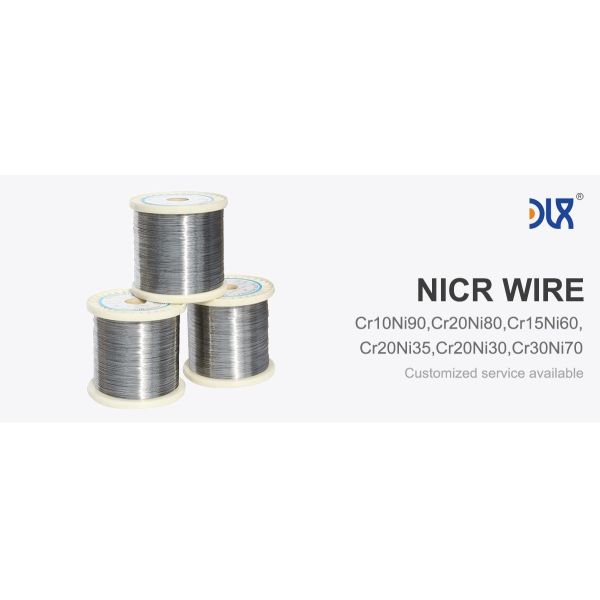
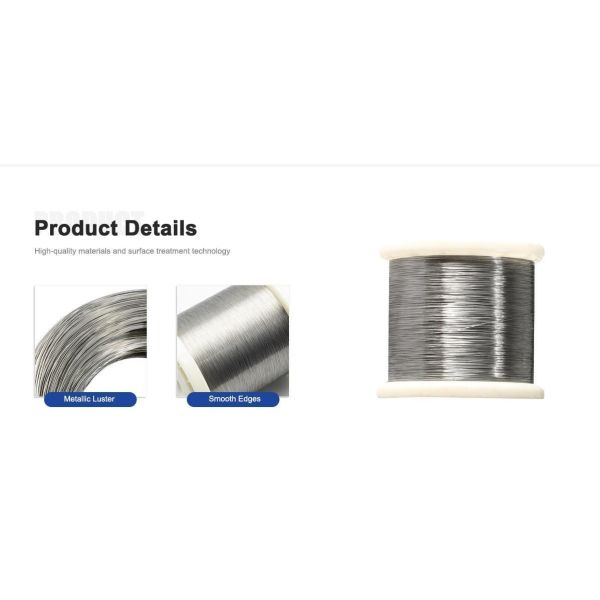
As industries around the world shift toward greener and more sustainable energy solutions, hydrogen production via water electrolysis has emerged as one of the most promising methods. For electrolysis systems to operate efficiently, the choice of materials is critical, especially when dealing with the intense conditions required for hydrogen generation. Cr20Ni35 Alloy Wire—a high-performance Nichrome alloy—is fast becoming a top choice for industries looking to maximize the efficiency and longevity of their electrolysis systems.
At DLX, we provide high-quality Cr20Ni35 Alloy Wire, engineered specifically for the demanding needs of hydrogen production through water splitting. With exceptional durability, resistance to high temperatures, and excellent corrosion resistance, this wire ensures that your electrolysis system operates smoothly and effectively. Here’s why Cr20Ni35 Alloy Wire is a game-changer for hydrogen generation.
Cr20Ni35 Alloy Wire is a high-temperature alloy made from 20% chromium and 35% nickel, with the remaining composition consisting primarily of iron. This unique alloy is designed to perform under high-temperature conditions while maintaining excellent resistance to oxidation and corrosion. These properties make it ideal for use in water electrolysis systems, which rely on high electrical currents to split water molecules into hydrogen and oxygen.
The high chromium and nickel content of Cr20Ni35 Alloy Wire ensures excellent performance even under aggressive electrochemical conditions, which is crucial for maintaining efficiency in hydrogen production systems. This wire is commonly used as an electrode material in electrolyzers, helping industries produce clean hydrogen in an efficient, sustainable manner.
| Performance material | Cr10Ni90 | Cr20Ni80 | Cr30Ni70 | Cr15Ni60 | Cr20Ni35 | Cr20Ni30 | |
| Composition | Ni | 90 | Rest | Rest | 55.0~61.0 | 34.0~37.0 | 30.0~34.0 |
| Cr | 10 | 20.0~23.0 | 28.0~31.0 | 15.0~18.0 | 18.0~21.0 | 18.0~21.0 | |
| Fe | ≤1.0 | ≤1.0 | Rest | Rest | Rest | ||
| Maximum temperature℃ | 1300 | 1200 | 1250 | 1150 | 1100 | 1100 | |
| Meltiing point ℃ | 1400 | 1400 | 1380 | 1390 | 1390 | 1390 | |
| Density g/cm3 | 8.7 | 8.4 | 8.1 | 8.2 | 7.9 | 7.9 | |
| Resistivity(μΩ·m,20℃) | 1.09±0.05 | 1.18±0.05 | 1.12±0.05 | 1.00±0.05 | 1.04±0.05 | ||
| Elongation at rupture | ≥20 | ≥20 | ≥20 | ≥20 | ≥20 | ≥20 | |
| Specific heat(J/g.℃) | 0.44 | 0.44 | 0.44 | 0.44 | 0.44 | 0.44 | |
| Thermal conductivity(KJ/m.h℃) | 60.3 | 45.2 | 45.2 | 43.8 | 43.8 | ||
| Coefficient of lines expansion 19 (20~1000℃) | 18 | 17 | 17 | 19 | 19 | ||
| Micrographic structure | Austenite | Austenite | Austenite | Austenite | Austenite | ||
| Magnetic properties | onmagnetic | onmagnetic | onmagnetic | onmagnetic | onmagnetic | ||
High-Temperature Resistance: Cr20Ni35 Alloy Wire can withstand extreme temperatures up to 1200°C, making it ideal for electrolysis systems that generate significant heat during the hydrogen production process.
Superior Corrosion Resistance: The combination of chromium and nickel in the alloy provides excellent resistance to corrosion, particularly in the alkaline and acidic environments found in electrolysis cells.
Longer Service Life: Cr20Ni35 Alloy Wire’s durability ensures a longer operational life, reducing the frequency of maintenance and the need for replacements, which translates into cost savings over time.
Optimal Conductivity: With excellent electrical conductivity, this wire minimizes energy losses during electrolysis, leading to more efficient hydrogen generation.
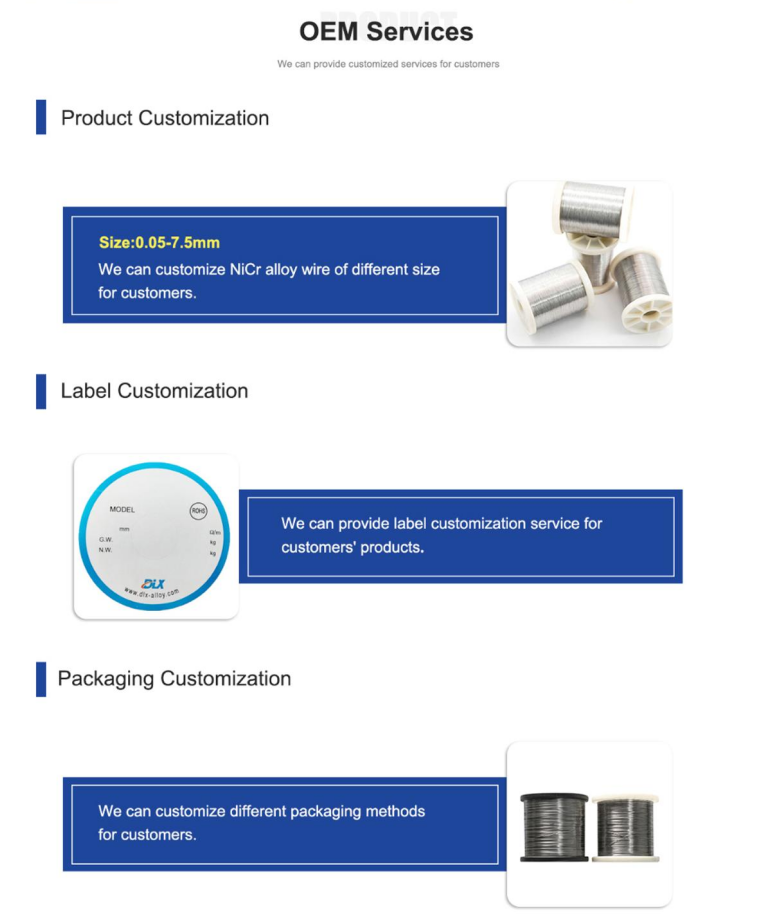
Customizable Specifications: DLX offers Cr20Ni35 Alloy Wire in a range of diameters and packaging options to meet the specific requirements of your electrolysis system.

Extreme Durability: Cr20Ni35 Alloy Wire is designed to perform reliably under both high temperatures and corrosive conditions, ensuring long-term stability in hydrogen production systems.
Energy Efficiency: The wire’s low electrical resistivity ensures minimal energy loss during the electrolysis process, increasing overall system efficiency and improving hydrogen yield.
Cost-Effective: By offering longer service life and reducing the need for frequent replacements, Cr20Ni35 Alloy Wire helps lower operational costs over time.
Stable Performance: DLX’s Cr20Ni35 Alloy Wire maintains consistent electrical and thermal conductivity, ensuring stable performance in demanding electrochemical environments.
Customization: Whether you require specific diameters, lengths, or packaging formats, DLX offers customizable options to suit your particular application and electrolysis system needs.
Global Availability: DLX ensures fast and reliable delivery of Cr20Ni35 Alloy Wire to customers worldwide, meeting both large and small-scale electrolysis system requirements.
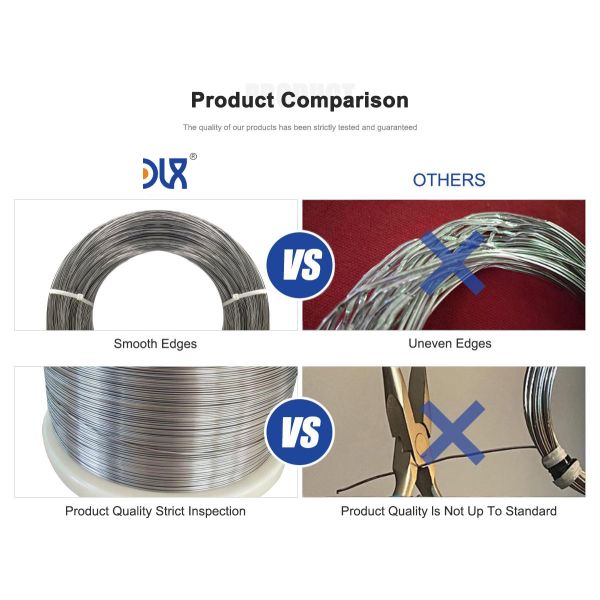
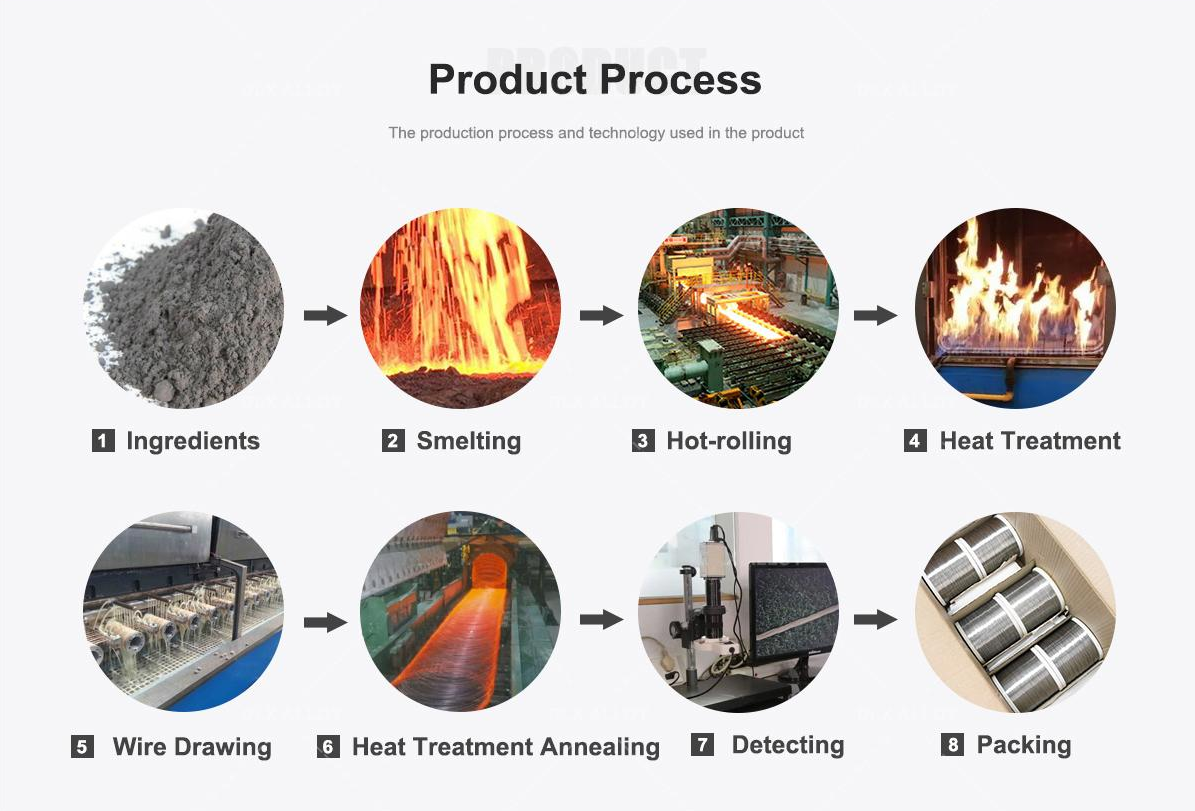
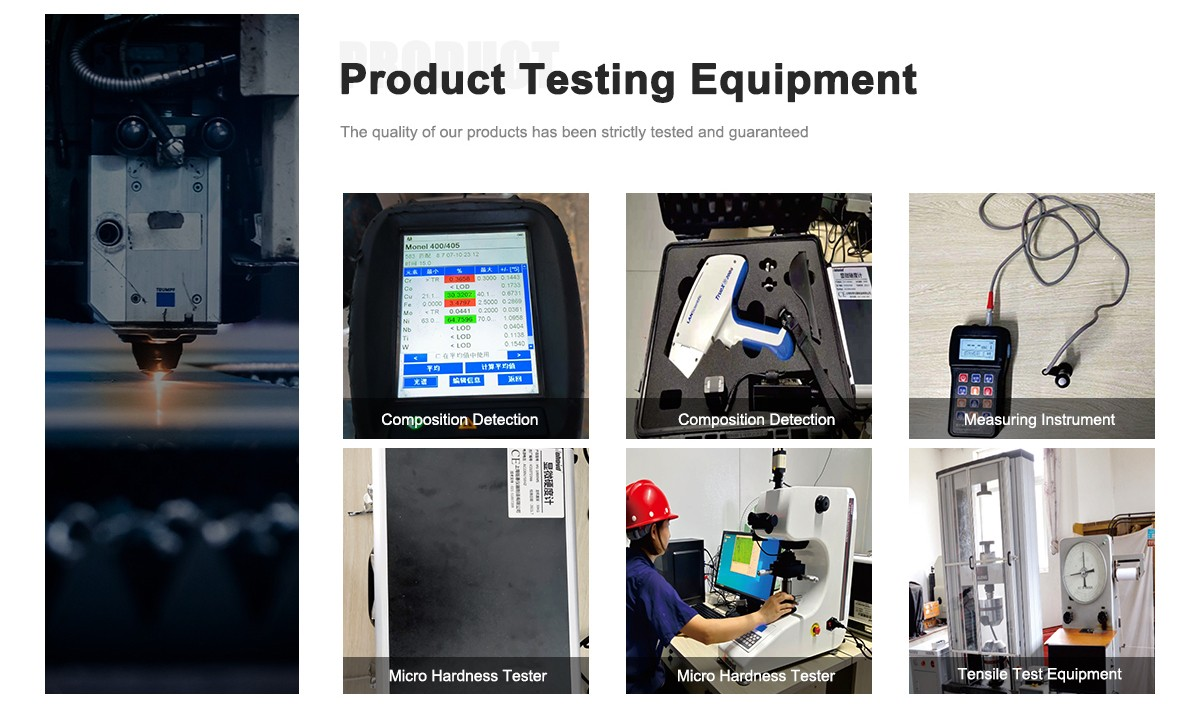
Quality Assurance: DLX is committed to providing only the highest-quality materials. Our Cr20Ni35 Alloy Wire is rigorously tested to ensure it meets the standards of excellence required for hydrogen production.
Expert Support: Our team of experts is always ready to assist you with product selection, system integration, and troubleshooting, ensuring that your electrolysis systems operate optimally.
As global energy demands shift toward sustainability, hydrogen is being recognized as a clean and versatile energy carrier. Hydrogen production via water electrolysis is one of the most efficient and eco-friendly methods available today. By splitting water into hydrogen and oxygen using renewable electricity, electrolysis offers a zero-emission pathway to hydrogen.
The demand for green hydrogen has skyrocketed, and industries are looking for reliable and efficient materials to meet the challenges of large-scale hydrogen production. Materials like Cr20Ni35 Alloy Wire play a critical role in ensuring the performance, longevity, and cost-effectiveness of electrolysis systems. As governments and companies continue to push for cleaner, more sustainable energy solutions, the need for advanced materials that can withstand high temperatures, corrosion, and high electrical currents will continue to grow.
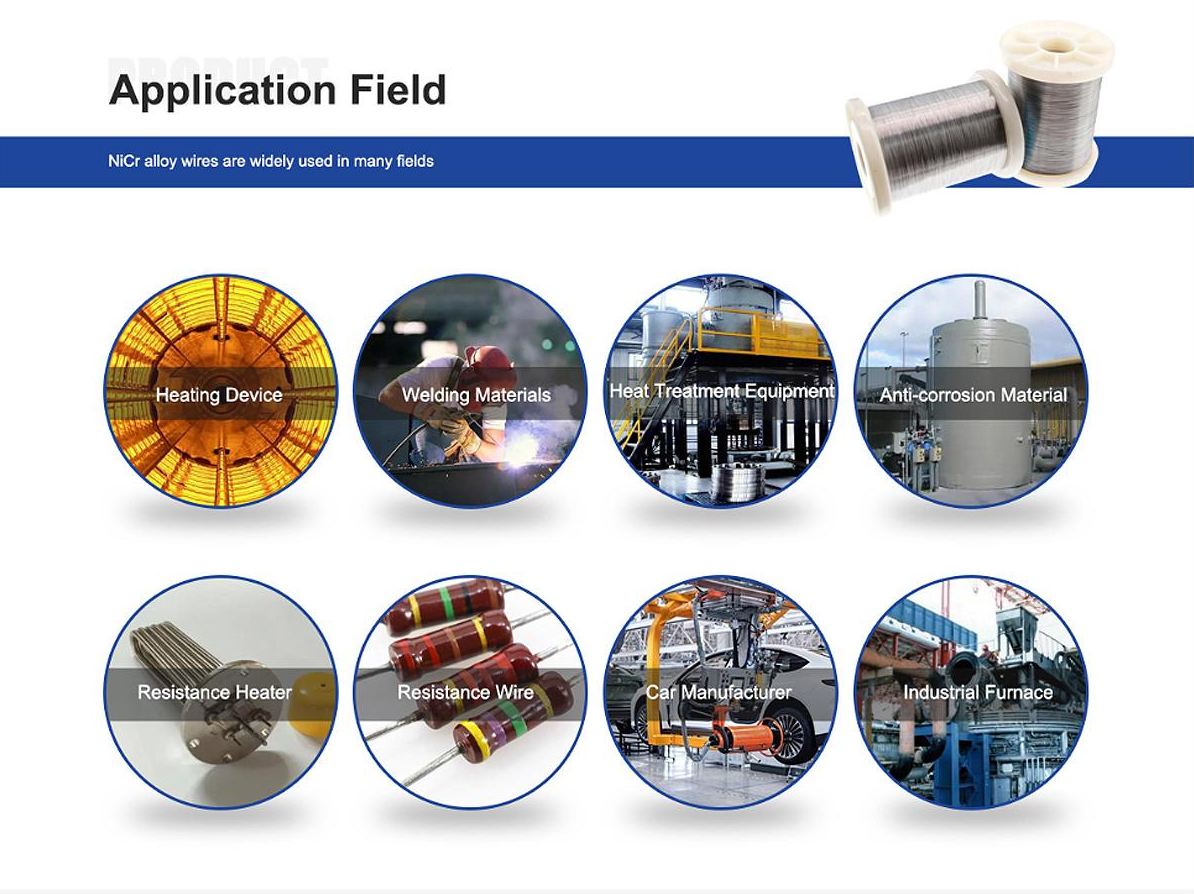
Water Electrolysis for Hydrogen Production: The primary application of Cr20Ni35 Alloy Wire is in electrolyzers, where it serves as an electrode material for splitting water into hydrogen and oxygen. Its resistance to high temperatures and corrosion makes it ideal for electrolysis systems.
Fuel Cells: Cr20Ni35 Alloy Wire is also used in fuel cells, where it helps facilitate the electrochemical reactions that convert hydrogen into electricity.
Industrial Heating Elements: The wire’s high-temperature resistance makes it suitable for use in heating elements for furnaces, ovens, and other high-heat industrial processes.
Electrochemical Cells: In addition to hydrogen production, Cr20Ni35 Alloy Wire is used in other electrochemical processes like electroplating, batteries, and capacitors, where high conductivity and resistance to corrosion are essential.

While many suppliers offer Nichrome wire, DLX stands apart due to our commitment to quality, customization, and customer support. Our Cr20Ni35 Alloy Wire is designed specifically for demanding applications like hydrogen production through water electrolysis. We offer high-performance materials tailored to your exact needs, ensuring that your electrolysis system operates at maximum efficiency.
Unlike other suppliers, DLX offers fast, reliable delivery worldwide, ensuring that you receive the materials you need when you need them. Our team of experts is also available to help you with any technical questions or system requirements, providing personalized service that goes beyond just the product.


Why is Cr20Ni35 Alloy Wire used in hydrogen production?
Cr20Ni35 Alloy Wire’s ability to withstand high temperatures, resist corrosion, and conduct electricity efficiently makes it ideal for use in electrolysis systems, where hydrogen is generated from water.
What temperature can Cr20Ni35 Alloy Wire withstand?
Cr20Ni35 Alloy Wire can handle temperatures up to 1200°C, making it suitable for high-heat environments in electrolysis cells.
How does Cr20Ni35 Alloy Wire improve electrolysis efficiency?
The wire’s low electrical resistivity ensures minimal energy loss during the electrolysis process, helping to improve the overall efficiency of hydrogen production.
Can DLX customize Cr20Ni35 Alloy Wire to fit my system?
Yes, we offer various wire diameters, lengths, and packaging options to meet the specific needs of your electrolysis system.
How long does Cr20Ni35 Alloy Wire last in electrolysis systems?
Due to its excellent heat and corrosion resistance, Cr20Ni35 Alloy Wire lasts longer than many other materials, reducing the need for frequent replacements.
Is Cr20Ni35 Alloy Wire used in other applications besides hydrogen production?
Yes, Cr20Ni35 Alloy Wire is also used in fuel cells, industrial heating elements, and electrochemical cells where high temperature and corrosion resistance are necessary.
How does DLX ensure the quality of its Cr20Ni35 Alloy Wire?
DLX conducts rigorous quality control and testing to ensure that each batch of Cr20Ni35 Alloy Wire meets the highest standards of performance, durability, and reliability.
What makes DLX’s Cr20Ni35 Alloy Wire different from other suppliers?
DLX offers custom solutions, superior quality, and expert technical support, ensuring that our wire meets the unique needs of your electrolysis system and provides long-lasting performance.