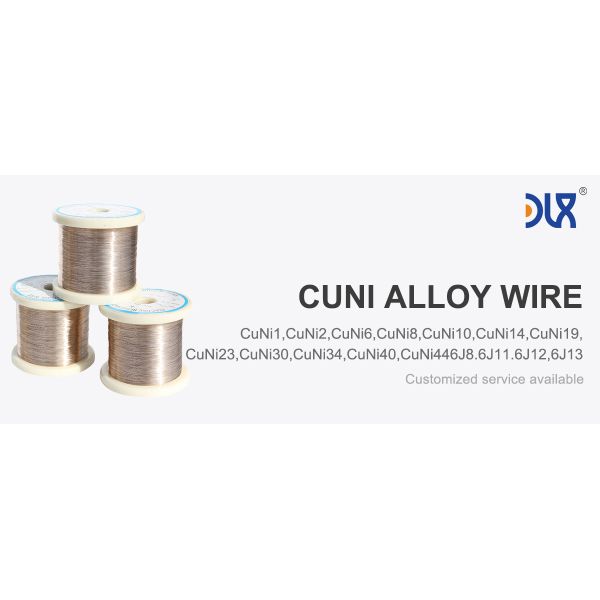
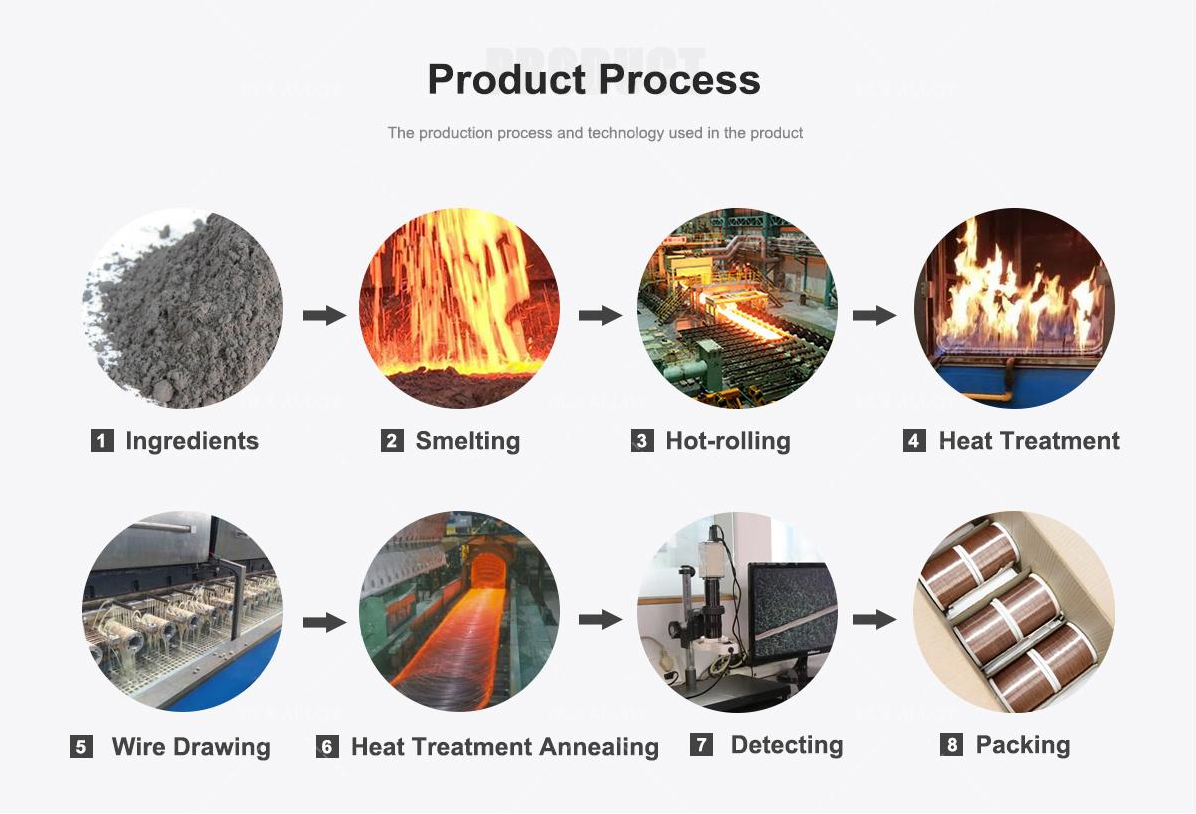
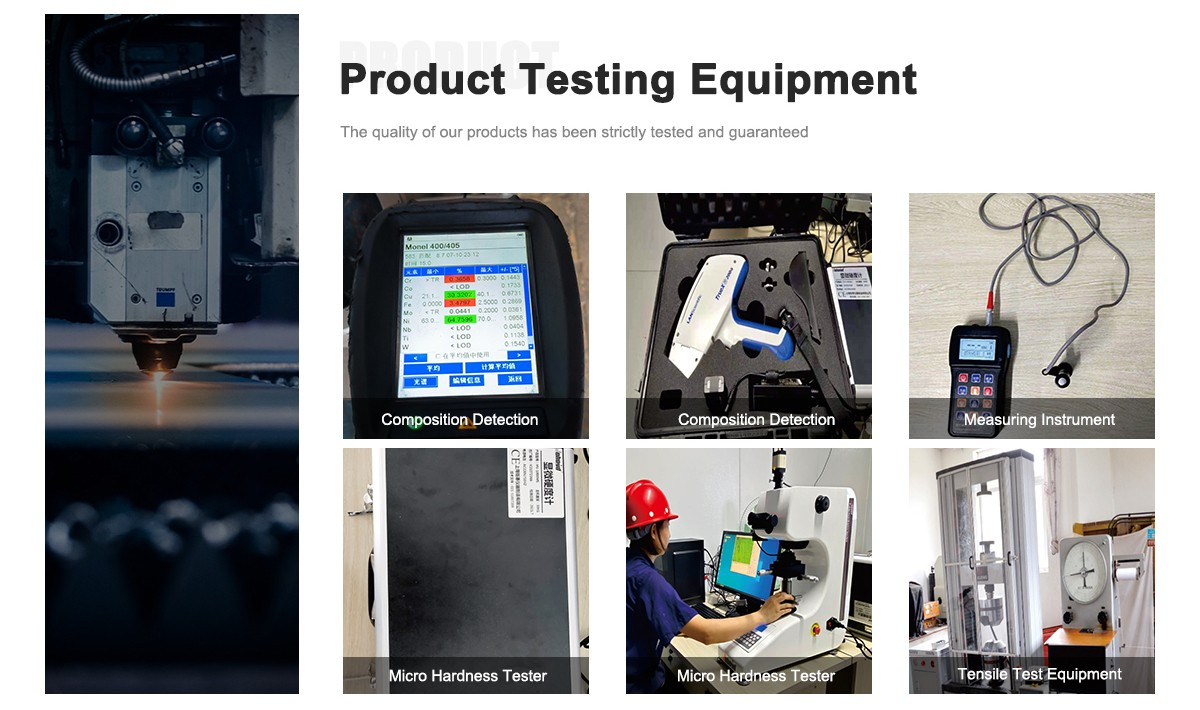
The global energy shift towards sustainable and clean energy solutions is accelerating, and hydrogen production plays a central role in this transformation. Electrolysis, a method of producing hydrogen by splitting water into oxygen and hydrogen, is considered one of the most promising technologies for clean hydrogen production. For electrolysis to be efficient, however, the right materials are essential. That’s where CuNi1 Copper-Nickel Wire comes into play. With its excellent resistance to corrosion, high efficiency, and long lifespan, CuNi1 alloy wire is an ideal choice for electrolysis applications, particularly in the production of hydrogen. DLX is proud to offer CuNi1 copper-nickel wire that ensures reliability and high performance for your electrochemical processes.
Product Overview
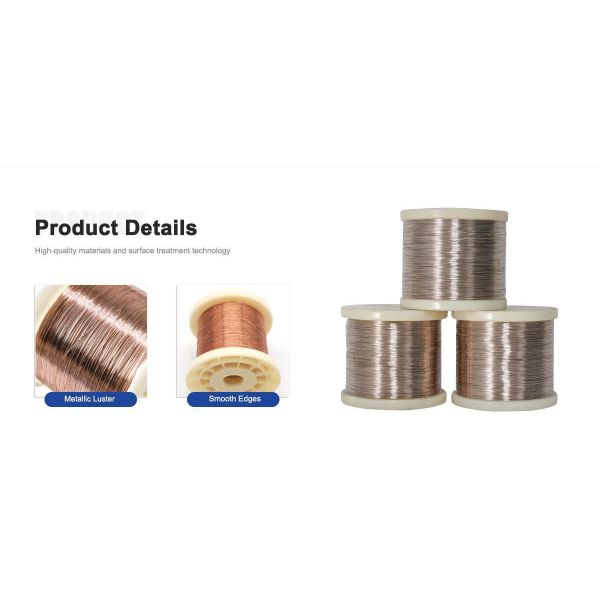
CuNi1 Copper-Nickel Wire is specifically engineered for use in hydrogen electrolysis, a key process in producing green hydrogen. The wire’s unique combination of copper and nickel provides a durable, corrosion-resistant solution that ensures both optimal performance and longevity in harsh electrochemical environments. Whether you're working with industrial-scale electrolyzers or laboratory-scale applications, CuNi1 wire is an excellent choice for enhancing the efficiency of your hydrogen production process.
At DLX, our CuNi1 copper-nickel wire is manufactured to meet the highest standards, offering both customization and consistency across applications. From enhancing the lifespan of your equipment to reducing energy consumption, our CuNi1 wire is the trusted material you need for your electrolysis projects.
| Properties Material | Resistivity 200c μΩ.m | Max working temperature (℃) | Tensile strength (Mpa) | Melting point (℃) | Density (g/cm3) | TCR *10-6/℃ (20-600℃) | EMF vs Cu (μV/℃) (0-100℃) |
| CuNi1 | 0.03 | 200 | 210 | 1085 | 8.9 | <100 | -8 |
| CuNi2 | 0.05 | 200 | 220 | 1090 | 8.9 | <120 | -12 |
| CuNi6 | 0.1 | 220 | 250 | 1095 | 8.9 | <60 | -18 |
| CuNi8 | 0.12 | 250 | 270 | 1097 | 8.9 | <57 | -22 |
| CuNi10 | 0.15 | 250 | 290 | 1100 | 8.9 | <50 | -25 |
| CuNi14 | 0.2 | 300 | 310 | 1115 | 8.9 | <30 | -28 |
| CuNi19 | 0.25 | 300 | 340 | 1135 | 8.9 | <25 | -32 |
| CuNi23 | 0.3 | 300 | 350 | 1150 | 8.9 | <16 | -34 |
| CuNi30 | 0.35 | 350 | 400 | 1170 | 8.9 | <10 | -37 |
| CuNi34 | 0.4 | 350 | 400 | 1180 | 8.9 | 0 | -39 |
| CuNi44 | 0.5 | 400 | 420 | 1200 | 8.9 | <-6 | -43 |
Key Features of CuNi1 Copper-Nickel Wire
- High Corrosion Resistance: CuNi1 alloy wire exhibits exceptional resistance to corrosion in both alkaline and acidic electrolytes. This ensures that the wire will last longer in electrolysis applications, where exposure to corrosive substances is common.
- Enhanced Electrical Conductivity: With a conductivity rating of 25% IACS, CuNi1 wire helps minimize energy loss during electrolysis, improving overall system efficiency and reducing operational costs.
- Excellent Mechanical Properties: With a tensile strength of at least 450 MPa, CuNi1 alloy wire is highly durable, making it well-suited for demanding electrolysis environments that require both strength and flexibility.
- Thermal Stability: The CuNi1 alloy wire can withstand temperatures up to 600°C, making it ideal for high-temperature electrolysis processes where many traditional materials may fail.
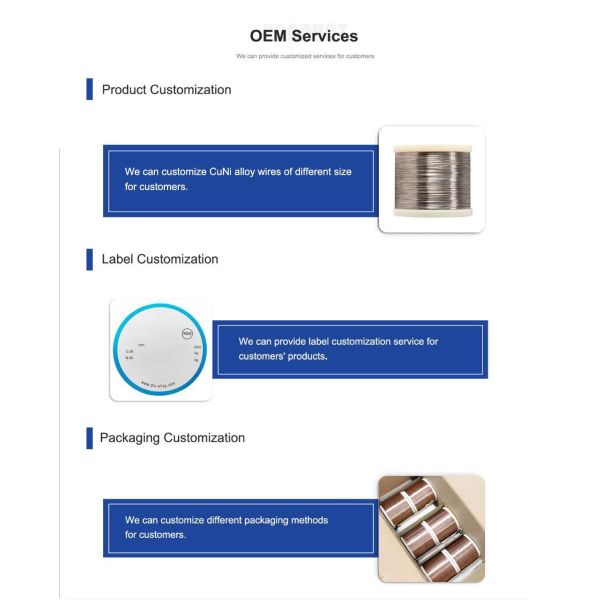
- Customizable to Your Needs: CuNi1 alloy wire is available in various diameters and lengths, ensuring that we can meet the specific requirements of your electrolysis setup, whether it’s for small-scale or large-scale production.


Advantages of CuNi1 Copper-Nickel Wire
- Improved Electrolysis Efficiency: CuNi1 wire minimizes energy loss during hydrogen electrolysis due to its superior conductivity, allowing for higher efficiency and more cost-effective hydrogen production.
- Extended Lifespan of Electrolysis Equipment: The high corrosion resistance of CuNi1 wire means your electrolyzer components will last longer, reducing maintenance costs and the need for frequent replacements.
- Stable Performance in Harsh Conditions: Whether exposed to high temperatures or aggressive electrolytes, CuNi1 alloy wire maintains its mechanical integrity and performance, ensuring reliable operation even in demanding conditions.
- Eco-Friendly: CuNi1 wire contributes to the production of green hydrogen, supporting industries in their pursuit of sustainability and carbon footprint reduction.
- Long-Term Cost Savings: With its durability and efficiency, CuNi1 copper-nickel wire proves to be a wise investment, offering long-term savings by reducing both operational and maintenance costs.
Industry Analysis
The demand for hydrogen, particularly green hydrogen, is on the rise. As countries strive to meet climate goals and reduce greenhouse gas emissions, hydrogen is emerging as a clean alternative to fossil fuels. Electrolysis plays a central role in this shift, and the materials used in electrolysis systems are becoming increasingly critical for ensuring efficient and sustainable hydrogen production.
The growing adoption of hydrogen fuel cells in industries like transportation, power generation, and heavy manufacturing is further driving the demand for high-performance materials like CuNi1 copper-nickel wire. This wire’s ability to withstand harsh environments, maintain conductivity, and ensure long-term performance positions it as a leading choice for the hydrogen industry.
As electrolyzers continue to evolve and scale, materials like CuNi1 copper-nickel wire will be instrumental in advancing the hydrogen economy. It offers a cost-effective, sustainable solution that meets the increasing need for high-efficiency materials in electrolysis systems.
Applications of CuNi1 Copper-Nickel Wire
CuNi1 copper-nickel wire is primarily used in:
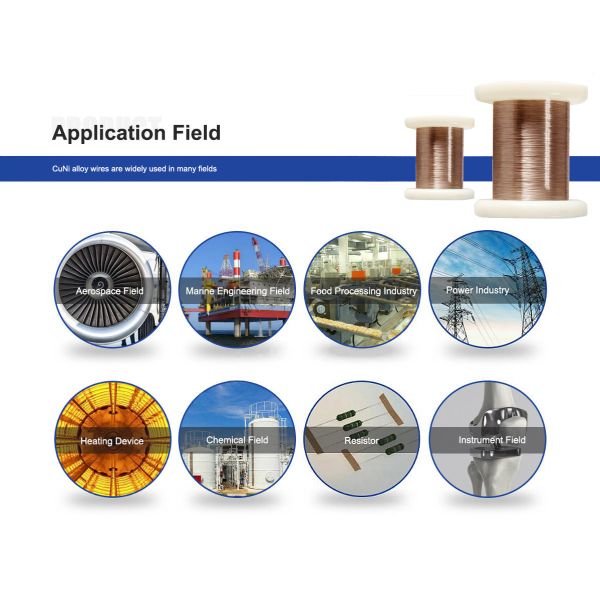
- Electrolyzers for Hydrogen Production: The wire is crucial in electrolysis systems where it serves as an electrode material, facilitating the efficient production of hydrogen from water.
- Fuel Cells: CuNi1 wire is also used in fuel cells, where it helps enhance the efficiency of energy conversion, contributing to the development of cleaner transportation options.
- Industrial Electrochemical Processes: Its corrosion resistance and durability make CuNi1 alloy wire ideal for various electrochemical applications, including in industries such as marine, chemical, and petrochemical.
- Electrical Contacts and Connectors: Due to its excellent conductivity, CuNi1 wire is also used in electrical contacts and connectors, where reliability and performance are key.
Why Choose DLX for CuNi1 Copper-Nickel Wire?
DLX is a trusted leader in the manufacturing of high-quality materials for electrochemical applications, with a strong focus on research and development to meet the evolving needs of the hydrogen sector. We offer:
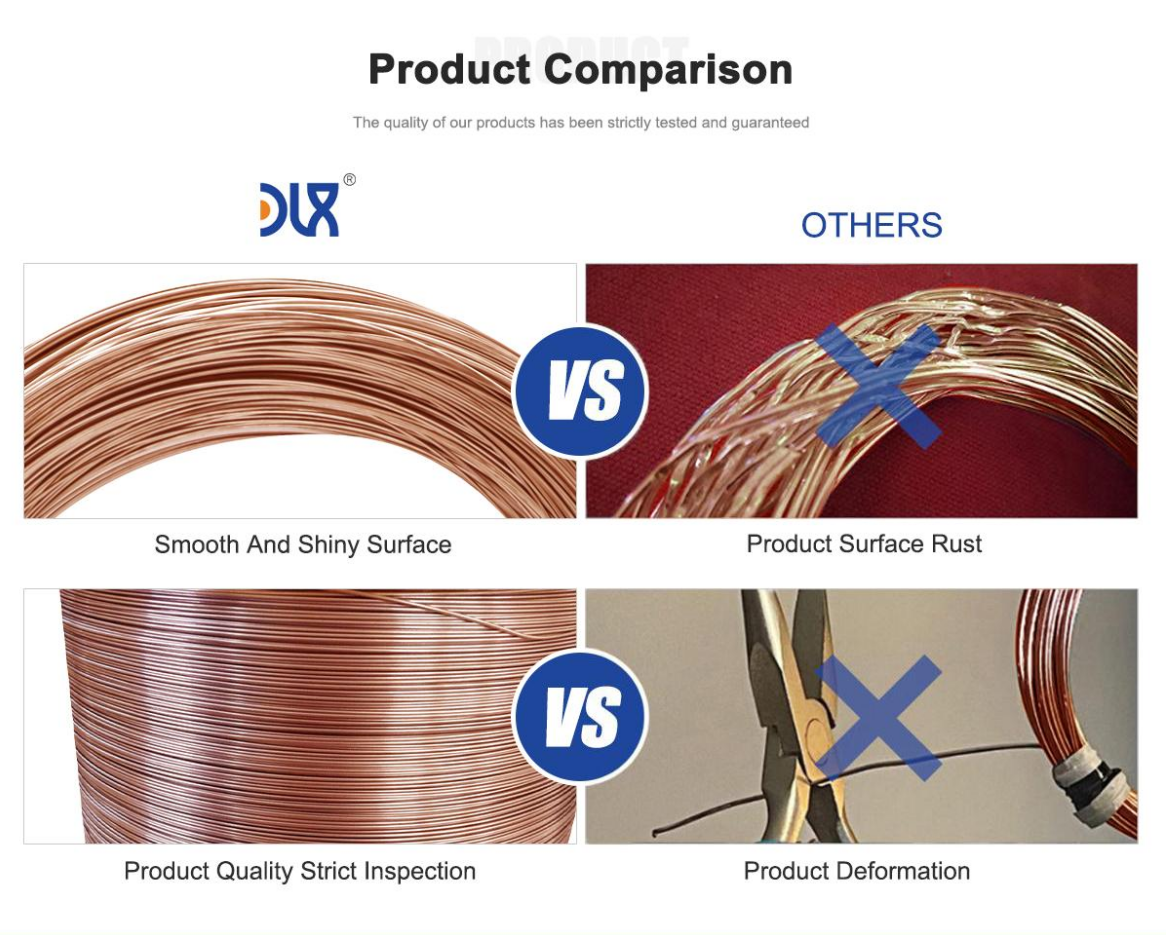
- Superior Quality Control: All of our CuNi1 wire is produced under strict quality control protocols to ensure top-tier performance, durability, and reliability.
- Tailored Solutions: Whether you need custom wire diameters, lengths, or finishes, we work closely with you to meet your specific application requirements.
- Experience and Expertise: With years of industry experience, DLX understands the technical demands of electrochemical processes and provides expert guidance to ensure the best material choices for your project.
- Sustainability Commitment: DLX is committed to producing environmentally friendly materials, contributing to the global effort to reduce carbon emissions and advance clean energy.
Frequently Asked Questions (FAQs)
- What is CuNi1 copper-nickel wire?
CuNi1 copper-nickel wire is an alloy made of copper and nickel, used in electrolysis systems for hydrogen production due to its durability, corrosion resistance, and conductivity. - Why is CuNi1 wire suitable for hydrogen production?
CuNi1 wire provides excellent resistance to corrosion, maintains high conductivity, and is stable in high-temperature, high-stress environments, making it ideal for efficient hydrogen electrolysis. - How does CuNi1 wire compare to other materials in terms of durability?
CuNi1 offers superior corrosion resistance compared to many other materials, significantly extending the lifespan of electrolyzers and reducing the need for maintenance. - What is the maximum temperature CuNi1 wire can withstand?
CuNi1 wire can operate at temperatures up to 600°C, making it suitable for high-temperature electrolysis processes. - Can CuNi1 wire be customized for specific applications?
Yes, we offer CuNi1 wire in a range of diameters and lengths, with custom options available to meet your specific electrolysis and electrochemical application requirements. - How does CuNi1 wire contribute to electrolysis efficiency?
CuNi1 wire minimizes energy loss by maintaining high conductivity, leading to more efficient hydrogen production and reduced operational costs. - Is CuNi1 wire resistant to both acidic and alkaline electrolytes?
Yes, CuNi1 wire excels in both acidic and alkaline environments, ensuring that your electrolysis system operates reliably over time. - What industries use CuNi1 wire?
CuNi1 wire is used in hydrogen production, fuel cells, and various electrochemical processes across industries such as transportation, energy, marine, and chemicals.