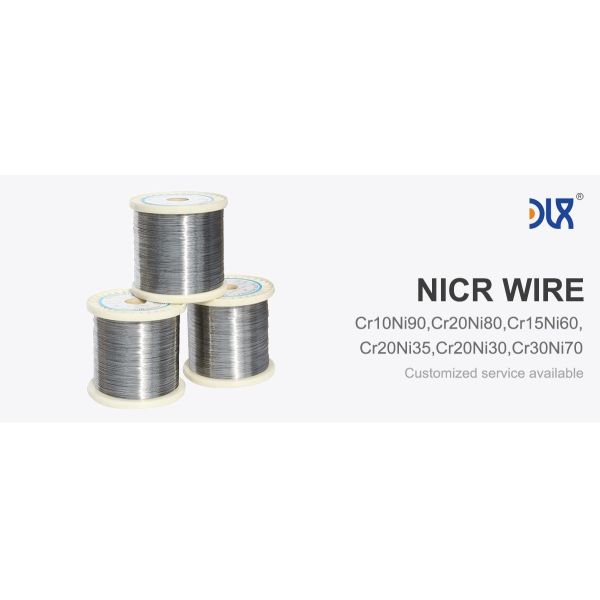
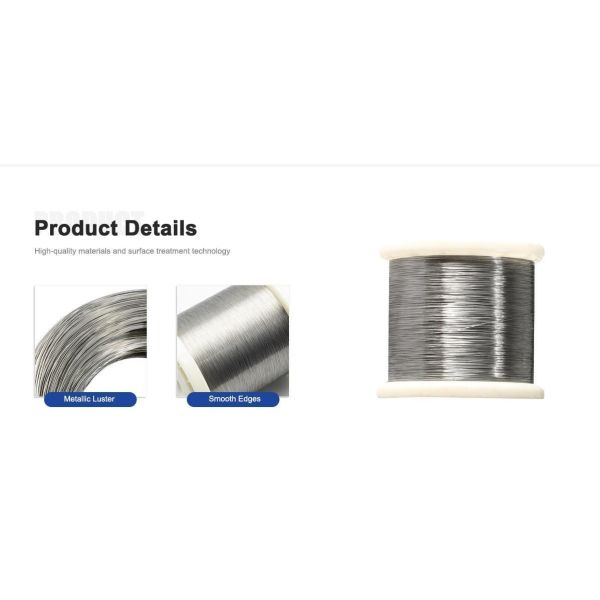
The demand for clean energy is pushing industries to find more efficient and sustainable ways to produce hydrogen. Electrolysis water splitting, a process that uses electricity to split water into hydrogen and oxygen, is one of the most promising methods for producing green hydrogen. Central to the success of this process are the materials used in electrolyzers. DLX’s Cr20Ni30 Nichrome Wire offers a high-performance solution that ensures durability, efficiency, and reliability in electrolysis water splitting systems. This specialized wire, made from a combination of 20% chromium and 30% nickel, is designed to withstand the demanding conditions of electrolysis, helping industries achieve higher yields and reduced operating costs.
DLX's Cr20Ni30 Nichrome Wire is an advanced alloy that delivers outstanding performance in electrolysis water splitting applications. The wire is specifically designed for use in electrolyzers, where its excellent resistance to oxidation, high temperature tolerance, and efficient electrical conductivity make it a reliable choice for industrial applications.
As industries push for greener alternatives, the need for efficient and reliable electrolyzers is more critical than ever. Cr20Ni30 Nichrome Wire plays a key role in making this possible, offering high resistance to corrosion, excellent thermal stability, and enhanced conductivity to optimize the electrolysis process and improve overall system efficiency.
| Performance / material | Cr10Ni90 | Cr20Ni80 | Cr30Ni70 | Cr15Ni60 | Cr20Ni35 | Cr20Ni30 | |
| Composition | Ni | 90 | Rest | Rest | 55.0~61.0 | 34.0~37.0 | 30.0~34.0 |
| Cr | 10 | 20.0~23.0 | 28.0~31.0 | 15.0~18.0 | 18.0~21.0 | 18.0~21.0 | |
| Fe | -- | ≤1.0 | ≤1.0 | Rest | Rest | Rest | |
| Maximum temperature℃ | 1300 | 1200 | 1250 | 1150 | 1100 | 1100 | |
| Meltiing point ℃ | 1400 | 1400 | 1380 | 1390 | 1390 | 1390 | |
| Density g/cm3 | 8.7 | 8.4 | 8.1 | 8.2 | 7.9 | 7.9 | |
| Resistivity at 20℃ (μΩ·m) | -- | 1.09±0.05 | 1.18±0.05 | 1.12±0.05 | 1.00±0.05 | 1.04±0.05 | |
| Elongation at rupture | ≥20 | ≥20 | ≥20 | ≥20 | ≥20 | ≥20 | |
| Specific heat (J/g.℃) | -- | 0.44 | 0.461 | 0.494 | 0.5 | 0.5 | |
| Thermal conductivity (KJ/m.h℃) | -- | 60.3 | 45.2 | 45.2 | 43.8 | 43.8 | |
| Coefficient of lines expansion a×10-6/(20~1000℃) | -- | 18 | 17 | 17 | 19 | 19 | |
| Micrographic structure | -- | Austenite | Austenite | Austenite | Austenite | Austenite | |
| Magnetic properties | -- | Non-magnetic | Non-magnetic | Non-magnetic | Weak magnetic | Weak magnetic | |
| Shape | Size (mm) |
| Wire | 0.05-7.5 |
| Rod | 8-50 |
| Ribbon | (0.05-0.35)*(0.5-6.0) |
| Strip | (0.5-2.5)*(5-40) |
Superior Corrosion Resistance
Cr20Ni30 offers exceptional resistance to oxidation and corrosion, even in highly alkaline or acidic environments. In electrolyzers, where the wire is exposed to harsh conditions such as constant exposure to high temperatures and electrolytic solutions, this resistance ensures the wire lasts longer without degrading.
Efficient Electrical Conductivity
Cr20Ni30's unique alloy composition ensures high electrical conductivity while minimizing energy loss. This characteristic optimizes the efficiency of the electrolysis process, ensuring that more of the energy is effectively used for hydrogen production, which is critical in reducing the overall cost of hydrogen generation.
Thermal Stability for High-Temperature Environments
Electrolysis systems often operate at elevated temperatures, and Cr20Ni30’s high melting point (1400°C) and excellent thermal stability ensure that it maintains its integrity and efficiency even under extreme heat, contributing to long-term performance and reliability.
Durability in Harsh Electrochemical Conditions
Cr20Ni30 wire excels in electrochemical environments due to its resilience to thermal cycling, corrosion, and wear, which extends the life of electrolyzers and reduces the need for frequent replacements.
Customizable for Various Applications
Available in a wide range of diameters, Cr20Ni30 Nichrome Wire can be tailored to meet the specific requirements of different electrolysis systems, whether for small-scale or industrial-scale hydrogen production.

When compared to other materials on the market, DLX’s Cr20Ni30 Nichrome Wire is a top-tier choice for electrolysis applications due to several key advantages:
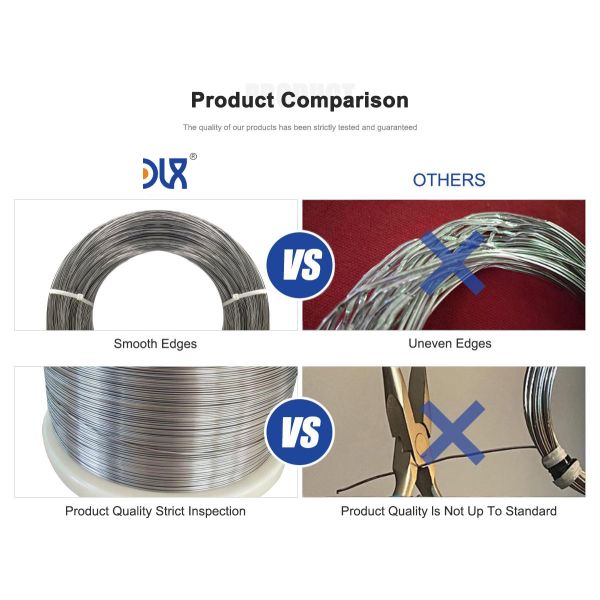
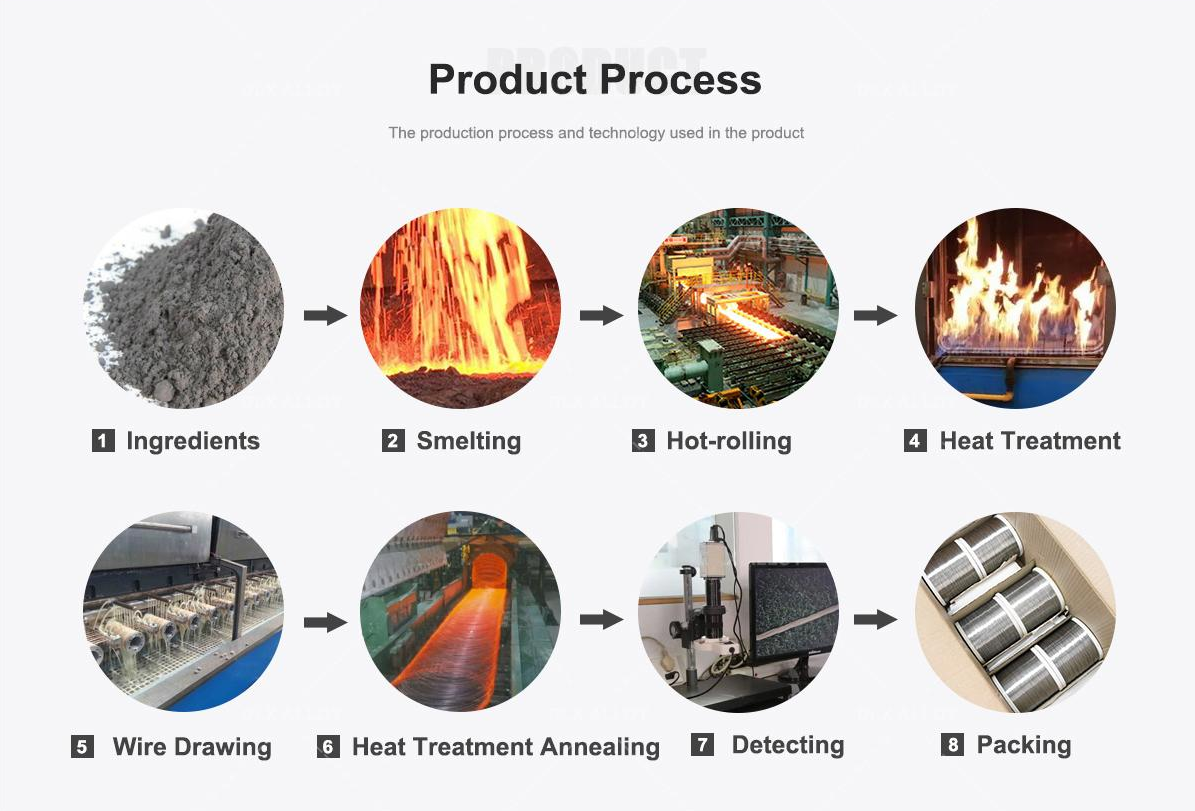
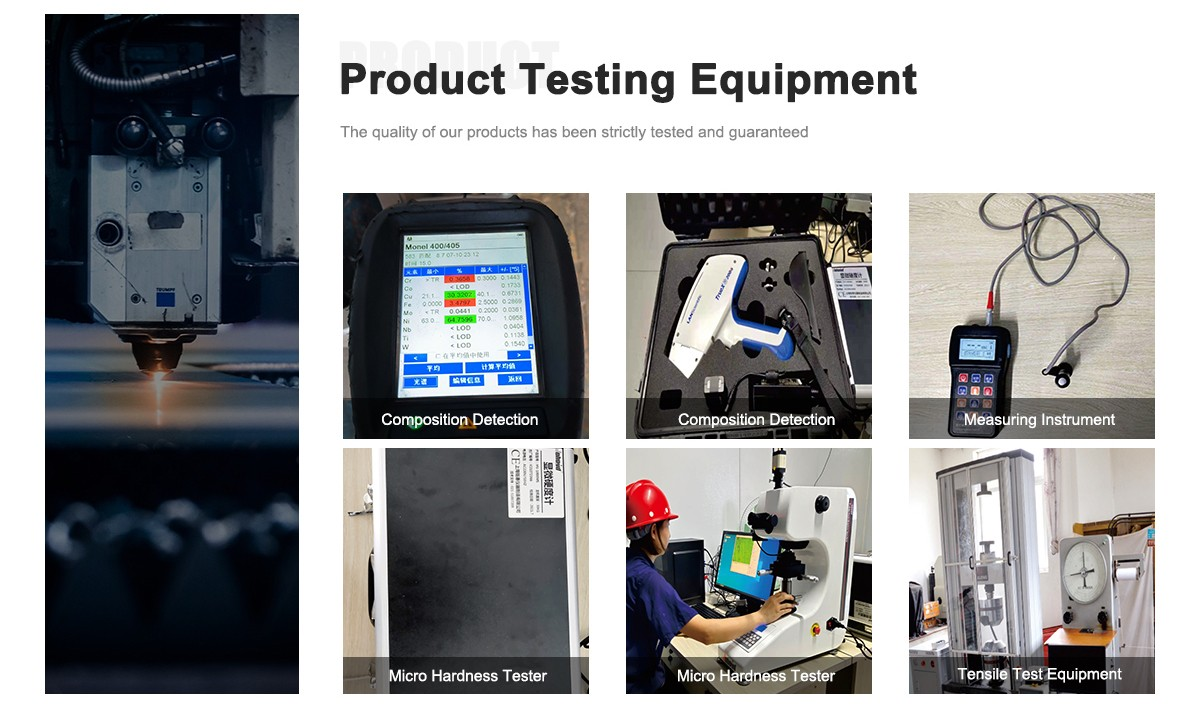
Consistent and High-Quality Production: DLX ensures that every batch of wire meets strict quality control standards, guaranteeing reliable performance and long-term durability in electrolysis systems.
Cost-Effective Solution: Although initially more expensive than some other wires, the long-lasting durability and efficiency of Cr20Ni30 wire ultimately provide significant cost savings by reducing maintenance and operational costs over time.
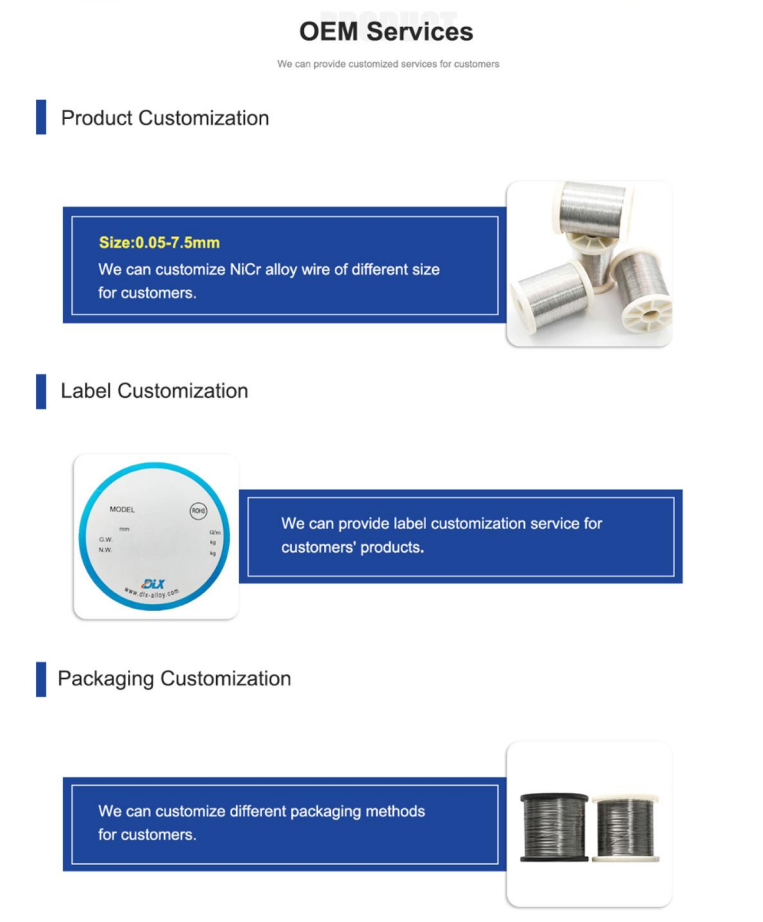
Tailored Support: DLX works directly with clients to ensure that the wire is adapted to the specific requirements of their electrolysis systems, offering customized solutions for maximum efficiency.
Global Availability: With a well-established distribution network, DLX ensures that its products are available globally, supporting industries in every region and helping to meet the growing demand for green hydrogen.

The demand for hydrogen as a clean fuel source is skyrocketing as industries and governments alike push for a transition to low-carbon economies. Hydrogen is seen as a versatile and sustainable energy carrier, and its production through electrolysis is one of the most promising methods for achieving a clean hydrogen economy.
However, electrolysis remains an energy-intensive process, and improving its efficiency is a priority for both researchers and industry leaders. Materials like Cr20Ni30 Nichrome Wire play a crucial role in improving efficiency by minimizing energy loss, increasing system durability, and reducing maintenance costs.
As the global hydrogen market grows, industries involved in energy, chemicals, transportation, and heavy industries will need more efficient and cost-effective electrolysis systems. This increase in demand for electrolyzers will drive the need for high-performance materials like Cr20Ni30, ensuring that the hydrogen economy can meet the challenges of scalability and efficiency.
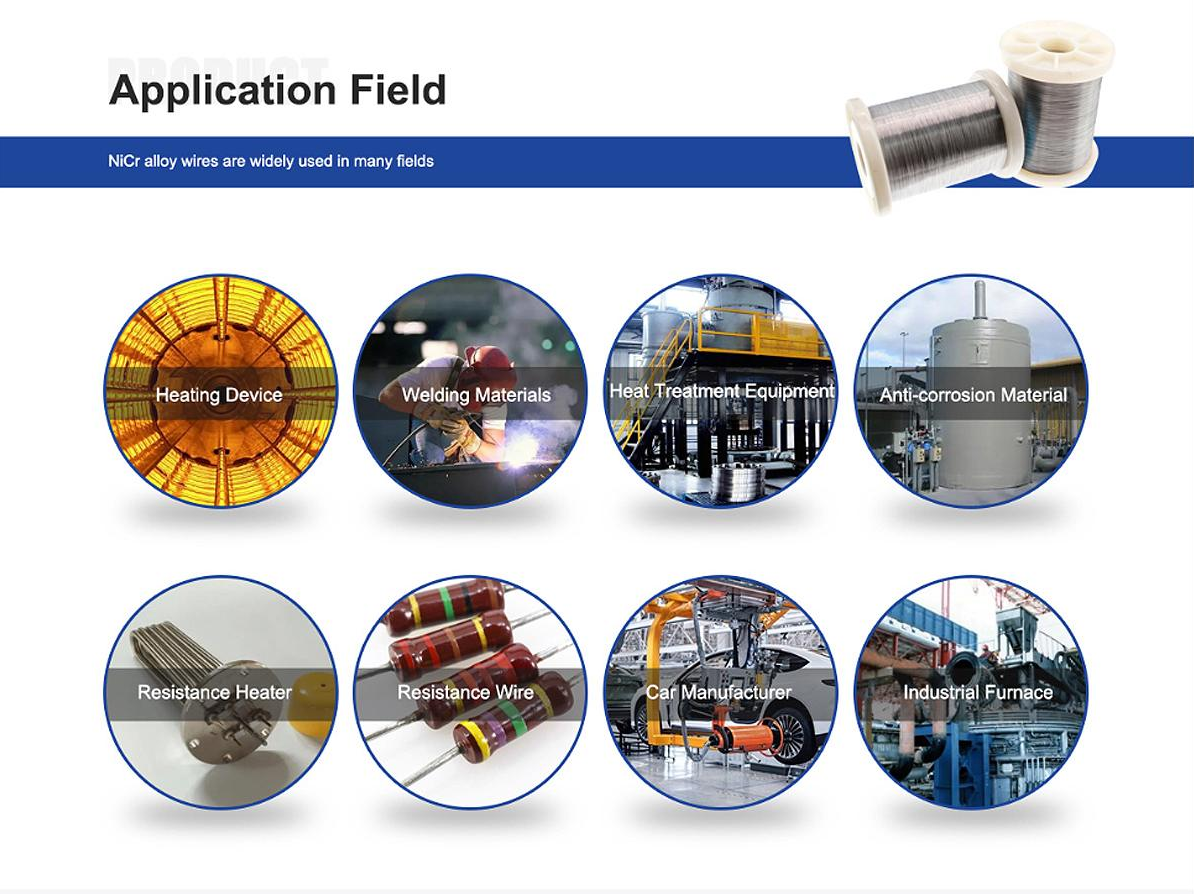
DLX’s Cr20Ni30 Nichrome Wire is widely used in various applications, particularly in systems focused on water splitting and hydrogen production:
Electrolytic Hydrogen Production: The wire is integral to the functioning of electrolyzers, contributing to the efficient production of hydrogen in green energy systems.
Industrial Heating Elements: Due to its high resistance and thermal stability, Cr20Ni30 wire is also used in electric heating elements for furnaces, ovens, and industrial heating applications.
Chemical Processing: The wire’s durability and resistance to corrosion make it ideal for use in electrochemical cells, metal extraction, and other chemical processes requiring high resistance materials.
Thermal Management Systems: Cr20Ni30 wire is used in various applications where precise control of heat and electricity is needed, ensuring stability and efficiency in high-temperature systems.

1. Why is Cr20Ni30 Nichrome Wire used for electrolysis water splitting systems?
The wire offers exceptional resistance to corrosion, high electrical conductivity, and thermal stability, making it perfect for use in the harsh conditions of electrolyzers used in water splitting for hydrogen production.
2. How does Cr20Ni30 Nichrome Wire contribute to improved efficiency in electrolysis?
Its high electrical resistance reduces energy loss during the electrolysis process, ensuring that more energy is effectively converted into hydrogen, which is key for improving the efficiency of the system.
3. What is the maximum temperature Cr20Ni30 wire can withstand?
Cr20Ni30 Nichrome Wire can safely operate at temperatures up to 1200°C, making it suitable for high-temperature electrolysis applications.
4. Can Cr20Ni30 Nichrome Wire be used in applications other than hydrogen production?
Yes, Cr20Ni30 is also used in heating elements, industrial ovens, and other high-temperature electrochemical applications, offering versatility across industries.
5. How long does Cr20Ni30 wire last in electrolytic hydrogen production systems?
Due to its excellent corrosion resistance and thermal stability, Cr20Ni30 wire has a long operational life, reducing the need for frequent replacements and maintenance.
6. How do I choose the right diameter for my electrolysis system?
DLX offers a range of diameters for Cr20Ni30 wire, and we can assist you in selecting the optimal size based on your specific electrolysis system requirements.
7. Is Cr20Ni30 Nichrome Wire environmentally friendly?
Yes, Cr20Ni30 wire is part of the growing green hydrogen production market, which plays a critical role in reducing carbon emissions and contributing to a cleaner, more sustainable energy future.
8. Can DLX customize Cr20Ni30 Nichrome Wire for specific needs?
Absolutely. DLX provides customized solutions tailored to your specific electrolysis system, ensuring that the wire fits your unique operational requirements.