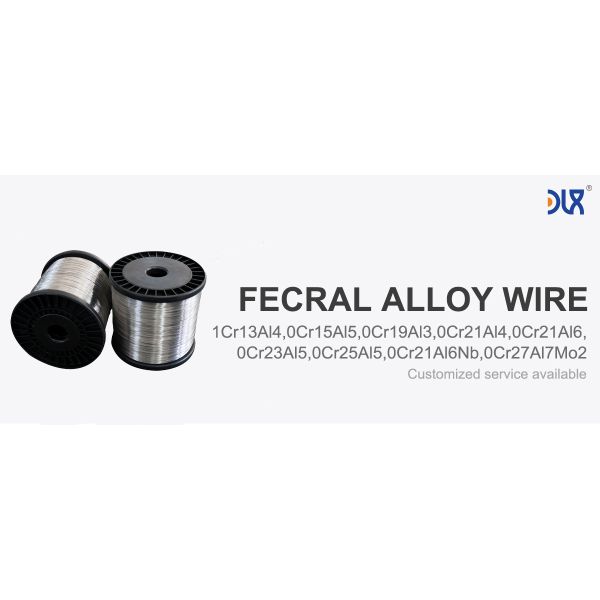
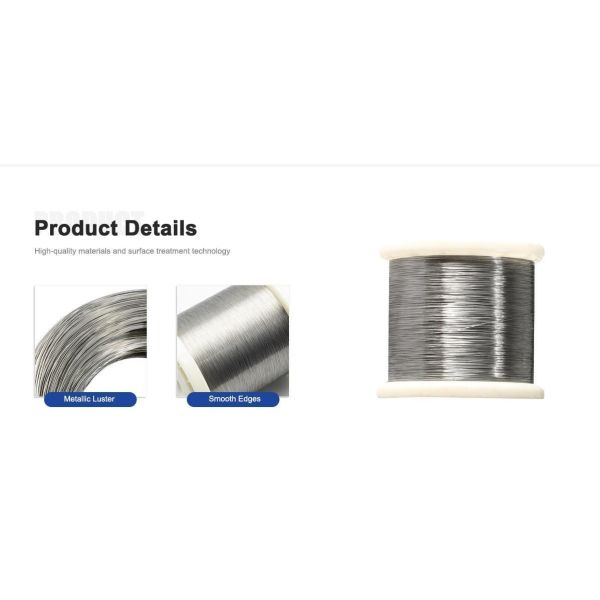
0Cr19Al3 FeCrAl Wire is a high-performance FeCrAl alloy that contains 19% chromium and 3% aluminum, making it highly resistant to oxidation and corrosion. These properties are especially important in the harsh electrolytic environments where electrolysis takes place, where the wire is exposed to both high temperatures and corrosive electrolytes. The wire’s stable electrical resistance and excellent heat resistance allow it to perform reliably over time, ensuring high efficiency in the hydrogen production process.
Used primarily as an electrode material in electrolysis systems, 0Cr19Al3 Alloy Wire facilitates the splitting of water molecules into hydrogen and oxygen. It ensures minimal energy loss, helps optimize the electrolysis process, and significantly improves the overall efficiency of hydrogen generation.
| Alloy Nomenclature Performance | 1Cr13Al4 | 0Cr25Al5 | 0Cr21Al6 | 0Cr23Al5 | 0Cr21Al4 | 0Cr21Al6Nb | 0Cr27Al7Mo2 |
|---|---|---|---|---|---|---|---|
| Chemical Composition (%) - Cr | 12.0-15.0 | 23.0-26.0 | 19.0-22.0 | 20.5-23.5 | 18.0-21.0 | 21.0-23.0 | 26.5-27.8 |
| Chemical Composition (%) - Al | 4.0-6.0 | 4.5-6.5 | 5.0-7.0 | 4.2-5.3 | 3.0-4.2 | 5.0-7.0 | 6.0-7.0 |
| Chemical Composition (%) - Re | Opportune | Opportune | Opportune | Opportune | Opportune | Opportune | Opportune |
| Chemical Composition (%) - Fe | Rest | Rest | Rest | Rest | Rest | Rest | Rest |
| Max. Continuous Service Temp. of Element (°C) | 950 | 1250 | 1250 | 1250 | 1100 | 1350 | 1400 |
| Resistivity at 20°C (μΩ.m) | 1.25 | 1.42 | 1.42 | 1.35 | 1.23 | 1.45 | 1.53 |
| Density (g/cm³) | 7.4 | 7.1 | 7.16 | 7.25 | 7.35 | 7.1 | 7.1 |
| Thermal Conductivity (KJ/m.h) | 52.7 | 46.1 | 63.2 | 60.2 | 46.9 | 46.1 | -- |
| Coefficient of Linear Expansion (αx10⁻⁶/℃) | 15.4 | 16 | 14.7 | 15 | 13.5 | 16 | 16 |
| Melting Point Approx (°C) | 1450 | 1500 | 1500 | 1500 | 1500 | 1510 | 1520 |
| Tensile Strength (N/mm²) | 580-680 | 630-780 | 630-780 | 630-780 | 600-700 | 650-800 | 680-830 |
| Elongation at Rupture (%) | >16 | >12 | >12 | >12 | >12 | >12 | >10 |
| Variation of Area (%) | 65-75 | 60-75 | 65-75 | 65-75 | 65-75 | 65-75 | 65-75 |
| Repeat Bending Frequency (F/R) | >5 | >5 | >5 | >5 | >5 | >5 | >5 |
| Hardness (H.B.) | 200-260 | 200-260 | 200-260 | 200-260 | 200-260 | 200-260 | 200-260 |
| Continuous Service Time (Hours/°C) | -- | ≥80/1300 | ≥80/1300 | ≥80/1300 | ≥80/1250 | ≥80/1350 | ≥80/1350 |
| Micrographic Structure | Ferrite | Ferrite | Ferrite | Ferrite | Ferrite | Ferrite | Ferrite |
| Magnetic Properties | Magnetic | Magnetic | Magnetic | Magnetic | Magnetic | Magnetic | Magnetic |
| Shape | Size (mm) |
|---|---|
| Wire | 0.05-7.5 |
| Rod | 8-50 |
| Ribbon | (0.05-0.35)*(0.5-6.0) |
| Strip | (0.5-2.5)*(5-180) |
Exceptional Oxidation and Corrosion Resistance: The high chromium (19%) and aluminum (3%) content of 0Cr19Al3 Alloy Wire provides superior protection against oxidation and corrosion, making it ideal for the harsh conditions in electrolysis systems.
Stable Electrical Resistance: The wire maintains stable electrical resistance during the electrolysis process, allowing for efficient energy transfer, better hydrogen production rates, and reduced energy consumption.
High Thermal Stability: Capable of withstanding temperatures up to 1,500°C, 0Cr19Al3 Alloy Wire is perfect for high-temperature electrolysis applications, where other materials might degrade or fail.
Durability and Longevity: Due to its high resistance to thermal stress and corrosion, this alloy wire has a long service life, reducing the frequency of replacements and minimizing downtime in electrolysis systems.
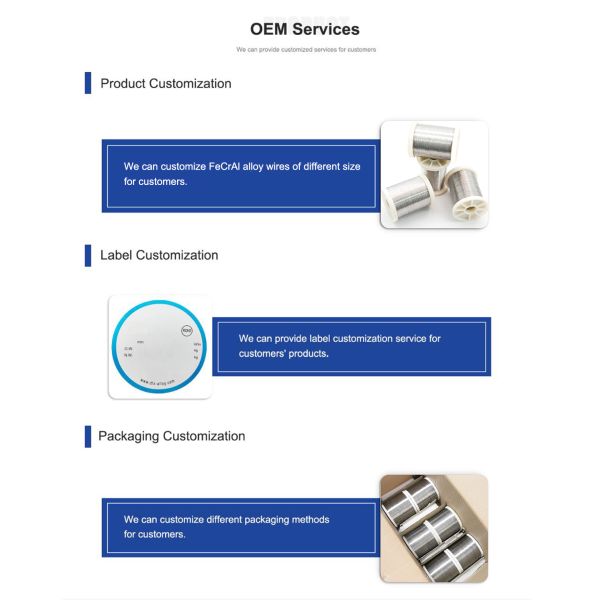
Customizable Dimensions: Available in a variety of diameters and lengths, 0Cr19Al3 Alloy Wire can be tailored to suit specific electrolysis system requirements.


Improved Electrolysis Efficiency: With its stable electrical properties and heat resistance, 0Cr19Al3 Alloy Wire ensures that electrolysis systems operate at optimal efficiency, reducing energy waste and increasing hydrogen production.
Cost-Effective Long-Term Solution: The durability of 0Cr19Al3 Alloy Wire reduces the need for frequent replacements, lowering maintenance costs and improving the overall cost-effectiveness of hydrogen production systems.
Increased System Lifespan: The wire’s resistance to oxidation and corrosion allows it to maintain its performance over extended periods, helping your electrolysis system last longer and reducing operational interruptions.
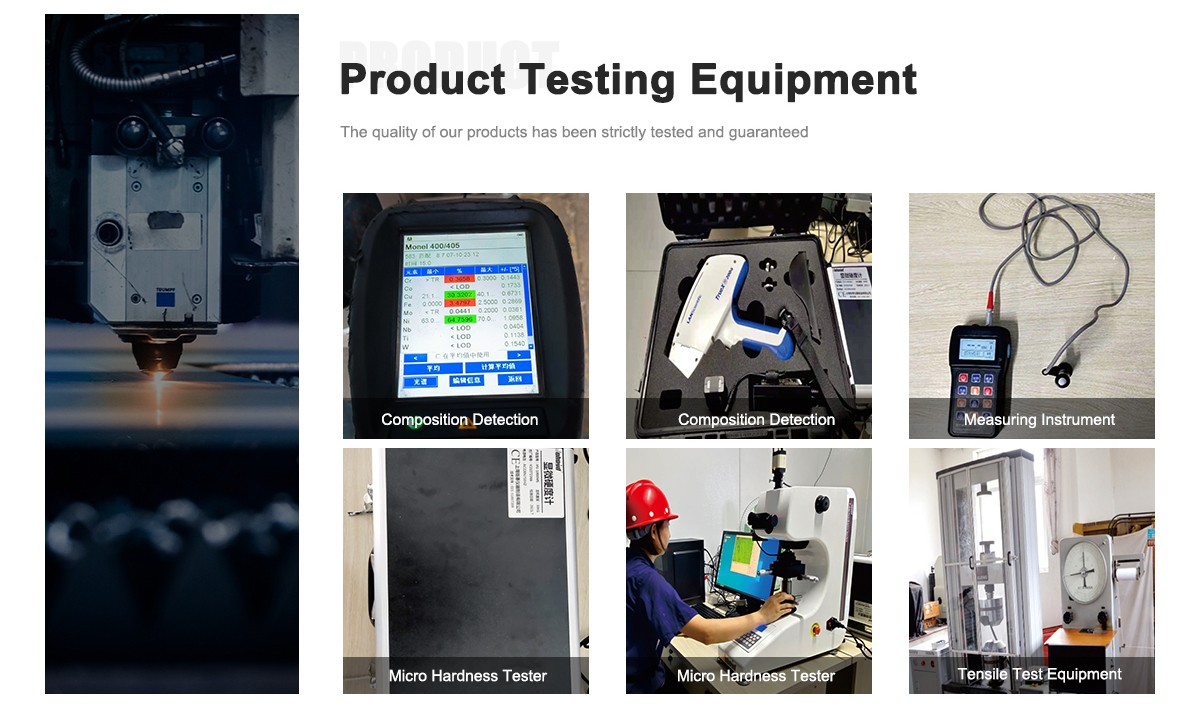
Reliable Quality: DLX adheres to strict quality control processes to ensure that each batch of 0Cr19Al3 Alloy Wire meets industry standards for performance, so you can rely on it for consistent and efficient hydrogen production.
Eco-Friendly and Sustainable: By facilitating the production of green hydrogen, 0Cr19Al3 Alloy Wire contributes to reducing global carbon emissions and supporting the transition to clean, renewable energy sources.
The hydrogen economy is rapidly gaining momentum as industries, governments, and consumers seek to decarbonize energy systems and reduce reliance on fossil fuels. Hydrogen, particularly green hydrogen produced via electrolysis, is seen as a critical solution for sectors such as transportation, power generation, and industrial processes, all of which need clean, reliable energy.
As the demand for green hydrogen grows, electrolysis systems are scaling up to produce hydrogen at a larger, more efficient rate. This increase in scale presents a need for high-performance materials like 0Cr19Al3 Alloy Wire to ensure the longevity, efficiency, and reliability of these systems. The growing interest in clean hydrogen, paired with the development of new electrolysis technologies, means that 0Cr19Al3 Alloy Wire will continue to play an essential role in the hydrogen production industry.
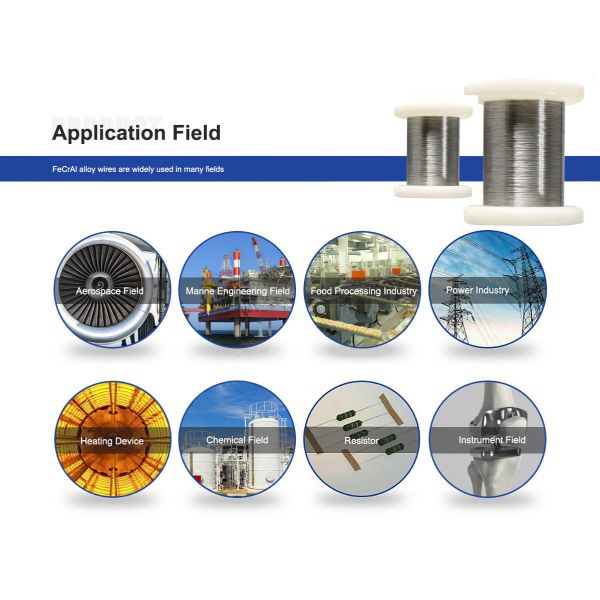
Hydrogen Production via Electrolysis: The primary use of 0Cr19Al3 Alloy Wire is as an electrode material in water electrolysis cells, where it facilitates the electrochemical reaction that splits water into hydrogen and oxygen.
Fuel Cells: The wire is also utilized in fuel cell applications, where hydrogen is converted into electricity. 0Cr19Al3 Alloy Wire provides the necessary conductivity and durability for this process.
Energy Storage: Hydrogen generated through electrolysis can be stored for later use as a clean energy source. 0Cr19Al3 Alloy Wire plays a key role in improving the efficiency and effectiveness of hydrogen production systems used in energy storage solutions.
Industrial Hydrogen Production: The wire is used in industries like chemical production, petroleum refining, and ammonia synthesis, where hydrogen is needed for various processes.
High-Temperature Applications: Due to its thermal stability, 0Cr19Al3 Alloy Wire is ideal for high-temperature industrial applications, such as heat exchangers and reactors.


DLX Corporation is a leader in providing high-performance materials for industries at the forefront of energy innovation. When you choose 0Cr19Al3 Alloy Wire, you are selecting a durable, efficient solution for your hydrogen production needs. Our wire is designed to enhance the performance and lifespan of electrolysis systems, ensuring reliable and consistent hydrogen generation.
Why Choose DLX?
Industry Expertise: DLX has years of experience in supplying high-quality materials for cutting-edge industries, including the hydrogen and clean energy sectors.
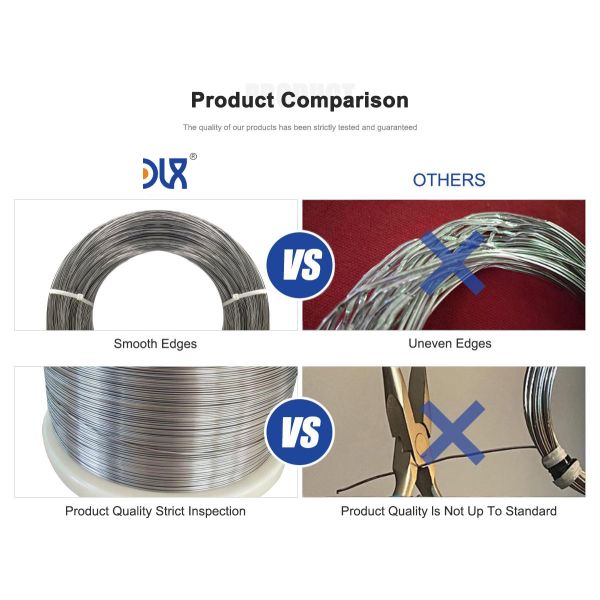
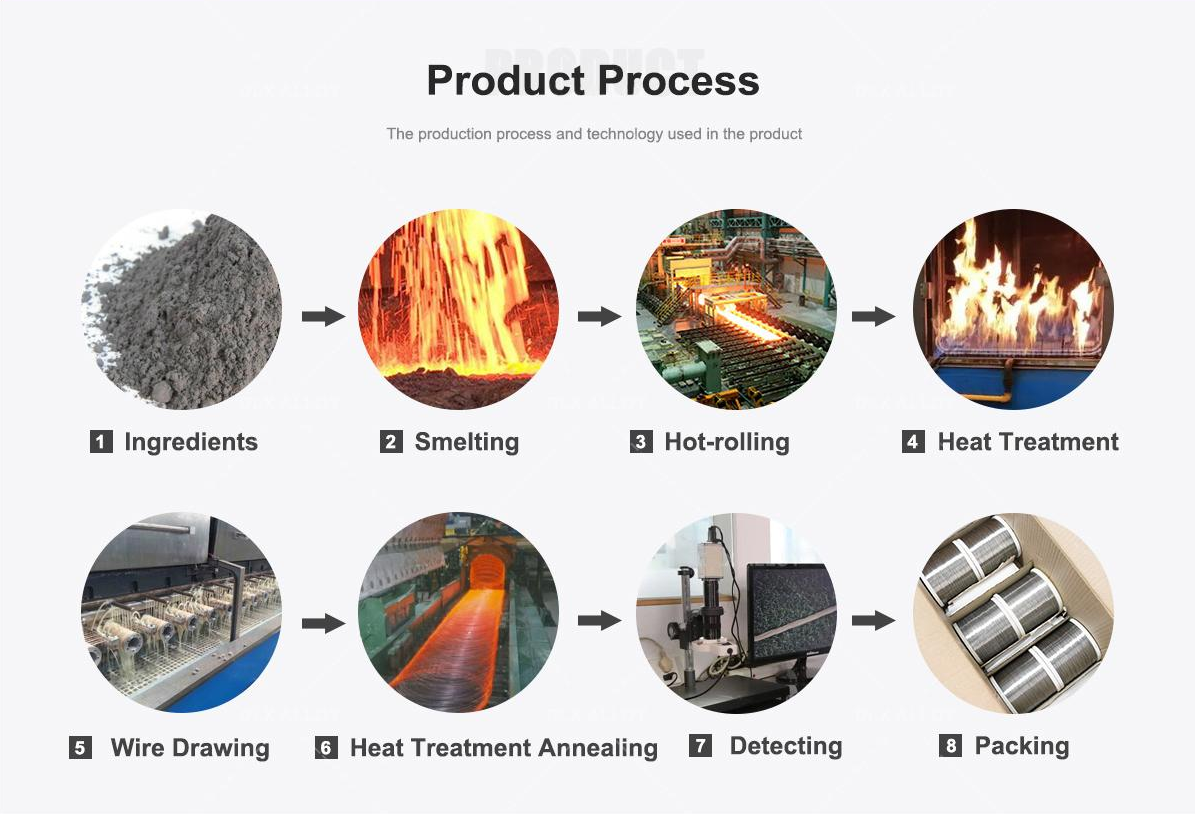
Rigorous Quality Control: Every batch of 0Cr19Al3 Alloy Wire undergoes strict testing to ensure it meets the highest standards of performance, so you can trust that it will perform reliably in your systems.
Cost-Efficiency: By improving the efficiency and longevity of hydrogen production systems, 0Cr19Al3 Alloy Wire helps lower maintenance and replacement costs, offering long-term savings.
Sustainability Commitment: DLX is dedicated to supporting the transition to a clean energy future by providing materials that enable the production of green hydrogen and reduce reliance on fossil fuels.


What makes 0Cr19Al3 Alloy Wire ideal for electrolysis?
The wire’s high chromium and aluminum content provide excellent resistance to oxidation and corrosion, while its thermal stability ensures reliable performance at high temperatures in electrolysis cells.
How does 0Cr19Al3 Alloy Wire improve electrolysis efficiency?
The wire maintains stable electrical resistance during electrolysis, reducing energy losses and improving the efficiency of the hydrogen production process.
What is the maximum temperature 0Cr19Al3 Alloy Wire can withstand?
0Cr19Al3 Alloy Wire can withstand temperatures up to 1,500°C, making it suitable for high-temperature electrolysis applications.
Is 0Cr19Al3 Alloy Wire customizable?
Yes, DLX offers customizable wire diameters and lengths to suit the specific requirements of your electrolysis system.
How long does 0Cr19Al3 Alloy Wire last in electrolysis systems?
Due to its corrosion and oxidation resistance, 0Cr19Al3 Alloy Wire has a long service life, reducing the need for frequent replacements.
Can this wire be used in other applications besides electrolysis?
Yes, 0Cr19Al3 Alloy Wire is also used in fuel cells, energy storage systems, and other high-temperature industrial applications.
What makes DLX’s 0Cr19Al3 Alloy Wire stand out?
DLX’s wire is rigorously tested for quality and performance, ensuring that it meets the highest standards and provides reliable, long-term results in hydrogen production systems.
How is the global hydrogen market expected to grow?
The hydrogen economy is expanding rapidly, driven by the demand for clean energy. Electrolysis, powered by renewable energy, is expected to be a key method for large-scale hydrogen production.