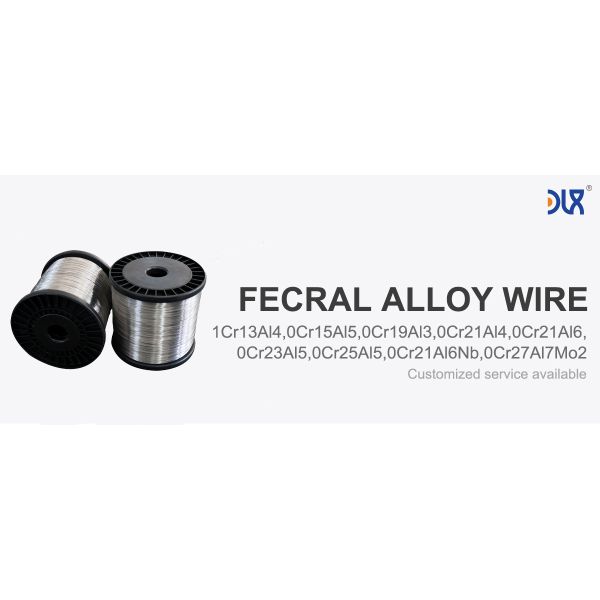
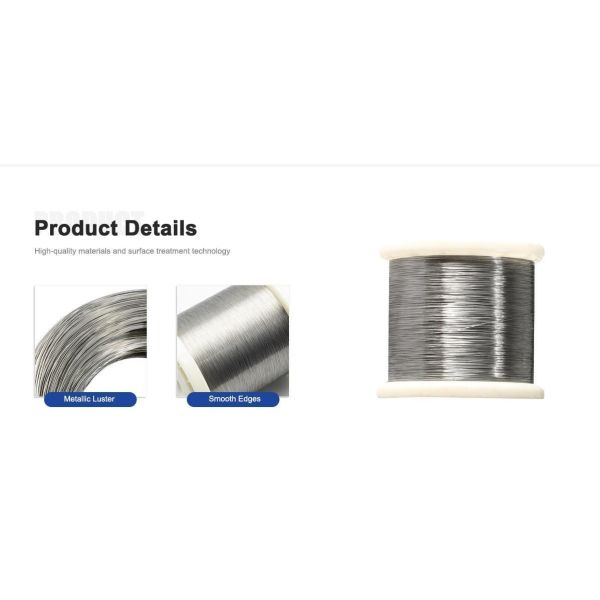
The growing demand for green energy solutions has placed hydrogen at the center of future energy strategies. Electrolysis, which uses electricity to split water into hydrogen and oxygen, is one of the most efficient ways to produce hydrogen. However, for this process to be efficient and sustainable, the materials used in electrolysis systems must be able to withstand harsh operating conditions, such as high temperatures and corrosive environments. 0Cr23Al5 FeCrAl Wire is a high-performance material specifically engineered to enhance hydrogen production via electrolysis. Offering outstanding corrosion resistance, thermal stability, and excellent electrical properties, this wire is ideal for ensuring long-lasting and efficient performance in electrolysis systems.
At DLX Corporation, we specialize in providing high-quality, reliable materials for the renewable energy sector. Our 0Cr23Al5 FeCrAl Wire is designed to optimize the performance and durability of electrolysis systems, making it the go-to solution for businesses looking to maximize efficiency in hydrogen generation.
0Cr23Al5 FeCrAl Wire is an advanced alloy composed of iron (Fe), chromium (Cr), and aluminum (Al), with a composition of 23% chromium and 5% aluminum. This unique blend of materials gives the wire its excellent resistance to oxidation and corrosion, particularly in the highly aggressive electrolytic environments found in water electrolysis. The wire is also highly resistant to high temperatures, ensuring that it can perform reliably over long periods of time in high-temperature electrolysis cells. By serving as the electrode material in electrolysis systems, 0Cr23Al5 FeCrAl Wire plays a critical role in splitting water molecules into hydrogen and oxygen, providing an efficient and sustainable method for hydrogen production.
| Alloy Nomenclature Performance | 1Cr13Al4 | 0Cr25Al5 | 0Cr21Al6 | 0Cr23Al5 | 0Cr21Al4 | 0Cr21Al6Nb | 0Cr27Al7Mo2 |
|---|---|---|---|---|---|---|---|
| Chemical Composition (%) - Cr | 12.0-15.0 | 23.0-26.0 | 19.0-22.0 | 20.5-23.5 | 18.0-21.0 | 21.0-23.0 | 26.5-27.8 |
| Chemical Composition (%) - Al | 4.0-6.0 | 4.5-6.5 | 5.0-7.0 | 4.2-5.3 | 3.0-4.2 | 5.0-7.0 | 6.0-7.0 |
| Chemical Composition (%) - Re | Opportune | Opportune | Opportune | Opportune | Opportune | Opportune | Opportune |
| Chemical Composition (%) - Fe | Rest | Rest | Rest | Rest | Rest | Rest | Rest |
| Max. Continuous Service Temp. of Element (°C) | 950 | 1250 | 1250 | 1250 | 1100 | 1350 | 1400 |
| Resistivity at 20°C (μΩ.m) | 1.25 | 1.42 | 1.42 | 1.35 | 1.23 | 1.45 | 1.53 |
| Density (g/cm³) | 7.4 | 7.1 | 7.16 | 7.25 | 7.35 | 7.1 | 7.1 |
| Thermal Conductivity (KJ/m.h) | 52.7 | 46.1 | 63.2 | 60.2 | 46.9 | 46.1 | -- |
| Coefficient of Linear Expansion (αx10⁻⁶/℃) | 15.4 | 16 | 14.7 | 15 | 13.5 | 16 | 16 |
| Melting Point Approx (°C) | 1450 | 1500 | 1500 | 1500 | 1500 | 1510 | 1520 |
| Tensile Strength (N/mm²) | 580-680 | 630-780 | 630-780 | 630-780 | 600-700 | 650-800 | 680-830 |
| Elongation at Rupture (%) | >16 | >12 | >12 | >12 | >12 | >12 | >10 |
| Variation of Area (%) | 65-75 | 60-75 | 65-75 | 65-75 | 65-75 | 65-75 | 65-75 |
| Repeat Bending Frequency (F/R) | >5 | >5 | >5 | >5 | >5 | >5 | >5 |
| Hardness (H.B.) | 200-260 | 200-260 | 200-260 | 200-260 | 200-260 | 200-260 | 200-260 |
| Continuous Service Time (Hours/°C) | -- | ≥80/1300 | ≥80/1300 | ≥80/1300 | ≥80/1250 | ≥80/1350 | ≥80/1350 |
| Micrographic Structure | Ferrite | Ferrite | Ferrite | Ferrite | Ferrite | Ferrite | Ferrite |
| Magnetic Properties | Magnetic | Magnetic | Magnetic | Magnetic | Magnetic | Magnetic | Magnetic |
| Shape | Size (mm) |
|---|---|
| Wire | 0.05-7.5 |
| Rod | 8-50 |
| Ribbon | (0.05-0.35)*(0.5-6.0) |
| Strip | (0.5-2.5)*(5-180) |
Superior Corrosion Resistance: The high chromium content (23%) in 0Cr23Al5 FeCrAl Wire provides exceptional protection against oxidation and corrosion, even in the highly aggressive electrolyte solutions used in water electrolysis.
Stable Electrical Resistance: The wire maintains consistent electrical resistance over its lifespan, ensuring that the electrolysis process is energy-efficient and produces hydrogen with minimal energy loss.
High Thermal Stability: With a melting point of 1,550°C, 0Cr23Al5 FeCrAl Wire can handle the extreme temperatures encountered in electrolysis systems, ensuring that the wire does not degrade or lose performance over time.
Durability and Long Service Life: The combination of corrosion resistance and thermal stability results in a wire that can endure prolonged use in high-temperature, high-corrosion environments, reducing the need for replacements and ensuring a longer lifespan for your electrolysis system.
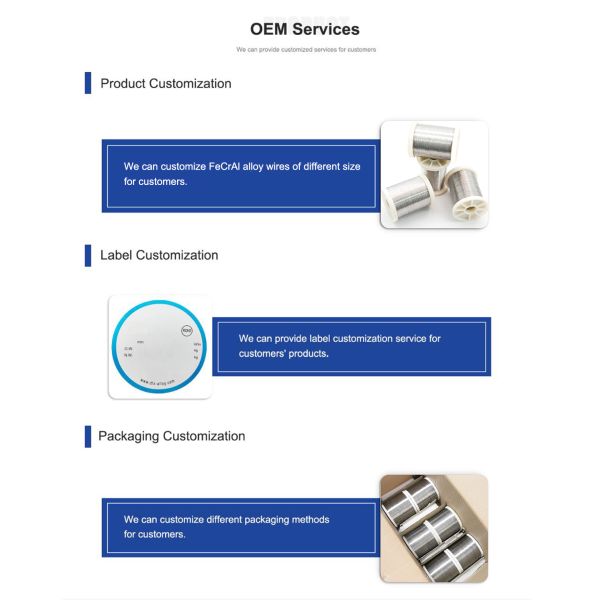
Customizable Dimensions: DLX offers flexibility in wire diameter and length, allowing 0Cr23Al5 FeCrAl Wire to be tailored to the specific requirements of your electrolysis system.


Enhanced Hydrogen Production Efficiency: The wire’s stable electrical resistance and excellent thermal properties ensure that electrolysis systems run at optimal efficiency, maximizing hydrogen output and reducing energy consumption.
Cost-Effective and Low Maintenance: By extending the life of electrolysis systems, 0Cr23Al5 FeCrAl Wire reduces the need for frequent maintenance and replacement, helping businesses save on operational costs.
Reliable Performance Under Harsh Conditions: Designed to withstand high temperatures and corrosive environments, 0Cr23Al5 FeCrAl Wire ensures that your electrolysis system operates reliably in even the most demanding conditions.
Sustainability Benefits: By optimizing hydrogen production, 0Cr23Al5 FeCrAl Wire contributes to the generation of green hydrogen, which plays a key role in decarbonizing various industries and advancing the transition to a low-carbon economy.
Versatility and Customization: With a range of wire diameters and lengths available, 0Cr23Al5 FeCrAl Wire can be adapted for various electrolysis applications, making it a flexible solution for both small-scale and industrial-scale systems.
As the global push for decarbonization intensifies, hydrogen is increasingly seen as a key energy carrier for the future. Green hydrogen, produced via electrolysis powered by renewable energy, is set to play a major role in decarbonizing industries such as transportation, steel manufacturing, and power generation. Electrolysis is expected to be a primary method for hydrogen production as governments and industries work towards meeting ambitious climate goals.
The effectiveness and durability of electrolysis systems are critical to scaling up hydrogen production. High-performance materials like 0Cr23Al5 FeCrAl Wire are essential for ensuring the long-term efficiency and reliability of electrolysis systems. As the hydrogen economy grows, the demand for such advanced materials will continue to rise, supporting the widespread adoption of green hydrogen.
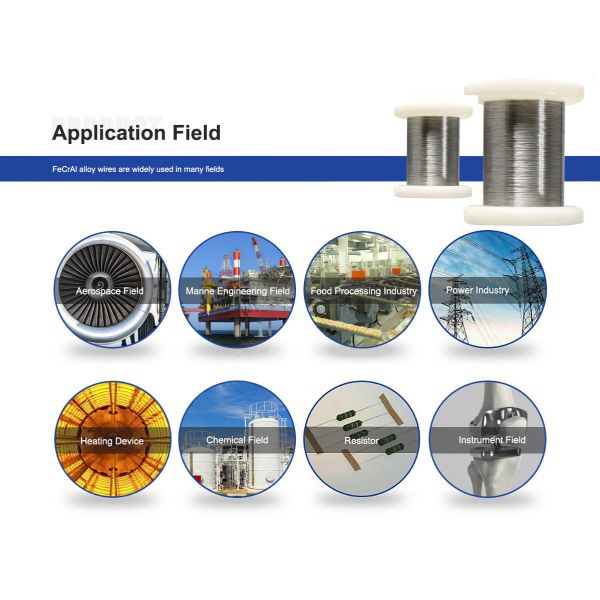
Hydrogen Production via Electrolysis: 0Cr23Al5 FeCrAl Wire is primarily used as an electrode material in electrolysis cells, where it helps to split water molecules into hydrogen and oxygen. This is the core process in green hydrogen production.
Fuel Cells: The wire can also be used in hydrogen fuel cells, where it serves as an electrode material to convert hydrogen into electricity, which powers electric vehicles, stationary power generation, and other applications.
Energy Storage: Hydrogen produced through electrolysis can be stored for later use. 0Cr23Al5 FeCrAl Wire ensures efficient hydrogen production, making it an ideal material for large-scale energy storage systems.
Industrial Hydrogen Production: 0Cr23Al5 FeCrAl Wire is also used in industries that require hydrogen for chemical production, petroleum refining, and ammonia synthesis, ensuring that hydrogen is produced efficiently and reliably for these processes.
High-Temperature Industrial Systems: The wire’s high thermal stability makes it ideal for use in other high-temperature applications, including reactors, furnaces, and heat exchangers.


At DLX Corporation, we are committed to providing the highest quality materials for the clean energy sector. Our 0Cr23Al5 FeCrAl Wire is designed to enhance the performance and longevity of electrolysis systems, enabling businesses to produce hydrogen more efficiently and sustainably.
Why Choose DLX?
Expertise in Clean Energy Solutions: DLX has a deep understanding of the needs of the hydrogen industry, providing solutions that address the unique challenges of electrolysis and hydrogen production.
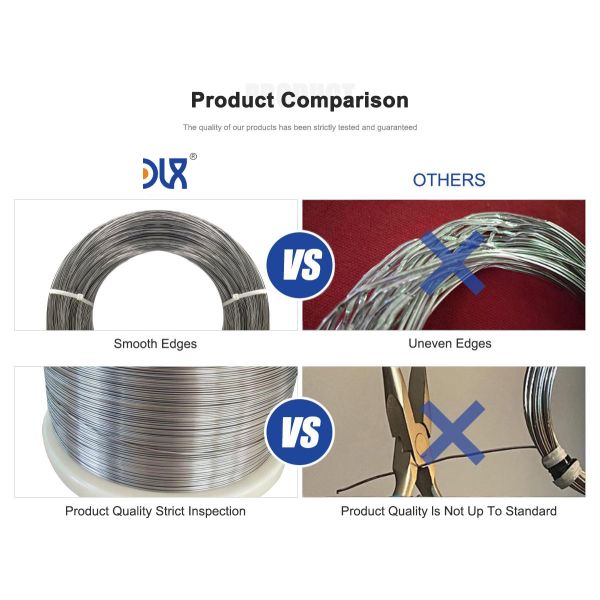
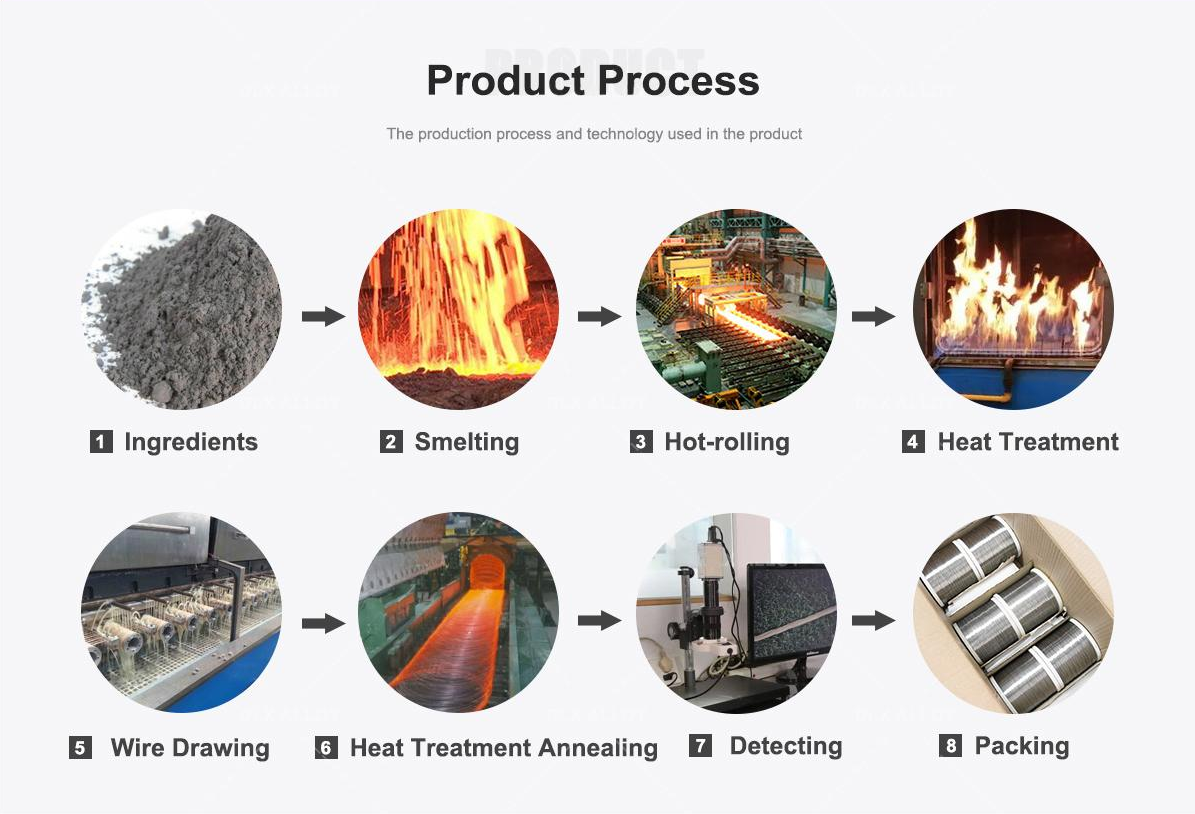
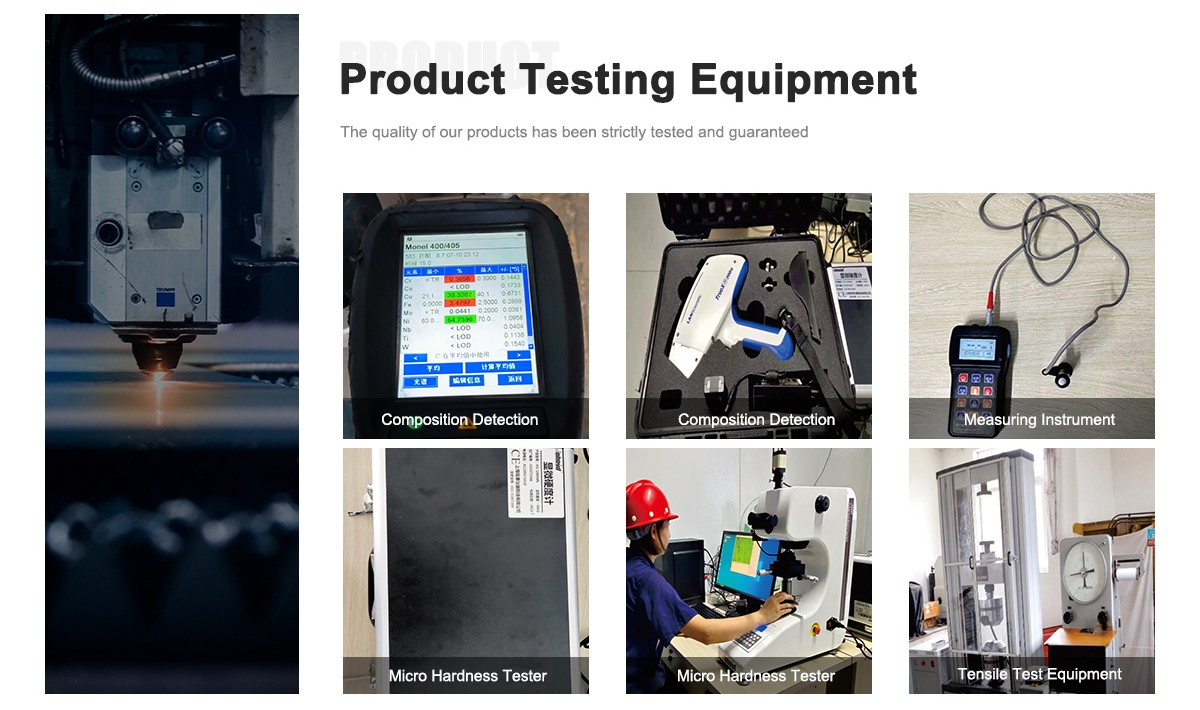
Uncompromising Quality: Our 0Cr23Al5 FeCrAl Wire undergoes strict quality control and testing to ensure its durability and performance in demanding electrolysis systems.
Cost-Effective and Sustainable: By improving the efficiency and lifespan of electrolysis systems, our wire reduces operational costs and supports the transition to clean, green hydrogen production.
Customer-Centric Service: DLX offers customizable wire sizes and lengths to meet the specific needs of your system, ensuring optimal performance and efficiency.


Why is 0Cr23Al5 FeCrAl Wire ideal for electrolysis?
Its high chromium content provides excellent corrosion resistance, while its high melting point and thermal stability ensure that it can perform reliably under the extreme conditions of electrolysis cells.
What is the maximum temperature 0Cr23Al5 FeCrAl Wire can handle?
0Cr23Al5 FeCrAl Wire can withstand temperatures up to 1,550°C, making it suitable for high-temperature electrolysis applications.
How does 0Cr23Al5 FeCrAl Wire improve electrolysis efficiency?
The wire maintains stable electrical resistance over time, reducing energy losses during electrolysis and enhancing hydrogen production efficiency.
Can 0Cr23Al5 FeCrAl Wire be customized?
Yes, DLX offers flexible options for wire diameter and length, allowing 0Cr23Al5 FeCrAl Wire to be tailored to the needs of your specific electrolysis system.
How long does 0Cr23Al5 FeCrAl Wire last in electrolysis systems?
Thanks to its excellent corrosion resistance and thermal stability, 0Cr23Al5 FeCrAl Wire has a long service life, minimizing the need for replacements.
What industries use 0Cr23Al5 FeCrAl Wire?
0Cr23Al5 FeCrAl Wire is used in hydrogen production, fuel cells, energy storage, and a wide range of high-temperature industrial applications.
What makes DLX’s 0Cr23Al5 FeCrAl Wire stand out?
DLX’s wire is designed for superior performance in electrolysis systems, offering unmatched durability, corrosion resistance, and thermal stability.
How is the hydrogen economy expected to grow?
The hydrogen economy is set to grow rapidly as green hydrogen production scales up, driven by the increasing need for clean energy solutions across various sectors.