Product Overview
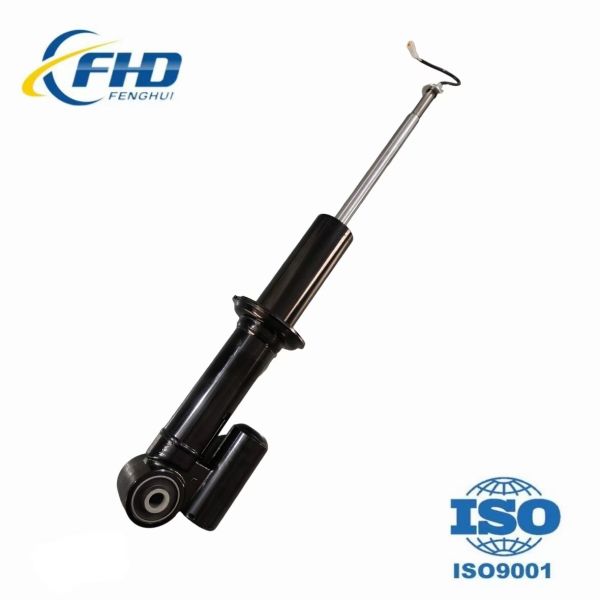
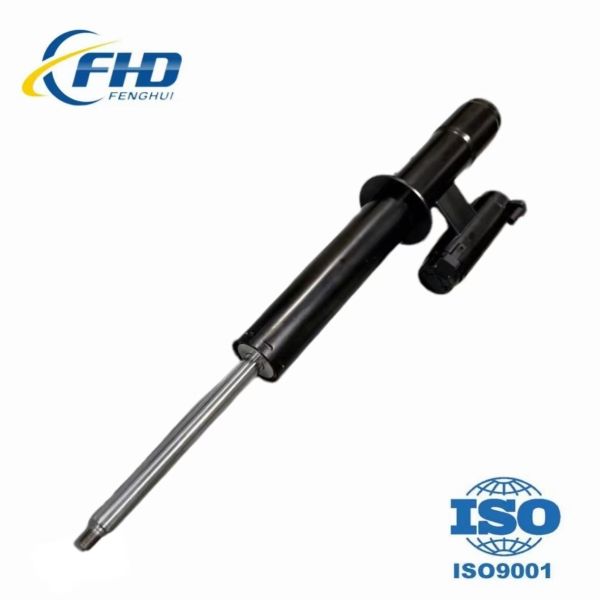
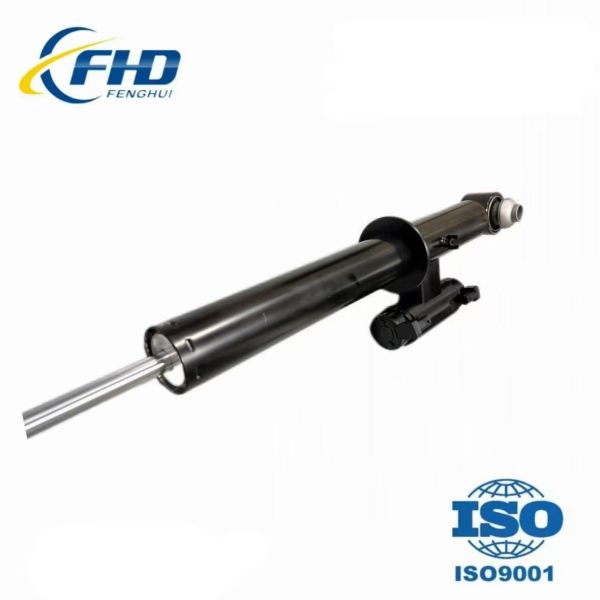
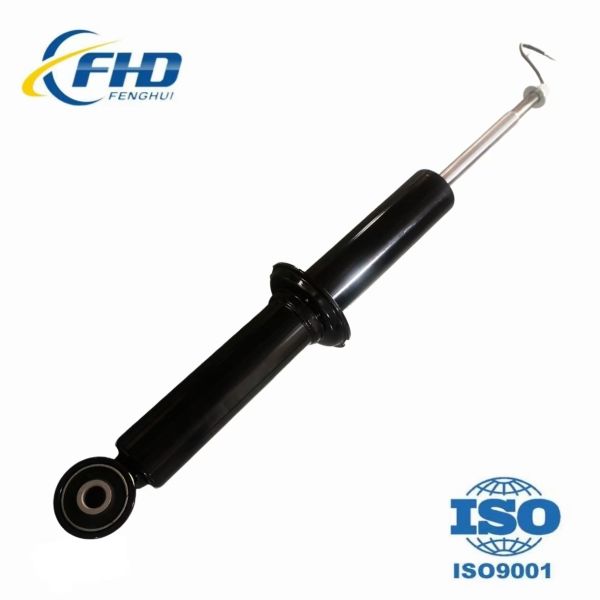
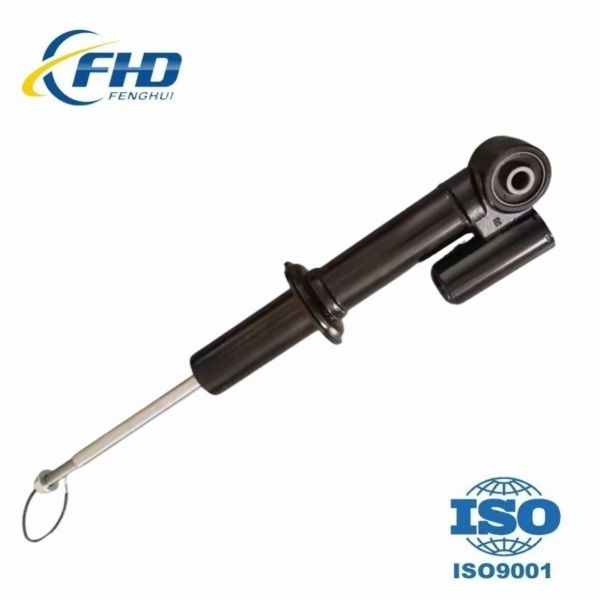
Sturdy, durable, direct replacement air shock absorber core (strut only) for Land Rover Discovery 3 rear left position. This product includes the strut only, without air spring.
Specifications
Vehicle Application: Land Rover Discovery 3 (Discovery 3 / L319)
Installation Position: Rear Left (Vehicle Left Side, Driver's Side on LHD Vehicles)
Component Type: Shock Absorber Core / Strut Only (Without Air Spring, Must Be Used with Original or New Air Spring)
Product Description
This air shock absorber core (strut) is designed for the rear air suspension system of the Land Rover Discovery 3, fitting the rear left position. This strut-only component is suitable for repair scenarios where the original air spring is still fully functional but the strut damping has failed.
The strut performs the damping control function within the suspension system, controlling compression and rebound speed through an internal hydraulic valve system. It absorbs impact energy from the road surface, suppresses excessive body movement, and maintains effective tire contact with the road.
Manufactured to original equipment structural dimensions, this product features matching piston rod diameter, strut body length, mounting hole sizes, and bump stop position for direct replacement without modifications.
Packing & Delivery
Professional, environmentally friendly, and efficient packaging services ensure the safety of your goods during transit.

Frequently Asked Questions
How can I tell whether my Discovery 3 has a faulty strut or a leaking air spring?
Air spring leakage typically presents as: vehicle body noticeably sinks after sitting overnight, air compressor runs frequently after starting, and obvious hissing sound of escaping air. Strut damping failure presents as: excessive bouncing or "wobbly" feeling from rear axle when driving over bumps, increased body roll, but vehicle height remains normal overnight. Diagnostic method: record vehicle height after parking, then observe before starting next day. If height unchanged, air spring is likely intact.
Is it acceptable to replace only the strut and keep the old air spring?
Yes, but two conditions must be met: original air spring must be in good condition (no cracks, aging, or leaks) and should generally have no more than 100,000 km of service. If air spring has been in use for many years with noticeably hardened rubber, replacement is recommended even without current leaks.
Is a wheel alignment necessary after replacing the strut?
Recommended. Although strut replacement doesn't directly change toe or camber parameters, removal process involves mounting bolts that may affect rear axle geometry. New strut damping characteristics differ from worn strut. Drive 50-100 km after replacement to allow suspension settling before alignment.
Can the left and right rear struts of the Discovery 3 be used interchangeably?
No. Left and right struts differ in piston rod diameter and internal valve damping force calibration. Confirm specific position needed before purchasing. Check product label before installation.
What wearable parts are recommended to replace at the same time when changing the strut?
Recommended simultaneous replacement: upper strut bump stop (bumper rubber), dust boot (if original aged or cracked), and top nut securing piston rod (self-locking nuts not recommended for reuse). Clean mounting holes of residual oil, and check rear axle height sensor link to avoid sensor damage.
After installing the new strut, the rear axle feels stiffer or softer than before. Is this normal?
Yes, normal. New strut has peak damping oil viscosity and new seals. Initial damping force will be higher than worn strut. After 300-500 km driving, strut will break in to stable condition. If discomfort persists beyond 800 km, check correct model matching.