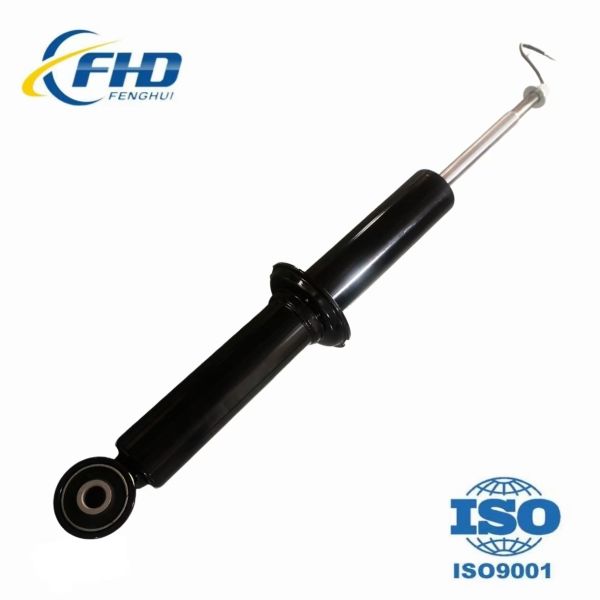
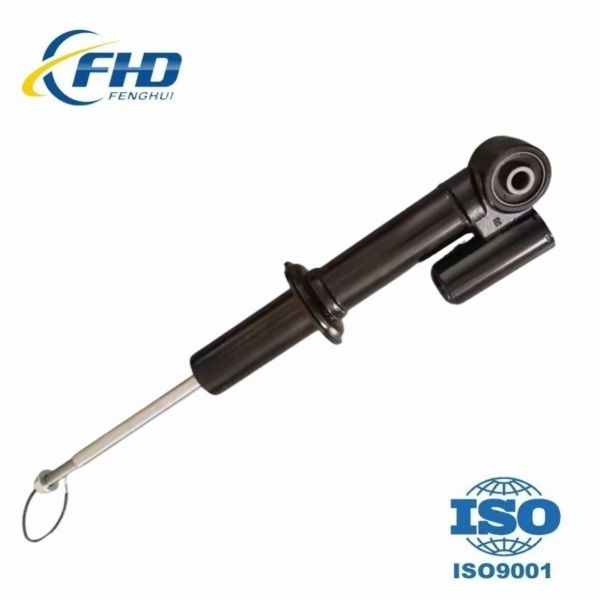
Product Description
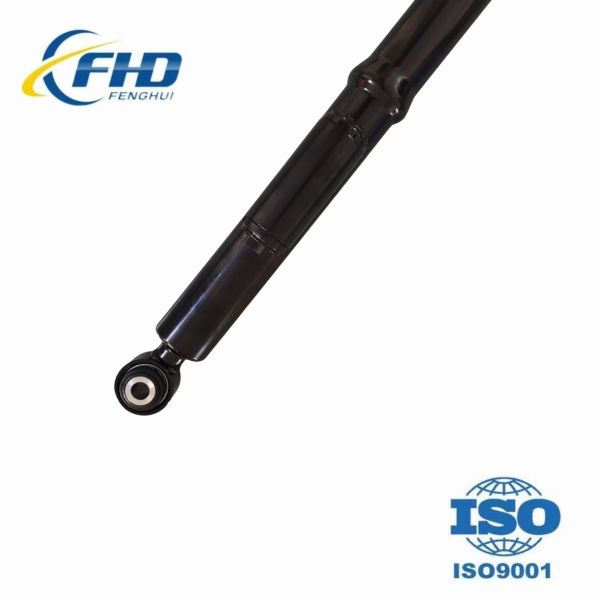
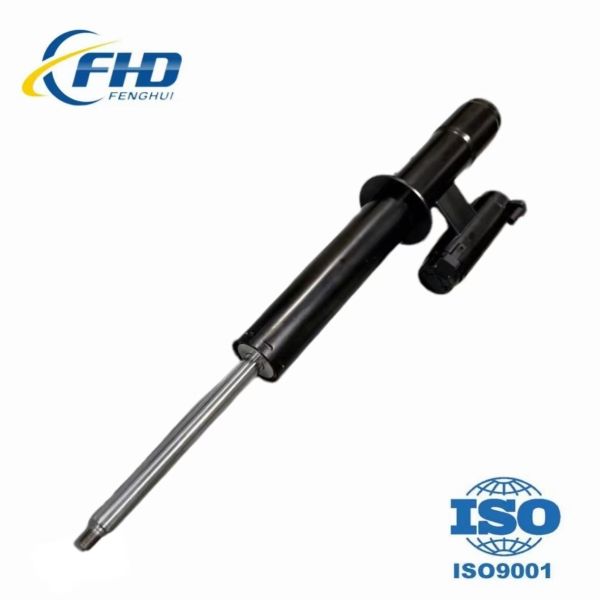
This air shock absorber core (strut) is designed for the rear air suspension system of the Mercedes-Benz 221 chassis, available in two separate versions for rear left and rear right positions. This strut-only component is ideal for repair scenarios where the original rear air spring remains fully functional but the strut damping has degraded or failed.
Unlike front struts, the rear strut primarily handles load-bearing and stabilization tasks at the rear of the vehicle, focusing on suppressing rear-end squat during acceleration, filtering road impacts transmitted through the rear wheels, and maintaining vehicle level under load conditions. Through an internal hydraulic valve system, it regulates compression and rebound rates, working in coordination with the rear air spring, rear lower control arm, stabilizer bar and subframe to form the Mercedes-Benz AIRMATIC rear suspension system.
The Mercedes-Benz 221 chassis was produced between 2005 and 2013 as the fifth generation of the S-Class. This product is manufactured to original equipment structural dimensions, with lower mounting bush hole positions, top fixing threads, and bump stop height limits all consistent with original factory specifications, allowing direct replacement of the old strut without modifications.
Frequently Asked Questions
Q1: How can I tell whether the Mercedes-Benz 221 rear strut is already damaged?
Common signs of damage include: a dull "thumping" noise when the rear wheels go over speed bumps, noticeably increased bumpiness for rear seat passengers, increased rear-end squat during acceleration, and wavy uneven wear on the rear tires. A simple self-check method: after stopping the vehicle, press down firmly on one side of the rear bumper and release quickly. If the body bounces up and down more than twice before stopping, the damping on that side has significantly degraded.
Q2: Are the 221 rear left and rear right struts interchangeable?
No, they are not interchangeable. Although similar in appearance, the left and right rear struts on the 221 differ in internal damping valve calibration to accommodate the left-right load difference caused by fuel tank location, battery location, and rear passenger distribution. Forcibly swapping them will result in different rebound rhythms on both sides of the rear axle when going over bumps, affecting driving stability.
Q3: After replacing a single rear strut, is it necessary to also replace the other side?
Replacing in pairs is not mandatory; a single side can be replaced alone. However, note that the S-Class has high demands for ride comfort, and left-right suspension damping differences are easily perceived by rear seat passengers. If the other side strut has been in service for a long time (over 70,000 km or 5+ years), its damping force will differ from the new strut. It is recommended to decide whether to replace both sides based on the actual condition of the other side strut.
Q4: After replacing the strut, the instrument panel shows an "AIRMATIC Malfunction" warning, but the vehicle drives normally. What is the cause?
This situation is usually not a problem with the strut itself, but rather the air suspension system has not been reset after installation. After replacing rear suspension components on a Mercedes-Benz 221, a diagnostic tool (such as XENTRY or a compatible device) is required to perform "level calibration" and "component learning" on the AIRMATIC system.
Q5: Is the 221 rear strut suitable for both W221 and V221 wheelbase versions?
Yes, it is suitable. The rear suspension structure of the W221 (standard wheelbase) and V221 (long wheelbase) is completely identical. The strut mounting dimensions, piston rod diameter, and damping characteristics are all the same, making them interchangeable.
Q6: What accessories are recommended to replace at the same time as the rear strut?
It is recommended to replace the following accessories simultaneously: the rear strut dust boot (if aged and cracked), the upper bump stop (may harden or crumble after long-term compression), and the top nut securing the piston rod (the original is a self-locking nut, which loses locking force after removal). In addition, check the rear stabilizer bar link ball joint for looseness and the rear lower control arm bushing for aging or cracking.
Q7: After replacing the strut, the rear suspension feels stiffer or bumpier than before. Is this normal?
Yes, this is normal. Over long-term use, the damping oil inside the old strut gradually degrades and damping force decreases. After the new strut restores the original factory damping level, rear seat passengers may feel more fine vibrations. Typically, after driving 300-500 km, the strut will gradually break in to a stable condition.
Q8: There is a "creaking" or "squeaking" noise from the rear wheel area while driving after strut replacement. What is the cause?
This type of noise requires careful diagnosis. Common causes include: 1) The top nut of the strut is not tightened to the specified torque; 2) The dust boot is not installed properly and is rubbing against the strut body; 3) The rear stabilizer bar link ball joint is aged; 4) The rear lower control arm bushing is aged. It is recommended to first check the stabilizer link and control arm bushings.
Q9: Is this product suitable for 221 models equipped with induction (adaptive damping)?
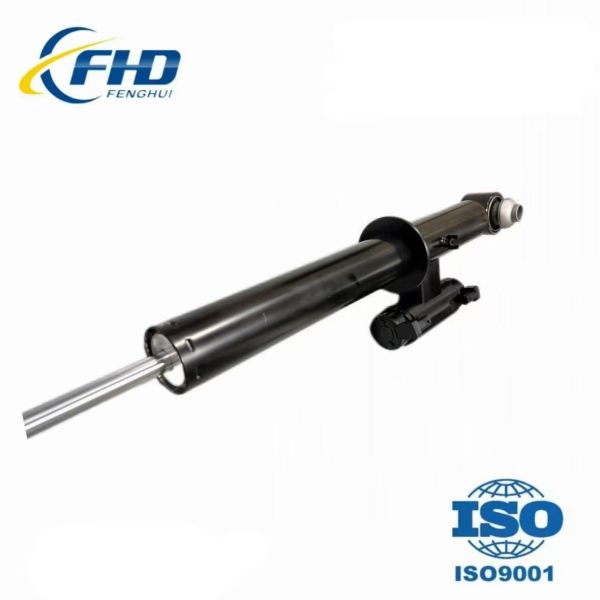
Please verify the actual vehicle configuration. 221 chassis models with induction damping have a solenoid valve wiring harness connector on the rear strut. This product is available in two versions: standard damping and induction. Choose based on your vehicle's original configuration. The two versions cannot be mixed.
Q10: Is a wheel alignment (chassis angle calibration) necessary after replacing the 221 rear strut?
Rear axle alignment is recommended. The 221 chassis S-Class rear suspension is a multi-link design. Removing the strut involves disconnecting the lower control arm from the subframe, which may affect rear wheel toe and camber after installation. It is recommended to drive 30-50 km after replacement to allow the suspension to settle naturally before performing a rear wheel alignment.
Q11: Are the 221 rear strut and front strut interchangeable?
Absolutely not. The rear and front struts have fundamental differences in body length, piston rod diameter, mounting method, and damping valve tuning. Forcing interchangeability will result in chassis dynamic imbalance and seriously affect driving stability and comfort.
Q12: Is the 221 rear strut suitable for the later generation W222 S-Class?
No, it is not suitable. The W222 is the next-generation S-Class launched in 2013, with a completely different chassis structure, suspension geometry, and strut mounting dimensions. Parts are not interchangeable with the W221.