15–200T Kidney Dock Bollard | Bolted Anchorage Mooring Bollard for Quay and Jetty
Product Overview
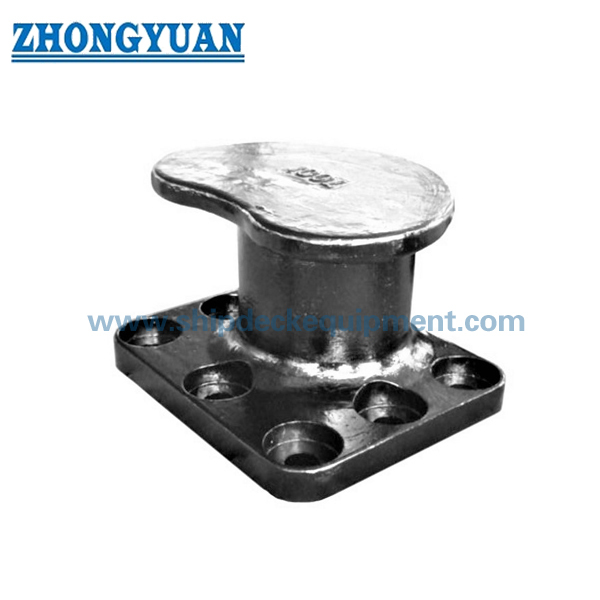
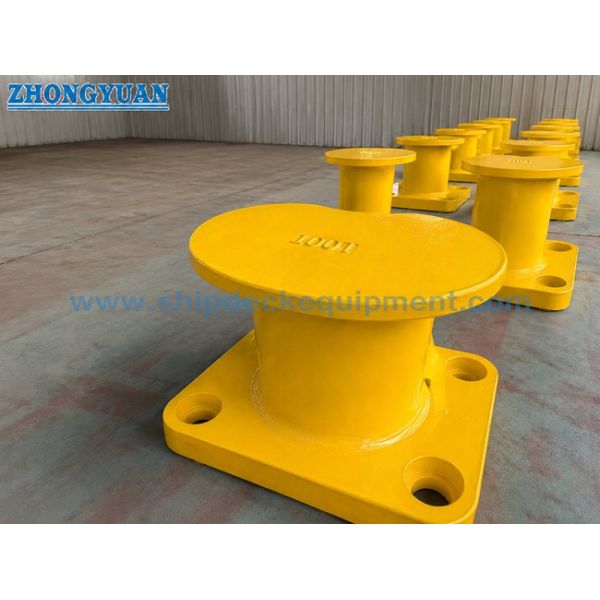
The kidney dock bollard is a bolted anchorage mooring bollard used on quay walls, jetties, shipyard berths, repair docks, and port mooring points for secure vessel mooring. Its kidney-shaped body provides a practical rope holding form for berth mooring arrangements, while the curved contact areas should be finished with smooth transitions to reduce local stress concentration and rope contact damage.
This bollard can be supplied in cast C-Mn steel, cast ductile iron / SG iron, cast iron, casting stainless steel, or project-specified casting material. For normal production, wooden pattern casting is used to control the casting shape and reduce harmful casting problems such as porosity and slag inclusion. Because a dock bollard is a berth safety component, casting soundness, anchor bolt arrangement, foundation connection, surface finishing, and inspection scope should be confirmed before production.
Quick Specifications
Main Technical Parameters
| Standard Bollard Capacity SWL (Metric Tons) |
15 | 20 | 30 | 50 | 75 | 100 | 125 | 150 | 200 |
| A | 41 | 51 | 54 | 60 | 70 | 79 | 89 | 95 | 111 |
| B | 194 | 216 | 257 | 264 | 298 | 340 | 375 | 410 | 457 |
| C | 275 | 330 | 385 | 413 | 481 | 550 | 605 | 660 | 759 |
| D | 325 | 390 | 455 | 488 | 569 | 650 | 715 | 780 | 897 |
| E | 288 | 345 | 402 | 431 | 503 | 575 | 632 | 690 | 793 |
| F | 50 | 60 | 70 | 75 | 88 | 100 | 110 | 120 | 138 |
| G | - | - | - | - | 238 | 272 | 299 | 326 | 345 |
| H | - | 213 | 258 | 226 | 381 | 436 | 479 | 523 | 543 |
| I | 213 | 300 | 350 | 353 | 438 | 500 | 550 | 600 | 671 |
| 1 | 88 | 0 | 0 | 88 | 0 | 0 | 0 | 0 | 112 |
| K | - | 136 | 154 | 183 | 146 | 167 | 184 | 201 | 283 |
| L | - | - | - | - | 218 | 249 | 274 | 299 | 345 |
| M | 250 | 300 | 350 | 375 | 438 | 500 | 550 | 600 | 690 |
| N | 125 | 150 | 175 | 188 | 219 | 250 | 275 | 300 | 345 |
| Bolt Size | M24 | M24 | M30 | M36 | M36 | M42 | M48 | M56 | M56 |
| Bolt Length | 450 | 450 | 450 | 600 | 600 | 600 | 750 | 915 | 915 |
| Bolt Quantity | 4 | 5 | 5 | 6 | 7 | 7 | 7 | 7 | 8 |
Selection & Inquiry Guide
Step 1: Confirm required bollard SWL from 15, 20, 30, 50, 75, 100, 125, 150, or 200 metric tons according to berth mooring analysis or port design drawing.
Step 2: Confirm installation location, quay / jetty foundation condition, anchor bolt layout, concrete strength, embedment requirement, grout condition, and available installation space.
Step 3: Confirm material requirement: cast C-Mn steel, cast ductile iron / SG iron, cast iron, casting stainless steel, or other project-specified casting material.
Step 4: Confirm surface treatment: Sa 2.5 blasting + epoxy shop primer, final paint system, galvanized finish, polished finish, or special anti-corrosion coating.
Step 5: Confirm inspection and calculation scope before quotation: UT, MT, material traceability, anchor bolt certificate, FEA calculation, third-party inspection, or class approval if required.
Step 6: Provide quantity, delivery destination, required delivery time, GA drawing / foundation drawing, mooring load requirement, and reference photos if available.
Structure
Kidney-shaped casting body | Smooth rope-contact crown | Curved transition area | Bolted base / seating face | Hot-dip galvanized anchor bolt set | Foundation fixing interface | Shop primer or specified surface treatment
Casting, Anchorage & Engineering Advantages
Custom Attributes
How It Works
Mooring line is placed around the kidney bollard → Rope load is applied to the smooth curved contact area → Load transfers through the casting body to the bolted base → Anchor bolts transfer the force into the quay / jetty foundation → Inspection and maintenance confirm safe berth service condition
Applications
Quay berths | Jetty mooring points | Port terminals | Shipyard outfitting piers | Repair docks | Workboat berths | Cargo and tanker berths | New dock construction and bollard replacement projects
Certifications & Advantages
Certificates and inspection documents can be arranged according to project requirement, inspection scope, material traceability, and approval procedure.
Certification: Third party inspection certificate, Pull load test certificate
Drawing & Photos


FAQ
Q1: How should the correct kidney dock bollard capacity be selected?
A1: Select the bollard SWL according to berth mooring analysis, vessel size range, mooring line arrangement, load direction, safety factor, and quay / jetty foundation design. The supplied table provides capacity, main dimensions, and anchor bolt reference data for quotation and preliminary selection.
Q2: Which material is better for this dock bollard, cast steel or ductile iron?
A2: Cast steel is normally selected where toughness and structural strength are important. Cast ductile iron / SG iron can be considered when wear resistance and casting surface durability are key concerns. The final material should be confirmed according to berth design load, customer specification, and inspection requirement.
Q3: Can UT, MT, FEA, and certificates be provided?
A3: Yes, UT, MT, FEA calculation, material certificate, maker certificate, anchor bolt certificate, and class / third-party inspection can be arranged according to project requirement. The inspection method, acceptance criteria, and certificate scope should be confirmed before quotation.