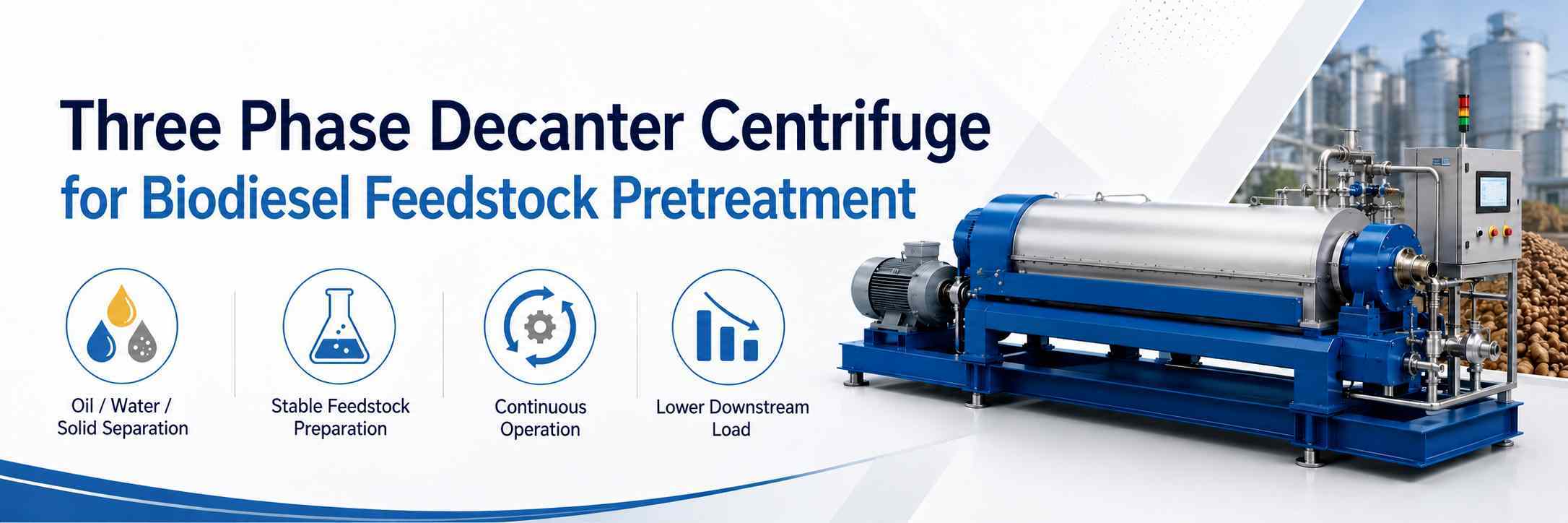
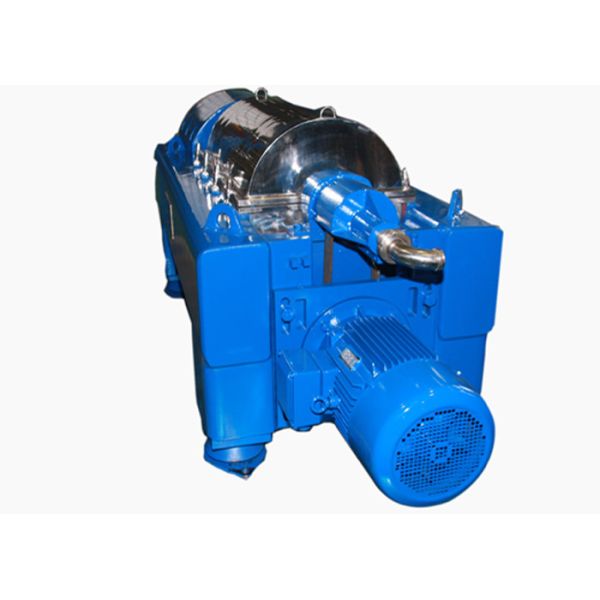
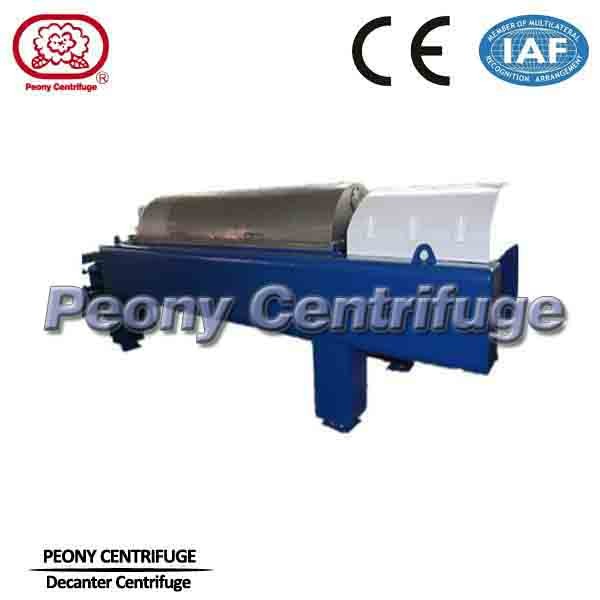
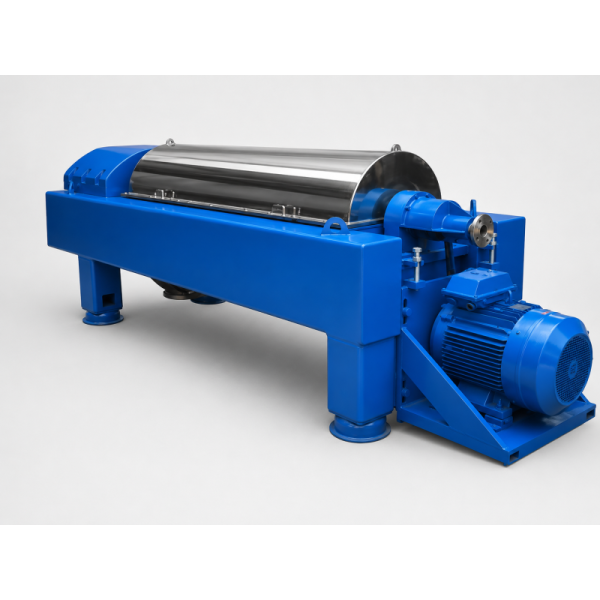
Three Phase Decanter Centrifuge for Biodiesel is designed for pretreatment of biodiesel feedstock by continuously separating oil phase, water phase, and solid impurities from waste oil or fat-based raw materials.
Biodiesel feedstock may contain free water, fine solids, food particles, sludge, soap, protein residue, catalyst residue, or other process impurities. If these contaminants are not removed before downstream processing, they may affect reaction stability, increase filtration load, reduce product quality, and raise operating cost.
This centrifuge is mainly used for biodiesel feedstock pretreatment, not final biodiesel polishing. It helps prepare a cleaner and more stable oil feed before esterification, transesterification, filtration, or refining.
| Output Phase | Typical Composition | Main Purpose |
|---|---|---|
| Oil Phase | Recoverable oil or fat-based feedstock | Provide cleaner oil feed for biodiesel processing |
| Water Phase | Free water, moisture-rich liquid, process water | Reduce water entering reaction or refining steps |
| Solid Phase | Food particles, sludge, ash, fine solids, organic residue | Remove solid impurities continuously |
The actual separation result depends on feedstock source, oil content, water content, solids content, temperature, viscosity, emulsification level, and pretreatment condition.
Biodiesel production requires a relatively stable oil feed. Many low-cost feedstocks are not clean enough for direct processing.
If water and solids remain too high, the plant may face:
A three phase decanter centrifuge helps remove water and solids before the feedstock enters the biodiesel process.
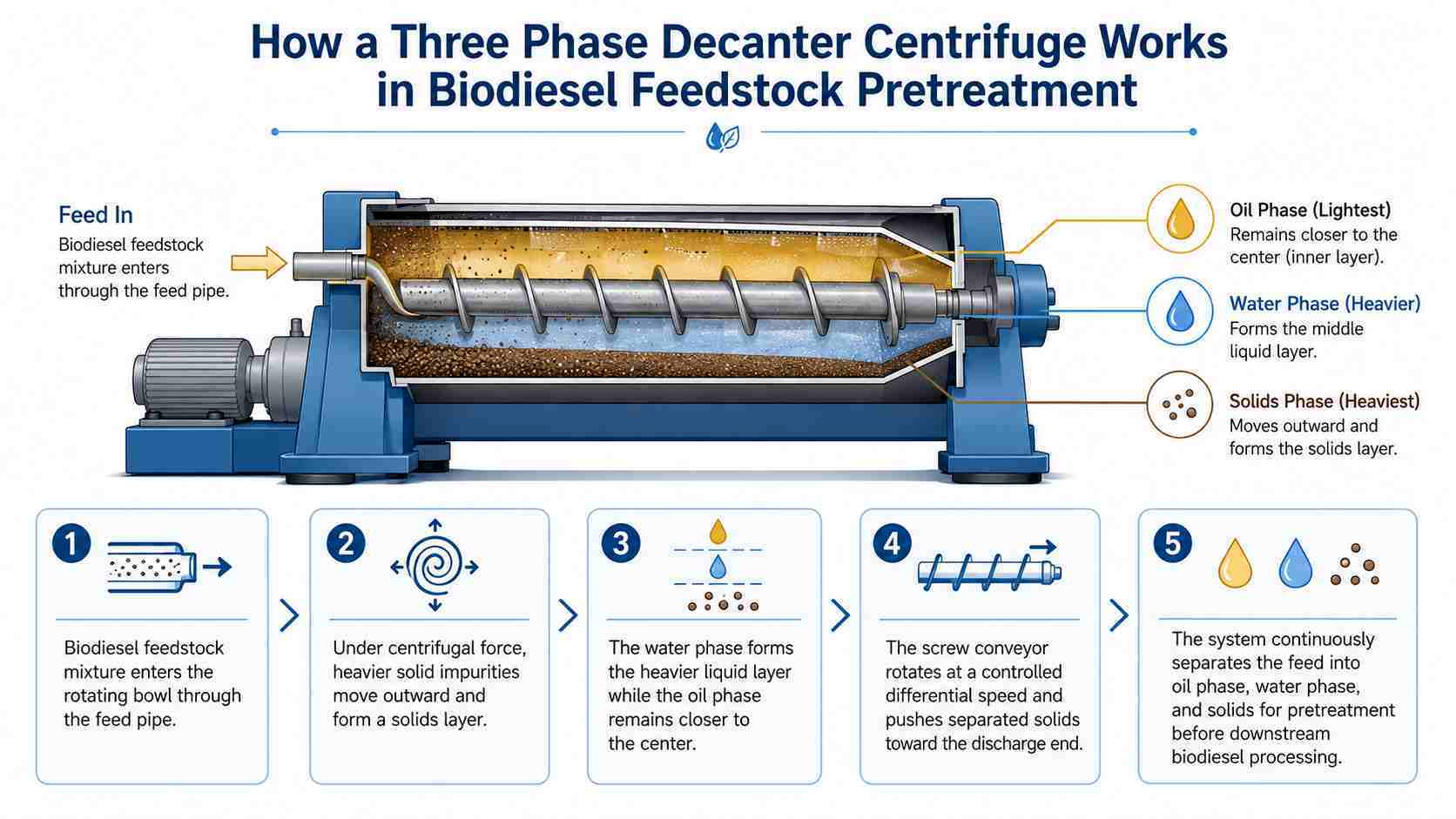
The biodiesel feedstock mixture enters the rotating bowl through the feed pipe.
Under centrifugal force, heavier solid particles, sludge, food residue, ash, and fine impurities move outward and form a solid layer on the bowl wall.
The water phase forms the heavier liquid layer, while the oil phase remains closer to the center as the lighter liquid phase.
The screw conveyor rotates at a controlled differential speed and continuously pushes separated solids toward the discharge end.
At the same time, the oil phase and water phase are separated internally and collected according to the process design.

| Model | Diameter (mm) | Length (mm) | Length-to-diameter rate | G force | Max solid discharge (m³/h) | Weight (kg) | Dimension (L*W*H) (mm) |
|---|---|---|---|---|---|---|---|
| PDC-10 | 250 | 1000 | 4 | 4080 | 0.4 | 1000 | 2410*800*1080 |
| PDC-12 | 4200 | 1350 | 4 | 3500 | 0.6 | 1200 | 2610*800*1080 |
| PDC-12 | 4200 | 1350 | 4.5 | 3180 | 1.2 | 1800 | 3495*840*1180 |
| PDC-18 | 4000 | 1600 | 4.5 | 3180 | 1.2 | 3200 | 3497*1020*1385 |
| PDC-18 | 450 | 2150 | 4 | 2500 | 2 | 3800 | 4447*1080*1385 |
| PDC-20 | 400 | 2250 | 4.5 | 2500 | 3.5 | 4000 | 4580*1140*1470 |
| PDC-21 | 530 | 2280 | 4.3 | 2500 | 5 | 5000 | 4924*1170*1540 |
| PDC-26 | 655 | 2800 | 4.3 | 2270 | 8 | 7000 | 4300*1900*1350 |
The centrifuge removes water and solids from low-grade oil feedstock before downstream biodiesel processing.
Oil, water, and solid impurities are separated continuously in one machine.
Removing solids earlier can reduce the burden on filters, polishing equipment, and storage tanks.
A cleaner and more consistent oil phase helps improve downstream esterification or transesterification stability.
The machine helps reduce moisture and solid impurities entering biodiesel production equipment.
It can be used for waste vegetable oil, used cooking oil, animal fat, grease recovery oil, and other fat-based feedstocks.
Under suitable feed temperature and operating conditions, the system can typically help achieve:
Final performance depends on feedstock type, oil content, water content, solids content, viscosity, temperature, emulsification level, and downstream biodiesel process requirements.
To recommend a suitable three phase decanter centrifuge for biodiesel feedstock pretreatment, please provide:
It is used to pretreat biodiesel feedstock by separating oil, water, and solid impurities before downstream reaction, filtration, or refining.
Usually no. A three phase decanter is mainly used for dirty feedstock pretreatment. Final biodiesel polishing is often handled by a disc separator, filter, or other fine separation equipment.
Yes. Used cooking oil can be one of the biodiesel feedstocks, especially when it contains water and solids that need to be removed before processing.
Heating is often helpful because it reduces oil viscosity and improves oil-water-solid separation. The required temperature depends on feedstock condition.
Yes. It can reduce free water and water-rich liquid phase, but final water content may still require additional polishing or drying depending on process requirements.
If you have customer resources or project opportunities in biodiesel feedstock pretreatment, waste oil recycling, animal fat processing, grease recovery, or oil-water-solid separation, Peony welcomes cooperation.
We support distributors, agents, and project partners with model selection, process advice, customized configuration, equipment manufacturing, installation guidance, spare parts, and after-sales service.
Send us your market, customer type, and project details. Our team will help evaluate the suitable separation solution.