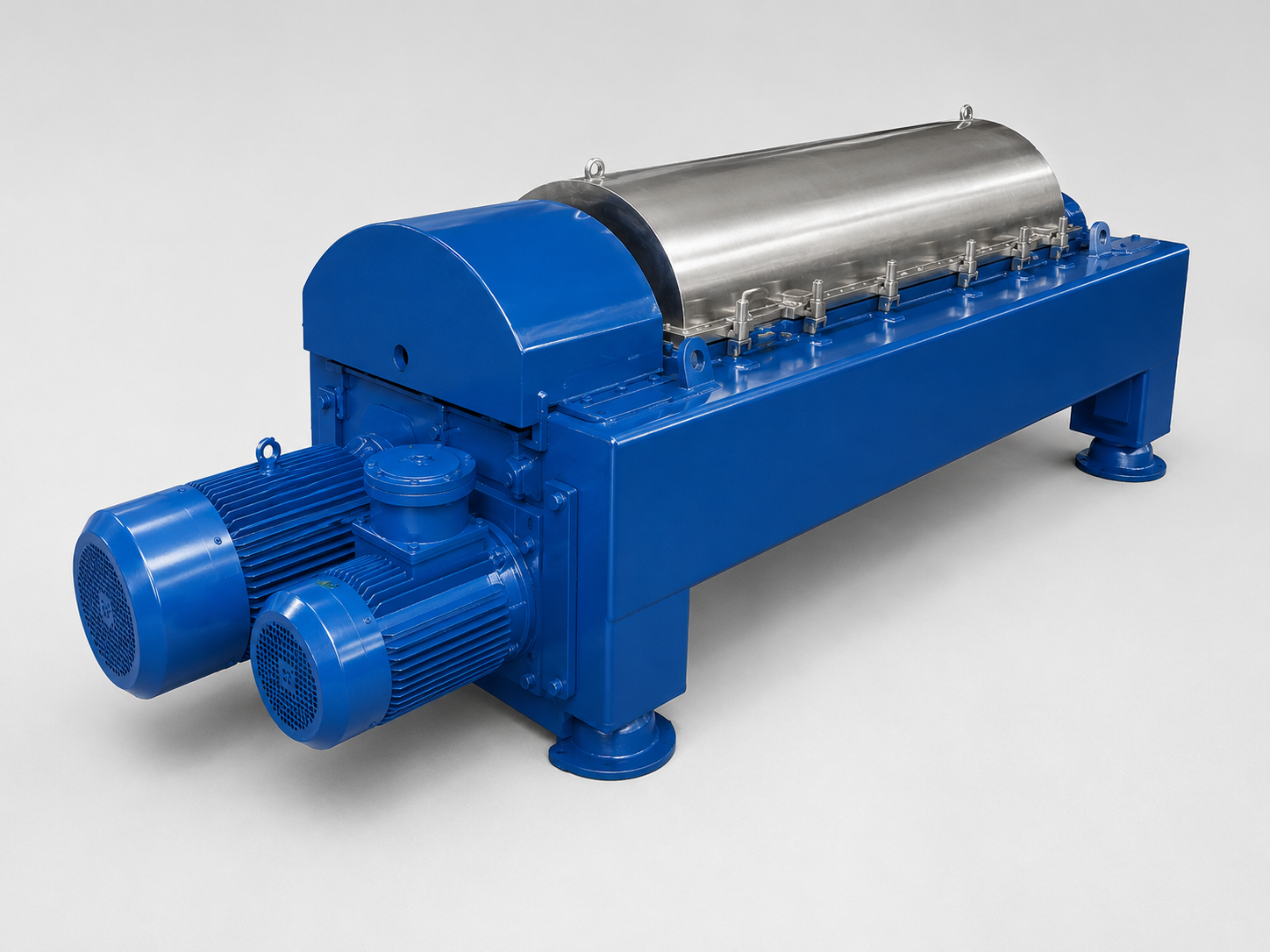
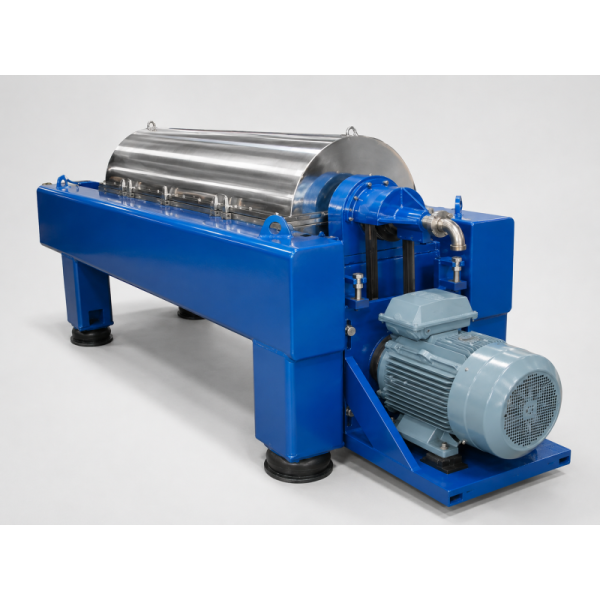
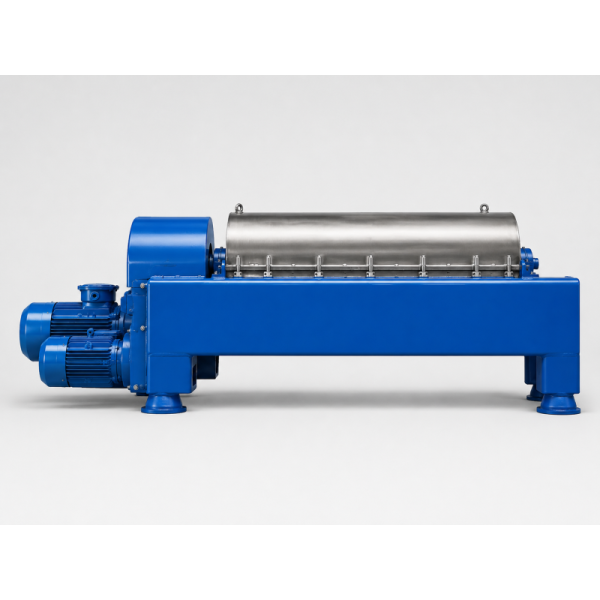
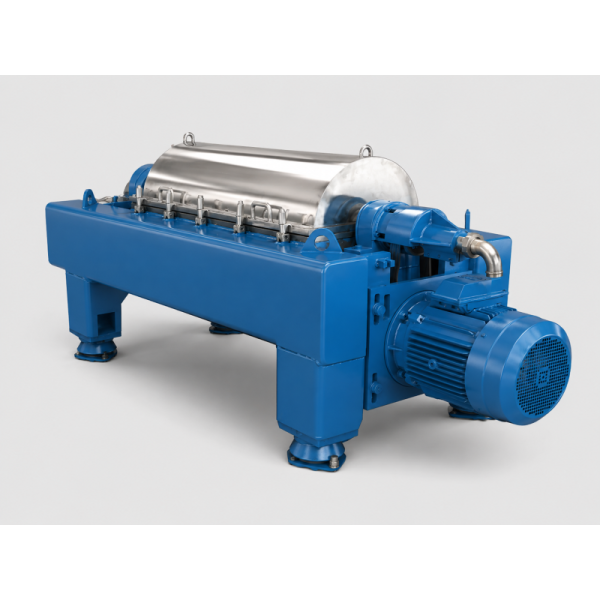
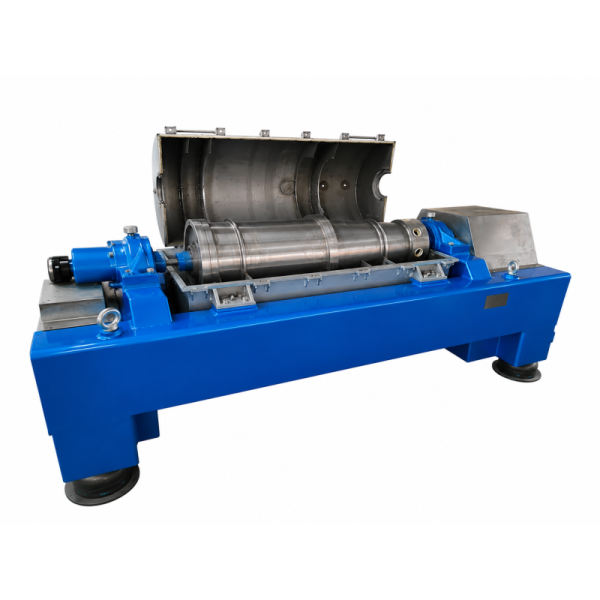
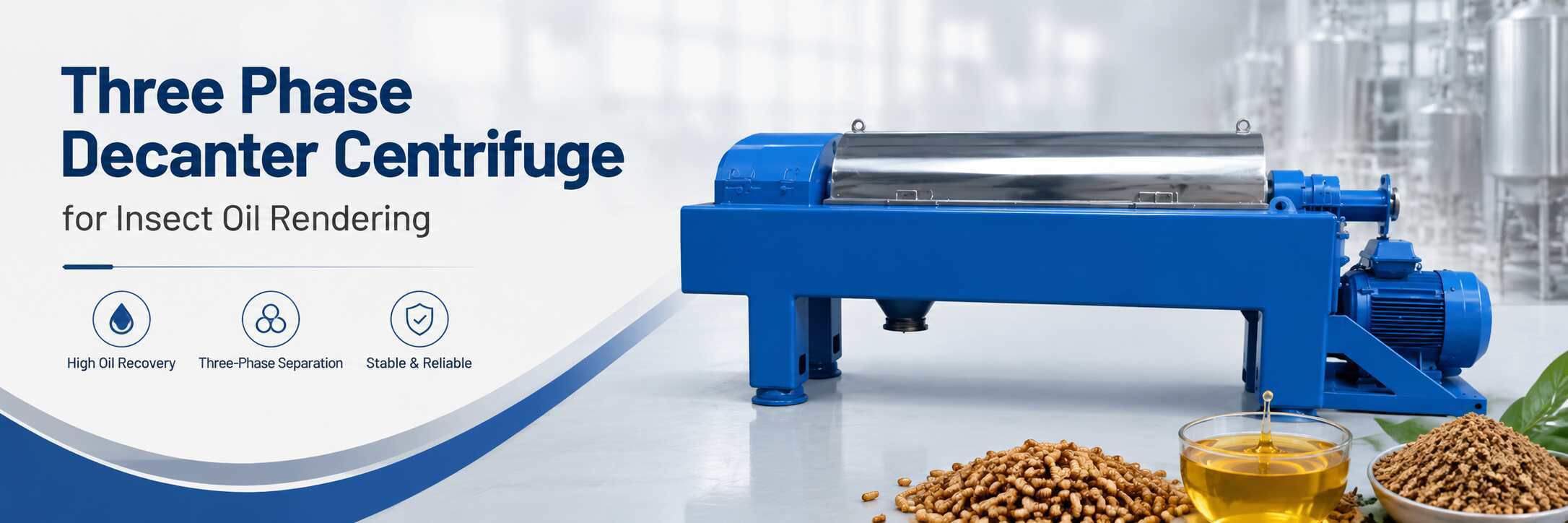
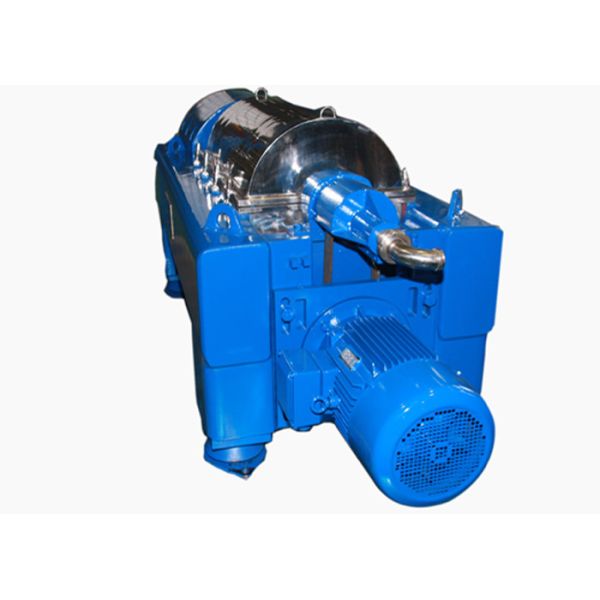
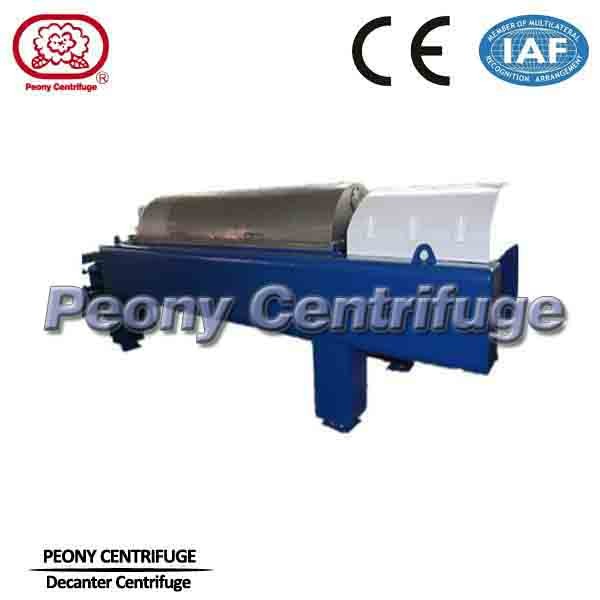
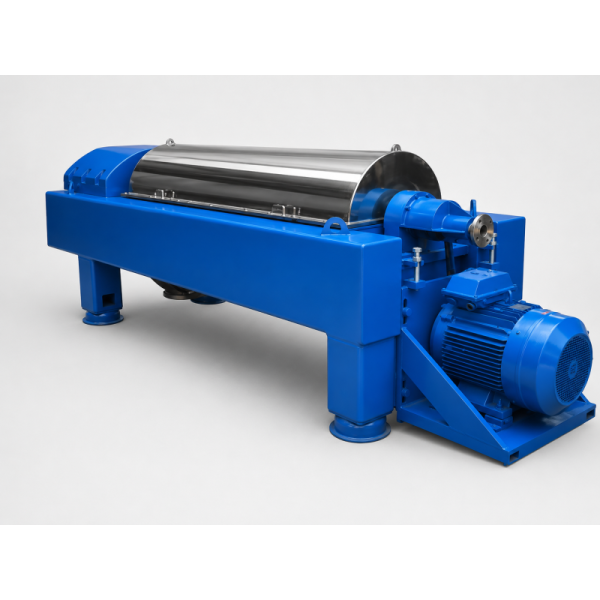
The Three Phase Decanter Centrifuge for Insect Oil Rendering continuously separates insect oil, aqueous liquid, and concentrated protein-rich solids from conditioned insect biomass slurry.
It is suitable for black soldier fly larvae, mealworms, crickets, and other insect-processing materials after crushing, heating, enzymatic treatment, or wet rendering.
Protein particles, chitin, fiber, and cell debris can increase slurry viscosity and affect liquid clarity.
Proteins and fine particles may stabilize the emulsion. Heating, enzymes, or suitable conditioning may improve separation.
Oil content varies with insect species, growth stage, moisture, and upstream processing.
Suitable heating reduces oil viscosity, but excessive temperature may affect oil and protein quality.
Food-grade materials, sanitary seals, polished surfaces, and effective cleaning are required for sensitive applications.
Insect Biomass
→ Crushing / Heating
→ Feed Tank
→ Three Phase Decanter
→ Oil + Water + Solids
Recovered Oil → Filtration / Storage
Water Phase → Recovery / Treatment
Solids → Drying / Meal Production
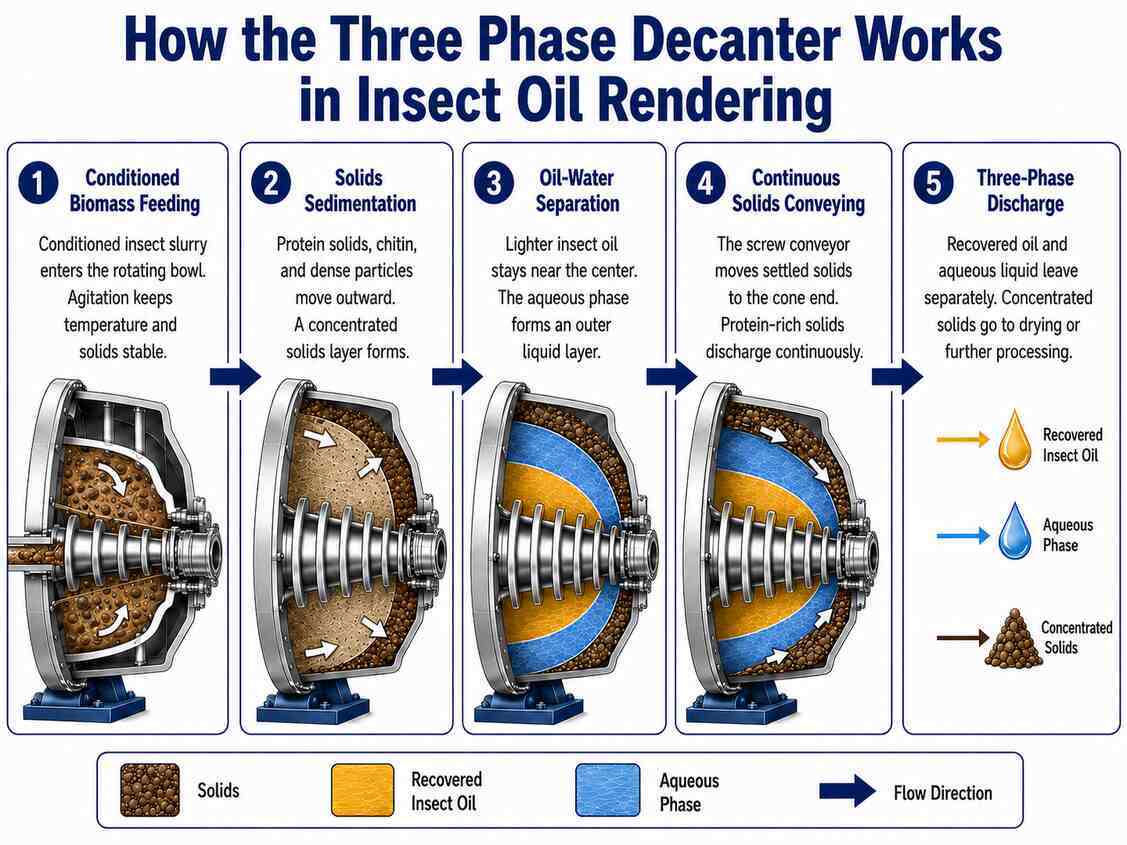
Conditioned insect slurry enters the rotating bowl.
Agitation maintains uniform temperature and solids concentration.
Centrifugal force moves protein solids, chitin, fiber, and dense particles toward the bowl wall.
A concentrated solids layer forms.
The lighter insect oil remains closer to the bowl center.
The heavier aqueous phase forms a separate outer liquid layer.
The screw conveyor transports settled solids toward the conical discharge end.
Protein-rich solids discharge continuously.
Recovered oil and aqueous liquid leave through separate outlets.
The concentrated solids are discharged for drying or further processing.

| Model | Diameter (mm) | Length (mm) | Length-to-diameter rate | G force | Max solid discharge (m³/h) | Weight (kg) | Dimension (L*W*H) (mm) |
|---|---|---|---|---|---|---|---|
| PDC-10 | 250 | 1000 | 4 | 4080 | 0.4 | 1000 | 2410*800*1080 |
| PDC-12 | 4200 | 1350 | 4 | 3500 | 0.6 | 1200 | 2610*800*1080 |
| PDC-12 | 4200 | 1350 | 4.5 | 3180 | 1.2 | 1800 | 3495*840*1180 |
| PDC-18 | 4000 | 1600 | 4.5 | 3180 | 1.2 | 3200 | 3497*1020*1385 |
| PDC-18 | 450 | 2150 | 4 | 2500 | 2 | 3800 | 4447*1080*1385 |
| PDC-20 | 400 | 2250 | 4.5 | 2500 | 3.5 | 4000 | 4580*1140*1470 |
| PDC-21 | 530 | 2280 | 4.3 | 2500 | 5 | 5000 | 4924*1170*1540 |
| PDC-26 | 655 | 2800 | 4.3 | 2270 | 8 | 7000 | 4300*1900*1350 |
Separates oil continuously from wet-rendered insect biomass.
Adjustable speed and phase-interface control help reduce oil loss.
Concentrates defatted solids for meal, protein, or other downstream products.
Removes solids and oil before polishing, drying, or wastewater treatment.
Food-grade contact parts and CIP options support hygienic processing.
Please provide:
Normally no. The material should first be crushed, heated, or otherwise conditioned into a pumpable slurry.
Heating is usually helpful because it releases oil and reduces viscosity. The temperature should match the required oil and protein quality.
Possibly, but strong emulsions may require enzymatic treatment, controlled heating, or other conditioning before centrifugation.
Potentially. Moisture, residual oil, microbial condition, chitin content, and final product requirements should be evaluated.
Usually yes. Fine filtration, polishing centrifugation, moisture removal, or deodorization may be required depending on the final use.
Peony supports insect-processing plants, feed producers, rendering companies, biotechnology projects, and engineering contractors.
Send us your insect type, slurry composition, temperature, capacity, and product-quality requirements. Our engineering team will recommend a suitable three-phase decanter centrifuge solution.