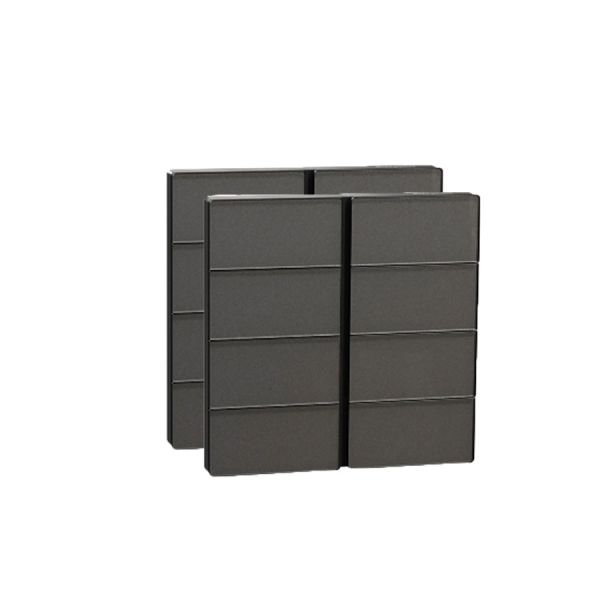
NP16164_01MS Schneider Unica KNX 8-Key Smart Panel with Control Interface
1. Core Product Parameters
The panel’s specifications align with KNX standards and focus on flexibility, usability, and integration. Key parameters include:
Electrical & Communication
-
Protocol: KNX (Konnex) – an open, global standard for building automation, ensuring interoperability with other KNX devices (e.g., sensors, actuators, thermostats).
-
Power Supply: Operates on the KNX bus (no separate power source required; bus voltage typically 24V DC).
-
Bus Connection: 1x KNX bus coupling terminal (supports looping/branching of the bus cable, per KNX standards).
Physical Design
-
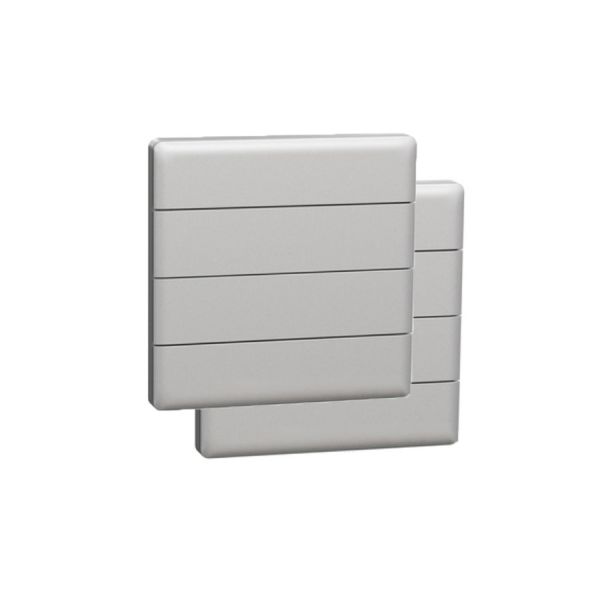
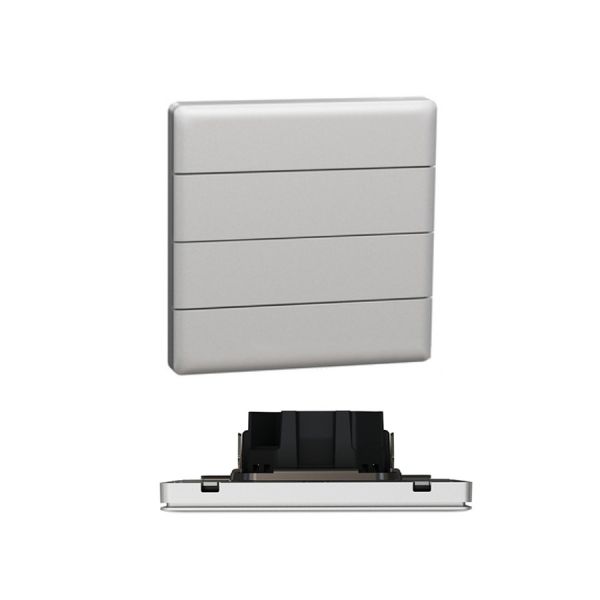
Keys: 8 programmable keys with white LED backlighting (adjustable brightness, including a "night mode" for reduced glare). Keys feature tactile feedback and support custom icon engraving.
-
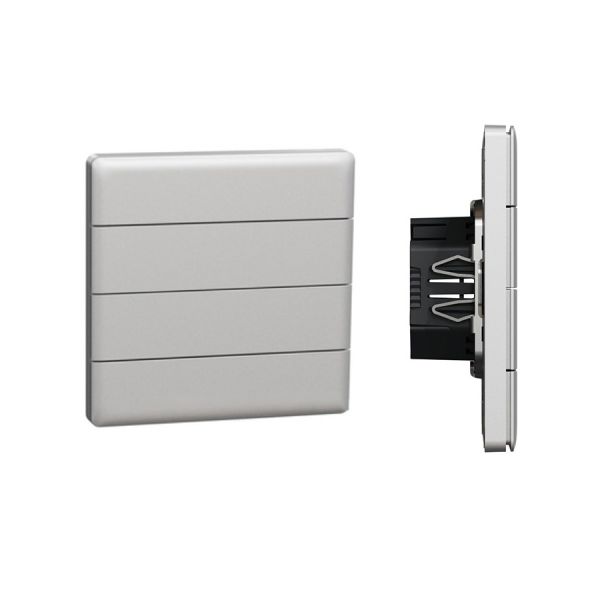
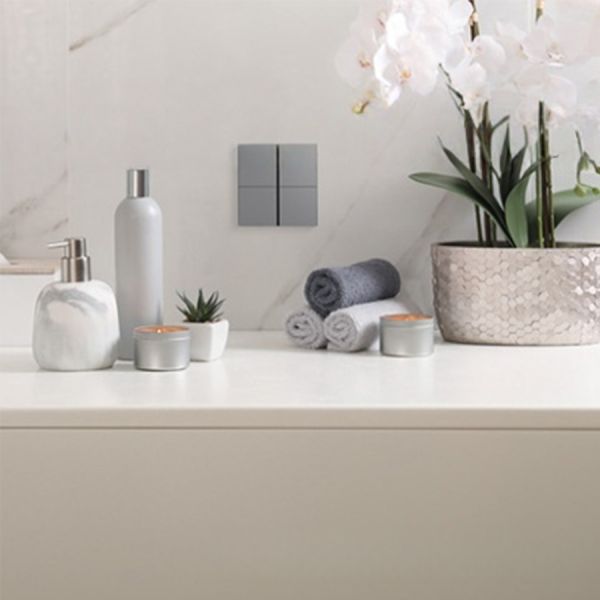
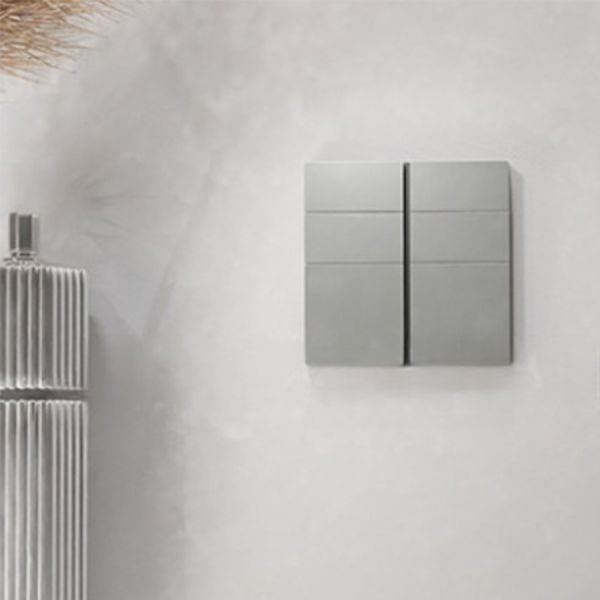
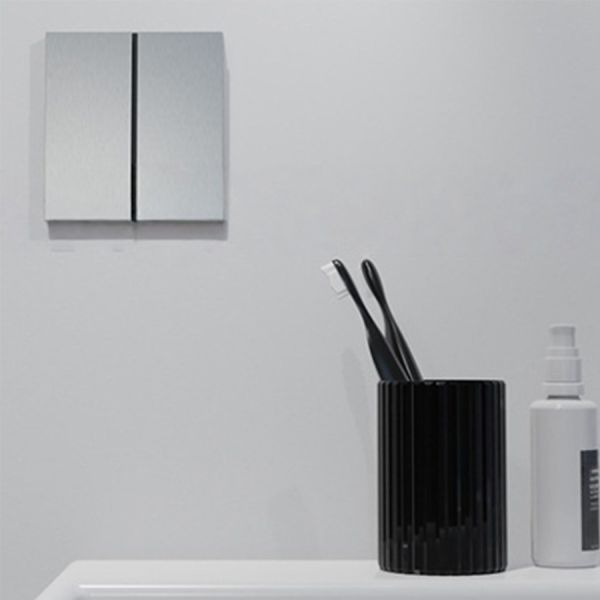
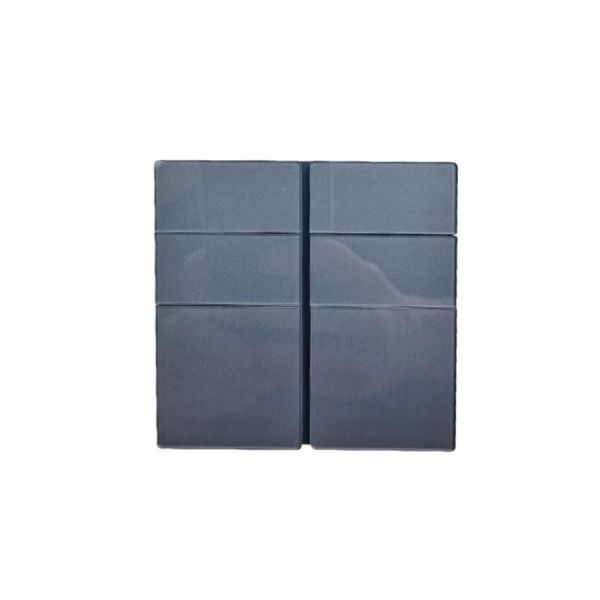
Material: Frame made of aluminum alloy (durable, lightweight) with plastic keycaps. Available in three finishes: Ice Silver(NP16164_01MS), Morning Gold(NP16164_01WG), Smoke Gray(NP16164_01SL).
-
Mounting: Fits standard 86mm (EU) or 120mm (US) wall boxes (compatible with global electrical standards).
-
Indicators: Each key has an LED status indicator (shows active/inactive states); idle mode turns off backlights to save energy.
Functional Features
-
Programmability: Fully configurable via ETS (Engineering Tool Software) – a Windows-based tool for KNX system design. Users can assign functions to keys (short/long press) for:
-
Lighting Control: On/off, dimming (single/double key), color temperature adjustment (RGB/RGBW), scene recall/store.
-
Shading Control: Open/close curtains/blinds, stop/adjust slat angles (via 4-bit relative dimming commands).
-
Scene Management: Store up to 20 scenes (e.g., "Movie Night," "Morning Routine") and recall them with one key press.
-
Logic Functions: Support for AND/OR/XOR logic, threshold comparison, format conversion (e.g., converting temperature data to brightness levels).
-
Proximity Sensing: Keys light up when a hand approaches (improves usability in low-light conditions).
-
Lock Function: Prevents accidental key presses (useful in public spaces like hotels or offices).
2. Application Scenarios
The NP16164_01MS is designed for multi-domain building automation and excels in environments where centralized, user-friendly control is needed. Primary use cases include:
Residential Smart Homes
-
Living Rooms/Bedrooms: Control lighting (dimming, color temperature), curtains (motorized), and scenes (e.g., "Relax" mode dims lights and closes curtains).
-
Kitchens: Manage under-cabinet lighting, range hood ventilation, and kitchen island pendants via dedicated keys.
-
Home Offices: Adjust task lighting, activate "Work" scenes (e.g., bright lights + open blinds), and control smart plugs for devices.
Commercial Buildings (Offices)
-
Conference Rooms: Recall "Meeting" scenes (e.g., turn on overhead lights, lower projection screens) with one key press.
-
Open Workspaces: Allow employees to adjust desk lighting (dimming) and window blinds (to reduce glare) without disrupting others.
-
Reception Areas: Use the panel to control entrance lighting, waiting area ambiance, and visitor scene settings.
Hospitality (Hotels/Guesthouses)
-
Hotel Rooms: Provide guests with intuitive control over room lighting (warm/cool tones), curtains (blackout/ sheer), and climate (via integration with KNX thermostats). Custom icons (e.g., "Do Not Disturb," "Room Service") enhance the guest experience.
-
Common Areas: Manage lobby lighting, elevator waiting area ambiance, and restaurant scene settings (e.g., "Dinner" mode with soft lighting).
Public Spaces (Schools/Hospitals)
-
Classrooms: Allow teachers to adjust lighting (e.g., "Lecture" mode with bright lights) and close blinds (to reduce sunlight).
-
Patient Rooms: Enable nurses to control bedside lighting, curtain privacy, and medical equipment (via KNX integration) without entering the room.
3. Key Advantages
-
Interoperability: As a KNX device, it works seamlessly with other KNX products (e.g., ABB, Siemens, Legrand), avoiding vendor lock-in.
-
Customization: The 8 keys can be tailored to specific user needs (e.g., a hotel might prioritize "Room Service" and "Do Not Disturb" keys, while a home user might focus on lighting scenes).
-
Energy Efficiency: Proximity sensing and night mode reduce unnecessary power consumption; dimming/scene control minimizes energy waste.
-
Scalability: Can be integrated into larger KNX systems (e.g., adding thermostats, occupancy sensors) to create a fully automated building.