1, Precautions for preparation before operation
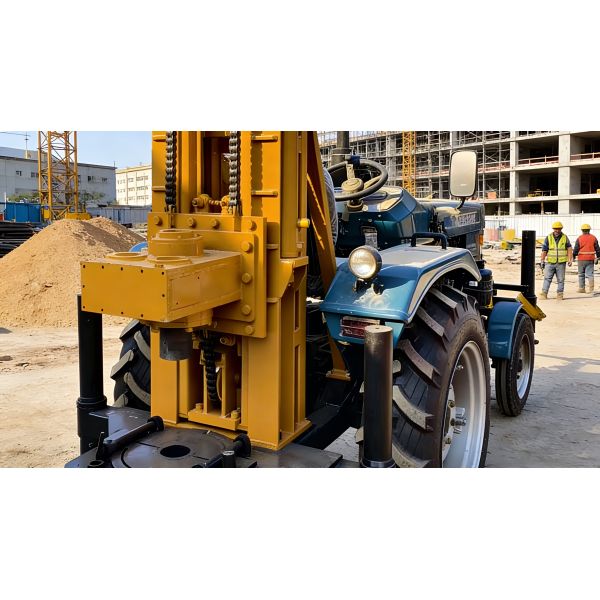
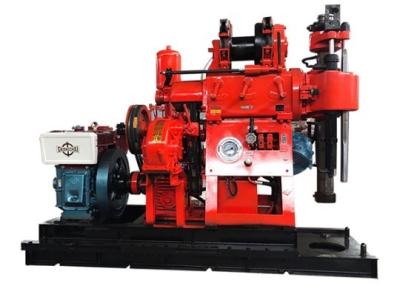
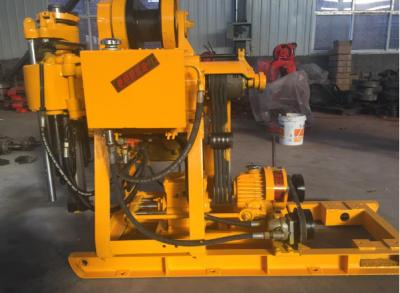
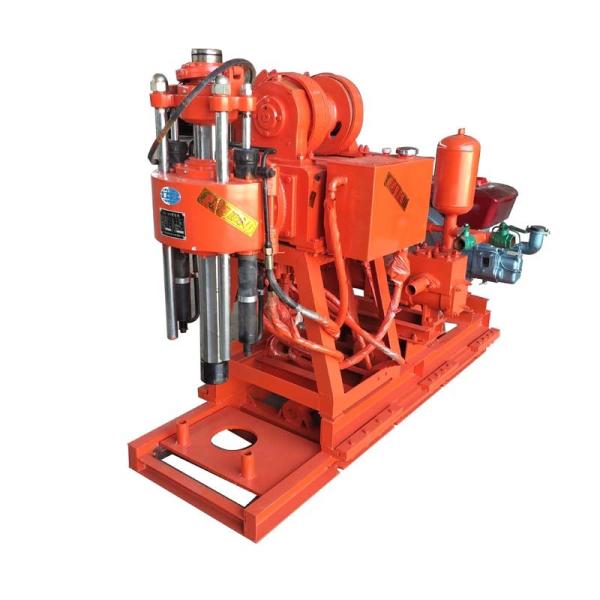
Equipment inspection: Conduct a comprehensive inspection of the status of all components of the drilling rig before operation, with a focus on checking the oil (engine oil, diesel), circuit connections, and oil pipe sealing of the engine, electric motor, and generator to ensure no leakage or looseness; Check the flexibility of the clamping device's opening and closing, confirm that the maximum 30 ° clamping angle adjustment function is normal, and that the drill bit and drill rod are not worn or deformed.
Site adaptation: Choose a solid and flat work site, avoid construction on soft and sloping (slopes exceeding the equipment adaptation range) ground, and prevent the machine from tipping over; Clear the obstacles within the site, reserve sufficient operating space, and ensure unobstructed towing and drilling operations.
Personnel qualifications: Operators must undergo professional training, be familiar with equipment structure, operating procedures, and safety regulations, and are strictly prohibited from working without certification; Wear protective equipment (safety helmet, anti slip shoes, protective gloves, etc.) during homework to avoid physical contact with moving parts.
Power debugging: Before starting the equipment, confirm that the power matching of the tractor, electric motor, and generator is normal. Run it for 5-10 minutes without load, check whether the speed and torque output are stable, and monitor the equipment for any abnormal noise.
2, Precautions for homework process
Parameter compliance operation: Strictly follow the rated parameters of the equipment for construction, with a drilling diameter not exceeding 500 millimeters and a drilling depth not exceeding 150 meters, to avoid component damage caused by overloaded operations; Reasonably adjust the drilling speed according to the geological conditions (soil and rock hardness), and prohibit violent drilling.
Clamping and fixing specifications: During the installation of the drill pipe, ensure that the clamping device is clamped and the clamping angle is controlled within 30 °. During operation, observe the clamping status in real time and immediately stop the machine for adjustment if any looseness is found to prevent the drill pipe from falling off and causing safety accidents.
Real time monitoring status: Continuously monitor the operating temperature (engine, motor), oil pressure, and circuit stability of the equipment during operation. If there are any abnormalities such as overheating, abnormal noise, or leakage, immediately stop the machine to troubleshoot. It is strictly prohibited to work with problems.
Safety distance control: During drilling operations, non operators should stay away from the equipment rotation area and below the drill pipe, and set up safety warning signs to avoid accidental injuries caused by gravel splashing and drill pipe shaking.
3, Mobile and transportation precautions
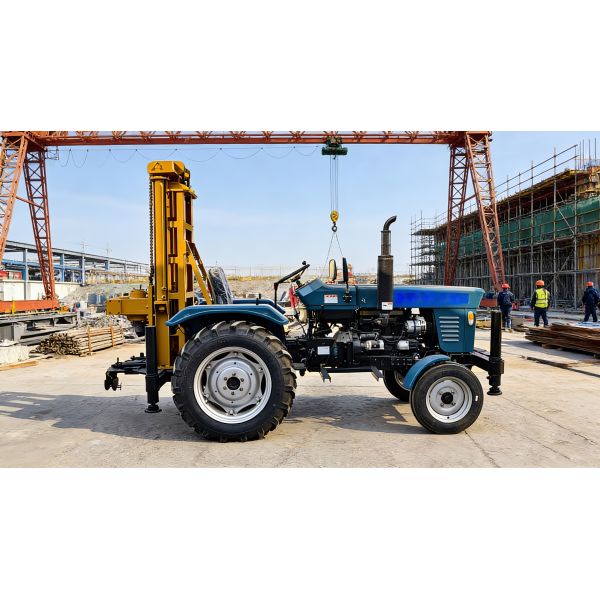
Traction and movement specifications: Ensure that the traction device is firmly connected during traction, strictly control the movement speed within 2.5 kilometers per hour, and avoid sudden acceleration and braking; Slow down on turning and downhill sections, and arrange personnel to assist and guide if necessary.
Size adaptation reminder: The overall size of the equipment is 4000 × 1600 × 2680 millimeters. Before transportation, confirm the width, height, and load-bearing capacity of the roads, bridges, and tunnels (equipment weight 2.8 tons) to avoid transportation accidents caused by excessive height, width, or weight.
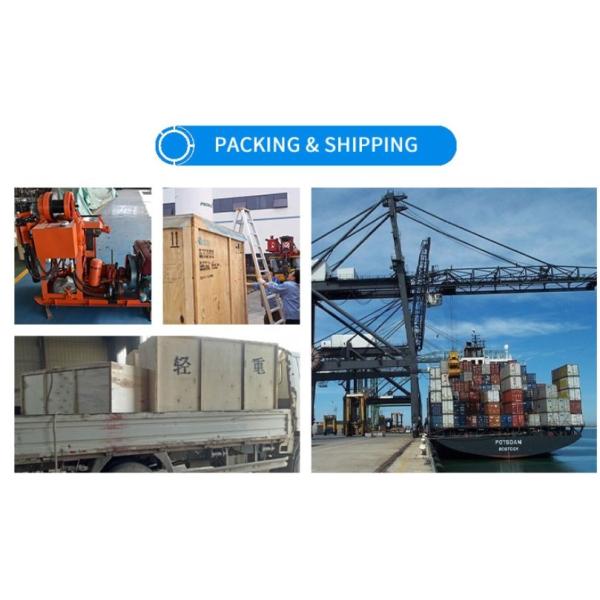
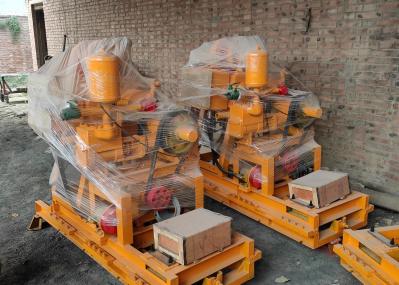
Loading and unloading protection: During the loading and unloading process, use suitable lifting equipment to ensure even force distribution and avoid tilting or collision of the aircraft; Secure detachable components such as drill rods and bits during transportation to prevent damage caused by rough terrain.
4, Maintenance and storage precautions
Daily maintenance: Clean the surface soil and debris of the equipment in a timely manner after homework, check the wear and tear of drill rods and bits, and polish or replace them if necessary; Regularly replace the oil and filter element, tighten loose parts, and keep maintenance records.
Long term storage: Store in a dry and ventilated area, avoiding exposure to rain and sun; Disassemble the drill rod and drill bit, store them properly, and apply rust proof oil; Turn off the power supply and oil valves of the equipment to ensure safety during storage.
Fault handling: In case of equipment failure, it is necessary to cut off power and oil before conducting maintenance. It is strictly prohibited to disassemble components while the equipment is in operation; Complex faults require contacting professional maintenance personnel for handling, and unauthorized modification of equipment core components is not allowed.