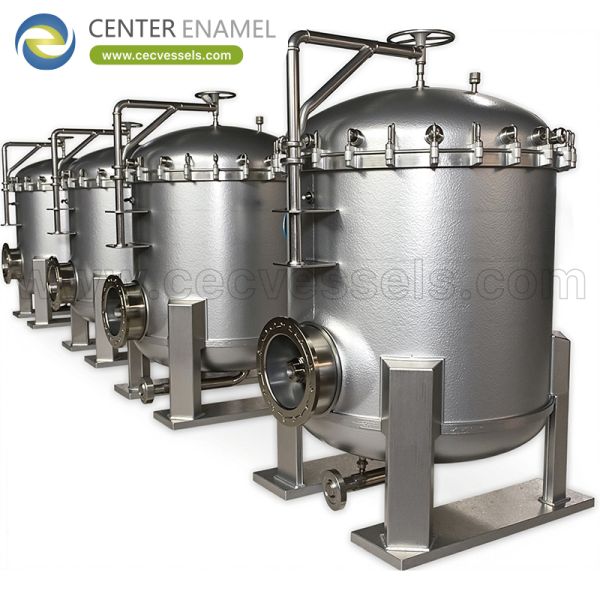
Specifications
Certification :
ASME,ISO 9001,CE, NSF/ANSI 61, WRAS, ISO 28765, LFGB, BSCI, ISO 45001
Price :
10000 USD
Material :
Stainless Steel, Carbon Steel
Delivery Time :
2 months
Design Pressure :
0.1-10 Mpa
Supply Ability :
200 sets / days
Applications :
Chemical, Food Processing, Beverage Processing, Brewing, Metallurgy, Oil Refining, Pharmaceuticals
Payment Terms :
L/C,T/T
Place of Origin :
China
MOQ :
1 Sets
Size :
Customized
Brand Name :
Center Enamel
Description
Kombucha Vessels: How to Choose the Perfect Kombucha Brew Vessel for Continuous Brew

Answering the core question: What defines the ideal kombucha brewing vessel for a continuous brew system, and how do material choice, spigot design, and capacity impact fermentation safety? A continuous brew setup allows kombucha makers to continuously harvest mature, probiotic-rich tea from a spigot while periodically topping off the vessel with fresh sweet tea, avoiding the need to reset the entire fermentation cycle from scratch. Selecting the right vessel requires evaluating material non-reactivity against organic acids, secure spigot hardware, and structural durability to maintain a healthy SCOBY ecosystem.

1. Understanding Continuous Brew vs. Batch Brew Systems

Switching from a traditional batch brew to a continuous system transforms workflow efficiency:

  • The Continuous Workflow: Instead of bottling an entire batch and restarting, brewers draw off 75% to 80% of the finished kombucha through a lower spigot, leaving the active SCOBY and starter liquid inside to rapidly ferment a fresh addition of sweet tea.
  • Vessel Stability: Continuous brew vessels must remain stable, feature an easily accessible top manway or opening for SCOBY inspection, and incorporate a heavy-duty dispensing tap located near the bottom apex.
2. Evaluating Vessel Materials for Acidic Fermentation

Kombucha fermentation produces active acetic, gluconic, and lactic acids that can leach harmful compounds if the vessel material is sub-standard:

  • Food-Grade Stainless Steel (AISI 304): Highly recommended for larger micro-breweries or advanced home setups, stainless steel is completely impervious to UV light, unbreakable, and highly resistant to organic acid corrosion.
  • Food-Safe Borosilicate Glass: Excellent for home brewers who want visual monitoring of the SCOBY and liquid clarity, provided it is shielded from direct sunlight.
  • Lead-Free Ceramic and Stoneware: Traditional and thermally stable, but requires rigorous manufacturer certification to ensure the internal glaze contains zero lead or cadmium, which dissolve under acidic conditions.
3. Spigot Selection and Hardware Integrity

The weakest point of any continuous brew vessel is its dispensing spigot:

  • Avoiding Metal Leaching: Cheap brass or plated spigots will corrode rapidly when exposed to acidic kombucha. Always select food-grade 304 stainless steel or high-grade food-safe plastic taps.
  • Cleanable Design: Choose dismantling spigots that can be easily unscrewed, cleaned, and sanitized to prevent sticky buildup and bacterial contamination in the valve channel.
Kombucha Vessel Materials Comparison Matrix
Vessel Material Acid Resistance (pH 2.5–3.5) Durability & Safety Ideal Production Scale Key Maintenance Requirement
AISI 304 Stainless Steel Exceptional Indestructible & non-reactive Home advanced / Commercial Keep spigot threads clean and sanitized
Borosilicate Glass High Moderate (fragile to impact) Home continuous brewing Protect from direct sunlight / UV exposure
Glazed Stoneware / Ceramic High (if certified) Heavy, stable, moderate impact resistance Traditional setups Must verify 100% lead-free interior glaze
Frequently Asked Questions (FAQ)

Q: What is the main benefit of a continuous brew kombucha system?

A: A continuous brew system allows you to harvest mature kombucha regularly from a spigot and top the vessel up with fresh sweet tea, maintaining a healthy, established SCOBY environment without restarting fermentation from scratch.

Q: Can you use metal containers for brewing kombucha?

A: Yes, provided the metal is food-grade austenitic stainless steel (such as AISI 304). Never use reactive metals like aluminum, copper, or unlined steel, as organic acids in kombucha will leach them into the brew.

Q: How do I prevent the spigot on my continuous brew vessel from clogging?

A: Yeast strands and cellulose fragments from the SCOBY can settle near the spigot. Choose a vessel with a slightly elevated spigot placement or flush the valve periodically during cleaning cycles to prevent buildup.

Q: Why is ceramic or pottery risky for kombucha brewing?

A: Some older or decorative ceramic glazes contain lead or cadmium, which can leach into acidic liquids like kombucha. Always ensure any ceramic vessel is explicitly certified as food-safe and lead-free.

Send your message to this supplier
Send Now

Kombucha Vessels: How to Choose the Perfect Kombucha Brew Vessel for Continuous Brew

Ask Latest Price
Certification :
ASME,ISO 9001,CE, NSF/ANSI 61, WRAS, ISO 28765, LFGB, BSCI, ISO 45001
Price :
10000 USD
Material :
Stainless Steel, Carbon Steel
Delivery Time :
2 months
Design Pressure :
0.1-10 Mpa
Supply Ability :
200 sets / days
Contact Supplier
Kombucha Vessels: How to Choose the Perfect Kombucha Brew Vessel for Continuous Brew

Shijiazhuang Zhongzheng Technology Co., Ltd.

Verified Supplier
1 Years
hebei, shijiazhuang
Since 2008
Business Type :
Manufacturer
Total Annual :
100,000,000-200,000,000
Employee Number :
400~500
Certification Level :
Verified Supplier
Contact Supplier
Submit Requirement