Stainless Wine Tanks: Complete Commercial Guide for Modern Wineries
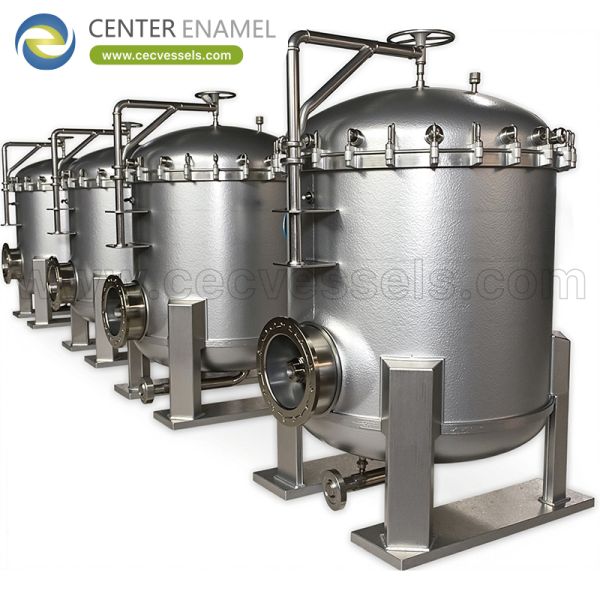
Answering the core question: What are stainless wine tanks, and why are they vital for modern winemaking operations? Stainless wine tanks are heavy-duty, food-grade metal vats crafted from austenitic stainless steel (such as AISI 304 or 316L) used across commercial and boutique wineries for crushing, primary fermentation, malolactic conversion, blending, and long-term storage. Because stainless steel is non-porous, chemically inert, and exceptionally durable, these tanks preserve the pure varietal characteristics of grapes without imparting wood flavors or allowing microbial contamination.
1. The Critical Role of Stainless Steel in the Winery Cellar
Modern oenology relies heavily on stainless steel infrastructure to maintain high precision and rigorous sanitation:
-
Total Chemical Inertness: Unlike alternative containers that introduce secondary tannins or reactive compounds, stainless steel leaves the natural fruit profiles, crisp acids, and delicate aromatics completely unaltered.
-
Immaculate Hygiene and Sanitation: The non-porous nature of high-grade stainless steel prevents wild yeasts, bacteria, and tartrate crystals from embedding into surface micro-fissures, making Clean-in-Place (CIP) systems highly effective.
-
Uncompromised Structural Longevity: Industrial stainless steel vats withstand decades of high-frequency chemical washing, heavy mechanical handling, and thermal stress without structural degradation.
2. Key Variations of Stainless Wine Tanks
Wineries deploy different tank configurations depending on specific production steps and batch management goals:
-
Variable Capacity Tanks (Floating Lid Tanks): Equipped with an inflatable inner tube or mechanical seal lid that floats directly on the liquid surface, eliminating unwanted headspace and preventing oxidation regardless of the volume inside.
-
Conical and Cylindrical Fermentation Tanks: Featuring specialized bottom slopes and cooling jackets, these tanks manage exothermic fermentation heat efficiently while supporting automated or manual solids removal.
-
Insulated Storage and Blending Vats: Massive vertical or horizontal stationary tanks designed for bulk aging, stabilization, and final cuvée blending prior to commercial bottling.
3. Advanced Engineering and Thermal Management Features
High-performance stainless steel tanks integrate sophisticated hardware to control cellar micro-climates:
-
Laser-Welded Cooling Jackets (Miller Plates): Wrapped around the outer shell to circulate glycol or chilled water, granting winemakers exact temperature regulation during hot fermentation or cold-stabilization phases.
-
Sanitary Accessories: Fitted with digital thermowells, certified sample valves, automatic pneumatic pressure relief valves, and rotating CIP spray balls to streamline daily cellaring operations.
Stainless Wine Tanks Parameters Matrix
| Tank Category |
Typical Volume Range |
Primary Oenological Application |
Key Design Feature |
| Variable Capacity Tank |
100L to 15,000L |
Small-to-mid batch storage and flexible volume management |
Floating lid with pneumatic seal |
| Conical Fermentation Tank |
500L to 30,000L |
Primary and secondary alcoholic/malolactic fermentation |
Sloped or 60° conical bottom for yeast settling |
| Bulk Storage / Blending Tank |
5,000L to 50,000L+ |
Large-scale aging, cold stabilization, and cuvée blending |
Flat or dished bottom with multi-zone cooling jackets |
Frequently Asked Questions (FAQ)
Q: Why are stainless wine tanks preferred over traditional oak barrels for certain wines?
A: Stainless steel tanks are preferred when winemakers want to preserve the pure, unadulterated fruit flavors, crisp acidity, and delicate aromatics of a wine without imparting oak tannins or wood-derived flavors.
Q: What stainless steel grades are used for winery tanks?
A: Commercial winery tanks are manufactured using food-grade austenitic stainless steel, primarily AISI 304 for general structural components and AISI 316 or 316L for interior surfaces exposed to high organic acids and cleaning chemicals.
Q: How do variable capacity stainless steel tanks prevent wine oxidation?
A: Variable capacity tanks use a floating lid equipped with an inflatable rubber tube or seal. As wine is removed, the lid is lowered and sealed against the inner tank wall, completely eliminating oxygen-rich headspace.
Q: Can stainless steel tanks be used for both fermentation and aging?
A: Yes, modern stainless steel tanks are versatile and can be configured with cooling jackets, temperature sensors, and racking ports to handle everything from primary fermentation to long-term cold stabilization.