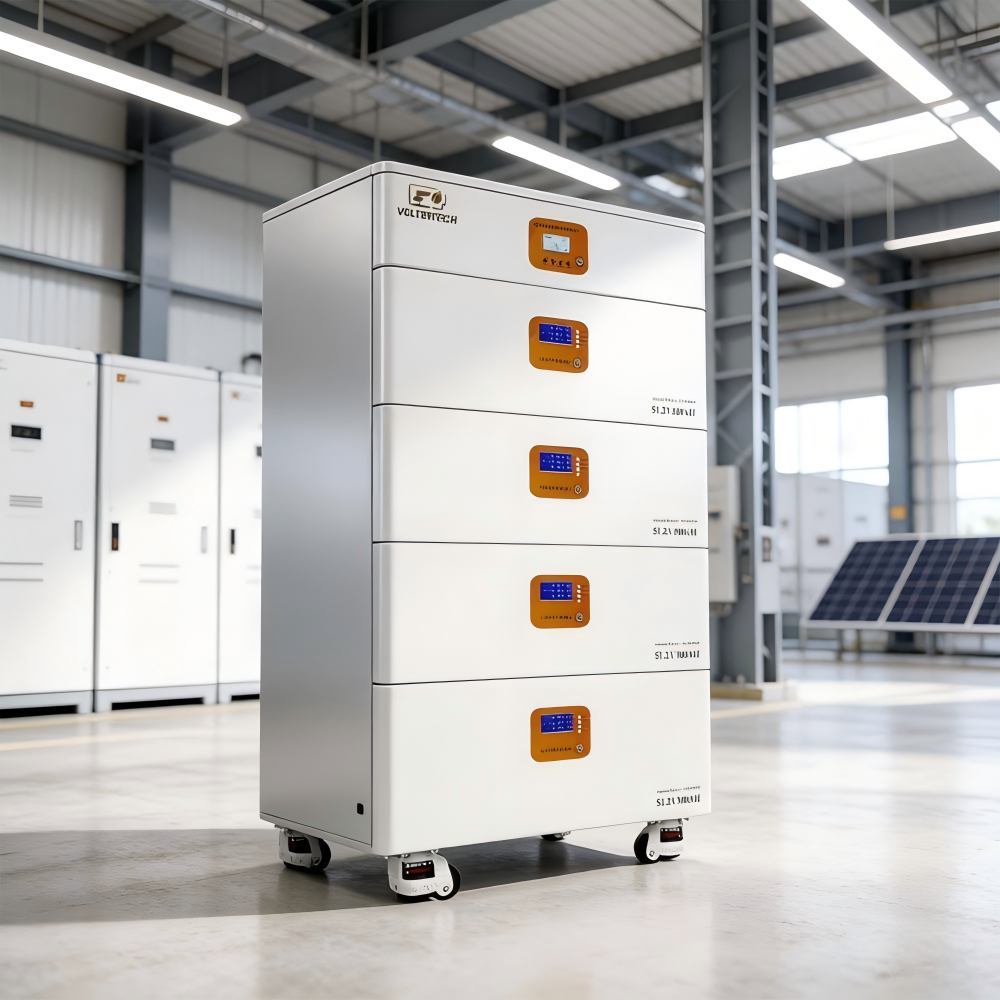
650Wh Off Grid Energy Storage System with 250W Solar Charging Input
This compact off-grid energy storage system combines a 650Wh LiFePO4 battery, 300W AC inverter and solar charging input in one metal enclosure. It is intended for small energy-demand scenarios where lighting, communications or selected electronics need power away from a permanent utility connection.
A small off-grid system works best when the load list is clearly limited. Instead of trying to operate every available device, identify which equipment is essential and how many hours it must run each day.
The 650Wh rating represents nominal battery energy. Actual usable AC energy is lower after inverter efficiency, internal consumption, operating temperature and reserve settings are considered.
Continuous Essential Loads
Calculate routers, communication devices, low-power monitoring equipment and lighting from average wattage and daily operating hours.
Occasional Loads
Keep laptops, tools or other temporary devices separate from the continuous energy budget.
Backup Reserve
Retain part of the battery energy when communications or security equipment must remain available after poor solar conditions.
The PV input accepts 12–60V and up to 250W. Solar panel open-circuit voltage must remain below the input limit during the coldest expected conditions, not only under normal daytime operation.
Panel power should be selected according to the daily load energy and available sunlight. A nominal 250W solar panel will rarely deliver its full rating continuously because of sun angle, temperature, shade and conversion losses.
When the available solar energy is insufficient, the system can also recharge from a compatible utility or generator source. AC input must remain within 85–135Vac at 60Hz.
The system stores 650Wh but supplies a rated 300W AC output. A device may fit the daily energy budget but still exceed the inverter rating when it starts or operates.
Pure sine wave output provides a stable waveform for compatible 110V, 60Hz equipment. The voltage, frequency and power requirements of each appliance must still be confirmed.
The two USB ports and PD 20W Type-C interface allow some DC-powered devices to charge without using an additional AC adapter, depending on device compatibility.
The listed transfer time is below 50ms when the external power source changes. This can be useful for compatible off-grid control or communication equipment, but it does not guarantee that every connected device will remain operating without a reset.
The system does not include a solar panel and has no stated water-protection rating. Use it in a dry and ventilated protected location.
| Off-Grid Energy Reserve | 650Wh LiFePO4 Battery |
| AC Power Platform | 300W / 110Vac ±5Vac / 60Hz ±0.5% |
| Output Waveform | Pure Sine Wave |
| Solar Input Range | 12–60V / 250W Maximum |
| AC Recovery Charging | 85–135Vac / 60Hz / 300W Charging |
| Device Outputs | AC Outlet / 2 × USB 2.0 / Type-C PD 20W |
| Power Transfer Time | Less Than 50ms |
| System Dimensions | 250 × 230 × 175mm / 10kg Net |
| Environmental Range | -10°C to 40°C / 20–95% RH / Below 50dB |
The panel must stay within the 12–60V and 250W limits. Final size depends on daily load energy and local sunlight.
Only when the refrigerator’s running and startup power remain within the 300W output and the required daily energy fits the battery.
The system supports AC and PV charging. The operating method should follow the approved connection and charging instructions.
No exposed-outdoor claim should be made because no water-protection rating is stated.
Provide device power, daily operating hours, local sunlight conditions and the required reserve period.
Planning power for a remote communication or essential-load site?