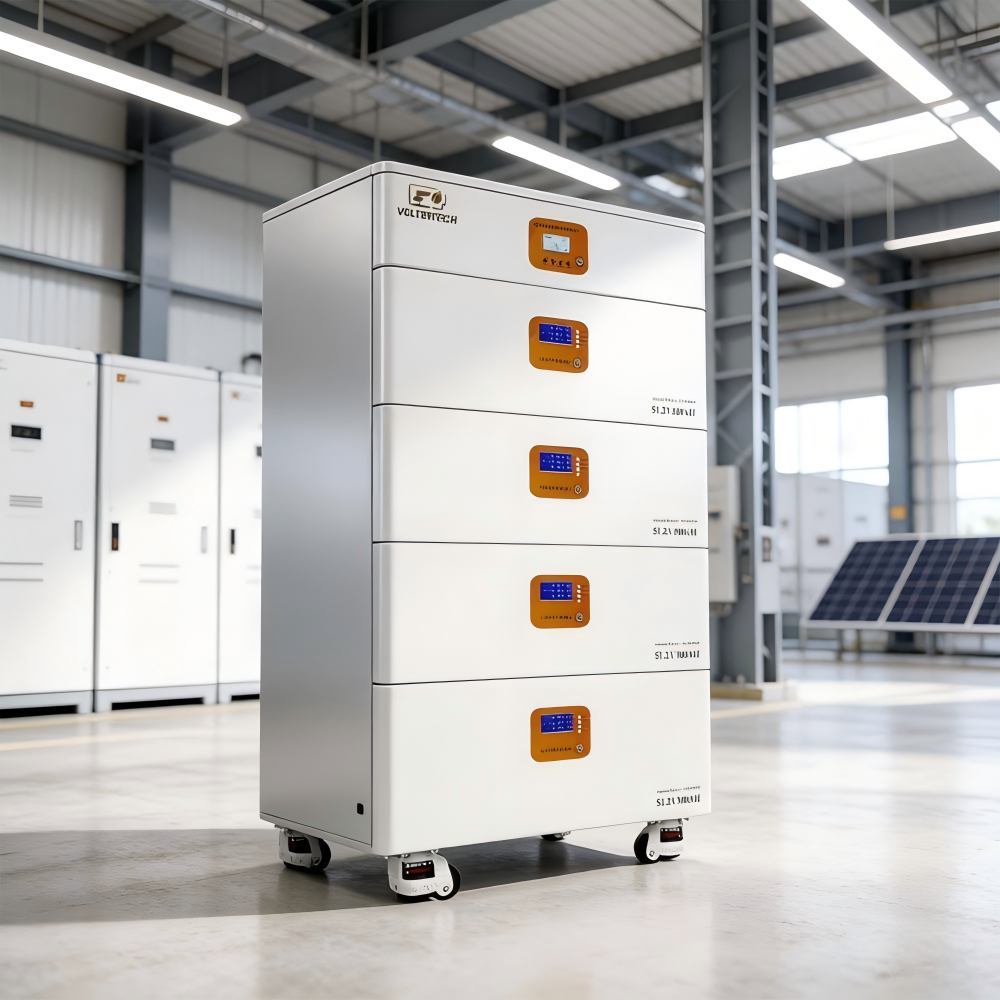
1kWh Off Grid Energy Storage System with 300W PV and 500W AC Charging
This 1kWh off-grid energy storage system combines a 1000Wh LiFePO4 battery, 500W pure sine wave AC output and two recharge paths. It is suited to small remote work areas, communication points and essential-load installations where energy is collected during the day and used later.
Off-grid system selection should compare daily energy consumption with the energy available for recharging. A battery can only return to its starting state when the solar array, generator or AC source replaces the energy used by the loads.
Begin by calculating watt-hours rather than looking only at device wattage. Multiply the average power of each load by its daily operating time, then add an allowance for conversion and system losses.
Continuous Loads
Routers, monitoring equipment and lighting should be calculated over their full required operating period.
Intermittent Loads
Equipment that cycles on and off should be calculated from expected operating time rather than maximum possible time.
Optional Loads
Devices that can be disconnected during poor solar conditions should remain outside the essential energy budget.
The solar input accepts 12–60V and up to 300W. The panel or panel combination must stay within the voltage range under all expected weather conditions.
A 300W nameplate array may deliver less power during clouds, morning and afternoon hours, high panel temperature or partial shade. The system designer should use expected daily solar energy rather than assuming maximum charging throughout the day.
When solar energy is insufficient, AC charging can restore the battery from a compatible 85–135Vac, 60Hz utility or generator source. The listed charging power is 500W.
The faster AC charging path can support scheduled recovery before a known operating period. Generator size, voltage stability and frequency should remain compatible with the station input.
The inverter supplies 110Vac pure sine wave output at 60Hz with a rated power of 500W. Combined AC loads must remain within this limit.
Motor, pump and compressor loads may require more power when starting. Their startup requirement should be checked separately from normal running power.
USB and PD 20W Type-C outputs can support compatible low-voltage devices while conserving AC outlets, although their energy use still reduces the available battery reserve.
This is a compact integrated battery and inverter unit. Solar panels, external wiring and site protection are not included unless specified separately.
| Nominal Stored Energy | 1000Wh LiFePO4 |
| Off-Grid AC Output | 500W / 110Vac ±5Vac / 60Hz ±0.5% |
| Output Waveform | Pure Sine Wave |
| PV Charging Window | 12–60V / 300W Maximum |
| AC Charging Source | 85–135Vac / 60Hz / 500W Charging |
| Device Charging Interfaces | AC / 2 × USB 2.0 / Type-C PD 20W |
| Transfer Reference | Less Than 50ms |
| Enclosure and Weight | 275 × 190 × 246mm / 12.05kg Net |
| Operating Range | -10°C to 40°C / 20–95% RH / Noise Below 50dB |
It depends on available sunlight, panel output, system losses and how much battery energy was used.
A compatible generator may be used when its voltage and frequency remain within the stated AC input range.
The rated output is 500W, but startup demand, other connected loads and operating conditions must also be considered.
Parallel or series expansion should not be assumed because the source specification does not define that function.
Provide daily watt-hour use, peak simultaneous power, local solar conditions and backup-reserve requirements.
Need to balance daily load use with solar and generator charging?