Core Functions & Technical Advantages
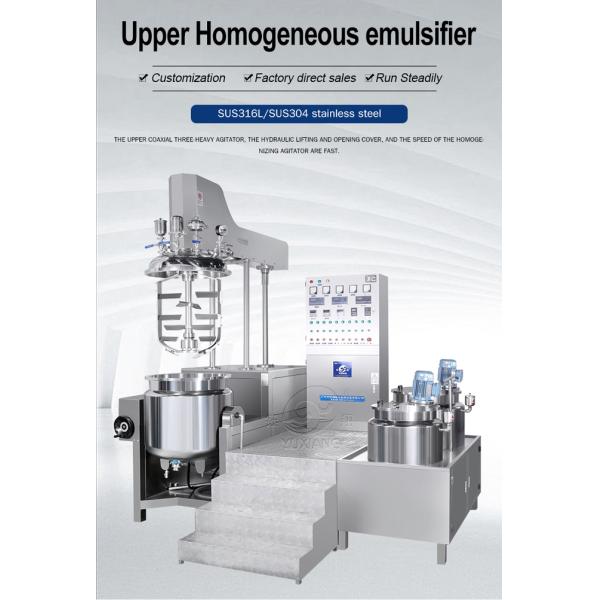
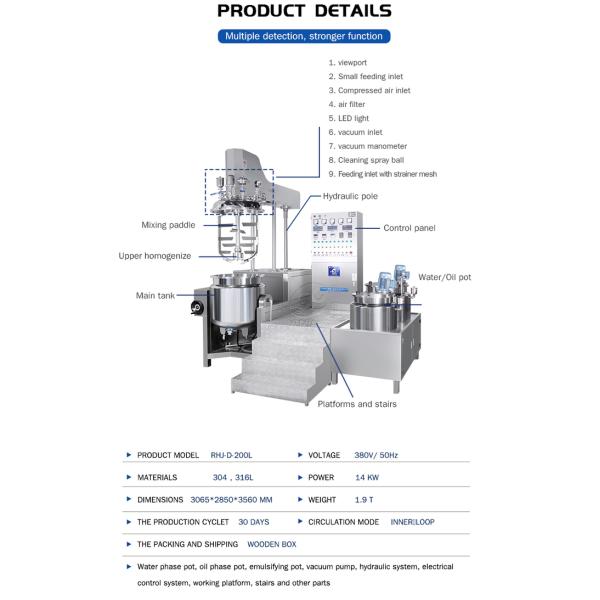
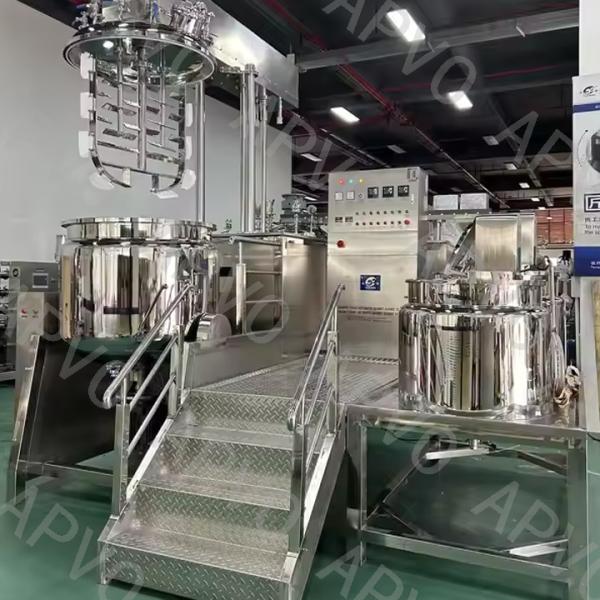
The equipment is developed based on the characteristics of cosmetic raw materials (such as high viscosity, sensitivity to temperature and oxygen, and complex formula) and production process requirements, with the following core functions and technical advantages:
1. Vacuum Homogenizing Emulsification - Stable Quality & Fine Texture
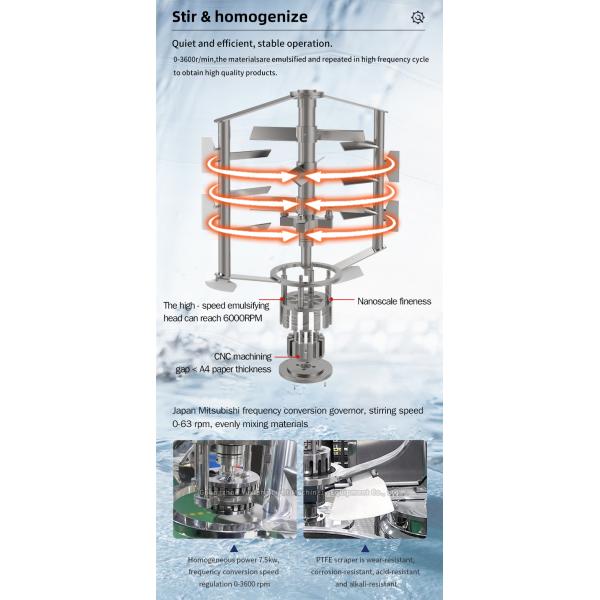
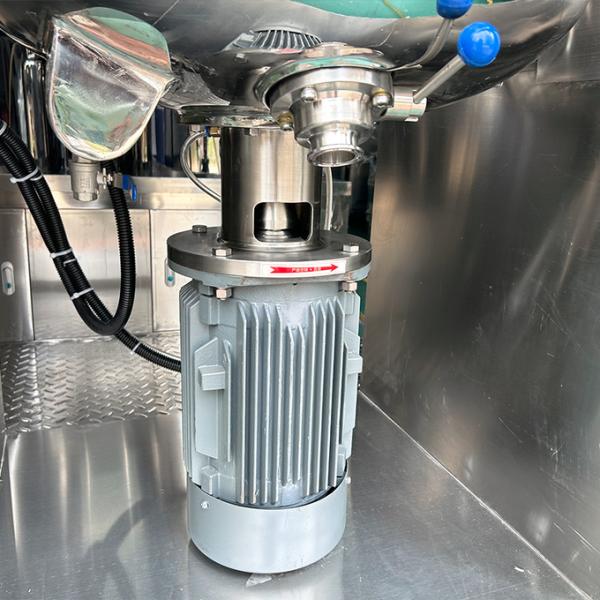
The core component of the equipment is a high-speed vacuum homogenizer, which adopts a multi-stage stator-rotor structure (3-4 stages) with a shear gap of 0.03-0.1 mm. The rotor speed can be steplessly adjusted within the range of 3000-12000 rpm, generating a maximum shear rate of 80000 s⁻¹. Under vacuum conditions (vacuum degree ≤ -0.095 MPa), the homogenizer can quickly break down oil droplets and water droplets into micro-droplets (average particle size 0.1-5 μm), and disperse them evenly in each other to form a stable emulsion system. The vacuum environment effectively avoids the introduction of air bubbles during the emulsification process, preventing the product from turning white, rough, or deteriorating due to bubble residues. At the same time, the fine particle size distribution (polydispersity index PDI ≤ 0.18) ensures that the cosmetic cream and lotion have a smooth, delicate texture and good skin penetration.
2. Multi-Mode Mixing - Uniform Material Integration
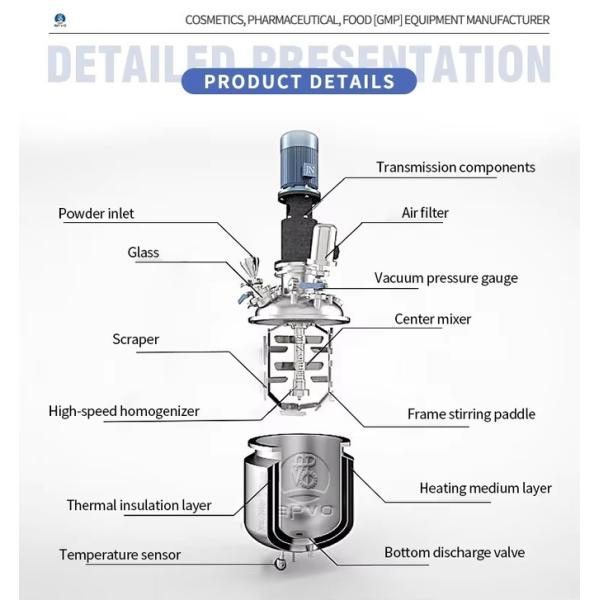
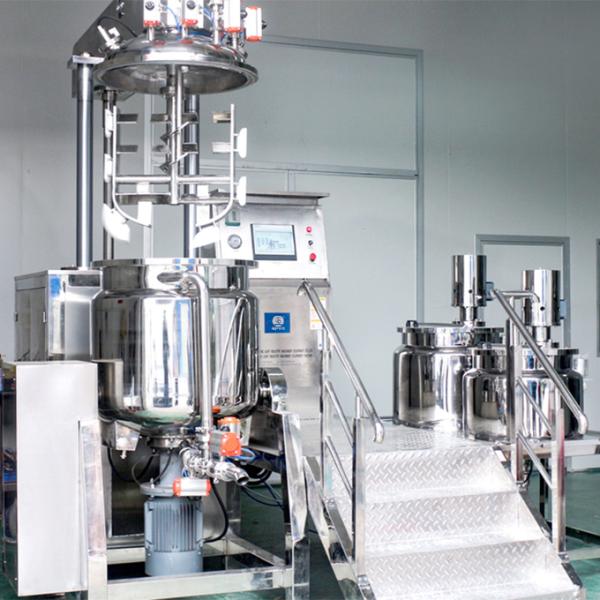
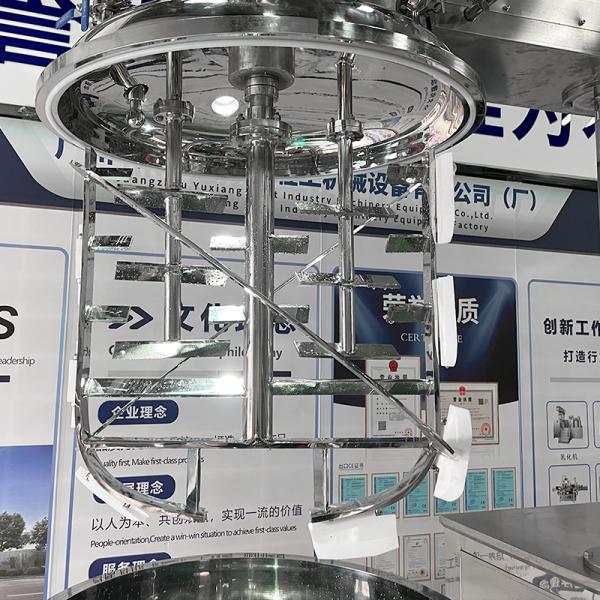
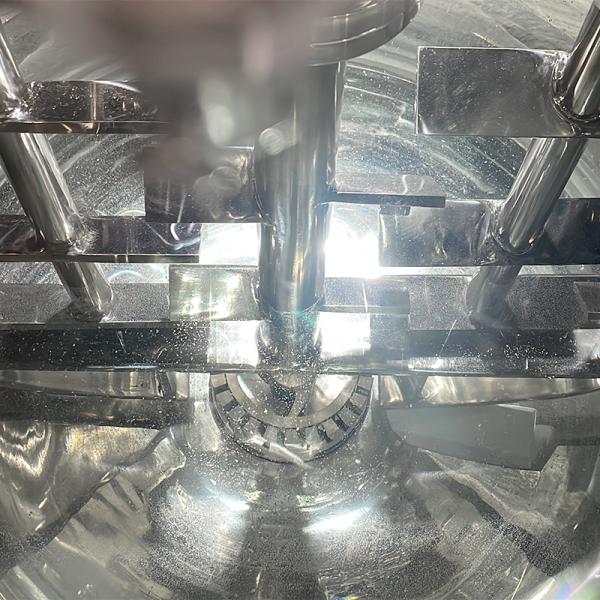
The equipment is equipped with a three-dimensional mixing system, including a frame-type mixing paddle, a scraper paddle, and a bottom homogenizing head, which realizes multi-angle and all-round mixing of materials. The frame-type mixing paddle (speed 10-100 rpm) is suitable for mixing high-viscosity materials, ensuring the overall uniformity of the material system; the scraper paddle is closely attached to the inner wall of the mixing tank, scraping off the materials adhered to the wall to avoid local overheating or under-processing caused by material adhesion; the bottom homogenizing head cooperates with the upper stator-rotor structure to form a circulating mixing effect, ensuring that no dead corners are left in the mixing process. This multi-mode mixing method can adapt to the mixing requirements of different viscosity materials (50-100000 mPa·s) and complex formulas (including water phase, oil phase, powder additives, and functional ingredients), realizing the uniform integration of various raw materials.
3. Precise Temperature Control - Protection of Active Ingredients
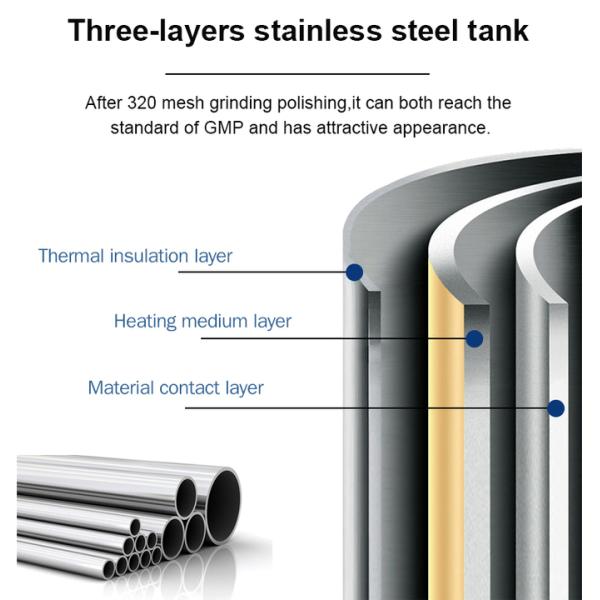
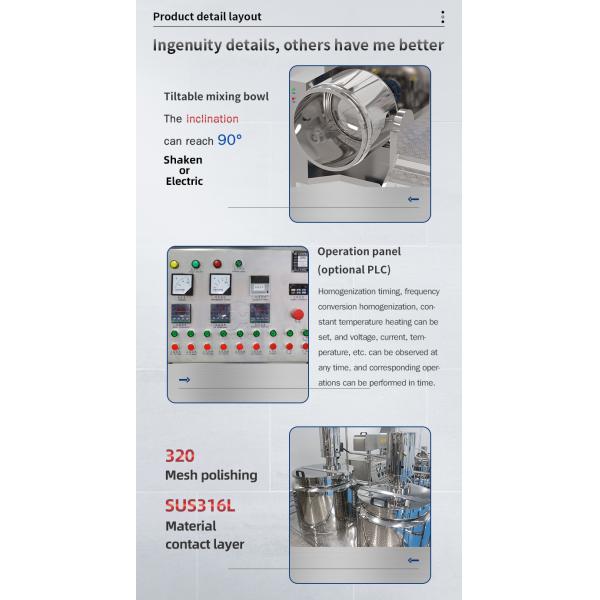
Cosmetic raw materials (such as vitamins, plant extracts, and peptides) are often sensitive to temperature, and excessive temperature will cause the degradation and failure of active ingredients. The equipment is equipped with a jacketed mixing tank and an intelligent temperature control system, which can realize precise control of the material temperature within the range of 5-95℃, with a temperature fluctuation accuracy of ±1℃. The temperature control system supports two modes of heating and cooling: heating is realized through electric heating or steam heating (optional), and cooling is realized through circulating cooling water. During the production process, the temperature can be adjusted according to the formula requirements of different products. For example, when processing heat-sensitive raw materials, the temperature can be controlled at 30-40℃ to ensure the activity of the ingredients; when melting solid oils, the temperature can be raised to 60-80℃ to ensure complete melting. The precise temperature control effectively guarantees the efficacy and stability of cosmetic products.
4. Vacuum Deaeration - Anti-Oxidation & Long Shelf Life
The equipment is equipped with a high-performance vacuum pump, which can quickly extract the air in the mixing tank, making the production process carried out in a vacuum environment. This not only avoids the generation of air bubbles but also effectively prevents the oxidation of raw materials (such as oil phase, active ingredients) by oxygen in the air, reducing the risk of product discoloration, odor, and deterioration. For cosmetic products containing unsaturated fatty acids, plant essential oils, and other easily oxidized ingredients, the vacuum deaeration function can significantly extend the shelf life of the products (extending by 30-50% compared to normal pressure production). In addition, the vacuum environment can also promote the dissolution of some functional ingredients (such as vitamins, hyaluronic acid) in the material system, improving the utilization rate of raw materials.
5. Hygienic Design - Compliance with Cosmetic Production Standards
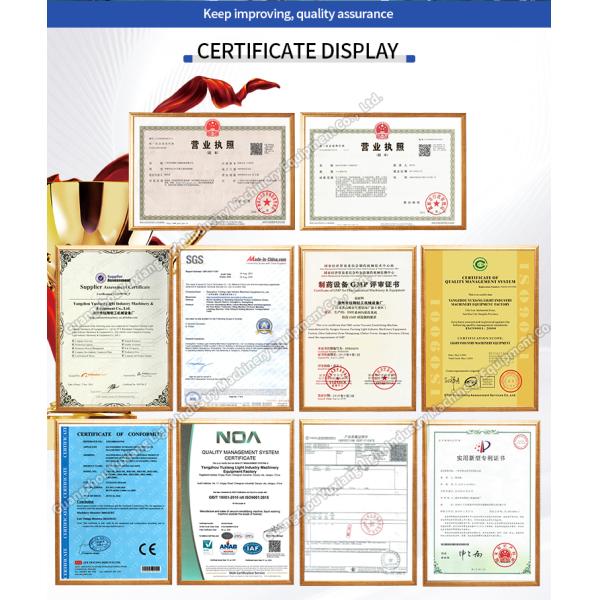
The equipment adopts a fully closed structure and uses food-grade and cosmetic-grade materials that meet GMP and FDA standards. The mixing tank, stator-rotor, scraper, feeding port, and discharge port are all made of 316L stainless steel, with a mirror-polished inner surface (surface roughness Ra ≤ 0.4 μm), which is corrosion-resistant, easy to clean, and avoids material adhesion and bacterial growth. The equipment is equipped with a CIP (Clean-In-Place) automatic cleaning system, which can complete the cleaning of the tank body, pipelines, and homogenizing head within 20-30 minutes, without dead corners, ensuring that there is no cross-contamination between different batches and different types of products. The sealing parts are made of food-grade silicone rubber or PTFE materials, which are non-toxic, odorless, and compatible with various cosmetic raw materials.