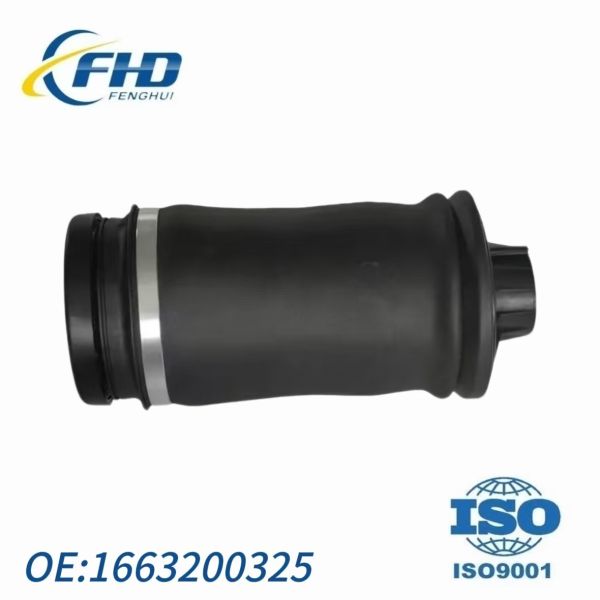
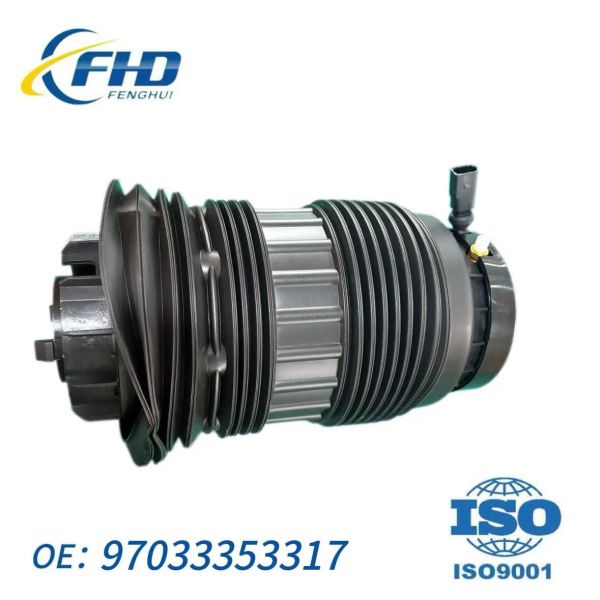
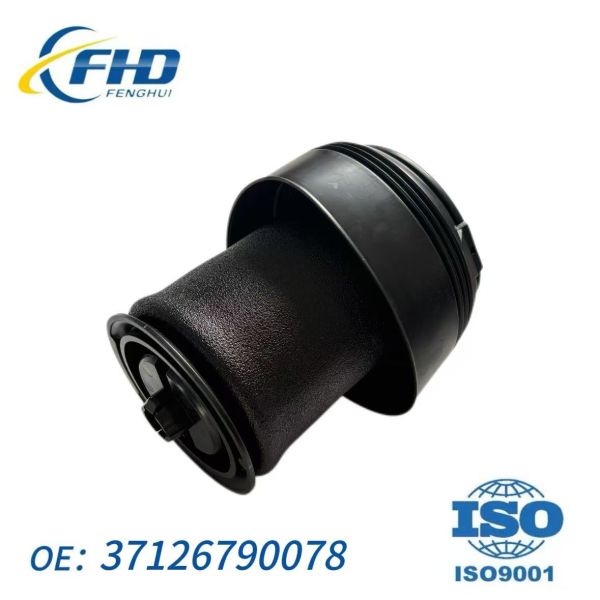
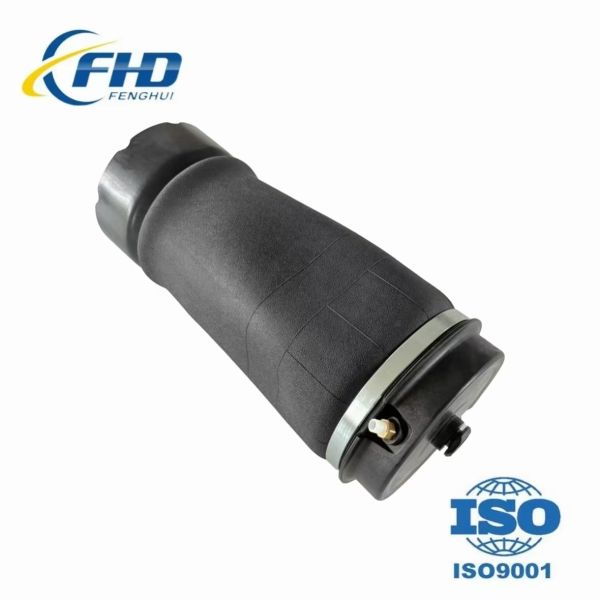
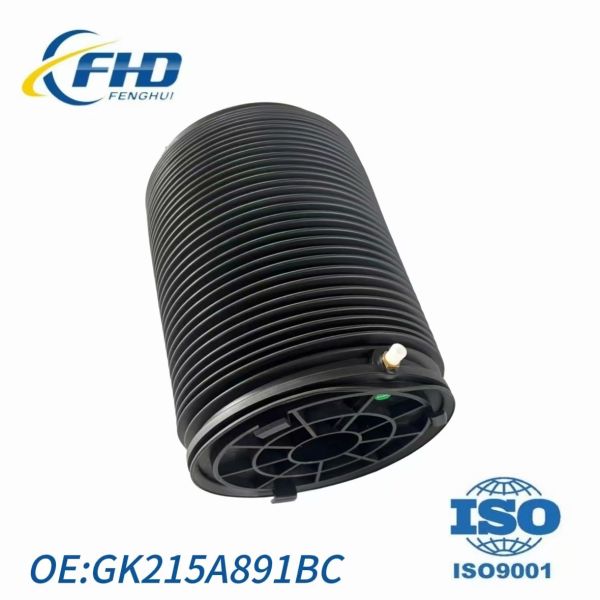
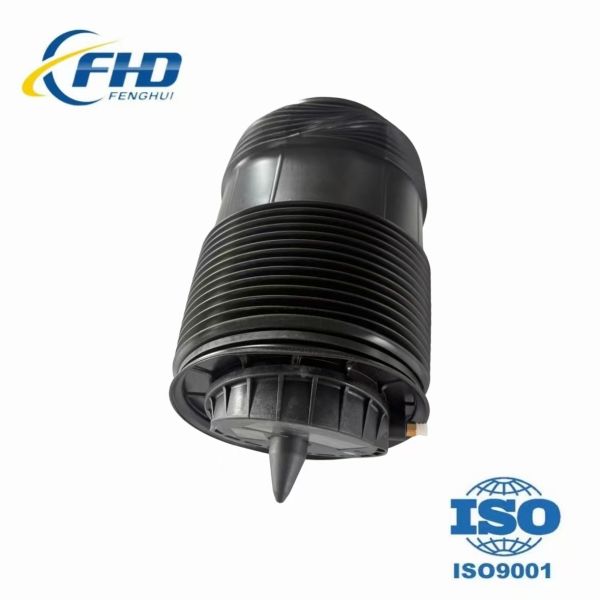
High Load-Bearing, OE Specification Air Spring (Air Bag) For Mercedes-Benz 213 Rear Right Position (Air Spring Only, Without Shock Absorber Core)
This air spring is designed for the rear air suspension system of the Mercedes-Benz 213 chassis, specifically for the rear right (passenger side rear) position. This product is an air spring only and does not include a shock absorber core. It is suitable for repair scenarios where the original rear shock absorber core is still fully functional but the air spring has aged, cracked, or failed.
As a representative of Mercedes-Benz executive sedans, the 213 chassis E-Class balances comfort with vehicle attitude control in its rear air suspension design. The rear right air spring is located on the passenger side rear and must accommodate vehicle height adjustment needs under different load conditions, working in coordination with the AIRMATIC system. Constructed with high-strength rubber composite material and aluminum alloy upper/lower mounts, this air spring works in coordination with the rear shock absorber core, stabilizer bar and height sensor to form the rear portion of the Mercedes-Benz AIRMATIC air suspension system. This product features automatic self-leveling functionality.
The Mercedes-Benz 213 chassis was produced between 2016 and 2023, and rear air spring failure is a common repair item on this model, especially as vehicles accumulate higher mileage or age. This product is manufactured to original equipment structural dimensions, with air bag diameter, upper and lower mounting hole positions, air line connector specifications, and seal ring dimensions all consistent with original factory specifications, allowing direct replacement of the old air spring without any modifications. The left and right sides have different part numbers. Please confirm the required position before purchasing.
Keep dry, clean and handle with care.
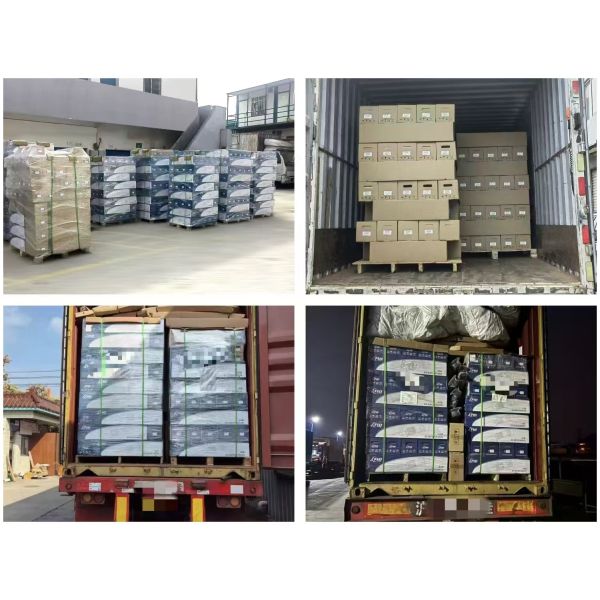
Professional, environmentally friendly, and efficient packaging services ensure the safety of your goods during transit.
Q1: How can I tell whether the Mercedes-Benz 213 rear right air spring is already damaged?
Common signs of damage include: the right rear body side noticeably sinking after the vehicle sits overnight (lower than the left side), the air compressor running frequently after starting (every few minutes), a "hissing" noise from the right rear wheel when going over bumps, and an "AIRMATIC Malfunction" or "Suspension System Unavailable" warning on the dashboard. A simple self-check method: after stopping the vehicle and turning off the engine, spray soapy water on the air spring surface and observe if bubbles appear. On the 213 chassis, air spring leaks commonly occur at the folds of the air bag or at the connection between the bottom and the aluminum seat.
Q2: Is it acceptable to replace only the air spring and keep the old shock absorber core?
Yes, they can be used together, but two conditions must be met: First, the original shock absorber core must be in good condition - no oil leakage, no damping degradation, no abnormal noise. Second, the shock absorber core should generally have no more than 100,000 km of service. The 213 chassis rear shock absorber core typically has a long service life, but if it has exceeded 100,000 km, simultaneous replacement is recommended. The combination of new and old components will not affect the air spring's operation, but degraded damping from the aged shock absorber core will affect the E-Class's expected comfort.
Q3: After replacing the air spring, the instrument panel shows an "AIRMATIC Malfunction" warning, but the vehicle drives normally. What is the cause?
This situation is usually not a problem with the air spring itself, but rather the air suspension system has not been reset after installation. After replacing rear air springs on a Mercedes-Benz 213, a diagnostic tool (such as XENTRY or a compatible device) is required to perform "level calibration" and "component learning" on the AIRMATIC system. Even if the air spring is physically installed correctly, the system may still report an error due to height sensor zero-point offset. It is recommended to connect a diagnostic tool after installation, clear the fault codes, and perform rear axle height initialization.
Q4: Is the Mercedes-Benz 213 rear right air spring suitable for different body styles (W213 sedan/S213 wagon)?
Yes, they are interchangeable. The rear air suspension structure of the W213 (sedan) and S213 (wagon) is completely identical. The air spring mounting dimensions, load capacity, and air line connector specifications are all the same, making them interchangeable. When purchasing, you only need to confirm the rear right position; there is no need to distinguish between body styles.
Q5: What accessories are recommended to replace at the same time as the rear right air spring?
It is recommended to replace the following accessories simultaneously: the air spring upper cap seal ring (may deform after removal), the air line connector clamp (original clamp loses clamping force after removal), and the buffer pad between the air spring and shock absorber core (may harden after long-term compression). In addition, check the right rear height sensor link for integrity and check whether the compressor dryer is saturated. A saturated compressor dryer on the 213 chassis can accelerate air spring failure, so it is recommended to inspect it as well.
Q6: After replacing the air spring, the rear axle feels stiffer or bumpier than before. Is this normal?
Yes, this is normal. Old air springs may have hardened rubber and reduced elasticity even before leaking. New air springs restore factory elasticity, which may initially feel firmer as the filtering effect improves. The E-Class factory rear axle tuning is biased toward comfort, so the "stiffer" feel of the new air spring will not be too pronounced. Typically, after driving 300-500 km, the air spring will gradually adapt to the vehicle load and the ride feel will become normal. If the rear axle still feels noticeably bumpy after more than 800 km, check whether the installation is correct or whether the correct model was matched.
Q7: There is a "creaking" or "squeaking" noise from the right rear wheel area while driving after air spring replacement. What is the cause?
This type of noise requires careful diagnosis on the 213 chassis. Common causes include: 1) The bolts connecting the air spring upper cap to the body are not tightened to the specified torque; 2) The buffer pad between the air spring and shock absorber core is installed incorrectly or missing; 3) The right rear stabilizer bar link ball joint is aged, producing noise when working with the new air spring; 4) The height sensor link was bent or stuck during installation; 5) The parking brake cable is pinched between the air spring and the body during installation. The E-Class is sensitive to chassis noises, so it is recommended to first check bolt torque and the buffer pad, then inspect other accessories if the noise persists.
Q8: Is a wheel alignment (chassis angle calibration) necessary after replacing the Mercedes-Benz 213 rear right air spring?
Rear axle alignment is recommended. The 213 chassis E-Class rear suspension is a multi-link design. Replacing the air spring involves changes in rear axle ride height, and the installation process may involve disconnecting the lower control arm from the subframe, which can affect rear wheel toe and camber after installation. Common consequences of skipping wheel alignment include: uneven rear tire wear, unstable rear end at high speeds, and the need for frequent steering corrections when driving straight. It is recommended to drive 30-50 km after replacement to allow the suspension to settle naturally before performing a rear wheel alignment.
Q9: Is the 213 rear right air spring suitable for the later generation W214 E-Class?
No, it is not suitable. The W214 is the next-generation E-Class launched in 2023, with a completely different chassis structure, suspension geometry, and air spring mounting dimensions. Parts are not interchangeable with the W213. Before purchasing, please confirm that your vehicle is the 213 chassis (2016-2023 model years), which can be verified via VIN code or vehicle registration information.
Q10: Why does the air compressor run frequently after replacing the rear right air spring?
If the air compressor still runs frequently after installing a new air spring, possible causes include: 1) Height calibration has not been performed, and the system is still operating based on the old air spring height parameters; 2) The compressor dryer is saturated, affecting inflation efficiency; 3) The compressor itself is aged, slowing down inflation speed; 4) The right air spring still has a leak after installation (air line connector or seal ring issue); 5) The distribution valve has an internal leak. It is recommended to first perform height calibration using a diagnostic tool. If the problem persists, check the compressor dryer and distribution valve condition.
Q11: Should the 213 rear air springs be replaced as a pair?
Replacing as a pair is recommended. Although it is possible to replace only the damaged side, both air springs have been in service for the same number of years and have similar rubber aging. Failure on one side often indicates the other side is also near the end of its service life. Replacing as a pair avoids the other side failing in the short term and ensures balanced left-right suspension support, maintaining the E-Class's expected driving stability and comfort. If you plan to keep the vehicle for more than 2 years, replacing as a pair is a more economical choice.
Q12: Is the 213 rear air spring compatible with the 205/C-Class rear air spring?
No, they are not interchangeable. Although both are from the Mercedes-Benz family, the 213 (E-Class) and 205 (C-Class) rear air springs differ in air bag diameter, mounting height, and load capacity. Parts are not interchangeable. Before purchasing, please confirm that your vehicle is the 213 chassis and do not mix with C-Class parts.