Frequently Asked Questions
Q1: How can I tell whether the Ford Tourneo rear air spring bag is already damaged?
Common signs of damage include: the rear axle noticeably sinking after the vehicle sits overnight (in severe cases, the tire touches the wheel arch), the air compressor running frequently for over 2 minutes after starting, unstable rear axle height while driving, a "clunking" impact feeling from the rear axle when going over speed bumps, and a "hissing" sound of escaping air audible from the rear wheel liner area. A simple self-check method: after stopping and turning off the engine, spray soapy water on the rubber surface of the air spring bag and the air line connections. If bubbles appear, there is a leak. Air spring bag leaks are a common issue on the Tourneo, typically beginning after 3-5 years or 60,000-80,000 km.
Q2: Are the left and right rear air spring bags on the Tourneo interchangeable?
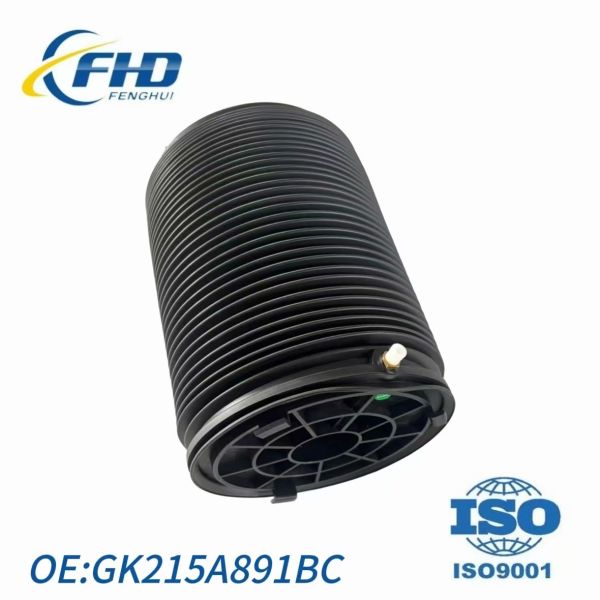
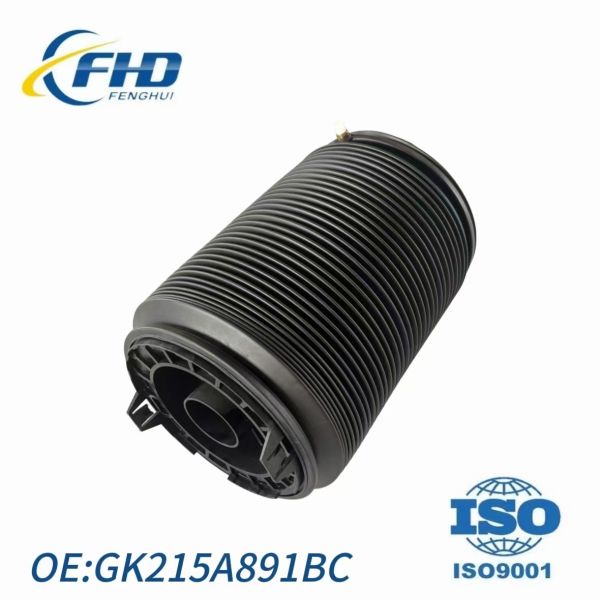
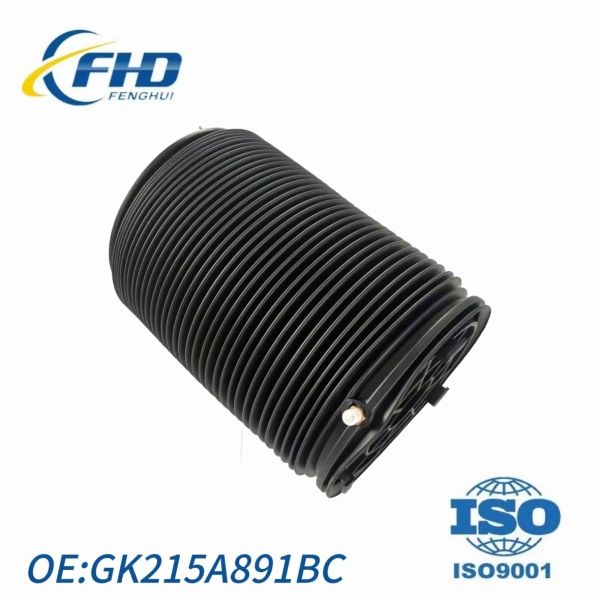
Yes, they are interchangeable. The rear left and rear right air spring bags on the Tourneo use the same part number, with no difference in installation on either side. They can be swapped freely. When purchasing, you only need to confirm that it is a Tourneo rear air spring bag; there is no need to distinguish between left and right. When buying a pair, simply purchase two of the same.
Q3: After replacing a single rear air spring bag, is it necessary to also replace the other side?
Replacing in pairs is not mandatory; a single side can be replaced alone. However, note that the Tourneo's air spring bags tend to age at a similar rate. If one side has already leaked, the other side is often near the end of its service life as well. It is recommended to replace both sides as a pair. Otherwise, you may experience uneven ride height on both sides and the air compressor running frequently, leading to premature failure. Replacing both sides at once also saves on labor costs.
Q4: After replacing the air spring bag, the instrument panel shows a "Suspension Fault" warning, but the vehicle height is normal. What is the cause?
This situation is usually not a problem with the air spring bag itself, but rather the air suspension system has not been reset after installation. After replacing rear air spring bags on a Ford Tourneo, a diagnostic tool is required to perform "height calibration" and "air line purging" on the air suspension system. Even if the air spring bag is physically installed correctly, the system may still report an error due to abnormal height sensor data. It is recommended to connect a diagnostic tool after installation, clear the fault codes, and perform rear axle height initialization.
Q5: What accessories are recommended to replace at the same time as the Tourneo rear air spring bag?
It is recommended to replace the following accessories simultaneously: the air line sealing rings (aged rings can cause air leaks, a common issue on the Tourneo), the O-ring seal between the air spring bag and the shock absorber core, and the air line fixing clamps (original clamps may deform after removal). In addition, check the rear shock absorber core for oil leaks or damping degradation; if found, simultaneous replacement is recommended. The Tourneo's air compressor and distribution valve are also common failure points; if abnormalities are already present, they should be inspected as well.
Q6: After replacing the air spring bag, the rear axle feels bumpier or softer than before. Is this normal?
Different situations require distinction. After a new air spring bag restores factory air tightness and support force, the rear axle support feel will be more solid than with an aged, leaking air spring bag. This is normal. If the ride feels abnormally bumpy, it may be due to excessive inflation pressure; check the system pressure with a diagnostic tool. If the ride feels too soft or the vehicle sits too low, there may be an air leak or improper installation. The Tourneo's factory rear suspension is tuned for comfort. After installing new air spring bags, it is recommended to drive 50-100 km to allow them to settle naturally.
Q7: There is a "creaking" or "squeaking" noise from the rear wheel area while driving after air spring bag replacement. What is the cause?
This type of noise requires careful diagnosis on the Tourneo. Common causes include: 1) The O-ring seal between the air spring bag and the shock absorber core is not installed properly, causing metal-on-rubber friction; 2) The upper mounting ring of the air spring bag is not fully seated in the strut tower mount; 3) The rear stabilizer bar link ball joint is aged, producing noise when working with the new air spring bag; 4) The rear lower control arm bushing is aged. Rear axle noise on the Tourneo often results from multiple components aging together, so they should be inspected one by one.
Q8: Are the Tourneo rear air spring bags suitable for different model years and configurations?
Generally yes. The rear air spring bag mounting dimensions are the same for Tourneo 2016-2023 model years, and they are also universal between manual and automatic transmission versions. Left/right interchangeability applies to all model years. However, note that some later facelift models may have slightly different air line connector angles. It is recommended to verify the original OE part number. If unsure, provide the VIN code for verification.
Q9: Is a wheel alignment (chassis angle calibration) necessary after replacing the Tourneo rear air spring bag?
Rear axle alignment is recommended. Replacing the air spring bag involves disconnecting the rear lower control arm from the subframe, which may affect rear wheel toe and camber after installation. Common consequences of skipping wheel alignment include: uneven rear tire wear (excessive inner or outer edge wear) and an unstable rear end at high speeds. As an MPV, the Tourneo experiences greater rear axle load variations, so alignment deviations will be more noticeable. It is recommended to drive 30-50 km after replacement to allow the suspension to settle naturally before performing a rear wheel alignment.
Q10: Can the Tourneo rear air spring bag and rear shock absorber core be replaced separately?
Yes, they can be replaced separately. This product is an independent air spring bag and does not include a shock absorber core. If the original shock absorber core is in good condition (no oil leaks, normal damping), you can replace only the air spring bag. However, rear shock absorber core damping degradation is quite common on the Tourneo. It is recommended to check the condition of the shock absorber core when replacing the air spring bag. If simultaneous replacement is needed, please choose the corresponding shock absorber core product.
Q11: Are the Tourneo rear air spring bags suitable for other MPV models (such as Transit, GL8, etc.)?
No, they are not interchangeable. Different MPV models have different rear suspension structures, air spring bag mounting dimensions, and air line connectors. Parts are not interchangeable. This product is specifically designed for the Ford Tourneo and should not be used on other models.
Q12: The air compressor runs frequently after replacing the air spring bag. What is the cause?
Frequent air compressor operation after installing new air spring bags is usually caused by: 1) The system has not been purged and calibrated; a diagnostic tool is required to perform initialization; 2) The air line connector sealing rings are aged or not installed properly, causing a slow leak (a common issue on the Tourneo); 3) The air compressor itself has aged and its inflation efficiency has decreased; 4) The distribution valve is faulty, preventing proper air flow. It is recommended to first check all air line connectors for leaks, then perform system reset with a diagnostic tool. If the problem persists, the air compressor and distribution valve may need to be inspected.