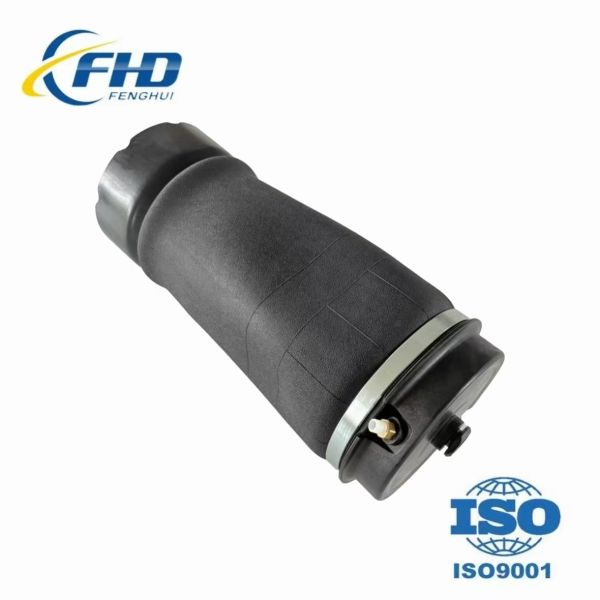
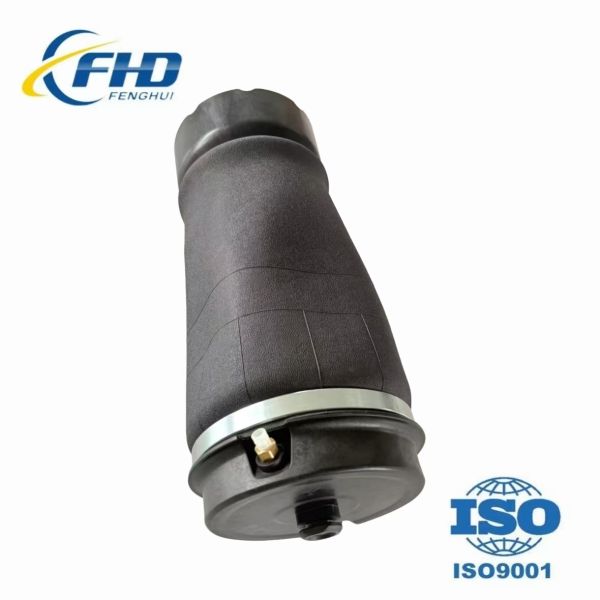
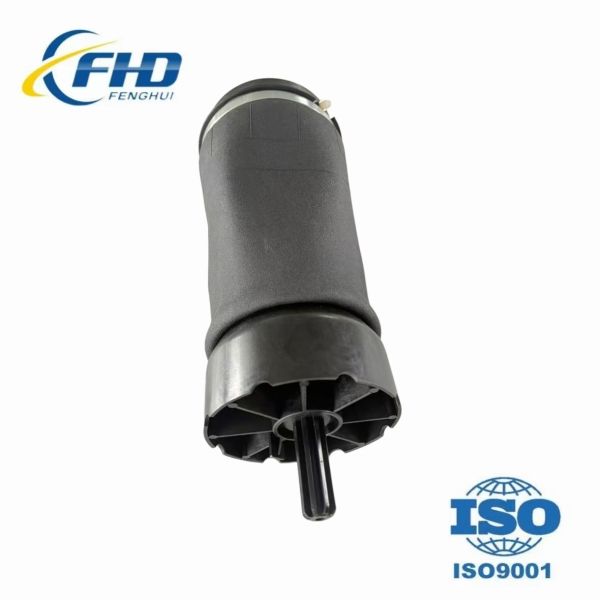
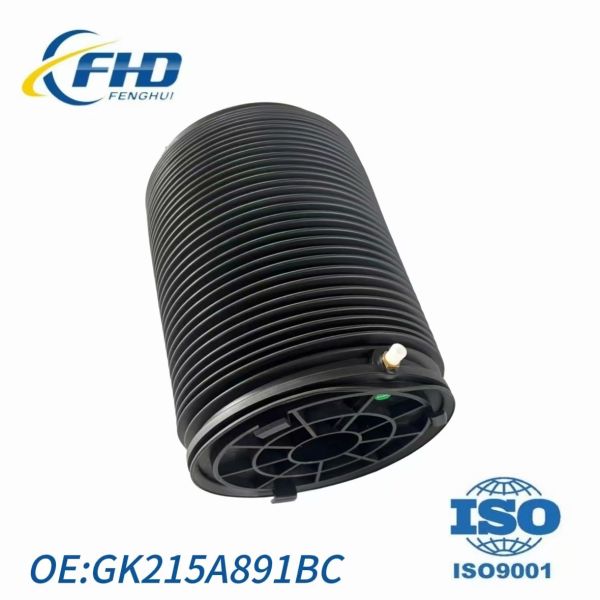
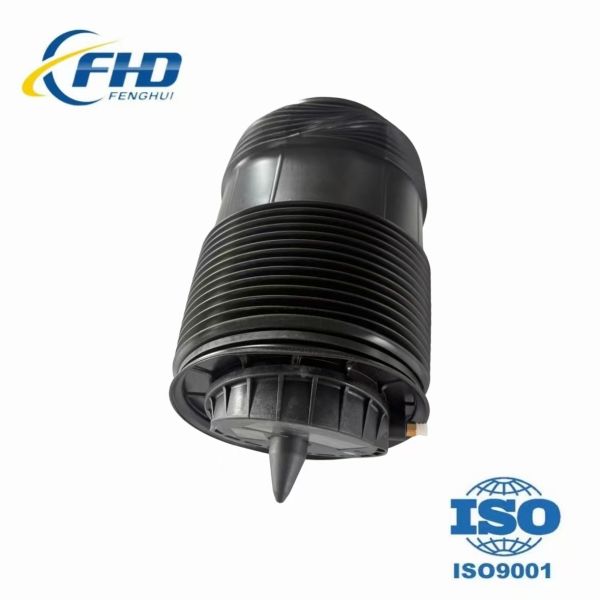
L322 Land Rover Range Rover Rear Left Right Air Bag Spring Replacement
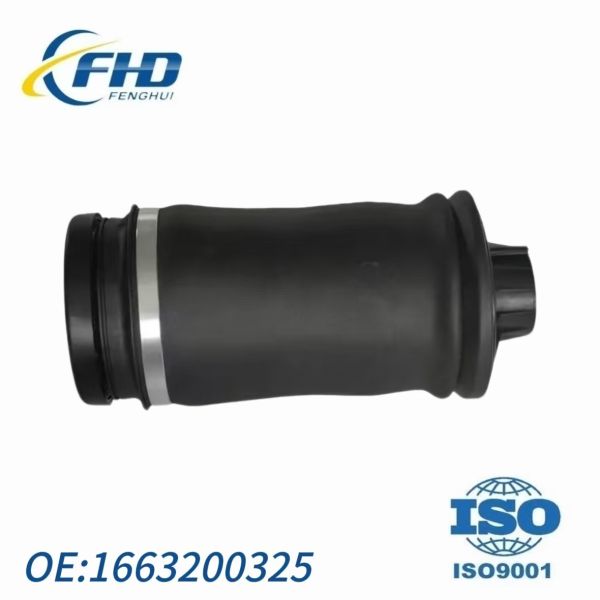
High Load-Bearing, OE Specification Air Spring (Air Bag) For Land Rover L322 Rear Left and Rear Right Positions (Universal Fitment, Without Shock Absorber Core)
| Vehicle Application |
Land Rover Range Rover (L322, 2002-2012) |
| Installation Position |
Rear Left / Rear Right (Universal - same part fits both left and right sides) |
| Component Type |
Air Spring (Air Bag Only, Must Be Used with Original or New Shock Absorber Core) |
Product Description
This air spring is designed for the rear air suspension system of the Land Rover L322 chassis, specifically for the rear axle with universal fitment for both left and right sides. This product is an air spring only and does not include a shock absorber core. It is suitable for repair scenarios where the original rear shock absorber core is still fully functional but the air spring has aged, leaked, or failed.
As the third generation of the Range Rover, the L322 chassis set the benchmark for luxury SUV air suspension. The rear air spring handles load-bearing and height adjustment tasks at the rear of the vehicle, maintaining body level, filtering road impacts transmitted through the rear wheels, and providing additional ground clearance in off-road mode. Constructed with high-strength rubber composite material and aluminum alloy top cap/lower seat, this air spring works in coordination with the rear shock absorber core, stabilizer bar and height sensor to form the rear portion of the Land Rover electronic air suspension system.
The L322 rear air spring is designed to be completely symmetrical for left and right sides, with the same part fitting both rear left and rear right positions. This product is manufactured to original equipment structural dimensions, with air bag diameter, upper and lower mounting hole positions, air line connector specification, and seal ring dimensions all consistent with original factory specifications, allowing direct replacement of the old air spring without any modifications.
Key Features
- Independent Air Spring (No Shock Absorber Core): Designed for scenarios where the shock absorber core is intact and only the air spring has failed, reducing repair costs
- Universal Left/Right Fitment: Same part fits both rear left and rear right positions; no need to distinguish direction during installation
- High Load-Bearing Design: Multi-layer reinforced rubber construction, adapted to the L322's heavy body weight and off-road conditions
- Reliable Sealing: Original specification seal rings and crimping process reduce slow leak risk
- Height Responsive: Air spring stroke range matches original height sensor specifications, ensuring proper body lift/lower functionality
- Factory Tested: Each unit undergoes high-pressure air tightness testing and load cycle verification
⚠️ This product is suitable for the Land Rover L322 chassis Range Rover (2002-2012), including 4.4L V8 petrol, 4.2L supercharged, 3.6L TDV8 diesel, 4.4L TDV8 diesel and other powertrain versions. The rear air spring is universal for left and right sides - one part fits either side. Differences may exist between different model years and configurations (e.g., with or without off-road mode). Please verify the original OE part number or VIN code before purchasing. This product is an air spring only and does not include a shock absorber core; installation requires use with the original or a new shock absorber core.
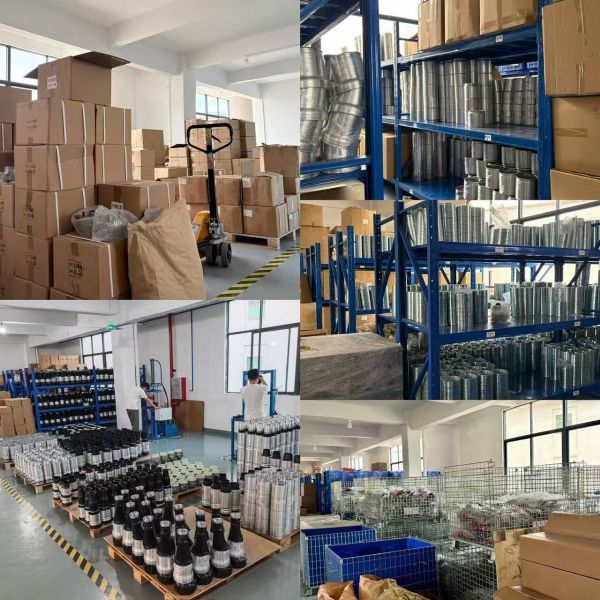
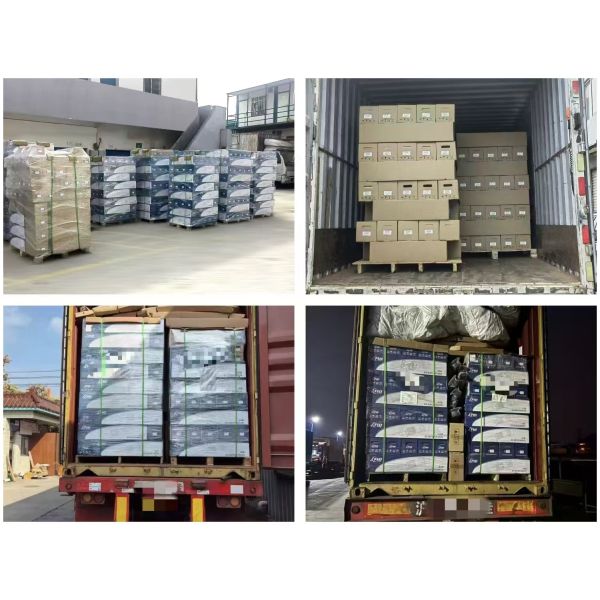
Warehouse & Workshop
Keep dry, clean and handle with care.
Packing & Delivery
Professional, environmentally friendly, and efficient packaging services ensure the safety of your goods during transit.
Frequently Asked Questions
Q1: How can I tell whether the L322 rear air spring is already damaged?
Common signs of damage include: the rear axle noticeably sinking after the vehicle sits overnight (one side or both), the air compressor running frequently after starting (every few minutes), a "hissing" sound from the rear axle when driving over bumpy roads, and a "Suspension Fault" or "Air Suspension Unavailable" warning on the dashboard. A simple self-check method: after stopping the vehicle and turning off the engine, spray soapy water on the air spring and observe if bubbles appear. If bubbles form, the air spring is leaking and needs replacement.
Q2: Are the L322 rear left and rear right air springs interchangeable?
Yes, they are interchangeable. The L322 rear air spring is designed to be completely symmetrical for left and right sides, with the same part fitting both rear left and rear right positions - no need to distinguish direction. One part fits either side. If replacing both sides simultaneously, simply purchase two of the same part.
Q3: Is it acceptable to replace only the air spring and keep the old shock absorber core?
Yes, they can be used together, but two conditions must be met: First, the original shock absorber core must be in good condition - no oil leakage, no damping degradation, no abnormal noise. Second, the shock absorber core should generally have no more than 100,000 km of service. If the shock absorber core has been in use for many years with noticeably degraded damping, it is recommended to replace it at the same time, even if it is not currently leaking. The combination of new and old components will not affect the air spring's operation, but degraded damping from the aged shock absorber core will affect the overall suspension feel.
Q4: After replacing the air spring, the instrument panel shows a "Suspension Fault" warning, but the vehicle drives normally. What is the cause?
This situation is usually not a problem with the air spring itself, but rather the air suspension system has not been reset after installation. After replacing rear air springs on a Land Rover L322, a diagnostic tool (such as Land Rover factory SDD or a compatible device) is required to perform "height calibration" and "compressor learning" on the air suspension system. Even if the air spring is physically installed correctly, the system may still report an error due to height sensor zero-point offset. It is recommended to connect a diagnostic tool after installation, clear the fault codes, and perform rear axle height initialization.
Q5: Is the L322 rear air spring suitable for different engine versions (4.4L V8/4.2L supercharged/3.6L TDV8/4.4L TDV8)?
Yes, it is suitable. The rear axle air spring structure is the same for different engine versions, with identical mounting dimensions. The load capacity of the air spring covers all powertrain versions. The OE part numbers for L322 rear air springs are the same across all versions, so you can purchase with confidence.
Q6: What accessories are recommended to replace at the same time as the rear air spring?
It is recommended to replace the following accessories simultaneously: the air spring upper cap seal ring (may deform after removal), the air line connector clamp (original clamp loses clamping force after removal), and the buffer pad between the air spring and shock absorber core (may harden after long-term compression). In addition, check the rear axle height sensor link for integrity and check whether the compressor dryer is saturated. The L322 is an older vehicle, and a saturated compressor dryer can accelerate air spring failure, so a thorough inspection is recommended.
Q7: After replacing the air spring, the rear axle feels stiffer or bumpier than before. Is this normal?
Yes, this is normal. Old air springs may have hardened rubber and reduced elasticity even before leaking. New air springs restore factory elasticity, which may initially feel firmer as the filtering effect improves. Typically, after driving 200-300 km, the air spring will gradually adapt to the vehicle load and the ride feel will become smoother. If the rear axle still feels noticeably bumpy after more than 500 km, check whether the installation is correct or whether the correct model was matched.
Q8: There is a "creaking" or "squeaking" noise from the rear wheel area while driving after air spring replacement. What is the cause?
This type of noise is usually not a problem with the air spring itself, but rather caused during installation. Common causes include: 1) The bolts connecting the air spring upper cap to the body are not tightened to the specified torque; 2) The buffer pad between the air spring and shock absorber core is installed incorrectly or missing; 3) The rear stabilizer bar link ball joint is aged, producing noise when working with the new air spring; 4) The height sensor link was bent or stuck during installation. It is recommended to first check bolt torque and the buffer pad, then inspect other accessories if the noise persists.
Q9: Is the L322 rear air spring suitable for the later generation L405 Range Rover?
No, it is not suitable. The L405 is the next-generation Range Rover launched in 2013, with a completely different rear air spring structure and mounting dimensions. Parts are not interchangeable with the L322. Before purchasing, please confirm that your vehicle is the L322 chassis (2002-2012 model years), which can be verified via VIN code or vehicle registration information.
Q10: Is a wheel alignment (chassis angle calibration) necessary after replacing the L322 rear air spring?
Rear axle alignment is recommended. Replacing rear air springs on the L322 involves changes in rear axle ride height. Although the air spring itself does not directly change alignment parameters, the installation process may involve disconnecting the lower control arm from the subframe, which can affect rear wheel toe and camber after installation. Common consequences of skipping wheel alignment include: uneven rear tire wear (excessive inner or outer edge wear) and unstable rear end at high speeds. It is recommended to drive 30-50 km after replacement to allow the suspension to settle naturally before performing a rear wheel alignment.
Q11: Are the L322 rear air spring and front air spring interchangeable?
Absolutely not. The rear and front air springs have fundamental differences in air bag diameter, height, upper and lower mounting hole positions, and load capacity. The rear air spring must handle greater load and longer travel. Forcing interchangeability will result in inability to install or abnormal suspension function. Please be sure to purchase accurately according to front/rear positions.
Q12: Why does the air compressor run frequently after replacing the rear air spring?
If the air compressor still runs frequently after installing new air springs, possible causes include: 1) Height calibration has not been performed, and the system is still operating based on the old air spring height parameters; 2) The compressor dryer is saturated, affecting inflation efficiency; 3) The compressor itself is aged, slowing down inflation speed; 4) Other air springs or air lines are leaking. It is recommended to first perform height calibration using a diagnostic tool. If the problem persists, check the compressor condition and other air springs.