Float Ball Level Gauge With Simple Structure And Easy Installation For Liquid Level Control
The float ball level gauge is a type of liquid level measuring instrument that operates based on the principle of constant buoyancy. Its core component is a float ball that floats on the liquid surface, directly driving an internal microswitch through a mechanical structure to output a switch signal. It is mainly used for point-level control of liquid levels (such as alarms and pump start/stop), rather than continuous measurement.
The application forms of float level switches are very flexible, mainly including the following types:
The most common form, installed horizontally on the side wall of the container through a flange. There is a lever with a fulcrum inside, with the float in the container and the other end of the lever in the switch cavity.
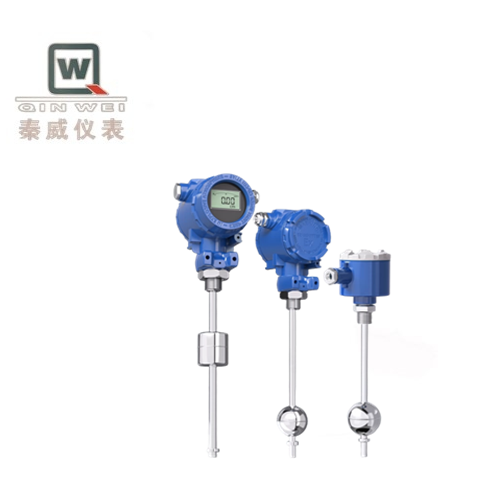
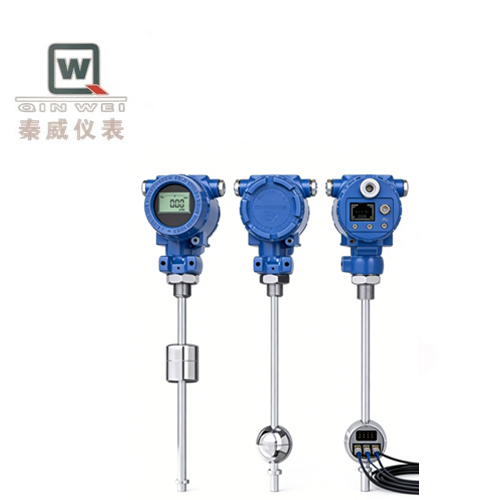
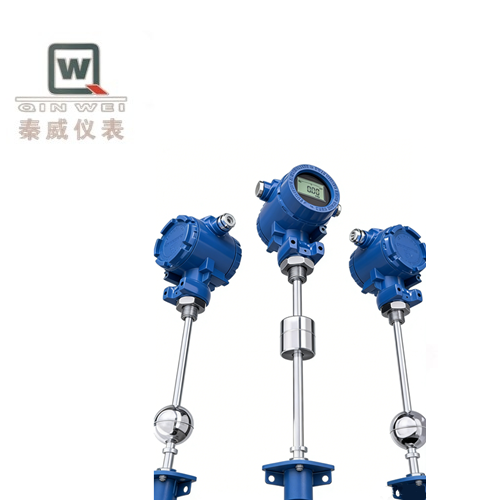
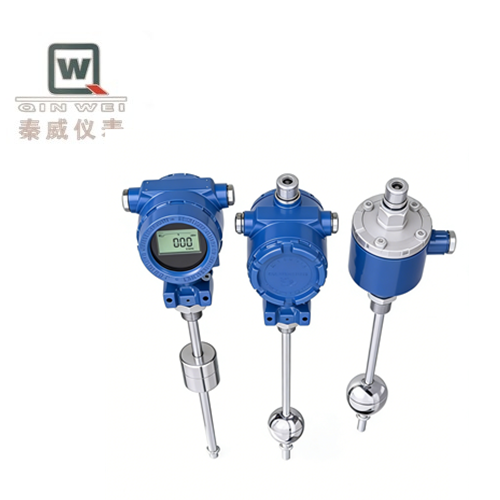
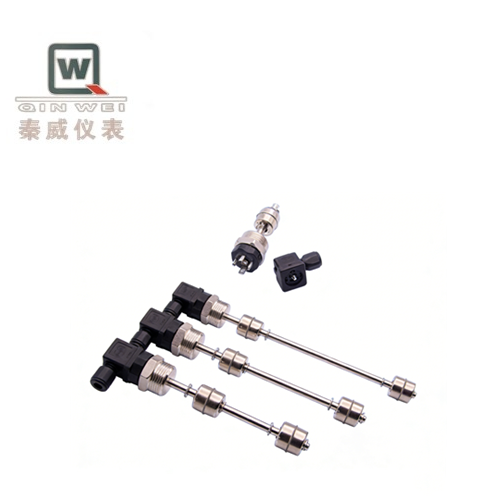
Installed from the top of the container through a thread or flange, with the float vertically suspended on a rod. When the liquid level changes, the float drives the push rod or magnetic steel inside the rod to move up and down, triggering the switch.
Usually cable-type, with the switch encapsulated in the head of the float, floating with the liquid level and actuating by tilting at a certain angle.
The float is suspended on a winch through a cable or chain, suitable for large storage tanks, wells, and other applications with a wide measurement range.
| Characteristics | Magnetic Flap Level Gauge | Float Ball Level Gauge |
|---|---|---|
| Main Function | Continuous liquid level indication + optional remote transmission | Level switch control at specific points |
| Output Signal | Visual display (red and white flip columns) | Switching signal (on/off) |
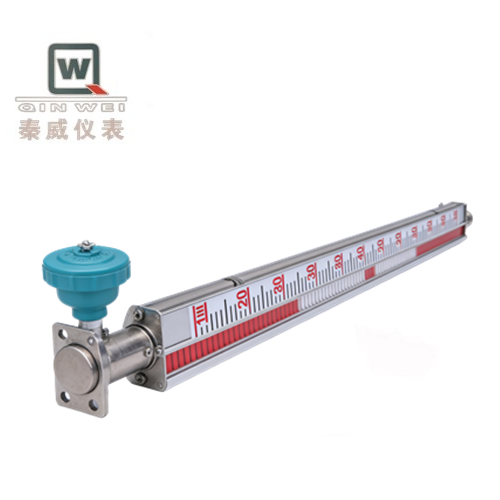
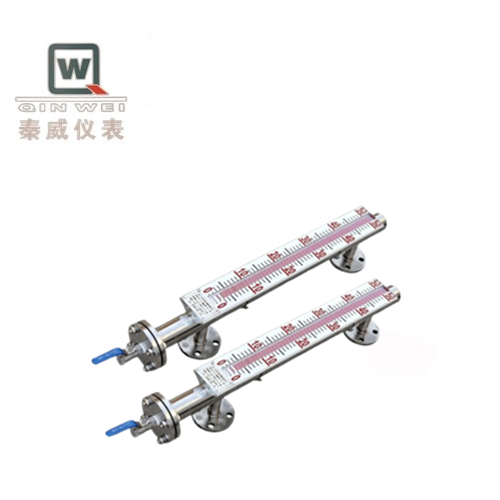
| Working Principle | Magnetic coupling, non-contact transmission | Mechanical lever or direct magnetic steel transmission |
| Core Value | "Visible" liquid level position | "Automatic control" of what to do when the liquid level reaches a certain point |
| Measurement Form | Continuous measurement | Level measurement at specific points |
| Structural Complexity | Relatively complex | Very simple |
| Cost | Relatively high | Relatively low |
| Anti-contamination Ability | Strong (medium sealed in the tube) | Weak (moving parts directly contact the medium) |
When you need to see the liquid level height at any time and anywhere with a glance, you should choose the magnetic flap level gauge. When you only need to automatically trigger an action (such as starting a water pump or sending an alarm) at a specific liquid level point (such as the highest or lowest), the float ball level gauge is a simpler and more economical choice. In actual projects, the two are often used in combination. For example, the magnetic flap level gauge is used for on-site monitoring and continuous remote transmission, while the float ball level gauge is used as a redundant safety protection for high-high and low-low liquid levels.