Magnetic Flap Level Gauge With Intuitive Indication No Power Required And High Reliability
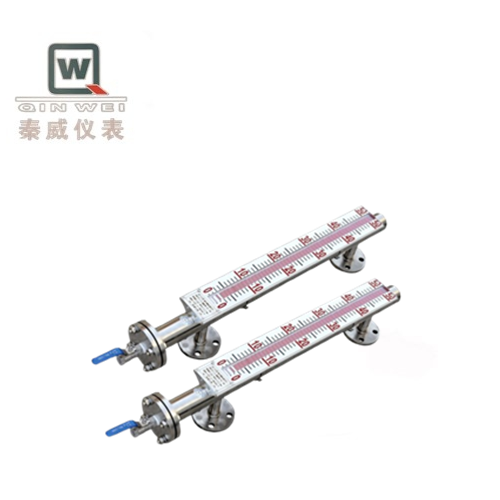
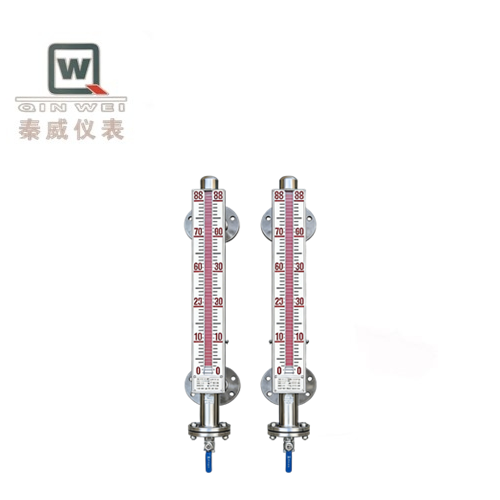
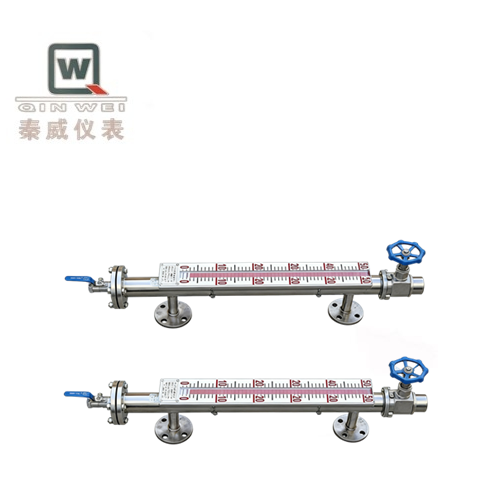
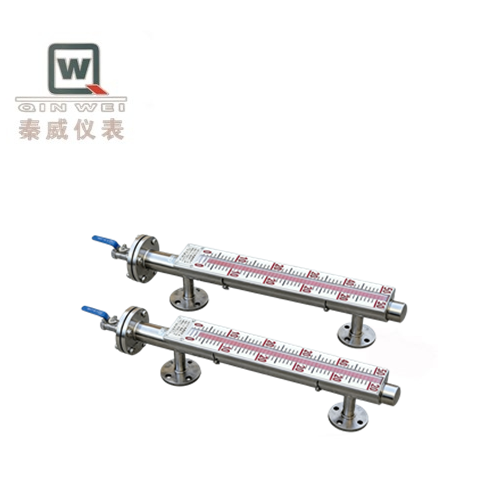
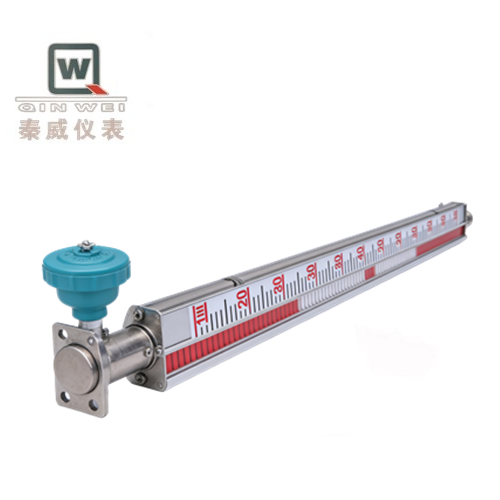
The flap level gauge, also known as the magnetic float level gauge, is a commonly used instrument designed based on the principles of communicating vessels and magnetic coupling for on-site indication of the liquid level in containers.
Main Features
- Intuitive indication: The dual-color flip columns provide a clear liquid level display, allowing observers to read the liquid level from a distance at a glance.
- No power required: The basic magnetic flap level gauge is a pure mechanical structure and does not require external power supply to achieve on-site indication, which is safe and energy-saving.
- High reliability: The structure is simple, with few moving parts (only the float), low failure rate, and low maintenance.
- Good sealing: The measured medium is completely sealed in the main tube and isolated from the external environment, making it especially suitable for toxic, harmful, flammable, explosive or high-purity media.
- Explosion-proof: Due to its passive and non-contact measurement method, it is intrinsically safe and very suitable for use in explosive hazardous environments.
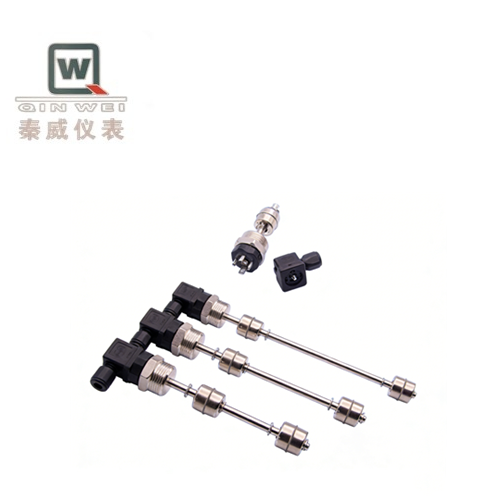
- Strong expandability: It can be conveniently equipped with switch or analog transmitters to remotely transmit the liquid level signal to the control room.
Key Points for Installation and Maintenance
- Vertical Installation: Ensure the liquid level gauge is installed vertically to avoid measurement errors.
- Away from Inlets and Outlets: The installation position should be away from the medium inlets and outlets of the container to prevent liquid surface fluctuations from affecting accuracy.
- Regular Cleaning: For media prone to sedimentation, regular drainage and cleaning are necessary to prevent blockages.
- Remote Transmission: If remote signal transmission is required, a transmitter should be used and proper sealing and shielding should be ensured.
Application fields
The magnetic flap level gauge is almost applicable to all industrial occasions where local liquid level indication is required, especially:
- Petrochemical industry: storage tanks, reactors, fractionating towers.
- Power industry: boiler drums, deaerators, condensers.
- Pharmaceutical industry: mixing tanks, fermentation tanks.
- Water treatment: clear water tanks, sewage ponds.
- Food and beverage industry: storage tanks, mixing tanks.
Extended Function: Remote Signal Transmission
The magnetic flap level gauge can not only display locally but also achieve remote monitoring through additional devices:
- Magnetostrictive level transmitter: A magnetostrictive waveguide is inserted into the main tube, and the float serves as a position magnet ring. By calculating the return time of the ultrasonic pulse, the position of the float can be measured with high precision and a continuous 4-20mA analog signal can be output. This is currently the most commonly used and accurate remote transmission method.
- Reed switch remote transmitter: A sensor equipped with several reed switches and a resistor chain is bound to the outside of the main tube. When the float moves, it will successively close the reed switches at different positions, changing the circuit resistance and thereby outputting a 4-20mA signal proportional to the liquid level.
- Magnetic switch (proximity switch): A magnetic reed switch is installed at a specific height position. When the float reaches this position with the liquid level, it will close the switch and output a switch signal, which can be used for high and low liquid level alarms or pump start-stop control.
In summary, the magnetic flap level gauge is a type of liquid level measurement instrument that features a simple structure, intuitive indication, and high safety and reliability. When selecting one, it is essential to choose the appropriate model based on specific working conditions (such as medium, pressure, and temperature) and follow the correct installation guidelines to ensure its long-term stable and accurate operation.