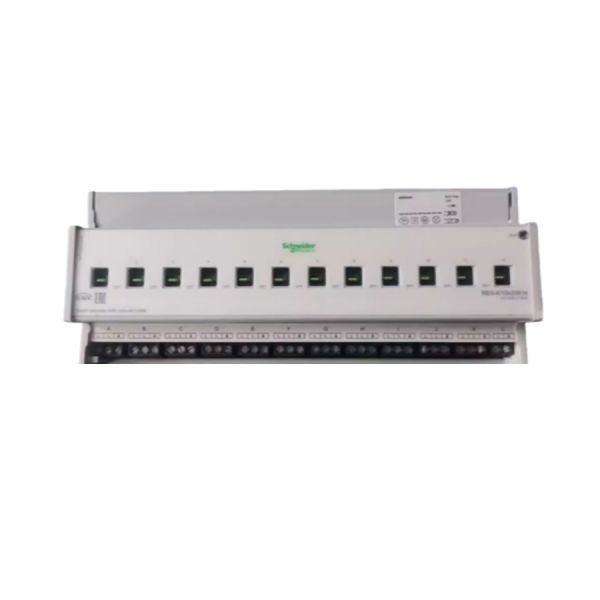
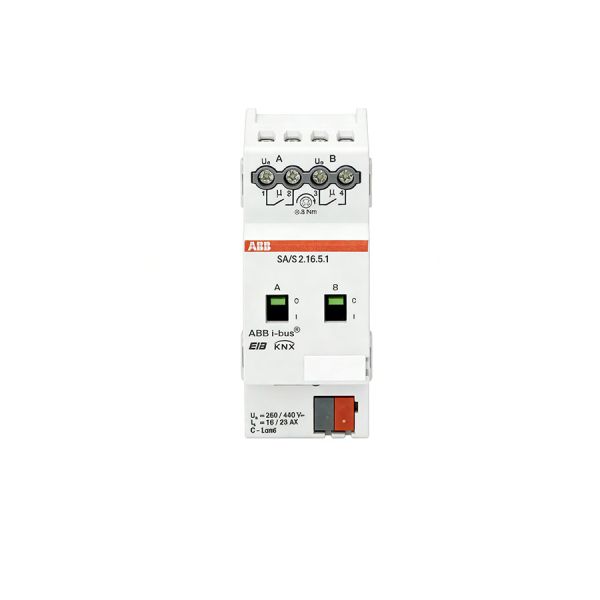
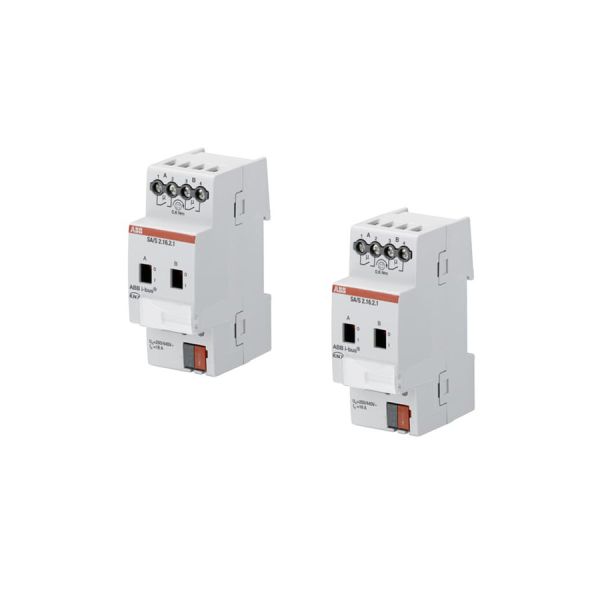
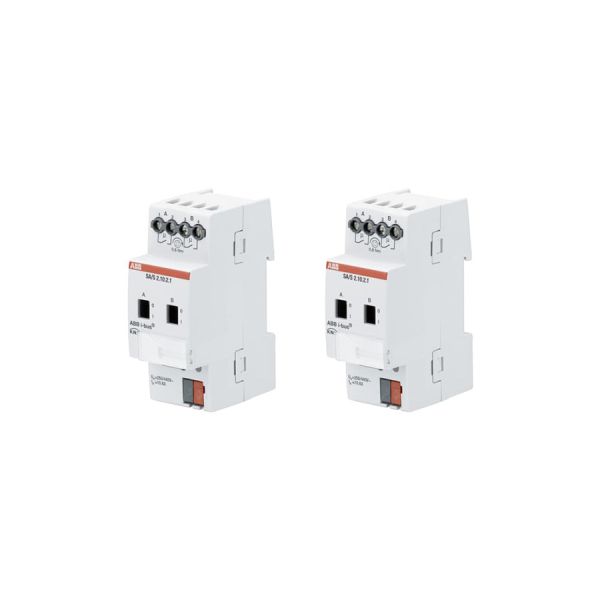
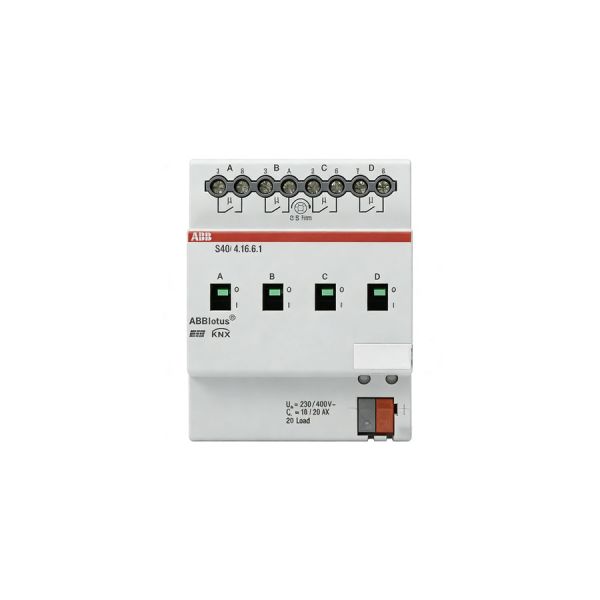
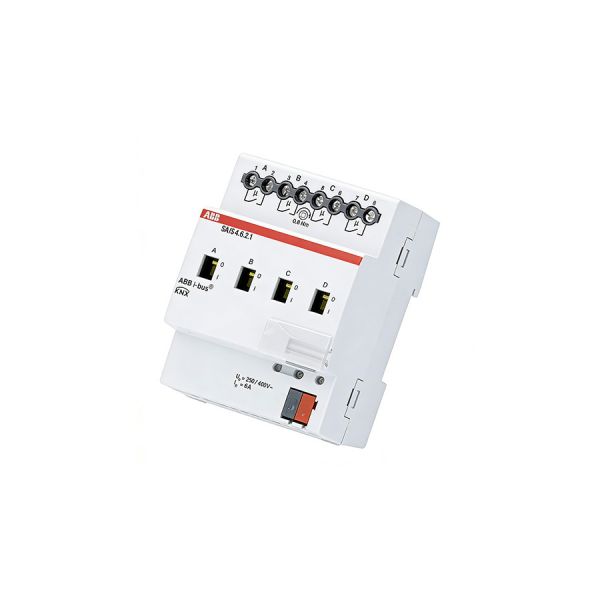
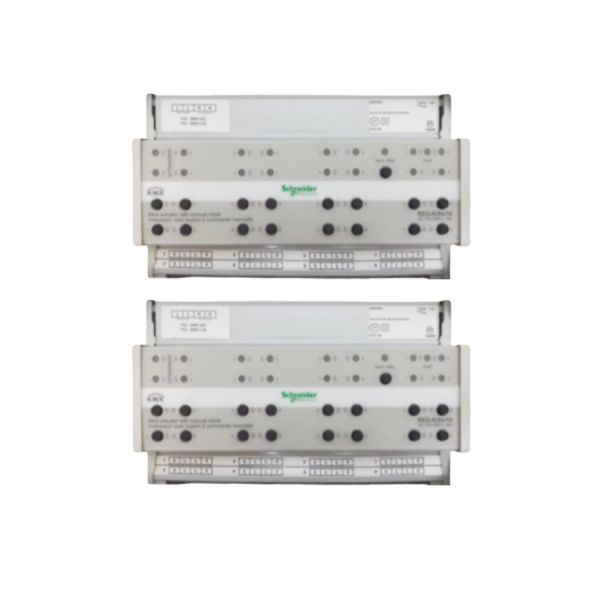
MTN6941-0001 Schneider SpaceLogic KNX Cable Link S Module
This product is a compact wired link module for KNX intelligent systems, tailored for small-to-medium-scale KNX sub-system interconnection. The suffix "S" indicates its miniaturized design and focus on short-distance wired signal transmission and subnet linkage. It serves as a cost-effective "small bridge" in KNX architecture, solving the problems of signal connection and data synchronization between adjacent sub-systems, and is a key accessory for improving the flexibility of small-scale KNX system networking.
I. Core Parameter Analysis
1. Core Functional Parameters
| Parameter Category |
Detailed Description |
| Core Wired Link Function |
1. Small-Scale Subnet Interconnection: Supports stable connection of up to 2 independent KNX TP1 sub-systems, suitable for adjacent area networking (e.g., two floors of a villa, office and warehouse of a small store);
2. Signal Relay & Stabilization: Compensates for signal attenuation in short-distance wired transmission (effective relay distance up to 500m per segment), ensuring low-latency data synchronization between sub-systems;
3. Independent Fault Isolation: When a fault occurs in one sub-system, the module automatically isolates the faulty segment to avoid affecting the normal operation of the other linked sub-system |
| Device Connection Capability |
Fully compatible with KNX TP1 standard terminal devices (actuators, sensors, controllers, smart panels). Each connected sub-system can carry up to 32 KNX devices, meeting the needs of small-scale scenario expansion |
| Working Mode |
Plug-and-play passive automatic mode, no complex parameter configuration required. After being powered on, it automatically identifies KNX bus signals and completes linkage, suitable for non-professional personnel to install and debug |
| System Compatibility |
Compatible with both KNX Secure and non-secure systems, can be seamlessly integrated into existing small-scale KNX architectures, and supports linkage with KNX IP gateways to realize remote control of linked sub-systems |
2. General Technical Parameters (Referenced from Similar KNX Compact Link Modules)
| Parameter Category |
Detailed Description |
| Power Supply Mode |
Adopts KNX bus power supply (DC 24V), no additional power wiring required, simplifying installation procedures and reducing wiring costs |
| Communication Protocol |
Complies with KNX TP1 standard protocol, baud rate 9600bps, consistent with mainstream KNX device communication standards, ensuring efficient and stable data transmission |
| Installation Method |
Standard 35mm DIN rail mounting, ultra-compact size (only occupies 1 module position in the distribution box), can be installed with other small KNX devices in a centralized manner, saving distribution cabinet space |
| Protection Rating |
IP20 protection level, suitable for indoor dry environments (e.g., residential distribution boxes, small office weak current boxes, store control cabinets); cannot be used in humid, dusty or outdoor scenarios |
| Operating Environment |
Working temperature range: 0℃-40℃; storage temperature range: -20℃-60℃; working humidity: 5%-90% (non-condensing); compatible with 230V AC mains power systems in most regions |
| Indicator Function |
Equipped with 2 indicator lights: power indicator (red) and signal transmission indicator (green). The light status can directly reflect the module's working state, facilitating quick fault location by maintenance personnel |
II. Main Application Scenarios
This product is positioned as a compact and cost-effective wired link accessory for small-to-medium-scale KNX intelligent systems, suitable for scenarios where adjacent sub-systems need short-distance wired interconnection and have limited distribution cabinet space. It is widely used in small commercial spaces and civil residences.
1. Commercial Building Scenarios
- Small Retail Stores/Chain Convenience Stores:The store is divided into two sub-areas: sales area and warehouse area. The sales area sub-system controls lighting, display cabinets and cash register power supplies; the warehouse area sub-system controls lighting and ventilation fans. The module realizes the interconnection of the two sub-systems, supporting unified management (e.g., "store opening mode" - both areas turn on lights at the same time; "store closing mode" - both areas turn off non-essential equipment uniformly).
- Small Office Spaces/Startup Studios:The office is divided into open workstation area and meeting room area, each with an independent KNX sub-system. The module connects the two sub-systems, supporting cross-area scene linkage (e.g., when the meeting room starts "meeting mode", the workstation area automatically turns down the light brightness to reduce interference; when the meeting ends, the workstation area restores normal lighting).
- Economical Hotel Floors/B&Bs:A single floor of the hotel is divided into guest room area and public corridor area. The module realizes the interconnection of the two sub-systems, supporting linkage control (e.g., when the guest inserts the room card, the corridor light near the room turns on automatically; when the guest takes out the card, the corridor light turns off after a delay).
- Small Catering Stores/Cafés:The store is divided into dining area and kitchen area. The dining area sub-system controls ambient lights and audio equipment; the kitchen area sub-system controls exhaust fans and lighting. The module connects the two sub-systems, supporting linkage (e.g., when the dining area turns on "business mode", the kitchen exhaust fan starts automatically; when the store closes, both areas turn off equipment uniformly).
2. Civil Residence Scenarios
- Multi-Floor Villas/Townhouses:The villa is divided into two sub-areas: ground floor (living room + dining room) and upper floor (bedroom + study). Each floor has an independent KNX sub-system. The module realizes the interconnection of the two sub-systems, supporting unified family scene control (e.g., "homecoming mode" - both floors turn on welcome lights; "sleep mode" - both floors turn off non-bedroom lights).
- Large Apartments with Partitioned Control:The apartment is divided into living area and rest area, each with an independent KNX sub-system. The module connects the two sub-systems, supporting linkage (e.g., when the living area turns on "movie mode", the rest area automatically turns down the light brightness; when the living area turns off the system, the rest area restores normal lighting).
- Duplex Lofts/Small Family Residences:The loft is divided into upper and lower floors, each with an independent KNX sub-system controlling lighting and curtains. The module realizes the interconnection of the two sub-systems, supporting cross-floor control via a single smart panel, improving the convenience of daily use.
III. Core Product Advantages
- Compact Design & Space-Saving:Ultra-small size only occupies 1 DIN rail module position, suitable for distribution cabinets with limited space in small commercial and civil scenarios, reducing the occupation of equipment installation space.
- Plug-and-Play & Easy Installation:No complex parameter configuration required, supports automatic identification of KNX bus signals, and can be used immediately after installation, reducing the difficulty and time cost of debugging.
- Stable Wired Transmission & Low Latency:Focus on short-distance wired interconnection, with strong anti-interference ability and low data transmission latency, ensuring synchronous operation of linked sub-systems.
- Independent Fault Isolation & Risk Reduction:When a sub-system fails, it can be quickly isolated to avoid affecting the normal operation of other linked areas, improving the overall stability of the small-scale KNX system.
- Wide Compatibility & Cost-Effective:Compatible with both KNX Secure and non-secure systems, and all KNX TP1 standard devices; with a compact and cost-effective positioning, it is an ideal choice for small-scale scenario subnet interconnection.