Specifications
Brand Name :
YEEDA
Model Number :
YD32-010
Certification :
CE
Place of Origin :
Zhejiang,China
MOQ :
50pcs
Payment Terms :
T/T
Supply Ability :
500PCS/MONTH
Delivery Time :
30-45DAYS
Packaging Details :
Carton Box or Crate
Product Type :
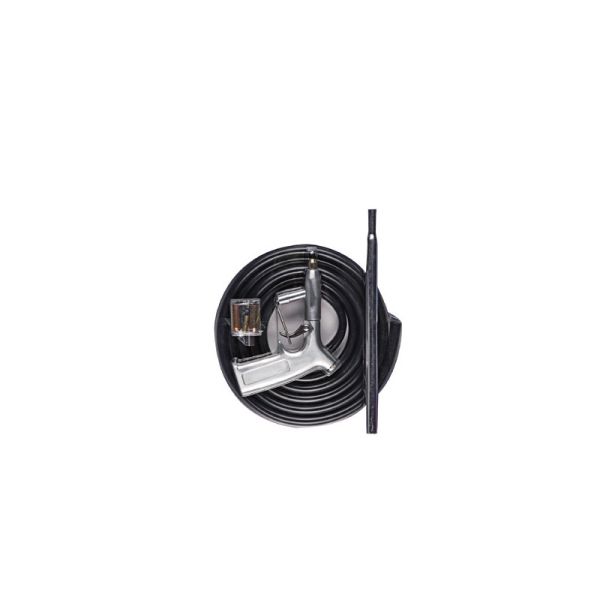
Universal Pneumatic Sandblast Gun (dry sandblasting operations)
Working Air Pressure :
80-120 PSi (5.52-8.27 bar, adjustable)
Max Air Pressure :
≤150 PSi (10.34 bar, automatic pressure relief)
Sandblast Nozzle Diameter :
6mm (tungsten steel material)
Abrasive Capacity :
500 mL (high-transparency PC hopper)
Feed Type :
Pressure-fed (uniform sandblasting without interruption)
Description

YD32-010 Sandblast Gun Webpage Detail Page (English)

I. Product Specifications (SPECIFICATION)

1. Core Parameter Summary Table

Parameter Category Specific Specification
Model No. YD32-010
Product Type Universal Pneumatic Sandblast Gun (suitable for dry sandblasting operations)
Working Air Pressure 80-120 PSi (approx. 5.52-8.27 bar, adjustable according to sandblasting needs)
Max Air Pressure ≤150 PSi (approx. 10.34 bar, automatic pressure relief when overpressured for safety)
Sandblast Nozzle Diameter 6mm (tungsten steel material, compatible with 80-120 mesh sandblasting abrasives)
Abrasive Capacity 500 mL (high-transparency PC abrasive hopper, visual monitoring of abrasive remaining)
Feed Type Pressure-fed (abrasive pushed by air pressure, uniform sandblasting without interruption)
Air Inlet G1/4" (standard universal interface, compatible with household/industrial air compressors)
Gun Weight 780g (aluminum alloy material, lightweight design, no fatigue in long-term use)
Carton Specification 42×28×22cm (15 pieces per carton, suitable for bulk purchase by hardware factories and repair shops)
Core Advantages Wear-resistant tungsten steel nozzle, 80-120PSI high-pressure sandblasting, 500mL hopper reducing refills, stable pressure-fed feeding

2. General Basic Parameters

Parameter Category Specific Description
Product Positioning Exclusively designed for metal surface treatment, rust/paint removal, and texturing scenarios, it mainly serves hardware factories (part rust removal), auto repair shops (chassis/wheel rust removal), mechanical maintenance teams (equipment scale cleaning), and metal craft factories (surface texturing). It solves the pain points of "traditional sandblasting tools being inefficient, high abrasive waste, and easy to damage workpieces". Equipped with a wear-resistant nozzle and adjustable pressure design, it can not only handle thick rust layers (e.g., used mechanical parts) but also process fine surface texturing (e.g., metal crafts). It is compatible with common abrasives such as quartz sand, carborundum, and glass beads, realizing "efficient sandblasting with low-cost operation".
Structure & Material 1. Gun Body: Made of high-strength aluminum alloy (weighing 780g), with sandblasted anti-rust surface (no rust after 120-hour salt spray test). It resists abrasive impact during sandblasting and has no deformation or paint peeling after long-term use;
2. Sandblast Nozzle: 6mm tungsten steel nozzle (hardness HRC90+), with wear resistance 5 times that of ordinary stainless steel nozzles. Its service life can reach over 800 hours (only 200 hours for ordinary nozzles), and the inner wall is polished to Ra≤0.2μm for smooth abrasive flow without blockage;
3. Abrasive Hopper Assembly: 500mL high-transparency PC hopper (impact-resistant, wear-resistant) for real-time observation of remaining abrasives. A 100-mesh anti-clogging filter is installed at the bottom of the hopper to prevent large particle impurities from entering the gun body;
4. Pneumatic System: Built-in air pressure adjustment knob (precision ±2 PSi) supporting 80-120 PSi pressure adjustment, equipped with a pressure safety valve (automatic pressure relief when exceeding 150 PSi). The air flow conversion rate reaches 90% (no obvious attenuation of sandblasting force under high pressure), and the abrasive utilization rate is over 70% (only 50% for traditional sandblast guns).
Operation Method 1. Abrasive Preparation: Select 80-120 mesh abrasives (quartz sand for rust removal, glass beads for texturing), sieve them, and pour into the hopper (no more than 80% capacity, approx. 400mL), then fasten the hopper lid;
2. Air Pressure Adjustment: Connect to a G1/4" air compressor (displacement ≥0.5m³/min), adjust the pressure according to needs (100-120 PSi for rust removal, 80-90 PSi for texturing), and test sandblasting (uniform sand flow without interruption);
3. Sandblasting Operation: Keep the nozzle 15-25cm away from the workpiece, at a 45°-60° angle to the workpiece surface, and move at a uniform speed of 20-30cm/s. Overlap the sandblasting area by 30% to avoid workpiece damage caused by long-term sandblasting at a single point;
4. Cleaning & Maintenance: After use, pour out the remaining abrasives, blow the hopper and nozzle clean with compressed air (to prevent residual abrasives from caking), and store in a dry place to avoid rusting.

II. Product Details (PRODUCT DETAILS)

Centered on "high wear resistance + high-pressure efficiency", the YD32-010 Sandblast Gun is optimized for the core needs of sandblasting operations, with core advantages as follows:

1. Tungsten Steel Nozzle, Wear-Resistant, Durable and Non-Clogging

(1) High-Hardness Material, Extending Service Life

Compared with stainless steel nozzles at the same price, tungsten steel material has significant advantages:


  • Wear & Impact Resistance: With HRC90+ hardness, it can withstand long-term impact of 80-120 mesh abrasives. When sandblasting quartz sand or carborundum, there are no scratches on the nozzle inner wall, and the service life reaches 800 hours (the diameter of ordinary stainless steel nozzles expands after 200 hours, reducing sandblasting precision by 50%);
  • Precise Abrasive Control: The 6mm fixed diameter combined with a polished inner wall ensures low abrasive flow resistance, and the sandblasting width is stable at 12-18cm (the sandblasting width deviation of ordinary nozzles reaches 30% after 100 hours of use), ensuring consistent surface roughness (Ra deviation ≤0.5μm) during large-area sandblasting.

(2) Anti-Clogging Design, Reducing Operation Interruption

The 100-mesh anti-clogging filter at the bottom of the hopper can filter large particle impurities in abrasives (e.g., caked quartz sand) to avoid nozzle blockage. Even if small impurities enter occasionally, they can be easily unclogged with the "quick needle" (included with the gun) at the nozzle tail, no gun disassembly required. Operation can be resumed in 30 seconds, reducing downtime for maintenance by 40% compared with traditional sandblast guns.

2. 80-120PSI Adjustable Pressure, Adapting to Multi-Scenario Sandblasting

(1) High-Pressure Rust Removal, Efficiently Removing Stubborn Rust Layers

Under the 100-120 PSi high-pressure mode, the sandblasting impact force reaches 2.5N, which can quickly remove thick rust layers on metal surfaces (e.g., 2mm-thick oxide rust on used machine parts):


  • Efficiency Improvement: It can remove rust from 150cm² per minute (2 minutes for ordinary sandblast guns), and rust removal for one car chassis only takes 1.5 hours (3 hours for traditional tools);
  • No Substrate Damage: Under high pressure, abrasives impact in a "uniform fan shape", avoiding metal substrate deformation caused by local high pressure (e.g., the flatness deviation of thin steel plates after sandblasting is ≤0.2mm), meeting industrial-grade surface treatment standards.

(2) Low-Pressure Texturing, Finely Processing Surfaces

The 80-90 PSi low-pressure mode is suitable for fine surface texturing (e.g., metal crafts, mold surfaces):


  • Uniform Texturing: With fine sandblasting particles (glass bead abrasives), the surface roughness can be controlled at Ra1.6-3.2μm, meeting the adhesion requirements of subsequent painting and coating (coating adhesion increases by 3 times after texturing);
  • Flexible Distance Control: The sandblasting range is more concentrated under low pressure, enabling precise processing of workpiece edges and grooves (e.g., texturing of metal badge patterns) without subsequent manual grinding, saving process costs.

3. Lightweight + Humanized Design, Easier Operation

(1) 780g Lightweight Gun Body, No Fatigue in Long-Term Use

The aluminum alloy gun body weighs only as much as one and a half bottles of mineral water, causing no hand soreness even after 2 hours of continuous sandblasting. The grip adopts an "anti-slip corrugated design", which is not easy to slip even when 沾上 abrasive dust. The gun can be stably controlled during sandblasting, avoiding sandblasting deviation caused by hand slipping.

(2) 500mL Hopper, Reducing Refilling Frequency

The 500mL hopper can support 15-20 minutes of continuous sandblasting (e.g., rust removal of one medium-sized hardware part), reducing refilling frequency by 50% compared with 300mL small hoppers. The high-transparency design allows real-time observation of remaining abrasives, enabling advance preparation for refilling and avoiding sandblasting interruption (e.g., when insufficient abrasives are detected, they can be added in time after sandblasting the current workpiece without affecting the operation rhythm).

III. Application Scenarios (APPLICATION SCENARIOS)

1. Part Rust Removal in Hardware Factories (Core Scenario)

Scenario Requirement: A hardware factory removes rust from 50 carbon steel parts (200cm² surface area each, with 1mm-thick rust layer) at 120 PSi pressure, using a 0.6m³/min industrial air compressor and 80-mesh quartz sand as the abrasive.
Operation Process:


  1. Preparation: Sieve the quartz sand and pour it into the hopper (400mL), connect the air compressor and adjust to 120 PSi, test sandblasting (uniform sand flow without interruption);
  2. Bulk Rust Removal: One person operates, keeping the nozzle 20cm away, at a 60° angle to the part, moving uniformly—each part takes 2 minutes (including flipping);
  3. Cleaning & Maintenance: Blow the nozzle and hopper clean with compressed air after processing 10 parts (taking 1 minute) to avoid caking of residual abrasives.
    Result: 50 parts are completed in 2 hours (4 hours with traditional sandblast guns), with a rust removal rate of 98%. The surface roughness of the parts is Ra2.5μm (meeting subsequent processing requirements), and the abrasive utilization rate is 72% (saving 20% quartz sand compared with traditional tools).

2. Chassis/Wheel Rust Removal in Auto Repair Shops (Scenario 2)

Scenario Requirement: An auto repair shop removes rust from the chassis (1.2㎡ surface area, local rust layers) and 4 aluminum alloy wheels (surface oxide layers) of a family car, using 100 PSi (chassis) + 90 PSi (wheels) pressure, a 0.5m³/min portable air compressor, 100-mesh quartz sand (chassis) + 120-mesh glass beads (wheels) as abrasives.
Operation Process:


  1. Chassis Rust Removal: Adjust the pressure to 100 PSi, keep the nozzle 25cm away, sandblast uniformly along the chassis beams, focusing on rusty areas—taking 40 minutes;
  2. Wheel Treatment: Replace with 120-mesh glass beads, adjust the pressure to 90 PSi, keep the nozzle 15cm away, and lightly sandblast the wheel surface oxide layer—15 minutes per wheel;
  3. Finishing & Cleaning: Blow off residual sand particles on the chassis/wheels with a high-pressure air gun, clean the sandblast gun (hopper + nozzle)—taking 5 minutes.
    Result: Rust spots on the chassis are completely removed, and the wheel surface regains a matte texture (no scratches). Customer satisfaction reaches 95%, and the sandblasting service time per car is reduced from 3 hours (traditional) to 1.5 hours.

3. Surface Texturing in Metal Craft Factories (Scenario 3)

Scenario Requirement: A craft factory performs sandblasting texturing on 100 brass badges (5cm diameter each, surface texturing required) at 80 PSi pressure, using a 0.4m³/min air compressor and 120-mesh glass beads as the abrasive.
Operation Process:


  1. Debugging & Preparation: Pour glass beads into the hopper (300mL), adjust the pressure to 80 PSi, and test the texturing effect on a waste brass sheet (to ensure Ra2.0μm);
  2. Fine Texturing: Fix the badge, keep the nozzle 18cm away, and sandblast in a circular motion at 30cm/s—1 minute per badge;
  3. Cleaning & Storage: Rinse the badge with clean water after texturing (to remove residual glass beads), clean the sandblast gun and store it.
    Result: The badge surface has uniform texturing, no local over-roughness or under-roughness. The subsequent paint adhesion meets Grade 1 of GB/T 9286-1998 (no peeling). 100 badges are completed in 2 hours (6 hours with traditional manual grinding).

IV. Frequently Asked Questions (FAQ)

Q1: "Intermittent sand flow" (abrasive on and off) occurs during sandblasting. What is the reason? How to solve it?

A1: It is mostly caused by caked abrasives or poor hopper sealing. Troubleshoot step by step:


  1. Abrasive Inspection: Moisture-caked abrasives (e.g., moisture-absorbing quartz sand) will block the hopper filter. Dry the abrasives in an oven (60℃ for 30 minutes), sieve them, and reuse. If the abrasive particles are uneven (containing large particles >120 mesh), replace with standard 80-120 mesh abrasives;
  2. Sealing Inspection: A loose hopper lid causes air pressure leakage, failing to push the abrasives—tighten the hopper lid clockwise until a "click" sound is heard (sealed in place), and check if the rubber sealing ring inside the lid is deformed (replace with an original sealing ring if deformed for better adaptability);
  3. Preventive Suggestion: Store abrasives in a dry environment (humidity ≤60%) and sieve them before each use; pour out the remaining abrasives in the hopper to avoid long-term storage and caking.

Q2: After sandblasting, the workpiece surface has "too deep scratches". Is it due to too high pressure or wrong abrasive selection?

A2: Both may cause the problem. Judge and adjust accordingly:


  1. Excessive Pressure: Using 120 PSi high-pressure sandblasting on soft materials such as thin steel plates and aluminum alloys is likely to cause deep scratches—reduce the pressure to 80-90 PSi, and increase the nozzle distance to 25cm to disperse the sandblasting impact force;
  2. Wrong Abrasive Selection: Using coarse abrasives below 80 mesh (e.g., 60-mesh quartz sand) to process fine workpieces (e.g., brass badges) will cause deep scratches—replace with 100-120 mesh fine abrasives (e.g., glass beads, fine carborundum) to reduce surface roughness;
  3. Operation Adjustment: Keep the gun at a 45° angle to the workpiece (not vertical impact) during sandblasting, move at a uniform speed (no less than 20cm/s), and avoid staying at a single point for more than 3 seconds to reduce local over-sandblasting.

Q3: After using the tungsten steel nozzle for a period of time, the sandblasting force decreases significantly. How to handle it?

A3: It is mostly due to nozzle wear or internal residual abrasives. Handle step by step:


  1. Check Nozzle Wear: Measure the nozzle diameter (originally 6mm) with a caliper. If it is worn to more than 6.5mm, replace it with a new tungsten steel nozzle (original nozzles have the best adaptability; do not mix with other models);
  2. Clean Internal Residues: If there are abrasive debris remaining inside the nozzle (e.g., carborundum particles stuck to the inner wall), insert the "needle" included with the gun into the nozzle, gently unclog it, and then blow reverse air from the nozzle tail with compressed air to blow out residual impurities;
  3. Maintenance Suggestion: Blow the nozzle clean with compressed air after each use to avoid residual abrasives; avoid dry firing (high-pressure air flow accelerates nozzle wear when there is no abrasive).

Q4: Can a small household air compressor (0.3m³/min) be used? Will it affect sandblasting efficiency?

A4: A 0.3m³/min air compressor is only suitable for small-area emergencies; ≥0.5m³/min is recommended for large-area/high-pressure scenarios:


  1. Small-Area Emergency (e.g., one small hardware part, 50cm² area): A 0.3m³/min air compressor can support low-pressure sandblasting at 80 PSi, but the "intermittent sandblasting" method (20s spraying + 10s pause) must be adopted to avoid air pressure drop due to compressor overload (pressure below 80 PSi will reduce sandblasting force). The single sandblasting area should not exceed 1㎡;
  2. Large-Area/High-Pressure Scenarios (e.g., car chassis, bulk parts): Must replace with an air compressor of ≥0.5m³/min. Otherwise, problems such as "unstable air pressure → intermittent sand flow/attenuated force → low sandblasting efficiency" will occur, and frequent start-stop of the compressor will shorten its service life (30% shorter than normal use);
  3. Adaptation Suggestion: When choosing an air compressor, prioritize models with "displacement 0.5-0.8m³/min and air tank ≥30L". The air tank can stabilize air pressure, ensuring no pressure fluctuation during high-pressure sandblasting and guaranteeing sandblasting force and efficiency.

Sandblast Gun: 6mm Tungsten Nozzle, 80-120PSI, 500mL Hopper for Rust Removal/Texturing

Send your message to this supplier
Send Now

Sandblast Gun: 6mm Tungsten Nozzle, 80-120PSI, 500mL Hopper for Rust Removal/Texturing

Ask Latest Price
Brand Name :
YEEDA
Model Number :
YD32-010
Certification :
CE
Place of Origin :
Zhejiang,China
MOQ :
50pcs
Payment Terms :
T/T
Contact Supplier
Sandblast Gun: 6mm Tungsten Nozzle, 80-120PSI, 500mL Hopper for Rust Removal/Texturing

Jiaxing Yeeda International Co.,Ltd

Verified Supplier
6 Years
shanghai, shanghai
Since 2008
Business Type :
Manufacturer, Trading Company
Total Annual :
600-800
Employee Number :
110~120
Certification Level :
Verified Supplier
Contact Supplier
Submit Requirement