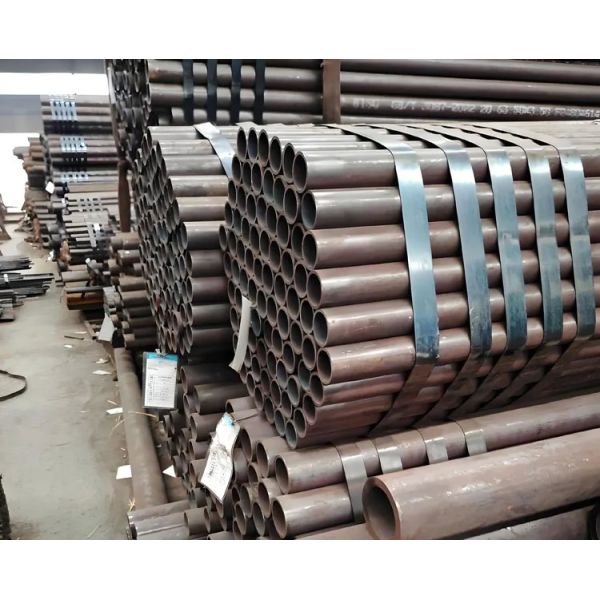
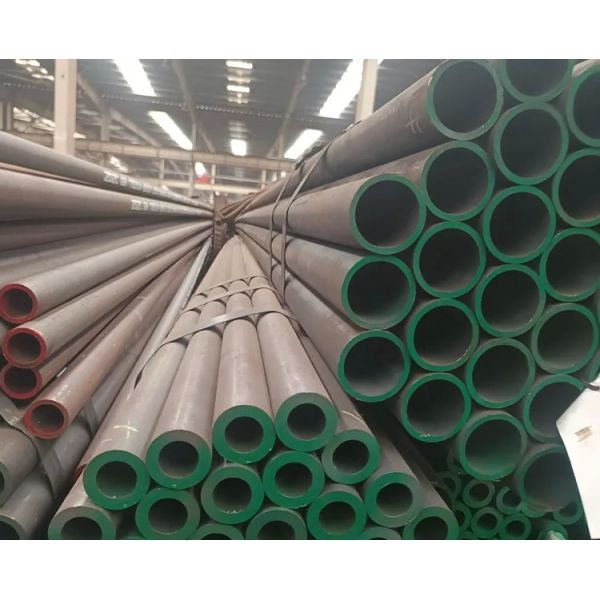
20G High-Pressure Boiler Tube
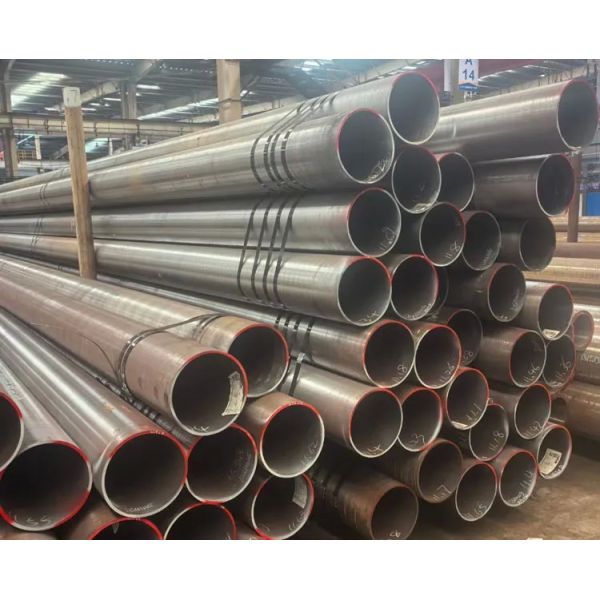
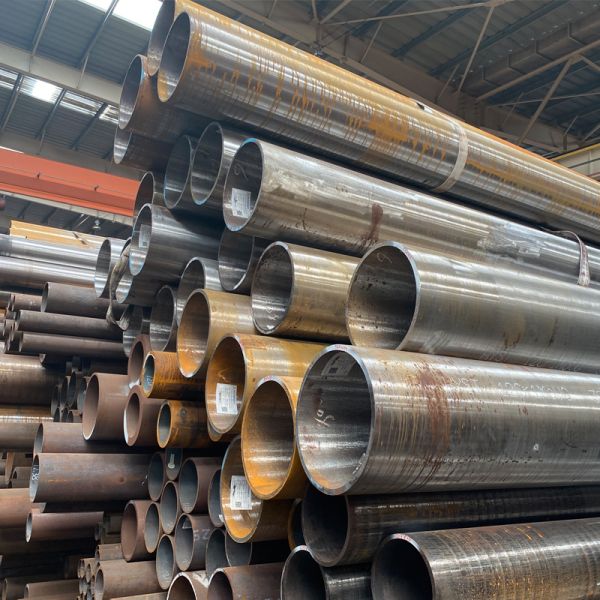
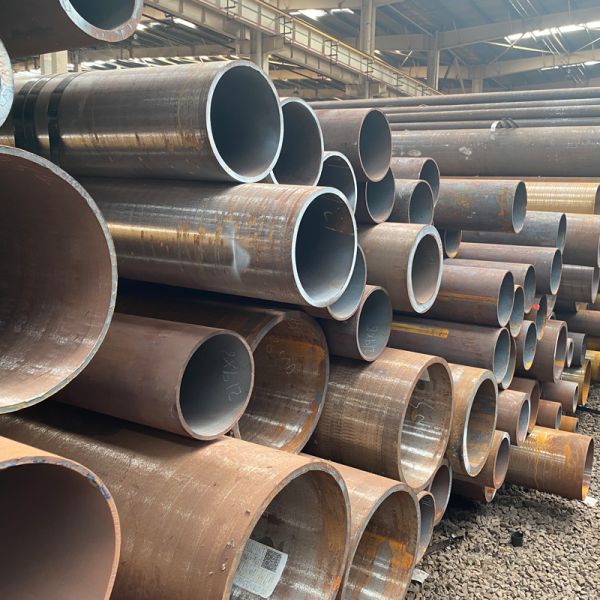
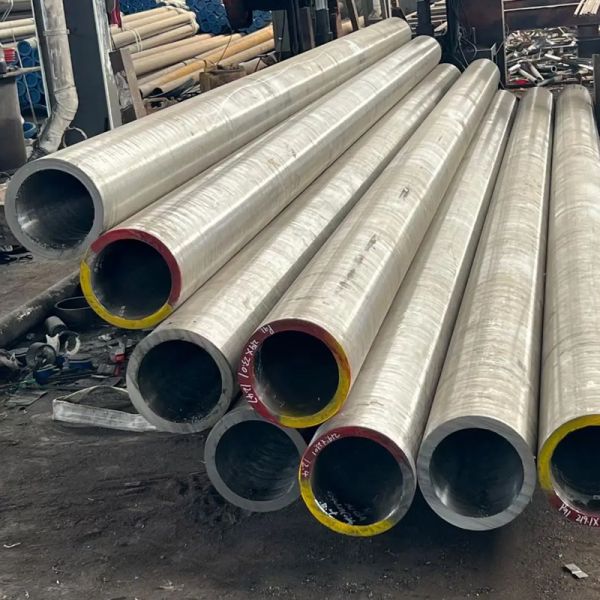
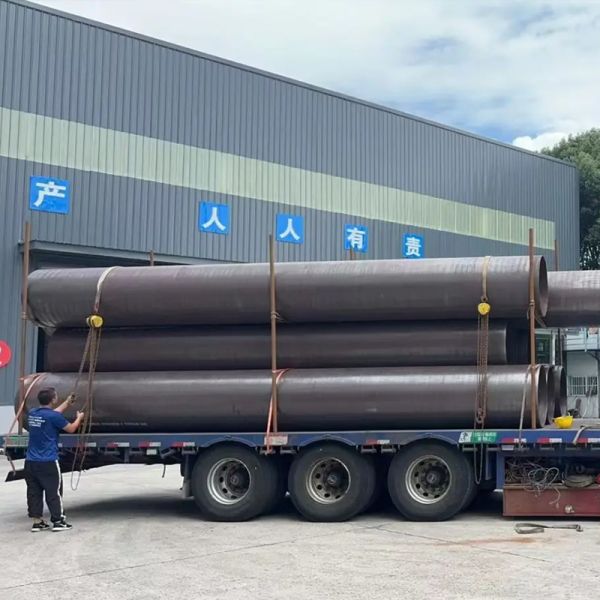
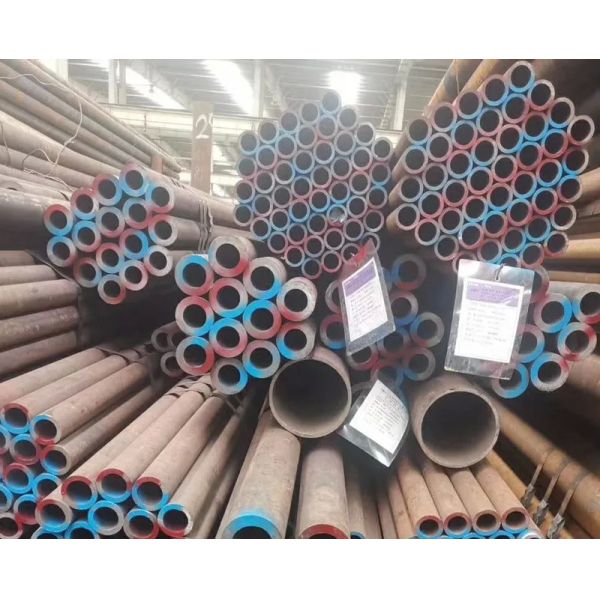
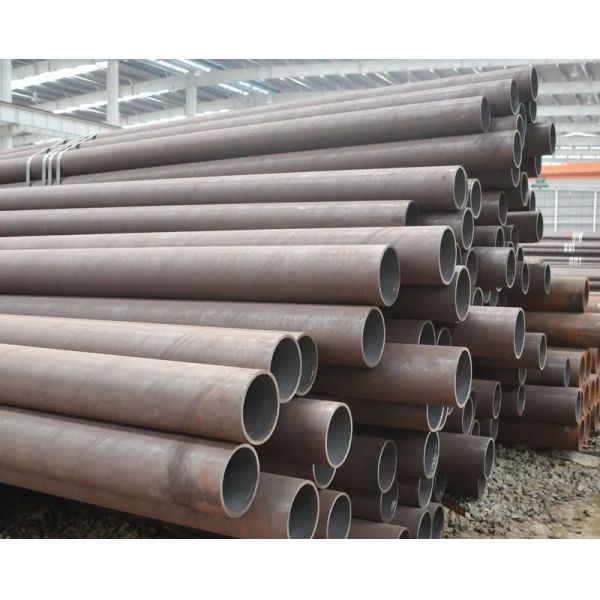
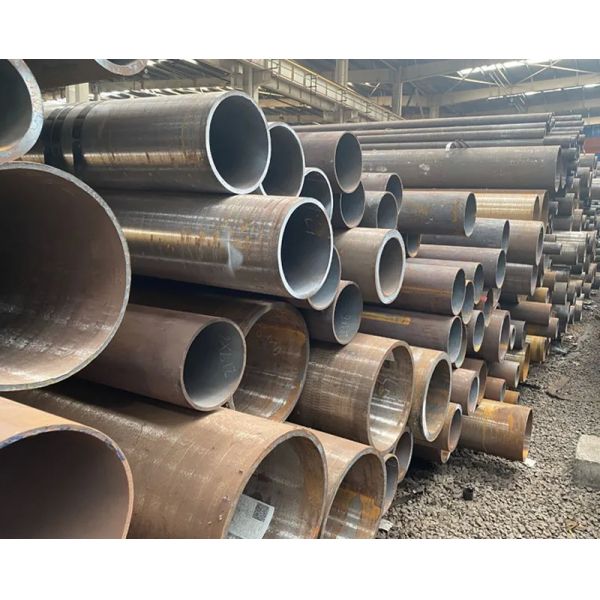
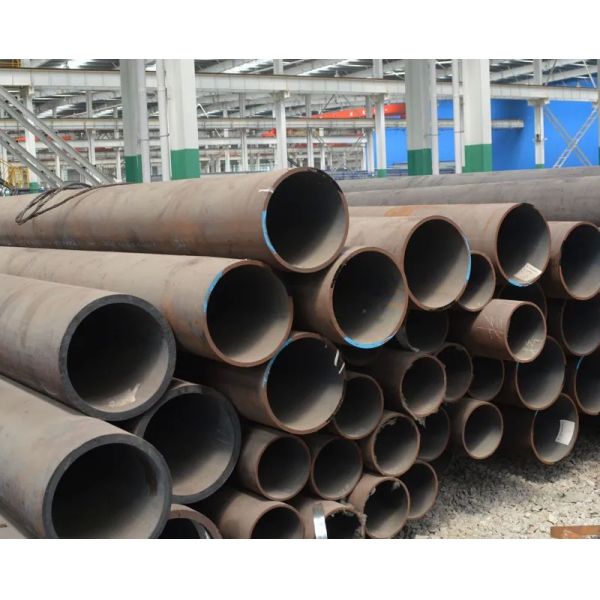
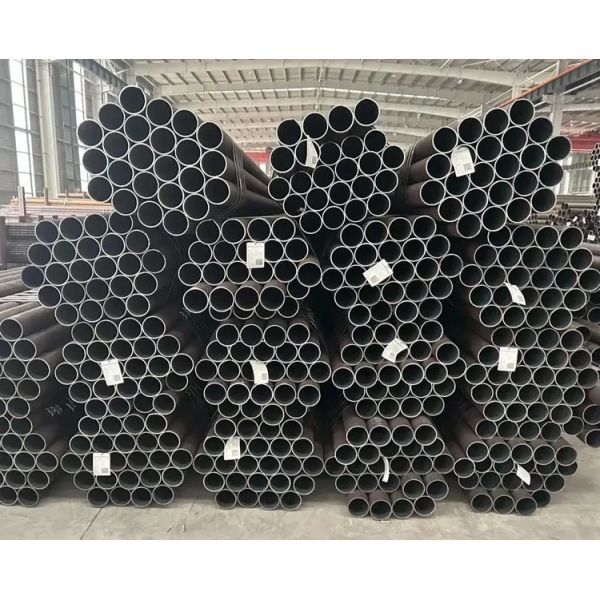
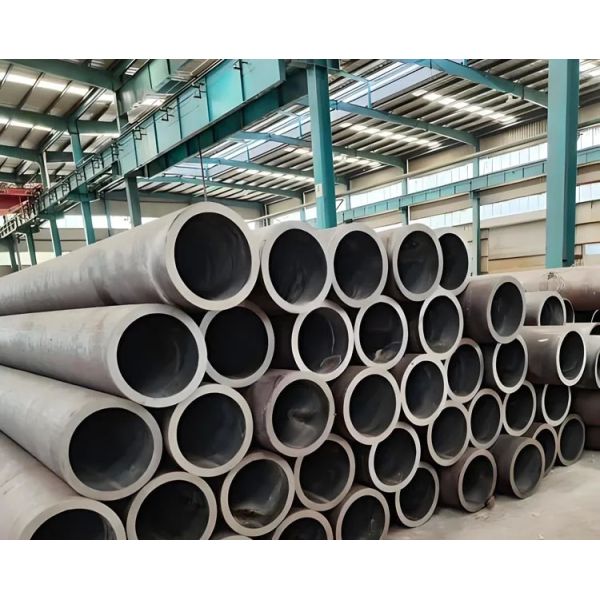
20G high-pressure boiler tube is a high-quality carbon structural steel seamless steel tube specially used for manufacturing pressure pipelines in power plant boilers, industrial boilers, and other high-pressure equipment. It is known as the "main artery" of modern boiler equipment, undertaking the important mission of transporting high-temperature and high-pressure steam. Its performance and quality directly affect the safety, stability, and efficient operation of the entire boiler system.
The meaning and standards of 20G
20G ": Among them," 20 "indicates that the average carbon content of the steel is 0.20% (the actual range is usually 0.17%~0.23%), which belongs to low-carbon steel. G "is the first letter of the Chinese Pinyin" Gu ō L ú "for" boiler ", specifically referring to steel used in boilers.
Execution standard: The most core standard in China is GB 5310-2017 "Seamless Steel Tubes for High Pressure Boilers". This standard provides strict regulations on the chemical composition, mechanical properties, process performance, dimensional deviation, surface quality, and non-destructive testing of 20G steel pipes. In addition, it often corresponds to international standards such as ASTM A106/210.
| Pipe types | Outer-caliber(D) | Thickness(S) | ||
| Pipe outer-caliber(mm) | Allowable warp(mm) | Pipe thickness(mm) | Allowable warp(mm) | |
| Hot-rolled pipes | >219~457 | ±1.0% | ≤20 | -10%,+12.5% |
| >20~40 | -10%,+10% | |||
| >457~1066 | ±0.9% | >40~70 | -7%,+9% | |
| >70~120 | -6%,+8% | |||
| Standards | Steel pipes No. | Tensile strength(MPa) | Bend strength(MPa) | Elongation(%) | Impact energy(J) | Hardness | |
| GB3087 | 10 | 335~475 | ≥195 | ≥24 | / | ||
| 20 | 410~550 | ≥245 | ≥20 | / | |||
| GB5310 | 20G | 410~550 | ≥245 | ≥24 | ≥35 | / | |
| 20MnG | ≥415 | ≥240 | ≥22 | ≥35 | / | ||
| 25MnG | ≥485 | ≥275 | ≥20 | ≥35 | / | ||
| 15CrMoG | 440~640 | ≥235 | ≥21 | ≥35 | / | ||
| 12Cr2MoG | 450~600 | ≥280 | ≥20 | ≥35 | / | ||
| 12Cr1MoVG | 470~640 | ≥255 | ≥21 | ≥35 | / | ||
| 10Cr9Mo1VNb | ≥585 | ≥415 | ≥20 | ≥35 | / | ||
| ASME SA106 | SA106B | ≥415 | ≥240 | ≥22 | ≥35 | / | |
| SA106C | ≥485 | ≥275 | ≥20 | ≥35 | / | ||
| ASME SA333 | SA333Ⅰ | ≥380 | ≥205 | ≥28 | -45≥18 | / | |
| ASME SA335 | SA335 P11 | ≥415 | ≥205 | ≥22 | ≥35 | ≤163HB | |
| SA335 P12 | ≥415 | ≥220 | ≥22 | ≥35 | ≤163HB | ||
| SA335 P22 | ≥415 | ≥205 | ≥22 | ≥35 | ≤163HB | ||
| SA335 P5 | ≥415 | ≥205 | ≥22 | ≥35 | ≤187HB | ||
| SA335 P91 | 585~760 | ≥415 | ≥20 | ≥35 | ≤250HB | ||
| SA335 P92 | ≥620 | ≥440 | ≥20 | ≥35 | 250HB | ||
| DIN17175 | ST45.8/Ⅲ | 410~530 | ≥255 | ≥21 | ≥27(DVM) | / | |
| 15Mo3 | 450~600 | ≥270 | ≥22 | ≥34(DVM) | / | ||
| 13CrMo44 | 440~590 | ≥290 | ≥22 | ≥34(DVM) | / | ||
| 10CrMo910 | 480~630 | ≥280 | ≥20 | ≥34(DVM) | / | ||
| EN10216-2 | 15NiCuMoNb5-6-4 (WB36) | 610~780 | ≥440 | ≥19 | ≥40 | / |
Chemical composition:
| Standards | Steel pipes No. | Chemical composition(%) | |||||||||||||
| C | Si | Mn | P | S | Cr | Mo | Cu | Ni | V | Al | W | Nb | N | ||
| GB3087 | 10 | 0.07~0.13 | 0.17~0.37 | 0.38~0.65 | ≤0.030 | ≤0.030 | 0.3~0.65 | / | ≤0.25 | ≤0.30 | / | / | |||
| 20 | 0.17~0.23 | 0.17~0.37 | 0.38~0.65 | ≤0.030 | ≤0.030 | 0.3~0.65 | / | ≤0.25 | ≤0.30 | / | / | ||||
| GB5310 | 20G | 0.17~0.24 | 0.17~0.37 | 0.35~0.65 | ≤0.030 | ≤0.030 | ≤0.25 | ≤0.15 | ≤0.20 | ≤0.25 | ≤0.08 | ||||
| 20MnG | 0.17~0.25 | 0.17~0.37 | 0.70~1.00 | ≤0.030 | ≤0.030 | ≤0.25 | ≤0.15 | ≤0.20 | ≤0.25 | ≤0.08 | |||||
| 25MnG | 0.23~0.27 | 0.17~0.37 | 0.70~1.00 | ≤0.030 | ≤0.030 | ≤0.25 | ≤0.15 | ≤0.20 | ≤0.25 | ≤0.08 | |||||
| 15CrMo | 0.12~0.18 | 0.17~0.37 | 0.40~0.70 | ≤0.030 | ≤0.030 | 0.80~1.10 | 0.40~0.55 | ≤0.20 | ≤0.30 | ||||||
| 12Cr2MoG | 0.08~0.15 | ≤0.50 | 0.40~0.70 | ≤0.030 | ≤0.030 | 2.00~2.50 | 0.90~1.20 | ≤0.20 | ≤0.30 | ||||||
| 12Cr1MoV | 0.08~0.15 | 0.17~0.37 | 0.40~0.70 | ≤0.030 | ≤0.030 | 0.90~1.20 | 0.25~0.35 | ≤0.20 | ≤0.30 | 0.15~0.30 | |||||
| 10Cr9Mo1VNb | 0.08~0.12 | 0.20~0.50 | 0.30~0.60 | ≤0.020 | ≤0.010 | 8.00~9.50 | 0.85~1.05 | ≤0.20 | ≤0.40 | 0.18~0.25 | ≤0.015 | 0.06~0.10 | 0.03~0.07 | ||
| ASME SA106 | SA106B | 0.17~0.25 | ≥0.1 | 0.70~1.00 | ≤0.030 | ≤0.030 | |||||||||
| SA106C | 0.23~0.27 | ≥0.1 | 0.70~1.00 | ≤0.030 | ≤0.030 | ||||||||||
| ASME SA333 | SA333Ⅰ | 0.09~0.12 | / | 0.7~1.00 | ≤0.020 | ≤0.010 | |||||||||
| SA333Ⅵ | 0.09~0.12 | ≥0.1 | 0.9~1.10 | ≤0.020 | ≤0.010 | ||||||||||
| ASME SA335 | SA335 P11 | 0.05~0.15 | 0.50~1.0 | 0.30~0.60 | ≤0.030 | ≤0.030 | 1.00~1.50 | 0.50~1.00 | |||||||
| SA335 P12 | 0.05~0.15 | ≤0.50 | 0.30~0.61 | ≤0.030 | ≤0.030 | 0.80~1.25 | 0.44~0.65 | ||||||||
| SA335 P22 | 0.05~0.15 | ≤0.50 | 0.30~0.60 | ≤0.030 | ≤0.030 | 1.90~2.60 | 0.87~1.13 | ||||||||
| SA335 P5 | ≤0.15 | ≤0.50 | 0.30~0.60 | ≤0.030 | ≤0.030 | 4.00/ 6.00 | 0.45/ 0.65 | ||||||||
| SA335 P91 | 0.08~0.12 | 0.20~0.50 | 0.30~0.60 | ≤0.020 | ≤0.010 | 8.00~9.50 | 0.85~1.05 | ≤0.40 | 0.18~0.25 | ≤0.015 | 0.06~0.10 | 0.03~0.07 | |||
| SA335 P92 | 0.07~0.13 | ≤0.50 | 0.30~0.60 | ≤0.020 | ≤0.010 | 8.50~9.50 | 0.30~0.60 | 0.30~0.60 | ≤0.40 | 0.15~0.25 | ≤0.015 | 1.50~2.00 | 0.04~0.09 | 0.03~0.07 | |
| DIN 17175 | ST45.8/Ⅲ | ≤0.21 | 0.10~0.35 | 0.40~1.20 | ≤0.040 | ≤0.040 | ≤0.30 | ||||||||
| 15Mo3 | 0.12~0.20 | 0.10~0.35 | 0.40~0.80 | ≤0.035 | ≤0.035 | 0.25~0.35 | |||||||||
| 13CrMo44 | 0.10~0.18 | 0.10~0.35 | 0.40~0.70 | ≤0.035 | ≤0.035 | 0.70~1.10 | 0.45~0.65 | ||||||||
| 10CrMo910 | 0.08~0.15 | ≤0.50 | 0.30~0.70 | ≤0.025 | ≤0.020 | 2.00~2.50 | 0.90~1.10 | ≤0.30 | ≤0.30 | ≤0.015 | |||||
| EN1021 6-2 | 15NiCuMoNb5-6-4 (WB36) | ≤0.17 | 0.25~0.50 | 0.80~1.20 | ≤0.025 | ≤0.020 | ≤0.30 | 0.25~0.50 | 0.50~0.80 | 1.00~1.30 | ≤0.05 | 0.015~0.045 | |||
Chemical composition and mechanical properties
The reason why 20G is capable of handling high-pressure environments is due to its balanced chemical composition and excellent mechanical properties.
Chemical composition (%):
Mechanical properties:
Main Features And Advantages
Application areas
Production process flow
The requirements for producing 20G high-pressure boiler tubes are extremely strict, mainly using the production process of hot-rolled or cold drawn (rolled) seamless steel tubes:
Tube billet acceptance → heating → perforation → tube rolling → sizing → cooling → straightening → pipe cutting → non-destructive testing (100% inspection) → mechanical performance testing → metallographic examination → hydrostatic testing → surface inspection and length measurement weighing → painting and packaging.
Among them, non-destructive testing (usually ultrasonic or eddy current testing) and hydrostatic testing are key steps to ensure its pressure safety, ensuring that each steel pipe has no internal defects and can withstand more than 1.5 times the working pressure.