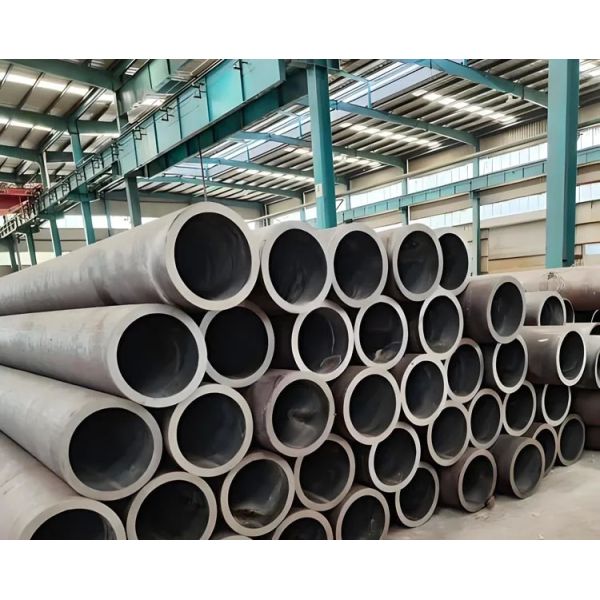
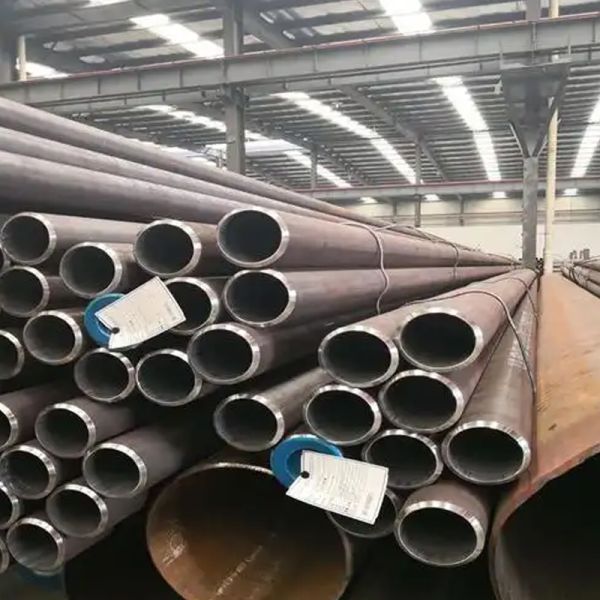
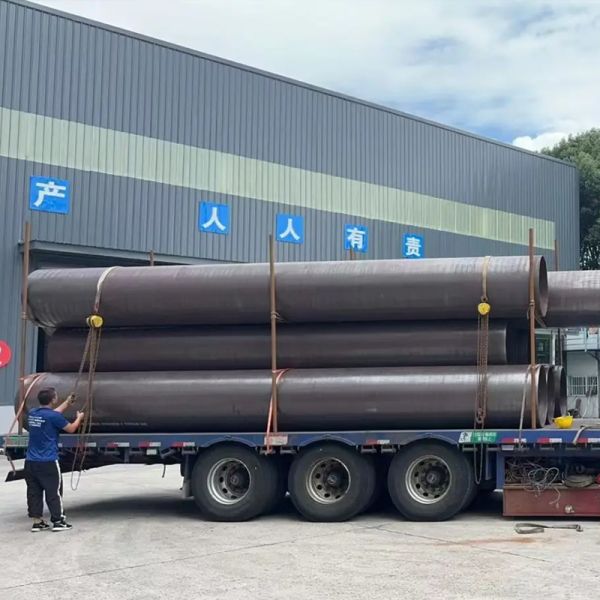
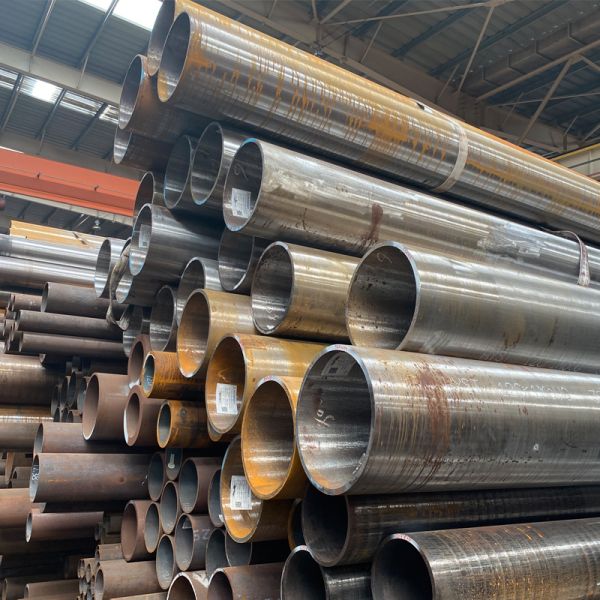
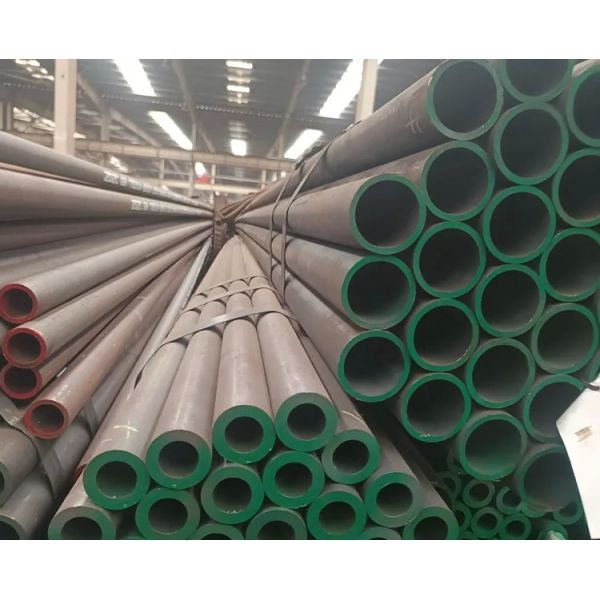
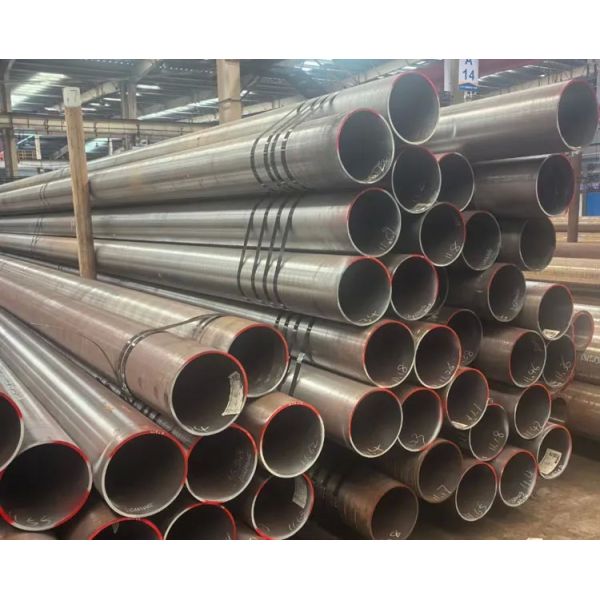
SA106B Seamless Steel Pipe
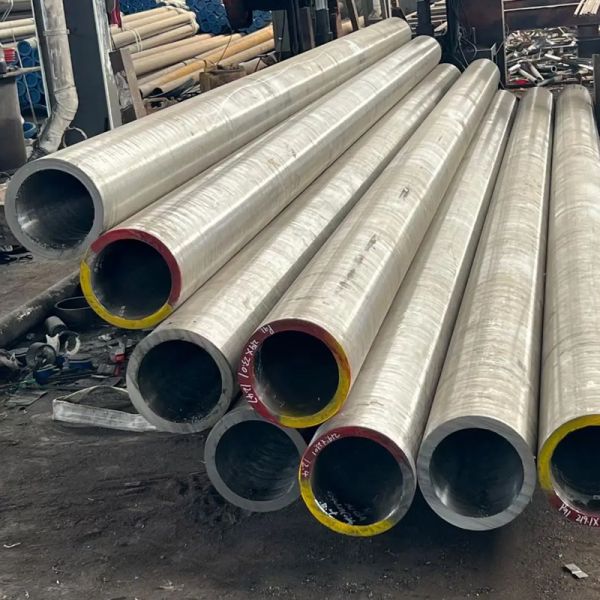
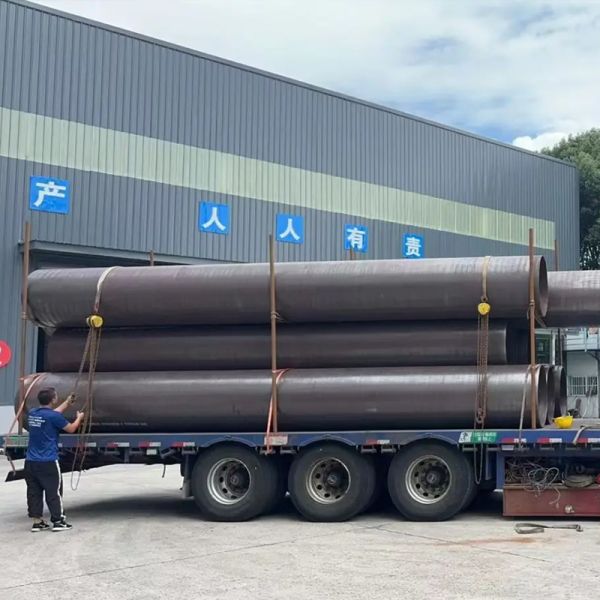
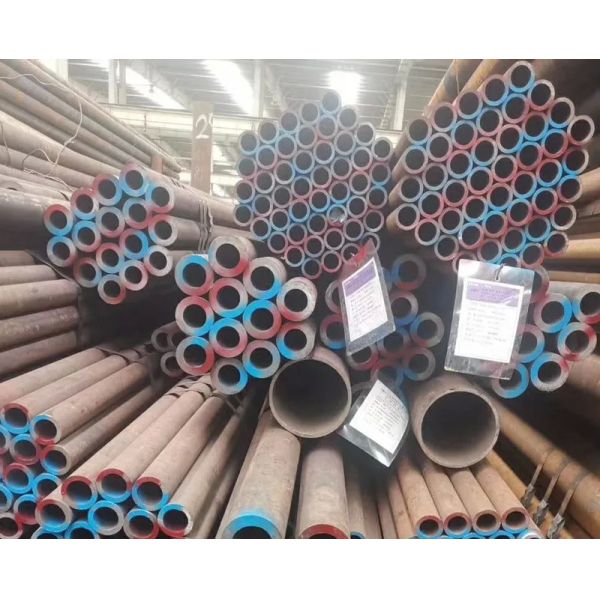
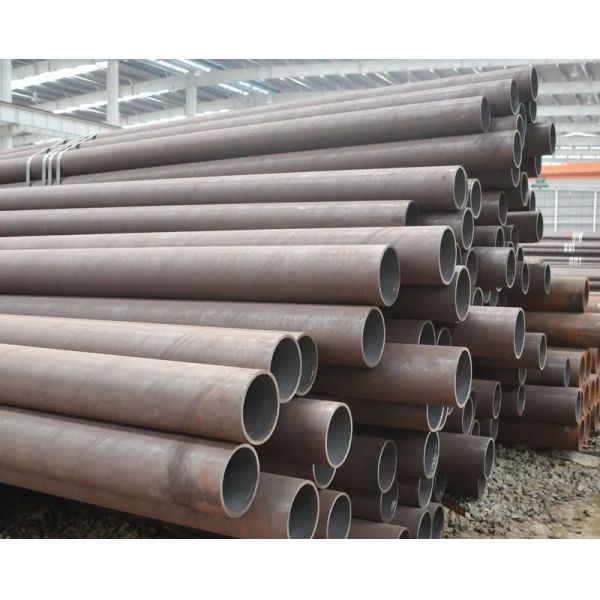
ASTM A106 Grade B seamless steel pipe is a cornerstone of high-temperature pressure conveyance systems across global industries. This article provides a detailed overview of its specification, chemical and mechanical properties, manufacturing process, key applications, and the advantages that make it a preferred choice for critical service.
ASTM A106 is a standard specification from ASTM International (formerly the American Society for Testing and Materials) for seamless carbon steel pipe designed for high-temperature service. It is predominantly used in pipelines and pressure vessels where operating conditions involve elevated temperatures. The standard covers three grades: A, B, and C, with Grade B being the most commonly specified due to its optimal balance of strength, ductility, and cost-effectiveness. This pipe is intended for bending, flanging, and other coiling operations, making it exceptionally versatile.
| Pipe types | Outer-caliber(D) | Thickness(S) | ||
| Pipe outer-caliber(mm) | Allowable warp(mm) | Pipe thickness(mm) | Allowable warp(mm) | |
| Hot-rolled pipes | >219~457 | ±1.0% | ≤20 | -10%,+12.5% |
| >20~40 | -10%,+10% | |||
| >457~1066 | ±0.9% | >40~70 | -7%,+9% | |
| >70~120 | -6%,+8% | |||
| Standards | Steel pipes No. | Tensile strength(MPa) | Bend strength(MPa) | Elongation(%) | Impact energy(J) | Hardness | |
| GB3087 | 10 | 335~475 | ≥195 | ≥24 | / | ||
| 20 | 410~550 | ≥245 | ≥20 | / | |||
| GB5310 | 20G | 410~550 | ≥245 | ≥24 | ≥35 | / | |
| 20MnG | ≥415 | ≥240 | ≥22 | ≥35 | / | ||
| 25MnG | ≥485 | ≥275 | ≥20 | ≥35 | / | ||
| 15CrMoG | 440~640 | ≥235 | ≥21 | ≥35 | / | ||
| 12Cr2MoG | 450~600 | ≥280 | ≥20 | ≥35 | / | ||
| 12Cr1MoVG | 470~640 | ≥255 | ≥21 | ≥35 | / | ||
| 10Cr9Mo1VNb | ≥585 | ≥415 | ≥20 | ≥35 | / | ||
| ASME SA106 | SA106B | ≥415 | ≥240 | ≥22 | ≥35 | / | |
| SA106C | ≥485 | ≥275 | ≥20 | ≥35 | / | ||
| ASME SA333 | SA333Ⅰ级 | ≥380 | ≥205 | ≥28 | -45≥18 | / | |
| ASME SA335 | SA335 P11 | ≥415 | ≥205 | ≥22 | ≥35 | ≤163HB | |
| SA335 P12 | ≥415 | ≥220 | ≥22 | ≥35 | ≤163HB | ||
| SA335 P22 | ≥415 | ≥205 | ≥22 | ≥35 | ≤163HB | ||
| SA335 P5 | ≥415 | ≥205 | ≥22 | ≥35 | ≤187HB | ||
| SA335 P91 | 585~760 | ≥415 | ≥20 | ≥35 | ≤250HB | ||
| SA335 P92 | ≥620 | ≥440 | ≥20 | ≥35 | 250HB | ||
| DIN17175 | ST45.8/Ⅲ | 410~530 | ≥255 | ≥21 | ≥27(DVM) | / | |
| 15Mo3 | 450~600 | ≥270 | ≥22 | ≥34(DVM) | / | ||
| 13CrMo44 | 440~590 | ≥290 | ≥22 | ≥34(DVM) | / | ||
| 10CrMo910 | 480~630 | ≥280 | ≥20 | ≥34(DVM) | / | ||
| EN10216-2 | 15NiCuMoNb5-6-4 (WB36) | 610~780 | ≥440 | ≥19 | ≥40 | / |
Chemical composition:
| Standards | Steel pipes No. | Chemical composition(%) | |||||||||||||
| C | Si | Mn | P | S | Cr | Mo | Cu | Ni | V | Al | W | Nb | N | ||
| GB3087 | 10 | 0.07~0.13 | 0.17~0.37 | 0.38~0.65 | ≤0.030 | ≤0.030 | 0.3~0.65 | / | ≤0.25 | ≤0.30 | / | / | |||
| 20 | 0.17~0.23 | 0.17~0.37 | 0.38~0.65 | ≤0.030 | ≤0.030 | 0.3~0.65 | / | ≤0.25 | ≤0.30 | / | / | ||||
| GB5310 | 20G | 0.17~0.24 | 0.17~0.37 | 0.35~0.65 | ≤0.030 | ≤0.030 | ≤0.25 | ≤0.15 | ≤0.20 | ≤0.25 | ≤0.08 | ||||
| 20MnG | 0.17~0.25 | 0.17~0.37 | 0.70~1.00 | ≤0.030 | ≤0.030 | ≤0.25 | ≤0.15 | ≤0.20 | ≤0.25 | ≤0.08 | |||||
| 25MnG | 0.23~0.27 | 0.17~0.37 | 0.70~1.00 | ≤0.030 | ≤0.030 | ≤0.25 | ≤0.15 | ≤0.20 | ≤0.25 | ≤0.08 | |||||
| 15CrMo | 0.12~0.18 | 0.17~0.37 | 0.40~0.70 | ≤0.030 | ≤0.030 | 0.80~1.10 | 0.40~0.55 | ≤0.20 | ≤0.30 | ||||||
| 12Cr2MoG | 0.08~0.15 | ≤0.50 | 0.40~0.70 | ≤0.030 | ≤0.030 | 2.00~2.50 | 0.90~1.20 | ≤0.20 | ≤0.30 | ||||||
| 12Cr1MoV | 0.08~0.15 | 0.17~0.37 | 0.40~0.70 | ≤0.030 | ≤0.030 | 0.90~1.20 | 0.25~0.35 | ≤0.20 | ≤0.30 | 0.15~0.30 | |||||
| 10Cr9Mo1VNb | 0.08~0.12 | 0.20~0.50 | 0.30~0.60 | ≤0.020 | ≤0.010 | 8.00~9.50 | 0.85~1.05 | ≤0.20 | ≤0.40 | 0.18~0.25 | ≤0.015 | 0.06~0.10 | 0.03~0.07 | ||
| ASME SA106 | SA106B | 0.17~0.25 | ≥0.1 | 0.70~1.00 | ≤0.030 | ≤0.030 | |||||||||
| SA106C | 0.23~0.27 | ≥0.1 | 0.70~1.00 | ≤0.030 | ≤0.030 | ||||||||||
| ASME SA333 | SA333Ⅰ | 0.09~0.12 | / | 0.7~1.00 | ≤0.020 | ≤0.010 | |||||||||
| SA333Ⅵ | 0.09~0.12 | ≥0.1 | 0.9~1.10 | ≤0.020 | ≤0.010 | ||||||||||
| ASME SA335 | SA335 P11 | 0.05~0.15 | 0.50~1.0 | 0.30~0.60 | ≤0.030 | ≤0.030 | 1.00~1.50 | 0.50~1.00 | |||||||
| SA335 P12 | 0.05~0.15 | ≤0.50 | 0.30~0.61 | ≤0.030 | ≤0.030 | 0.80~1.25 | 0.44~0.65 | ||||||||
| SA335 P22 | 0.05~0.15 | ≤0.50 | 0.30~0.60 | ≤0.030 | ≤0.030 | 1.90~2.60 | 0.87~1.13 | ||||||||
| SA335 P5 | ≤0.15 | ≤0.50 | 0.30~0.60 | ≤0.030 | ≤0.030 | 4.00/ 6.00 | 0.45/ 0.65 | ||||||||
| SA335 P91 | 0.08~0.12 | 0.20~0.50 | 0.30~0.60 | ≤0.020 | ≤0.010 | 8.00~9.50 | 0.85~1.05 | ≤0.40 | 0.18~0.25 | ≤0.015 | 0.06~0.10 | 0.03~0.07 | |||
| SA335 P92 | 0.07~0.13 | ≤0.50 | 0.30~0.60 | ≤0.020 | ≤0.010 | 8.50~9.50 | 0.30~0.60 | 0.30~0.60 | ≤0.40 | 0.15~0.25 | ≤0.015 | 1.50~2.00 | 0.04~0.09 | 0.03~0.07 | |
| DIN 17175 | ST45.8/Ⅲ | ≤0.21 | 0.10~0.35 | 0.40~1.20 | ≤0.040 | ≤0.040 | ≤0.30 | ||||||||
| 15Mo3 | 0.12~0.20 | 0.10~0.35 | 0.40~0.80 | ≤0.035 | ≤0.035 | 0.25~0.35 | |||||||||
| 13CrMo44 | 0.10~0.18 | 0.10~0.35 | 0.40~0.70 | ≤0.035 | ≤0.035 | 0.70~1.10 | 0.45~0.65 | ||||||||
| 10CrMo910 | 0.08~0.15 | ≤0.50 | 0.30~0.70 | ≤0.025 | ≤0.020 | 2.00~2.50 | 0.90~1.10 | ≤0.30 | ≤0.30 | ≤0.015 | |||||
| EN1021 6-2 | 15NiCuMoNb5-6-4 (WB36) | ≤0.17 | 0.25~0.50 | 0.80~1.20 | ≤0.025 | ≤0.020 | ≤0.30 | 0.25~0.50 | 0.50~0.80 | 1.00~1.30 | ≤0.05 | 0.015~0.045 | |||
Chemical Composition
The performance of A106B pipe is fundamentally dictated by its chemical composition, which is strictly controlled by the ASTM A106 standard. Key elements include:
Mechanical Properties
A106 Grade B pipe must meet minimum mechanical property requirements, which are verified through standardized testing:
Manufacturing Process
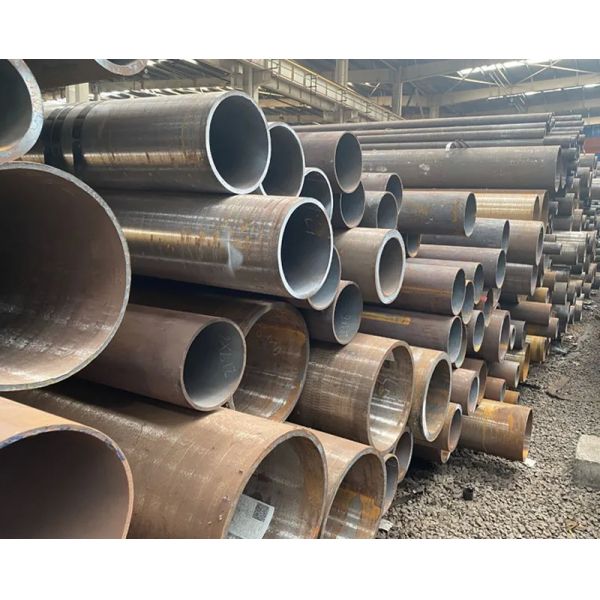
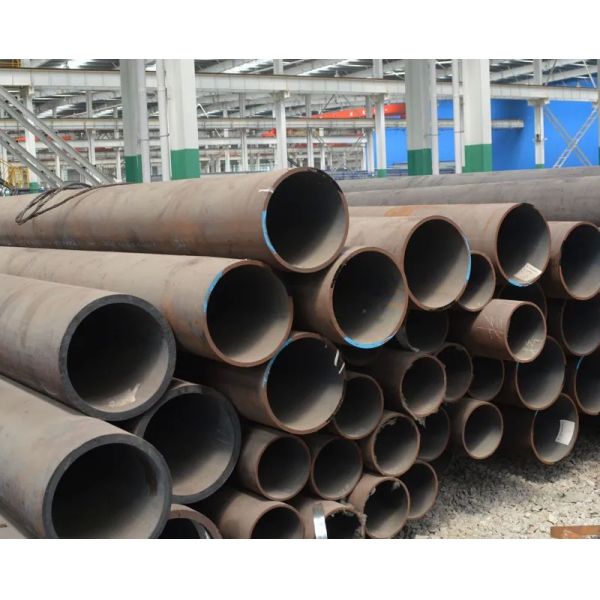
The "seamless" designation is crucial. These pipes are manufactured without a welded seam through a process that begins with a solid cylindrical steel billet. The billet is heated to a high temperature and then pierced through the center with a mandrel to create a hollow shell. This shell is subsequently elongated and rolled over a mandrel and stretched to achieve the desired diameter, wall thickness, and length. This homogeneous structure provides uniform strength around the entire circumference, eliminating the weak point that a weld seam can represent in high-pressure applications. The final pipes are then heat-treated (normalized) to refine the grain structure and enhance mechanical properties.