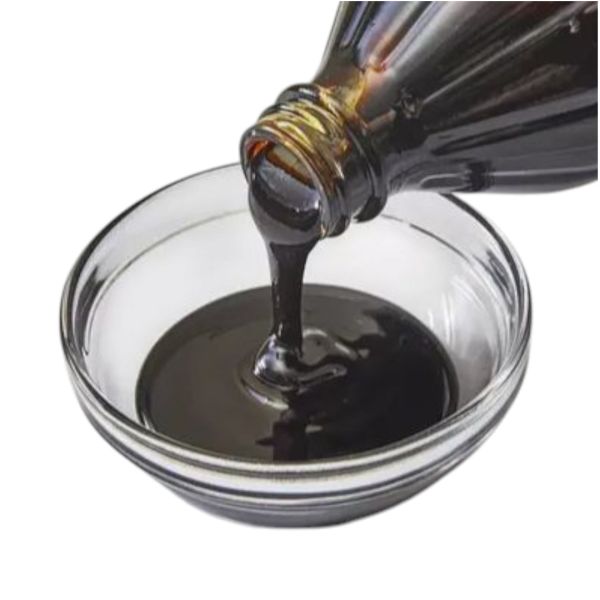
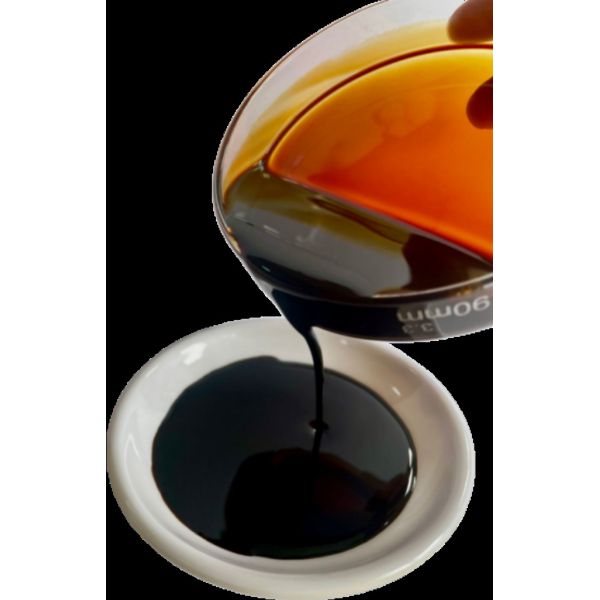
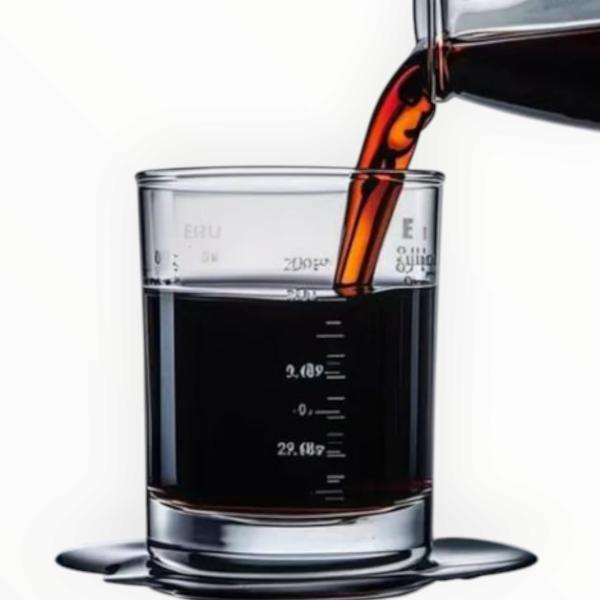
We employ advanced triple-effect fermentation concentration equipment for molasses raw materials. This processing technology enhances production efficiency while preserving abundant natural active nutrients from molasses. Compared to ordinary single-effect fermentation products, it delivers higher nutrient content and superior crop absorption performance.
The product is entirely natural, with no artificial additives, ensuring a high-quality, eco-friendly option. Consistent quality is guaranteed through rigorous quality control measures during production.
| Main Component | Key Indicator |
|---|---|
| Free Amino Acids (g/L) | 20.06 |
| Fulvic acid (g/L) | 240 |
| Nitrogen (N) (g/L) | 131 |
| Phosphorus (P₂O₅) (g/L) | |
| Potassium (K₂O) (g/L) | |
| Humic Acid (g/L) | 36 |
| Total Amino Acids (g/L) | 44.74 |
| Organic Matter Content (g/L) | 326 |
| Moisture (%) | 45.63 |
| pH (1:250 dilution) | 5.8 |
| Density (g/ml) | 1.26 |
| Insoluble Matter (g/L) | 0.8 |
Soluble sugars provide rapid energy for soil microbes, leading to faster nutrient cycling and improved plant health within hours of application.
When used with humic acid fertilizers, it improves nutrient availability and enhances soil structure for long-term soil health benefits.
Serves as an ideal medium for cultivating beneficial fungi like Trichoderma, enhancing biological pest control.
Adhesive properties ensure pesticide applications remain effective in wet conditions, reducing reapplication needs.
Reduces soil EC values, enhancing moisture and nutrient retention for improved plant root environment over time.
Maintains optimal C/N ratio, supporting healthy microbial communities crucial for nutrient conversion and water quality.
Effectively suppresses harmful blue-green algae while promoting beneficial diatoms for balanced aquatic ecosystems.
Probiotic incorporation through microencapsulation improves gastrointestinal survival rates and overall fish health.
Attractant properties increase feeding rates and optimize growth performance.
Maintains fish slime coat health during transport, significantly reducing stress-related mortality.
Supports metabolic processes that eliminate algal toxins, enhancing fish resilience against toxic exposures.
Acts as a starter culture, promoting lactic acid bacteria dominance essential for high-quality fermented feed.
Enhances feed flavor profile, leading to higher intake rates among livestock during growth phases.
Slow energy release from carbohydrates maintains optimal pH levels, mitigating subacute ruminal acidosis (SARA) risk.
Enhances cellulolytic bacteria activity, improving fiber digestion and nutrient absorption.
Microbial activity competes with urease-producing bacteria, significantly reducing ammonia emissions and improving air quality.