Specifications
Storage conditions :
in a cool, dry place
Trehalose (%) :
21
Color :
Light white
Place of Origin :
Yichang
Brand Name :
Jingshida
Certification :
None
Model Number :
None
MOQ :
1 ton
Price :
Negotiable
Packaging Details :
woven bag/kraft paper bag
Delivery Time :
within one week
Payment Terms :
T/T
Supply Ability :
100,000 tons
Packaging :
25bag/kg
State :
Powder Particles
Product Name :
Yeast
Mannan Oligosaccharides (MOS) (%) :
14.5
Application :
Foliar spray, drip irrigation, soil application
Amino Acids (%) :
30.4
Effective Live Cells (billion/g) :
200
β-Glucan (%) :
34.5
Function :
Increase Yield
Description
Yeast-Powered Agriculture — Cleaner. Greener. Smarter.

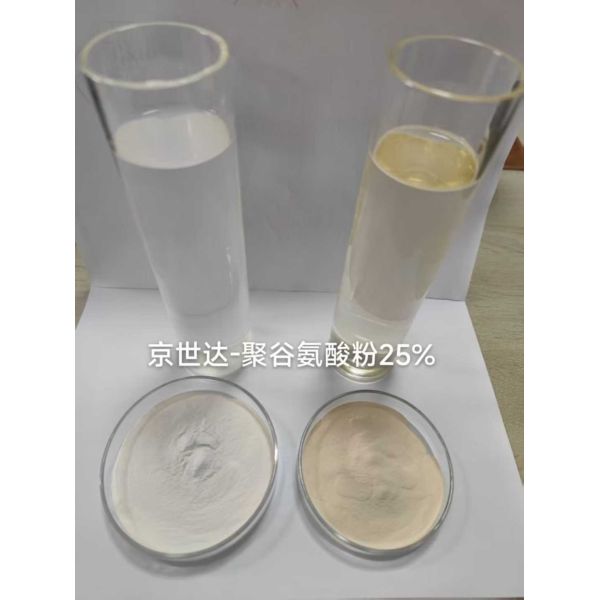
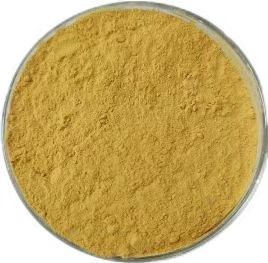
Yeast is a microbial fertilizer that can be used as a composting agent for organic materials, a component of compound microbial fertilizers, a bio-organic fertilizer, and one of the microbial strains in microbial inoculants. It is suitable for use in bio-fertilizers, bio-feed, and bio-pesticides. It appears as light white granules.

Product Compositiona
Component Specification
Effective Live Cells (billion/g) 200
Trehalose (%) 21
Mannan Oligosaccharides (MOS) (%) 14.5
β-Glucan (%) 34.5
Amino Acids (%) 30.4
Main Application Areas
Agricultural Benefits
  1. Fermentation and Improvement of Organic Fertilizers

    • Decomposing Organic Matter: Yeast participates in compost fermentation, accelerating the breakdown of organic waste such as straw and animal manure into humus, enhancing soil fertility.
    • Nutrient Release: During decomposition, it releases nitrogen, phosphorus, potassium, and trace elements, increasing the availability of nutrients in the soil.
    • Pathogen Suppression: Organic acids produced during fermentation can reduce harmful microorganisms in the soil.
  2. Biological Control and Plant Health

    • Antagonizing Pathogens: Some yeast species (e.g., Pseudozyma) can suppress plant pathogenic fungi (e.g., botrytis and powdery mildew) by competing for nutrients
    • Inducing Resistance: Activates the plant immune system, enhancing resistance to diseases and environmental stresses (e.g., drought, salinity).
    • Promoting Growth: Secretes growth hormones (such as indole acetic acid) that stimulate root development, increasing crop yields.
  3. Environmental Protection and Circular Agriculture

    • Agricultural Waste Treatment: Used to process fruit and vegetable processing waste, distiller's grains, etc., converting them into feed or fertilizers to reduce pollution.
Aquaculture Benefits
  1. Water Quality Regulation

    • Decomposing Organic Matter: Breaks down leftover feed and waste, reducing harmful substances such as ammonia nitrogen and nitrites, thereby improving water quality.
    • Stabilizing Algal Balance: Competes to inhibit the overgrowth of harmful algae, maintaining ecological balance in the water.
  2. Feed Additive

    • Nutritional Enhancement: Yeast is rich in protein, B vitamins, and nucleotides, serving as a feed supplement to improve growth performance in fish and shrimp.
    • Enhanced Immunity: Components like β-glucan activate the immune system of aquatic animals, reducing the incidence of diseases.
    • Antibiotic Replacement: Acts as a probiotic to reduce pathogenic bacteria (e.g., vibrios) in the gut, promoting gut health.
  3. Resource Utilization

    • Fermented Feed: Utilizes yeast to ferment plant proteins such as soybean meal and rapeseed meal, degrading anti-nutritional factors and improving feed utilization.
Feed Benefits
  1. Feed Fermentation and Nutritional Enhancement

    • Silage Feed: Adding yeast promotes lactic acid fermentation, suppressing spoilage bacteria and improving the nutritional value and palatability of silage feed.
    • Single-Cell Protein (SCP): Cultivating yeast on industrial wastes (e.g., molasses) produces high-protein feed (e.g., feed yeast), serving as a substitute for soybean meal and fish meal.
  2. Animal Health Management

    • Gut Probiotics: Regulates the microbial balance in the rumen of ruminants, improving fiber digestion; inhibits pathogenic bacteria like E. coli in poultry and pigs.
    • Stress Relief: Yeast cell wall polysaccharides (e.g., mannan oligosaccharides) enhance immunity and reduce stress responses from transport and weaning.
  3. Manure Treatment and Emission Reduction

    • Odor Reduction and Pollution Control: Ferments livestock manure to decrease emissions of harmful gases such as ammonia and hydrogen sulfide, reducing environmental pollution.
    • Organic Fertilizer Production: Converts manure into safe fertilizers, achieving a cycle of integrated farming and cultivation.
Send your message to this supplier
Send Now

Small Yeast , Big Yield — Yeast Fertilizer for Higher Profits

Ask Latest Price
Storage conditions :
in a cool, dry place
Trehalose (%) :
21
Color :
Light white
Place of Origin :
Yichang
Brand Name :
Jingshida
Certification :
None
Contact Supplier
Small Yeast , Big Yield — Yeast Fertilizer for Higher Profits

Wuhan King star Industrial Co., Ltd.

Verified Supplier
2 Years
hubei, wuhan
Since 2015.3
Business Type :
Manufacturer
Total Annual :
25000000-30000000
Employee Number :
50~100
Certification Level :
Verified Supplier
Contact Supplier
Submit Requirement