Polyglutamic Acid Natural Skin Care Ingredient For Enhanced Moisturizing And Anti-Aging
Introduction of Polyglutamic acid
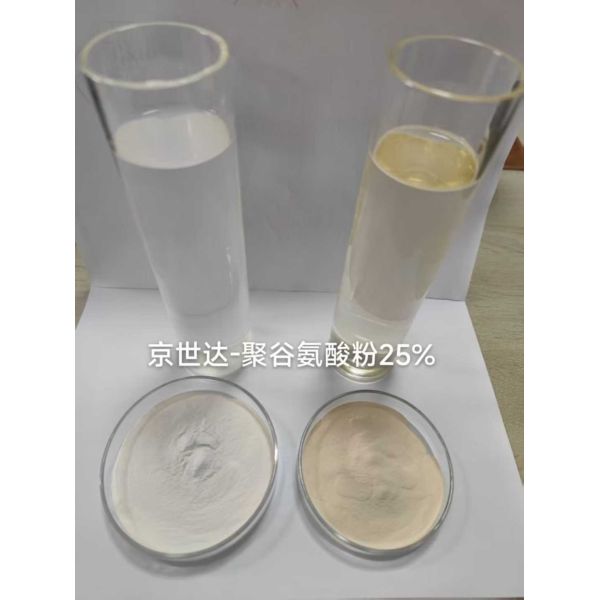
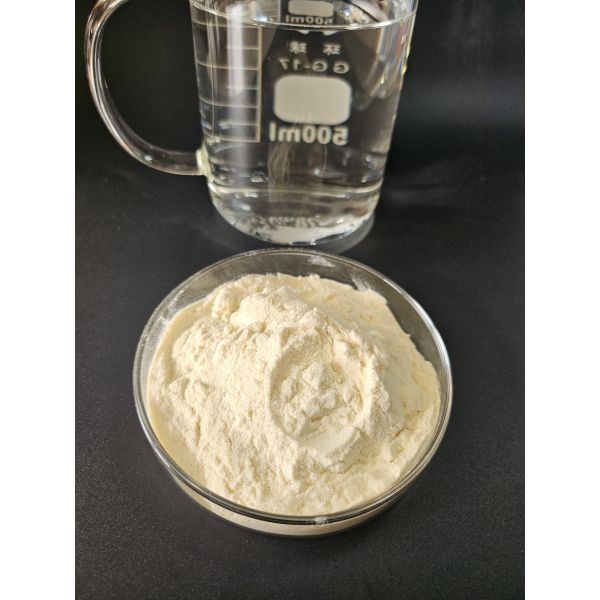
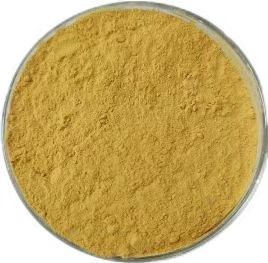
Polyglutamic acid is a natural biopolymer produced by microbial fermentation. It has strong water solubility, water retention, chelation and biodegradability, and does not contain toxic organic raw materials. The appearance is off-white powder or light yellow liquid.
ingredients of Polyglutamic acid
| Type | Polyglutamic Acid Content |
|---|
| Liquid | 3.5%, 4%, 7%, 10% |
| Powder | 20%, 25% |
Main application areas:
The main effects of this product in agriculture
- Water retention and drought resistance
- Super strong water retention: γ-PGA can absorb hundreds of times its own weight of water to form a "micro reservoir", significantly improve the soil's water holding capacity, and alleviate drought stress.
- Reduced irrigation needs: Prolong soil moistening time, especially suitable for arid areas or seasonal water-deficient farmland.
- Fertilizer efficiency
- Nutrient slow release: By chelating nitrogen, phosphorus, potassium and trace elements, it reduces nutrient loss, prolongs the fertilizer effect cycle, and increases fertilizer utilization by 20%-30%.
- Activate soil nutrients: promote the release of insoluble phosphorus and potassium in the soil, and alleviate soil compaction.
- Promote crop growth
- Root development: stimulate the activity of root meristems, increase root length and root surface area, and enhance nutrient absorption capacity.
- Enhance photosynthesis: increase chlorophyll content and photosynthetic efficiency, promote fruit enlargement, sugar accumulation and yield increase.
- Stress and disease resistance
- Stress resistance: enhance crop drought and salt-alkali resistance by regulating the accumulation of osmotic substances (such as proline).
- Disease resistance: induce plant systemic resistance (SAR) and inhibit fungal diseases (such as powdery mildew and anthracnose).
- Repair soil
- Heavy metal passivation: adsorb heavy metal ions (such as cadmium and lead) in the soil to reduce their bioavailability.
- Improvement of saline-alkali land: reduce the harm of sodium ions through ion exchange and alleviate the toxicity of salinized soil to crops.
The main effects of this product for aquaculture
- Water quality regulation
- Stabilize water bodies: absorb harmful substances such as ammonia nitrogen and nitrite, reduce toxic accumulation, and maintain the ecological balance of water bodies.
- Aeration assistance: by inhibiting the excessive reproduction of harmful algae, indirectly promote the growth of beneficial algae (such as diatoms) and increase dissolved oxygen.
- Promote the health of farmed animals
- Enhance immunity: activate the immune system of fish and shrimp (such as increasing lysozyme activity) and reduce the risk of bacterial (such as Vibrio) and viral infection.
- Intestinal health: promote digestive enzyme secretion, improve feed utilization, and shorten the breeding cycle.
- Anti-stress protection
- Environmental mutation buffer: reduce the stress response of fish and shrimp caused by osmotic pressure mutation during water change, high temperature or transportation.
- Reducing mortality: by stabilizing water quality and strengthening physical fitness, the survival rate of fry is improved.
- Bait additive
- Encapsulated nutrition: as a microcapsule carrier, it protects active ingredients such as vitamins and probiotics and improves the stability of bait.
This product is used in feed for the main effects
- Feed efficiency
- Promote digestion and absorption: improve the activity of intestinal digestive enzymes, enhance the efficiency of protein and mineral absorption, and accelerate the weight gain of livestock and poultry.
- Regulate intestinal flora: inhibit harmful bacteria such as Escherichia coli and Salmonella, promote the proliferation of probiotics such as lactic acid bacteria, and reduce diarrhea.
- Detoxification and liver protection
- Adsorb toxins: combine mycotoxins (such as aflatoxin) and heavy metals in feed to reduce the metabolic burden on the liver.
- Environmental improvement
- Feces treatment: accelerate feces decomposition, reduce the emission of odorous gases such as ammonia and hydrogen sulfide, and improve the farm environment.
- Feces water retention: reduce nutrient loss during feces drying and improve the quality of organic fertilizer.
- Anti-stress and production performance
- Heat stress relief: maintain livestock and poultry feed intake in high temperature environment, stabilize egg production, milk production and meat quality.
- Improve product quality: reduce dependence on antibiotics, and increase the protein content and safety of meat, eggs and milk.
Notes
- Reasonable dosage
- Agriculture: 0.1%-0.3% solution sprayed on leaves, 0.5-2 kg per mu of soil base application (adjusted according to crop and soil conditions).
- Aquaculture: 0.05-0.2 grams per cubic meter of water, regularly supplement to maintain stable water quality.
- Animal husbandry: 0.05%-0.2% added to feed, excessive amount may affect palatability.
- Scientific compatibility
- It can be synergistically enhanced with microbial agents, humic acid, alginic acid, etc., but it should be avoided to mix directly with strong oxidants or high concentrations of inorganic salts.