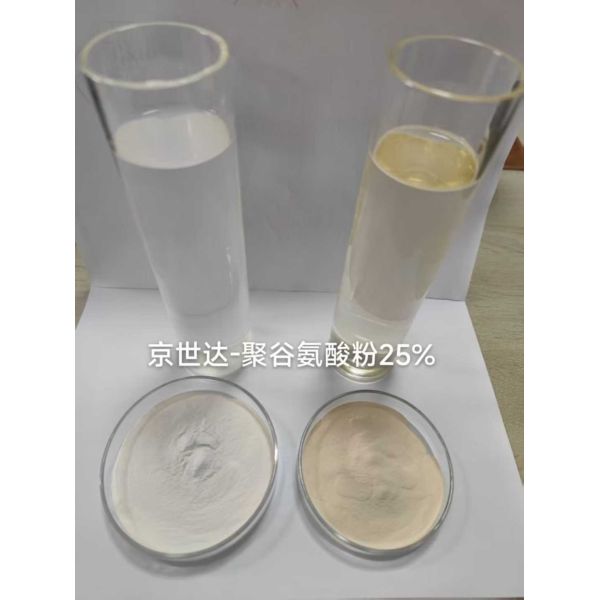
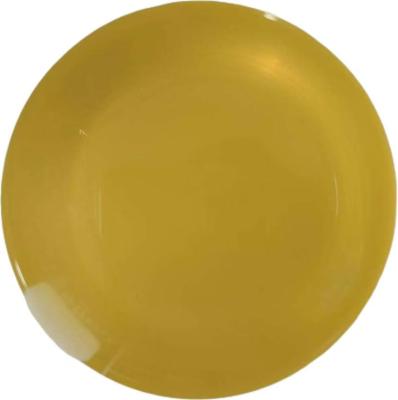
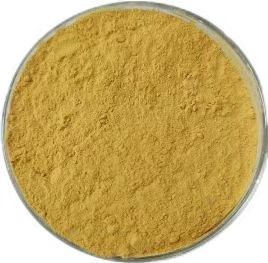
Brown Algal Oligosaccharides are a complex blend of diverse oligosaccharide fractions extracted from brown algae, with alginic acid and oligosaccharides serving as the key active components. As a natural biostimulant, they can partially substitute chemical fertilizers and pesticides, mitigate environmental pollution, and align with national strategies for green agricultural development. The product is presented as a milky white powder or light brown liquid, free of any visible impurities under standard visual examination.
| Component | Specification |
|---|---|
| Content of Brown Algal Oligosaccharides (%) | 11.2 |
| Molecular Weight (Da) | 400–1500 |
| pH Value | 6.8 |
| Water Insoluble Matter (%) | 0.3 |
Promotes Plant Growth
Enhances Stress Resistance
Optimizes Nutrient Absorption and Fertilizer Utilization
The carboxyl and hydroxyl groups in brown algal oligosaccharides can chelate ammonium nitrogen from nitrogen fertilizers, minimizing nitrogen loss and facilitating the uptake of nutrients such as phosphorus, calcium, and magnesium. Studies indicate that incorporating brown algal oligosaccharides into compound fertilizers boosts nitrogen use efficiency in crops including cabbage and cucumber by more than 20%.
Increases Yield and Quality
By boosting carbon-nitrogen metabolism and cell division, brown algal oligosaccharides can raise individual fruit weight and yield per unit area. For instance, in cabbage cultivation, the experimental group treated with brown algal oligosaccharides achieved a 15%–30% yield increase over the control group, along with notable rises in fruit sugar and vitamin content.
Promotes Growth and Reduces Feed Costs
As a feed additive at an inclusion rate of 0.25%–0.5%, brown algal oligosaccharides can accelerate the growth rate of aquatic organisms like rainbow trout, reduce the feed conversion ratio (the amount of feed required for weight gain), and improve the nutritional quality of fish muscle, such as protein content.
Enhances Immunity
Brown algal oligosaccharides activate non-specific immune pathways such as lysozyme activity, boosting the resistance of aquatic animals to bacteria and viruses and lowering disease incidence. For instance, supplementing rainbow trout feed with brown algal oligosaccharides markedly improves survival rates.
Maintains Gut Health
Improves Production Performance
Adding brown algal oligosaccharides to feed can improve feed conversion rates, promote weight gain, and reduce reliance on antibiotics, aligning with the needs of green and healthy farming practices.