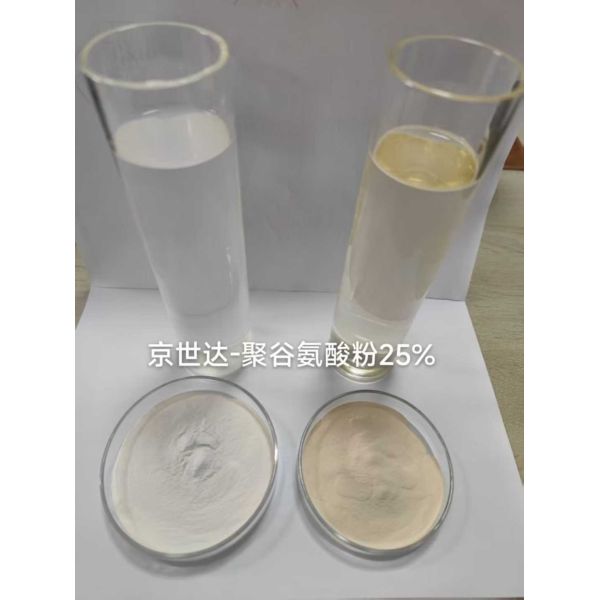
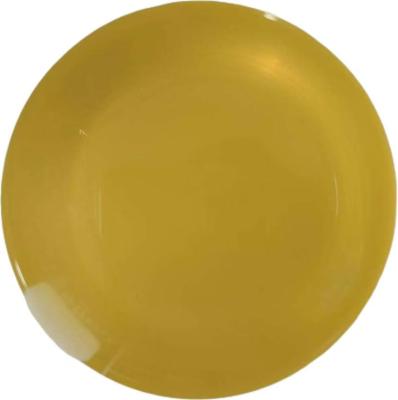
Yeast glycogen is a yeast-derived biostimulant product obtained from liquid fermentation of brewer's yeast. After autolysis or enzyme-catalyzed hydrolysis, it is concentrated or dried to obtain a product rich in yeast polysaccharides, nucleic acids, and amino acids.
| Component | Specification |
|---|---|
| Free Amino Acids (%) | 32.3 |
| Nucleic Acids (%) | 11.7 |
| Acid-Soluble Proteins (%) | 32.4 |
| Water-Insoluble Matter (%) | 0.64 |
| pH | 5.06 |
1.Plant Immune Activator
β-Glucan can activate the plant's natural immune system (e.g., inducing the expression of pathogenesis-related proteins such as PR1), enhancing resistance to fungal and bacterial diseases (e.g., rice blast and powdery mildew).
Application Example: Spraying yeast glycogen extract reduces pesticide usage, achieving green pest control.
2.Soil Improvement and Growth Promotion
As an organic fertilizer additive, yeast glycogen promotes the proliferation of beneficial soil microorganisms (such as nitrogen-fixing bacteria and phosphate-solubilizing bacteria), improving soil microecology.
Yield Enhancement: Stimulates root development, increasing nutrient absorption efficiency in crops.
1.Enhanced Immunity and Disease Resistance
Yeast glycogen (e.g., β-1,3-glucan) activates the innate immune system of fish and shrimp (e.g., enhancing macrophage activity and lysozyme secretion), reducing the risk of viral (e.g., white spot virus) and bacterial (e.g., vibrios) infections.
Application Example: Adding 0.1-0.2% yeast glycogen to shrimp feed significantly improves survival rates and growth rates.
2.Water Quality Improvement and Detoxification
Yeast glycogen can adsorb harmful substances such as ammonia nitrogen and nitrites in the water, reducing the risk of water quality deterioration.
It promotes the reproduction of beneficial bacteria (e.g., Bacillus) and inhibits the growth of harmful algae.
1.Natural Growth Promoters as Antibiotics Alternative
Mannan-oligosaccharides (MOS) selectively inhibit the colonization of pathogenic bacteria (such as Salmonella and E. coli) in the gut, reducing diarrhea incidence.
β-Glucans strengthen the intestinal immune barrier, lowering the risk of weaning stress syndrome in piglets.
2.Enhanced Feed Utilization
Yeast glycogen promotes proliferation of beneficial gut bacteria (e.g., Lactobacillus, Bifidobacterium), improving feed conversion rates.
Experimental Data: Adding yeast glycogen to broiler feed reduces feed-to-meat ratios by 5-8% while producing firmer meat texture.
3.Reduced Environmental Pollution
Regulates gut microbiota balance to decrease emissions of malodorous substances like ammonia and hydrogen sulfide in feces.