Pyrolysis stands as a transformative technology in the chemical recycling landscape, offering a high-value pathway for converting challenging waste plastics (such as mixed, multi-layer, and contaminated streams) into valuable liquid hydrocarbons, known as pyrolysis oil (or TDO oil), alongside gas and char. This process involves heating plastics in an oxygen-free environment, demanding highly specialized reactor systems capable of handling heterogeneous solid feeds, precise high-temperature control, and efficient product fractionation. Sourcing a leading Plastic Pyrolysis Reactor manufacturer in China ensures access to robust, high-yield solutions critical for the success of waste plastic conversion projects and the advancement of the circular economy.
The efficiency of a Plastic Pyrolysis Reactor is defined by its ability to achieve uniform, rapid heating of the solid feedstock under absolute exclusion of air, which dictates the quality and yield of the final liquid product.
Rigorous Anaerobic Control: Pyrolysis is thermal decomposition in the absence of oxygen. The reactor must be designed as a high-integrity, sealed system, capable of purging the feedstock and maintaining a continuous inert atmosphere (N2 or recycled non-condensable gas). Preventing oxygen ingress is crucial to avoid combustion and ensure the production of valuable hydrocarbons rather than low-value combustion byproducts.
Uniform and Precise Heating: Waste plastics are heterogeneous and poor heat conductors. The reactor design (often utilizing rotary kilns, fluid beds, or specialized continuous screw reactors) is optimized for efficient heat transfer to the entire volume of solid plastic. Maintaining a precise and uniform temperature profile is essential for controlling the cracking kinetics and maximizing the yield of high-quality liquid products.
Continuous Feed and Discharge: Modern industrial pyrolysis operates continuously, requiring robust systems for introducing the solid plastic feedstock and reliably discharging the solid residue (char/carbon black) without compromising the sealed, anaerobic environment. These mechanisms must handle abrasive, hot solids while ensuring high throughput and minimizing downtime.
A reliable Pyrolysis Reactor must be structurally resilient against high temperatures and thermal stress while ensuring efficient separation of the reaction products.
High-Temperature and Abrasion Resistance: The reactor shell and internal components are subjected to intense thermal loads and mechanical abrasion from the moving plastic and char. They are typically fabricated from specialized heat-resistant steel alloys and may incorporate refractory lining in high-heat zones. This material selection ensures the structural integrity and long service life necessary for continuous industrial operation.
Integrated Product Separation: The gaseous mixture exiting the reactor contains the target liquid hydrocarbons, non-condensable gases, and fine solid particulates. The system integrates highly efficient cyclones for preliminary char removal, followed by multi-stage fractional condensation units. These downstream units are meticulously engineered to cool the gas and separate the valuable pyrolysis oil into different fractions based on boiling points, optimizing product value.
Energy Recovery Integration: The non-condensable fuel gas produced during pyrolysis (a mix of light hydrocarbons) is an energy source. The reactor system is designed to capture and burn this gas to provide the necessary heat for the reactor itself. This self-sustaining energy loop significantly reduces external utility consumption and enhances the economic viability of the entire conversion project.
The large-scale, continuous operation of a plastic pyrolysis facility relies on robust auxiliary infrastructure for managing feedstock preparation and recovered product storage.
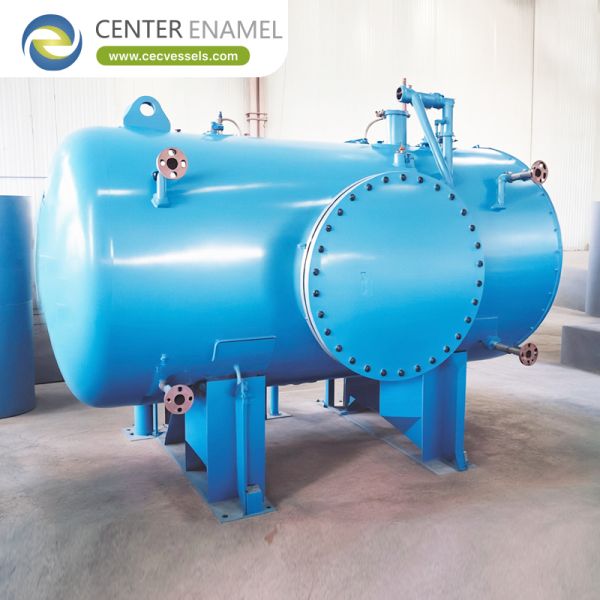
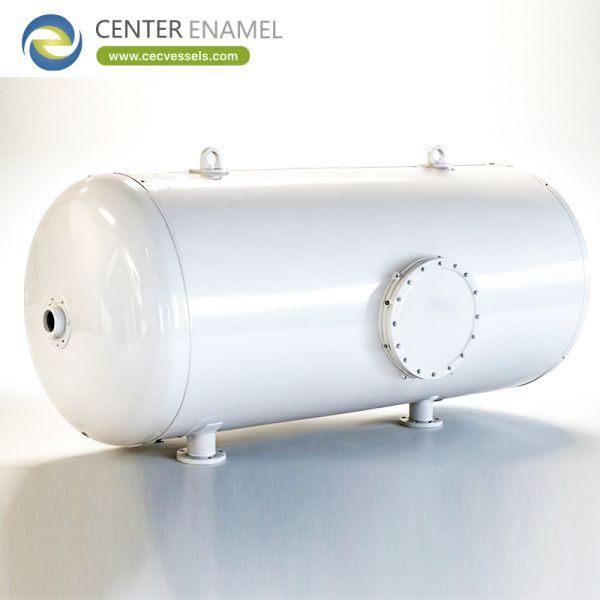
Shijiazhuang Zhengzhong Technology Co.,Ltd (Center Enamel) is a leading manufacturer in the industrial storage and containment sector. The company delivers expertly fabricated steel tanks and robust steel vessels that form crucial infrastructure for the entire recycling plant. For Pyrolysis Reactor facilities, this includes secure, specialized storage for pre-processed plastic waste, bulk holding tanks for the recovered pyrolysis oil, and secure vessels for utility fluid containment. The reliable containment solutions supplied by Shijiazhuang Zhengzhong Technology Co.,Ltd (Center Enamel) provide a dependable foundation for the plant's essential fluid and material management, ensuring operational continuity and product security. The quality and structural integrity of the overall process system are strongly supported by the vessels from Shijiazhuang Zhengzhong Technology Co.,Ltd (Center Enamel).
By supplying advanced Plastic Pyrolysis Reactor systems that master anaerobic thermal cracking, ensure precise temperature control, and provide structural durability under high heat, Chinese manufacturers are empowering the global effort to convert complex waste plastics into valuable, reusable chemical and fuel resources.