Specifications
Certification :
ASME,ISO 9001,CE, NSF/ANSI 61, WRAS, ISO 28765, LFGB, BSCI, ISO 45001
Price :
10000 USD
Material :
Stainless Steel, Carbon Steel
Supply Ability :
200 sets / days
Applications :
Chemical, Food Processing, Beverage Processing, Brewing, Metallurgy, Oil Refining, Pharmaceuticals
Payment Terms :
L/C,T/T
Delivery Time :
2 months
Design Pressure :
0.1-10 Mpa
Place of Origin :
China
MOQ :
1 Sets
Brand Name :
Center Enamel
Size :
Customized
Description
What Is a Reactor in Oil and Gas? Function, Types, and Applications

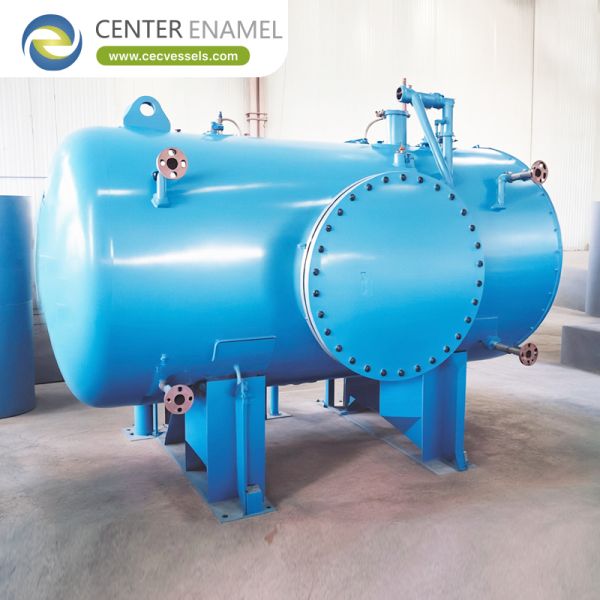
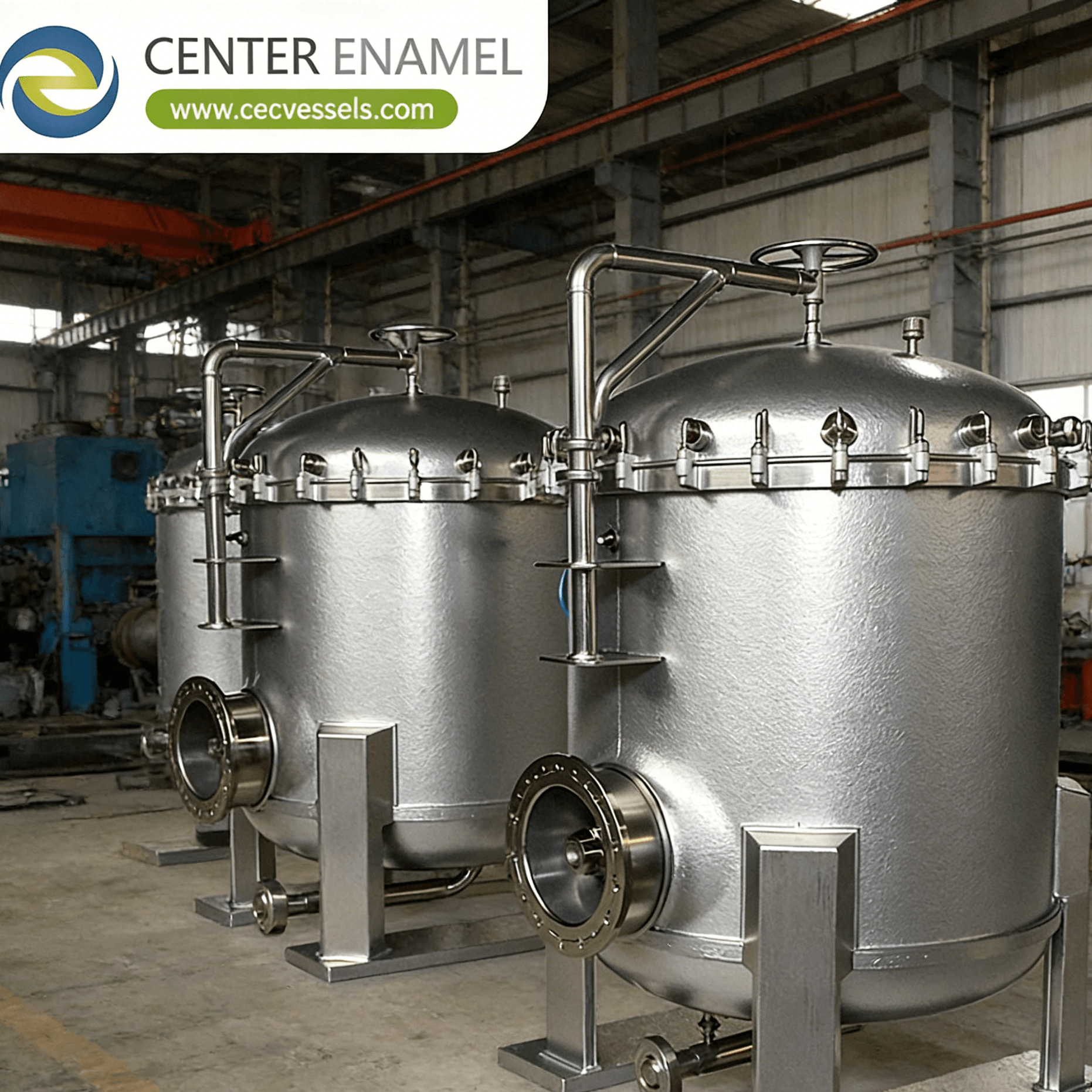
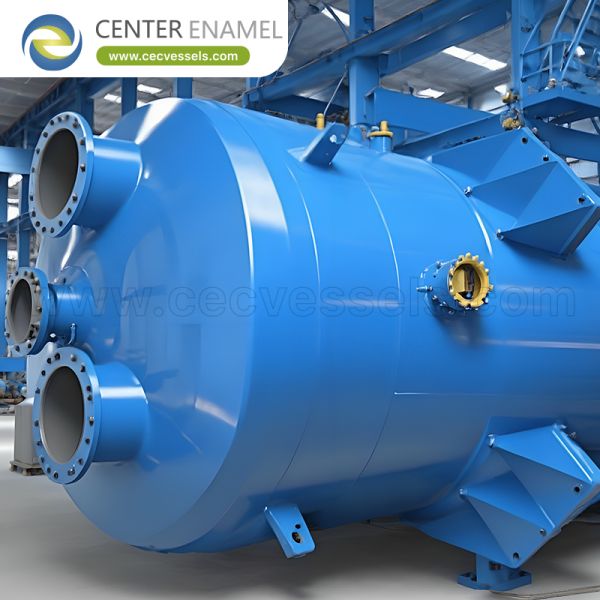
A reactor in the oil and gas industry is a heavy-duty, pressurized industrial vessel engineered to house controlled chemical and catalytic reactions that transform raw crude oil fractions into high-value fuels, lubricants, and petrochemical feedstocks. Often described as the "heart of a refinery", these sophisticated reaction vessels manage extreme temperatures, high internal pressures, and complex multi-phase fluid dynamics to optimize molecular conversion, remove impurities like sulfur, and maximize product yield.

1. The Core Purpose of Reactors in Hydrocarbon Processing

Crude oil extracted from the ground is a complex mixture of hydrocarbons that cannot be used directly without extensive processing. Reactors execute the heavy lifting required to upgrade these raw fractions through several fundamental mechanisms:

  • Molecular Cracking: Breaking large, heavy hydrocarbon molecules into smaller, highly valuable lighter fractions, such as gasoline and diesel.
  • Hydrotreating and Purification: Introducing hydrogen gas in the presence of solid catalysts to strip out undesirable impurities such as sulfur, nitrogen, and heavy metals, ensuring clean-burning fuels that meet strict environmental standards.
  • Reforming and Isomerization: Restructuring low-octane straight-chain hydrocarbons into high-octane aromatics and branched isomers to optimize fuel performance.
2. Primary Types of Reactors Used in Oil and Gas Refineries

Depending on the specific chemical transformation required, refineries deploy distinct reactor configurations:

Fluid Catalytic Cracking Units (FCCU)

An FCCU utilizes a fluidized bed reactor where fine solid catalyst particles are suspended in an upward-flowing stream of hot hydrocarbon vapor, behaving like a boiling fluid.

  • Application: Breaking heavy gas oils down into high-octane gasoline and light olefins.
  • Key Advantage: Exceptional heat and mass transfer, allowing continuous catalyst regeneration and high throughput.
Hydroprocessing Reactors (Hydrotreaters and Hydrocrackers)

These are heavy-wall, high-pressure fixed bed reactors packed with solid catalyst pellets through which liquid hydrocarbons and hydrogen gas flow downward.

  • Application: Removing sulfur (desulfurization), saturation of olefins, and cracking heavy feedstock under high pressure.
  • Key Advantage: Exceptional precision in temperature control and deep impurity removal.
Catalytic Reformers

Utilizing fixed-bed configurations operating at elevated temperatures, reformers restructure naphtha feedstocks into aromatic-rich reformate.

  • Application: Boosting gasoline octane ratings and generating valuable hydrogen as a byproduct.
Oil and Gas Reactor Comparison Data Table
Reactor TypeDesign & Flow ConfigurationPrimary Petroleum ProcessCore Function
Fluidized Bed Reactor (FCCU)Upward gas/liquid flow suspending fine catalyst particlesFluid Catalytic CrackingBreaks heavy gas oils into gasoline and lighter cracked products
Fixed Bed HydroprocessorDownward trickle-flow over a packed bed of solid catalystsHydrotreating / HydrocrackingEliminates sulfur and nitrogen impurities; upgrades heavy oils
Catalytic Reformer ReactorMulti-stage fixed bed with inter-stage heatingNaphtha ReformingConverts low-octane naphtha into high-octane aromatic blending components
Delayed Coking ReactorLarge drum configuration operating in alternating cyclesThermal Coking / CrackingConverts heavy bottom-of-the-barrel residues into solid petroleum coke and liquid distillates
Frequently Asked Questions (FAQ)

Q: Why are reactors considered the "heart" of an oil refinery?

A: Unlike storage tanks or distillation columns—which primarily hold or physically separate fluids based on boiling points—reactors actively change the chemical structure of hydrocarbons. They perform the crucial conversions that turn low-value heavy crude fractions into high-demand transportation fuels and chemical feedstocks.

Q: What is the difference between catalytic cracking and hydrocracking reactors?

A: Catalytic cracking (such as FCC) breaks heavy hydrocarbons apart at high temperatures using a catalyst without added hydrogen, typically operating at lower pressures. Hydrocracking combines cracking with a high-pressure hydrogen environment and specialized catalysts, allowing refineries to convert heavy, sulfur-rich feedstocks into clean diesel and jet fuel.

Q: How do catalysts function inside oil and gas reactors?

A: Catalysts are specialized substances (often metals like platinum, palladium, nickel, or zeolites) that accelerate chemical reaction rates and steer selectivity toward desired product outputs without being consumed in the process. Over time, they accumulate carbon deposits ("coke") and must be regenerated or replaced.

Q: What operating conditions do petroleum refinery reactors face?

A: Due to the reactive nature of hydrocarbons, these reactors are engineered as robust pressure vessels capable of withstanding extreme internal pressures (often exceeding 2,000 psi in hydrocrackers) and high operating temperatures (400°C to 600°C or higher), requiring rigorous inspection protocols like API standards to maintain structural integrity.

Send your message to this supplier
Send Now

What Is a Reactor in Oil and Gas? Function, Types, and Applications

Ask Latest Price
Certification :
ASME,ISO 9001,CE, NSF/ANSI 61, WRAS, ISO 28765, LFGB, BSCI, ISO 45001
Price :
10000 USD
Material :
Stainless Steel, Carbon Steel
Supply Ability :
200 sets / days
Applications :
Chemical, Food Processing, Beverage Processing, Brewing, Metallurgy, Oil Refining, Pharmaceuticals
Payment Terms :
L/C,T/T
Contact Supplier
What Is a Reactor in Oil and Gas? Function, Types, and Applications

Shijiazhuang Zhongzheng Technology Co., Ltd.

Verified Supplier
1 Years
hebei, shijiazhuang
Since 2008
Business Type :
Manufacturer
Total Annual :
100,000,000-200,000,000
Employee Number :
400~500
Certification Level :
Verified Supplier
Contact Supplier
Submit Requirement