Specifications
Certification :
ASME,ISO 9001,CE, NSF/ANSI 61, WRAS, ISO 28765, LFGB, BSCI, ISO 45001
Payment Terms :
L/C,T/T
Delivery Time :
2 months
Design Pressure :
0.1-10 Mpa
Price :
10000 USD
Material :
Stainless Steel, Carbon Steel
Supply Ability :
200 sets / days
Applications :
Chemical, Food Processing, Beverage Processing, Brewing, Metallurgy, Oil Refining, Pharmaceuticals
Place of Origin :
China
MOQ :
1 Sets
Brand Name :
Center Enamel
Size :
Customized
Description
Understanding Batch Reactors: Key Features and Applications

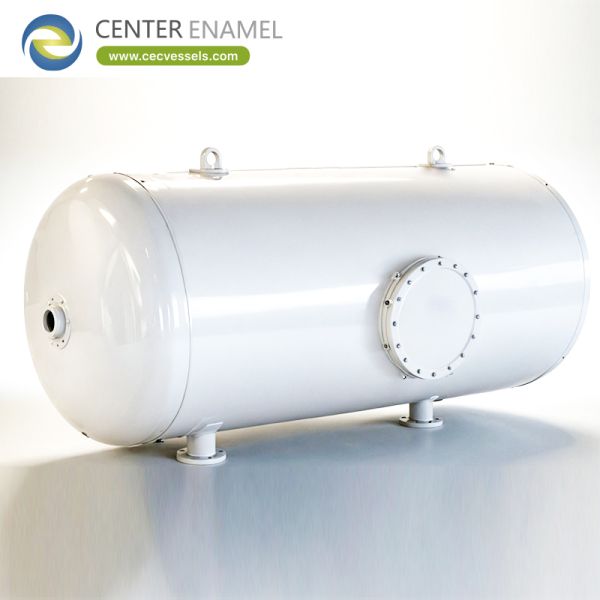
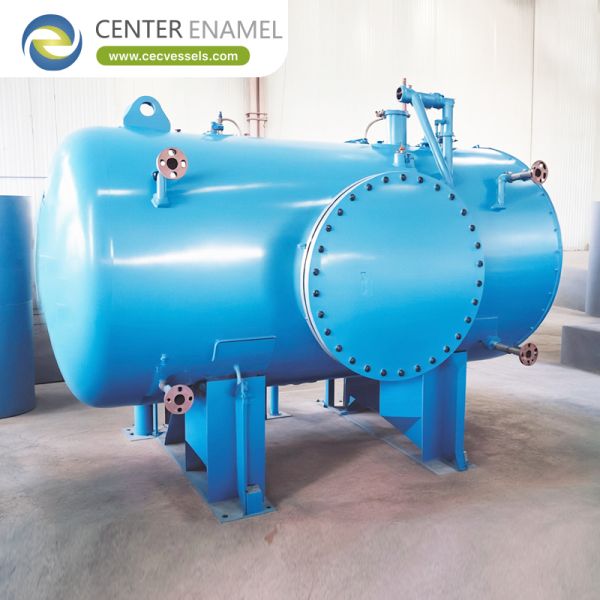
A batch reactor is a closed industrial containment vessel operating in an unsteady state where raw materials are loaded all at once, mixed thoroughly via internal agitators, allowed to react over a specific time duration, and then discharged entirely as a single lot or batch. As one of the most versatile processing systems in chemical engineering, batch reactors are engineered to handle complex, multi-step chemical reactions where flexibility, precision, and recipe adaptability take precedence over high-volume continuous throughput.

1. Key Features of Batch Reactors

Batch reactors possess several distinct mechanical and operational characteristics that set them apart from continuous flow systems:

  • Unsteady-State Operation: Unlike continuous reactors that maintain a steady state 24/7, batch reactors operate in discrete cycles. The chemical composition, temperature, and pressure inside the vessel change dynamically over time.

  • High Recipe Flexibility: The closed-vessel architecture allows chemical plants to manufacture completely different formulations simply by changing input ingredients, catalysts, and temperature ramps between cycles.

  • Advanced Thermal Management: Equipped with specialized external half-pipe jackets, internal cooling coils, or thermal fluid loops, batch reactors provide precise temperature regulation required for exothermic or endothermic reactions.

  • Intense Mechanical Agitation: Fitted with custom impellers (such as turbine, anchor, or pitched-blade designs) driven by variable-speed motors, ensuring uniform mass transfer and preventing concentration gradients.

2. Core Industrial Applications

Because of their adaptability, batch reactors serve as the primary production tool across several high-value manufacturing sectors:

  • Pharmaceutical Manufacturing: Synthesizing active pharmaceutical ingredients (APIs) that require strict multi-step chemical sequences, precise temperature control, and lot-to-lot traceability.

  • Specialty Fine Chemicals: Producing low-volume, high-purity chemical additives, dyes, and specialized reagents.

  • Polymer and Resin Synthesis: Manufacturing custom polymers, adhesives, and specialty coatings that require controlled molecular weight growth over specific reaction times.

Batch Reactor Specifications and Operational Matrix
Feature / Parameter Batch Reactor Technical Specification
Operating Mode Unsteady state (Discontinuous, cycle-based processing)
Flow & Mixing Dynamics Mechanically stirred; uniform composition at any given instant
Primary Industrial Sector Pharmaceuticals, specialty chemicals, custom polymers
Thermal Control Mechanism Jacketed walls, internal cooling/heating coils, external fluid loops
Key Operational Advantage Maximum recipe flexibility for multi-step chemical synthesis
Typical Downtime Profile Periodic inter-batch downtime for charging, discharging, and CIP cleaning
Frequently Asked Questions (FAQ)

Q: What is the defining feature of a batch reactor?

A: The defining feature of a batch reactor is its unsteady-state, cycle-based operation. All raw materials are loaded into the vessel at the beginning of the run, reacted for a set duration under controlled conditions, and discharged entirely as a single batch.

Q: Why are batch reactors preferred in pharmaceutical manufacturing?

A: Pharmaceutical synthesis typically involves complex, multi-step chemical recipes and smaller, high-value production lots. Batch reactors provide the operational flexibility required to adjust processing parameters and thoroughly clean the vessel between different product runs.

Q: How is temperature regulated inside an industrial batch reactor?

A: Temperature is controlled using external half-pipe jackets or internal cooling/heating coils that circulate thermal fluids. These systems absorb excess heat generated by exothermic reactions or supply heat for endothermic processes.

Q: What are the main limitations of using batch reactors?

A: The primary limitation is non-productive downtime. Because operations occur in discrete cycles, time is lost during the loading, product harvesting, and vessel cleaning phases between consecutive production runs.

Send your message to this supplier
Send Now

Understanding Batch Reactors: Key Features and Applications

Ask Latest Price
Certification :
ASME,ISO 9001,CE, NSF/ANSI 61, WRAS, ISO 28765, LFGB, BSCI, ISO 45001
Payment Terms :
L/C,T/T
Delivery Time :
2 months
Design Pressure :
0.1-10 Mpa
Price :
10000 USD
Material :
Stainless Steel, Carbon Steel
Contact Supplier
Understanding Batch Reactors: Key Features and Applications

Shijiazhuang Zhongzheng Technology Co., Ltd.

Verified Supplier
1 Years
hebei, shijiazhuang
Since 2008
Business Type :
Manufacturer
Total Annual :
100,000,000-200,000,000
Employee Number :
400~500
Certification Level :
Verified Supplier
Contact Supplier
Submit Requirement