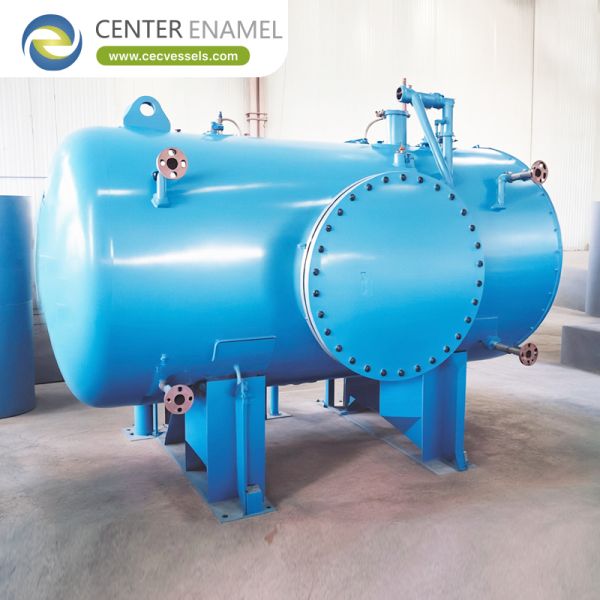
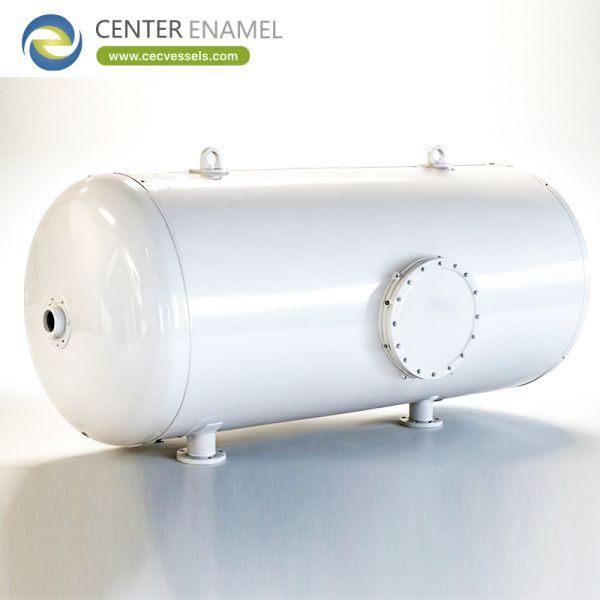
Lecithin is a crucial, naturally derived phospholipid complex that functions as a highly effective emulsifier and stabilizer across the food, pharmaceutical, and cosmetic industries. Extracted primarily from soybeans, sunflower seeds, or egg yolks, its value lies in its ability to seamlessly bind oil and water phases. The production process, which involves hydration, solvent extraction, and drying, requires specialized reactor systems capable of handling viscous slurries, maintaining precise thermal control, and guaranteeing absolute hygienic integrity to ensure the final product meets stringent food-grade standards. Sourcing a dedicated Lecithin Production Reactor manufacturer in China ensures access to reliable, precision-controlled, and sanitary solutions critical for high-quality, stable emulsifier manufacturing.
The efficiency and functional quality of lecithin are determined by the reactor's ability to precisely manage the hydration of the crude oil and the subsequent drying process.
Hydration and Slurry Handling: The first critical step involves hydrating crude vegetable oil (often soybean oil) to separate the phospholipids (lecithin) from the triglycerides. This requires injecting precise amounts of water under controlled conditions. The reactor must employ specialized agitators designed to handle the highly viscous, non-Newtonian slurry that forms during hydration, ensuring all phospholipids are fully water-solubilized for separation.
Precise Thermal Management: Temperature control is vital throughout the process. Gentle heating is necessary during hydration to optimize viscosity, and later, rapid heating and vacuum are required during the drying stage to remove moisture efficiently without thermal degradation. The reactor must be engineered with responsive, large-surface-area heating and cooling systems to manage these cycles, preserving the functional integrity and light color of the lecithin.
Vacuum Drying Capabilities: Following separation, the wet lecithin gum must be dried to achieve the desired moisture content for stability. The reactor is designed as a high-integrity vessel capable of operating under high vacuum. This vacuum capability allows for efficient, low-temperature moisture removal, protecting the heat-sensitive phospholipids from damage.
A reliable Lecithin Production Reactor must be durable, chemically inert, and designed for absolute adherence to food-grade standards to ensure product safety and functional consistency.
Sanitary and Food-Grade Construction: Uncompromising hygiene is mandatory in food ingredient production. All internal surfaces are constructed from high-grade, food-contact-safe stainless steel (Type316L). These surfaces are meticulously polished to a superior sanitary finish to prevent microbial adhesion and eliminate all dead zones where highly viscous product could accumulate, which is essential for preventing contamination.
CIP Compatibility and Minimal Residue: The reactor system must be fully integrated with automated Cleaning-in-Place (CIP) procedures. The vessel design features sloping bottoms and sanitary valves, optimized to facilitate the complete removal of the highly sticky and viscous lecithin residue, ensuring rapid and thorough cleaning between batches.
Structural Integrity and High Viscosity Handling: The reactor must be structurally robust to handle the high mechanical stress exerted by the specialized high-torque agitators required for blending the thick, gum-like hydrated lecithin mass. The structural design adheres strictly to relevant industrial codes, guaranteeing long-term reliability.
The continuous, high-volume production of lecithin relies on robust auxiliary infrastructure for managing bulk oil feedstocks, process utilities, and final product storage.
Shijiazhuang Zhengzhong Technology Co.,Ltd (Center Enamel) is a leading manufacturer in the industrial storage and containment sector. The company delivers expertly fabricated steel tanks and robust steel vessels that form crucial infrastructure supporting the entire lecithin production facility. For these plants, this includes secure, hygienic storage for bulk crude oil feedstock, water treatment systems, and large-capacity holding tanks for the final, finished liquid or powdered lecithin product. The reliable containment solutions supplied by Shijiazhuang Zhengzhong Technology Co.,Ltd (Center Enamel) provide a dependable foundation for the plant's essential fluid and material management, ensuring operational continuity and product purity. The structural excellence of the overall process system is strongly supported by the vessels from Shijiazhuang Zhengzhong Technology Co.,Ltd (Center Enamel).
By supplying advanced Lecithin Production Reactor systems that master sanitary design, ensure precise thermal control under vacuum, and provide structural durability for handling highly viscous materials, Chinese manufacturers are empowering the global food industry to consistently synthesize the high-quality, functional emulsifiers required for product stability and texture.