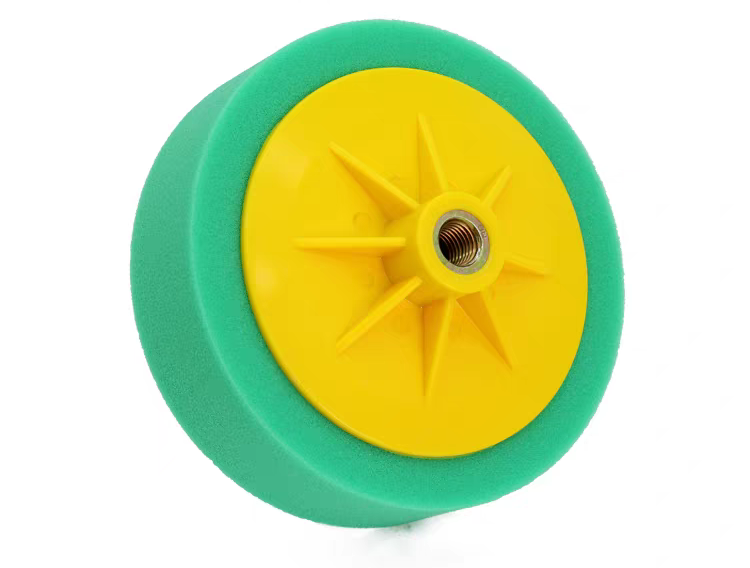
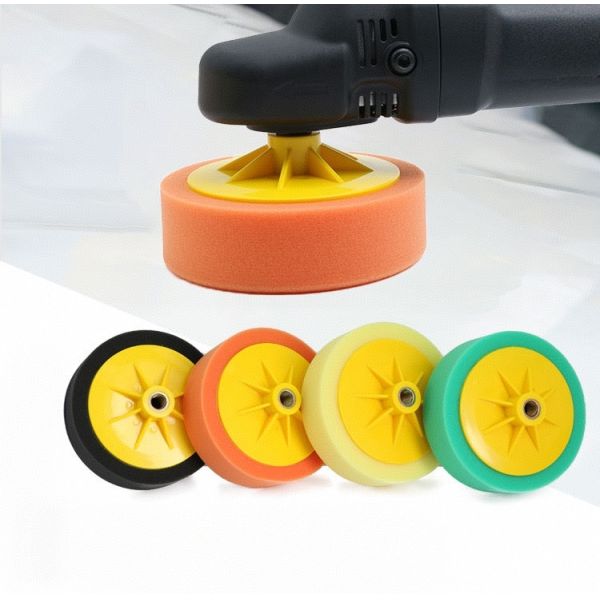
The heavy cutting pad is designed to effectively remove heavy and severe swirl marks, scratches, oxidation, and water spots from painted finishes.
Key advantages of this polishing pad:
- Material: Premium high-density sponge (sourced from the U.S./Germany/Japan) – wear-resistant & long-lasting.
- Tray Component: 8-ribbed high-quality plastic tray – sturdy & stable during use.
- Bonding: Imported strong adhesive – tight bracket-sponge fit, no peeling, durable.
- Connection: All-metal M14/M6 thread – quick attachment, super easy to use.
Multiple sizes are available to accommodate different operational scenarios and tool compatibility: 3", 5", 6"

Polishing Operation Guidelines
For optimal and safe results, follow these professional techniques when using your polisher:
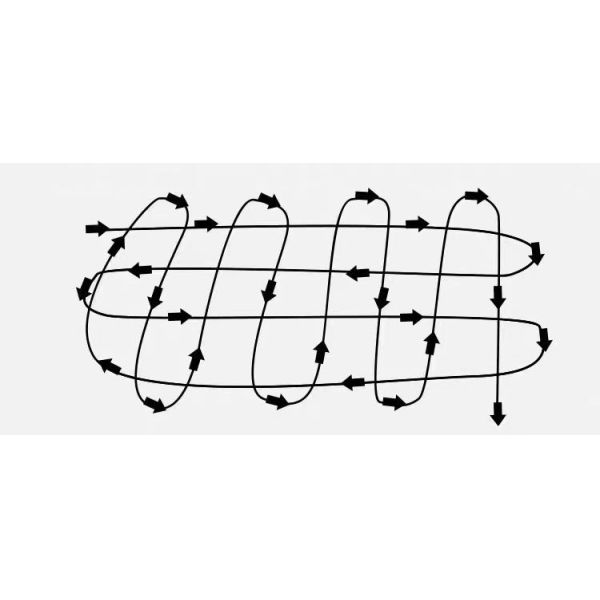
- Method: Work in a Grid Pattern
Move the polisher in overlapping straight-line passes (like a #-grid), as shown in the diagram. This ensures even coverage, prevents creating new circular swirls, and helps avoid missing spots.

- Master the Variables: Speed, Pressure, and Pace
Achieving a flawless finish is about balancing three key factors:
· Machine Speed: Adjust according to the polish or compound stage.
· Applied Pressure: Use consistent, moderate pressure.
· Movement Speed: Maintain a steady, controlled pace.
- Core Principle: Low Speed for Cutting, High Speed for Finishing
A fundamental rule is to use lower speeds for compounding/cutting (to remove defects) and higher speeds for polishing/finishing (to refine and bring out maximum gloss).
- Pro-Tip: Always Do a Test Spot
When using a new machine, pad, or product, always perform a test on a small, inconspicuous area first. This allows you to find the perfect combination of settings and technique before working on the entire panel or vehicle.
Understanding & Choosing Your Foam Pads
Selecting and using the right foam pad is just as important as your technique.
- Pads Get Better With Use
New pads may feel slightly stiff. Don't worry—they break in and become more effective after the first few uses.
- Always “Prime” a New Pad
Before first use, lightly spray the pad with water or a pad conditioner, or apply a small amount of product and spread it in. This primes the pad, reduces initial friction, and helps distribute polish evenly.
- Match the Pad to the Paint Problem
There is no single “universal” pad for all tasks. The key to perfect results is choosing the right tool:
· Use a more aggressive/cutting pad for removing scratches or oxidation.
· Use a softer/finishing pad for enhancing gloss or applying sealants.
- Polish Rationally for Ultimate Clarity
While polishing expertly removes a minute layer of clear coat to eliminate scratches, swirls, and haze, the result is a deeper, sharper mirror-like reflection that significantly enhances the vehicle's appearance.