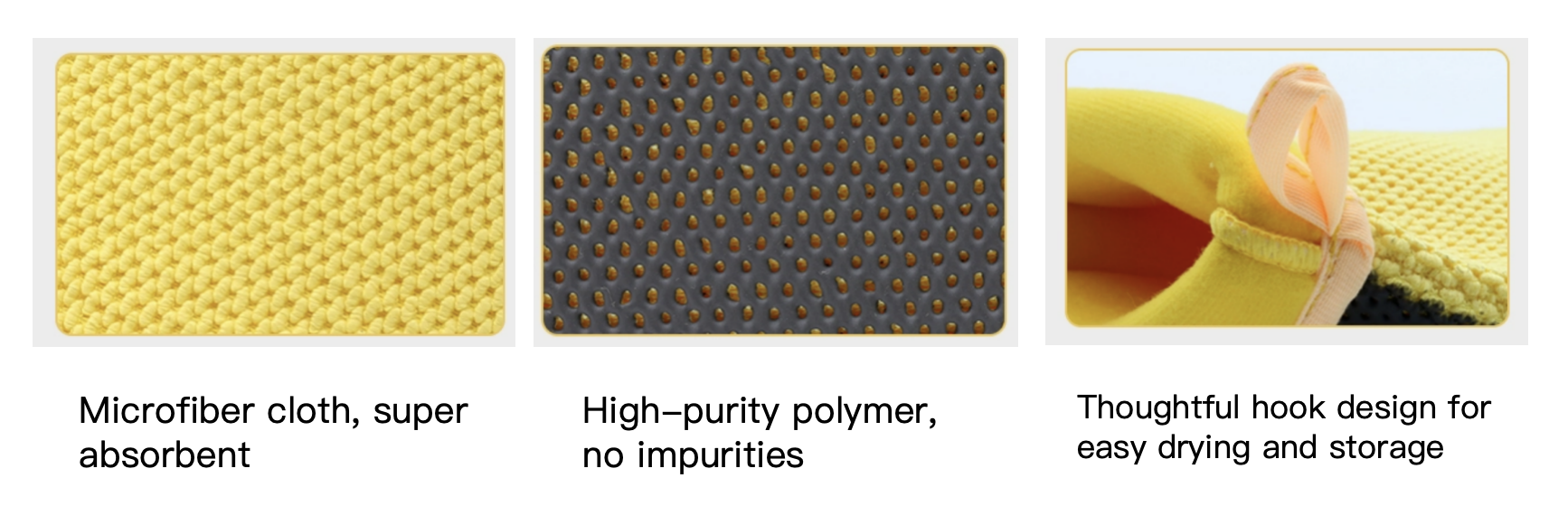
Clay mitt, also known as a clay bar mitt, magic clay glove, magic clay mitt, synthetic clay mitt, decontamination mitt, is a specialized automotive detailing tool designed to deep - clean vehicle surfaces.It consists of a mitt - shaped (usually made of a soft, flexible material like microfiber) infused or coated with a clay - like substance.
Advantages of car detailing clay mitt
- Ease of Use: Compared to traditional clay bars, the mitt shape is more ergonomic, allowing for easier handling and coverage of larger areas, which is friendly for both professionals and DIY enthusiasts.
- Versatility: It can be used on various vehicle exterior surfaces, from paint to glass and trim, making it a multi - purpose tool in automotive detailing.
Uses and Application Scenarios of Clay Mitts
1. Uses
- Contaminant Removal: Efficiently eliminates embedded contaminants (brake dust particles, tree sap, dried bird droppings, grime) from auto surfaces. The textured mitt, with lubricant, safely lifts substances from paint/glass/metal without scratches.
- Surface Preparation: Creates a smooth base for wax, sealant, or ceramic coating, ensuring better adhesion and finish quality (e.g., even wax application for longer-lasting shine).
2. Application Scenarios
- Detailing Shops: Restore/prep vehicles for sale/customization/maintenance, reviving paint before high-end protection.
- DIY Enthusiasts: Easy at-home use (e.g., weekend driveway detailing) for paint, chrome, glass, prepping for wax.
- Post Off-Road: Remove fine debris after hosing off mud, preventing long-term damage.
- Seasonal Care: Rejuvenate exteriors after harsh winters (road salt) or summers (sap/bugs), prepping for new weather.
Steps for Using Magic Clay Mitt
- Wash off dust/sand (no drying needed).
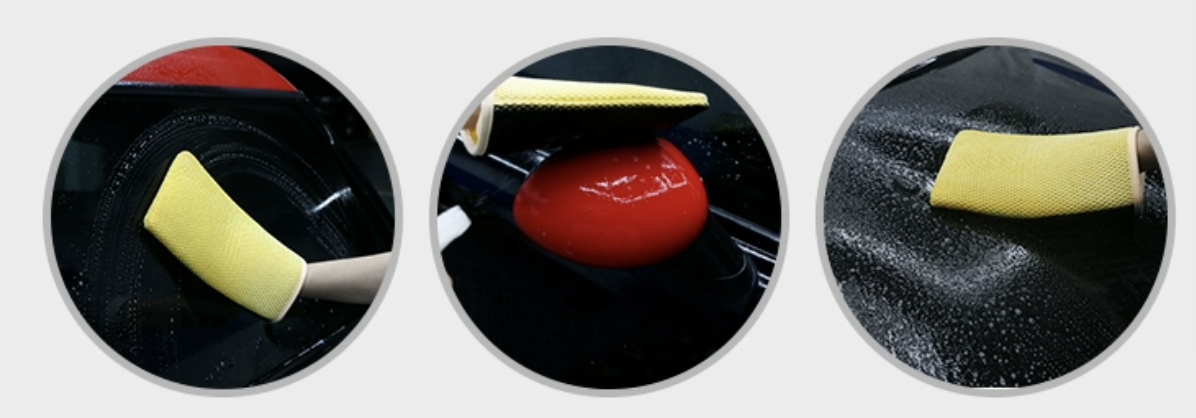
- Soak mitt in lubricant; gently wipe the entire car (including glass) with light pressure.
- Re-soak mitt during use to avoid scratches; use both sides.
- Rinse car after wiping. Wax to remove any minor scratches/white spots.
- Wax after drying.
Precautions
- Don’t mix with petroleum-based cleaners (tar removers, polish wax).
- Use light force to avoid scratches; use fine wax to fix scratches if they occur.
- Avoid high sheet metal temps.
- Replace immediately if the rubber surface is heavily contaminated to prevent paint scratches.
- After use, wring out and store in a dedicated blister case.